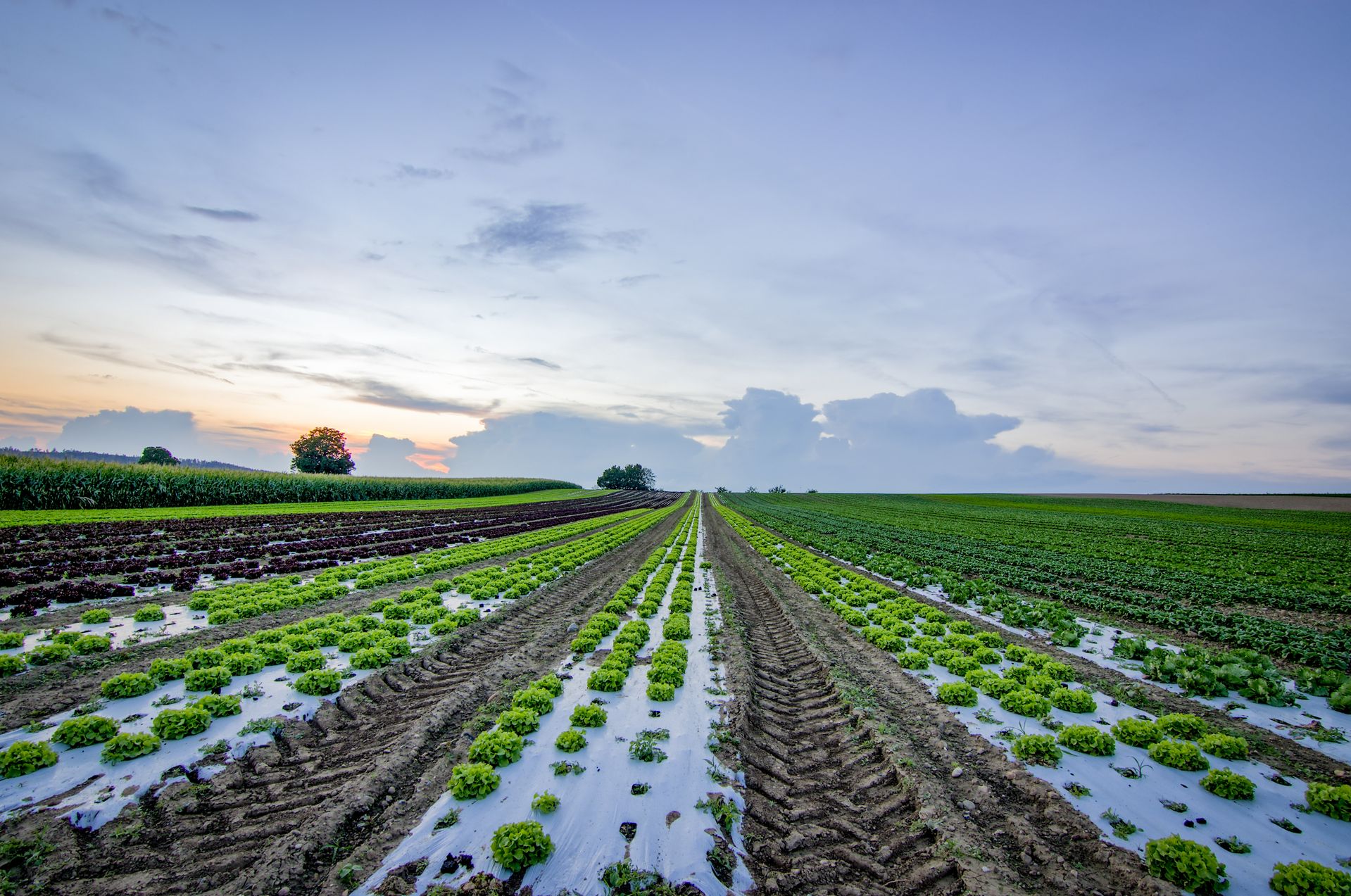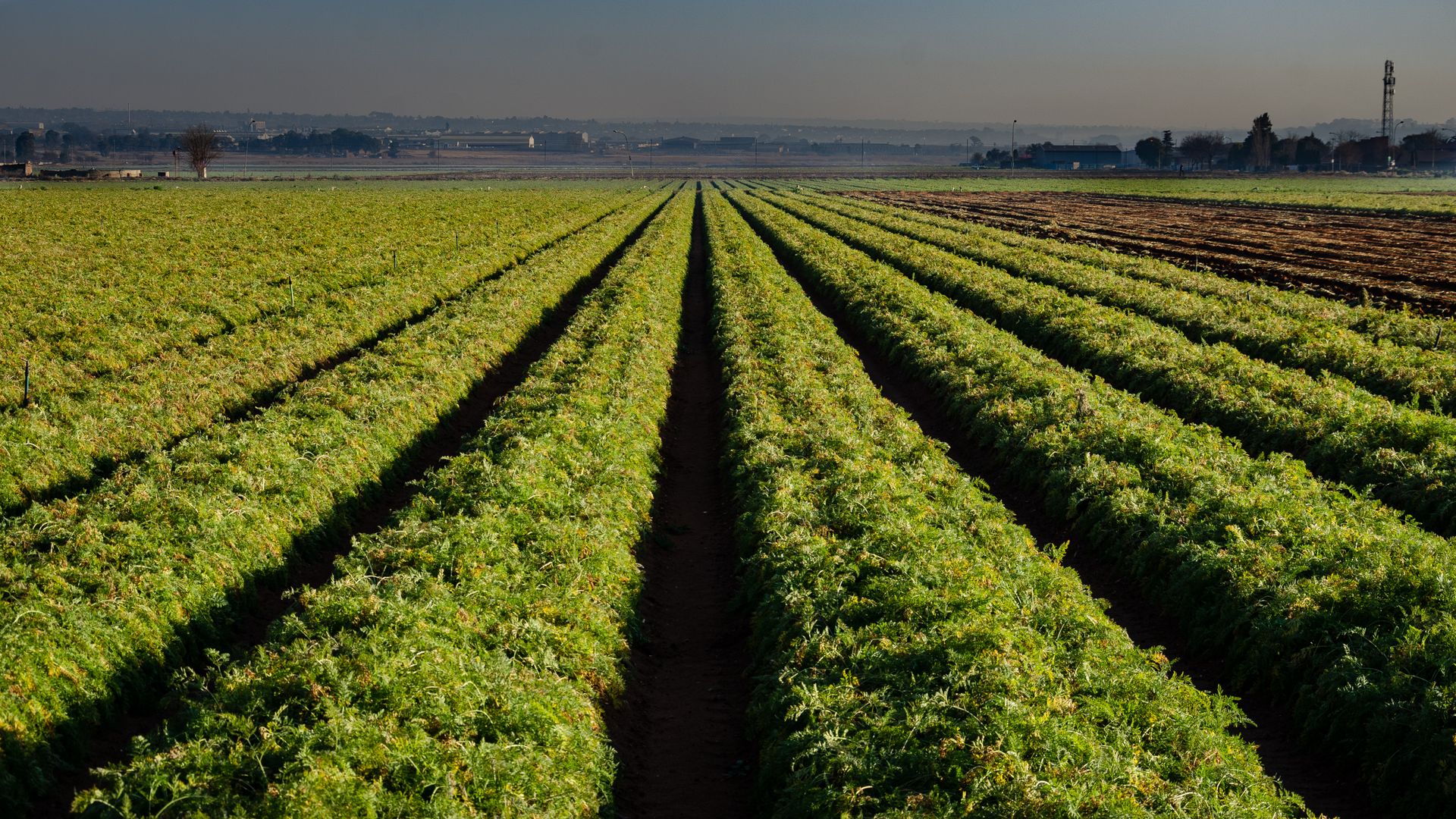






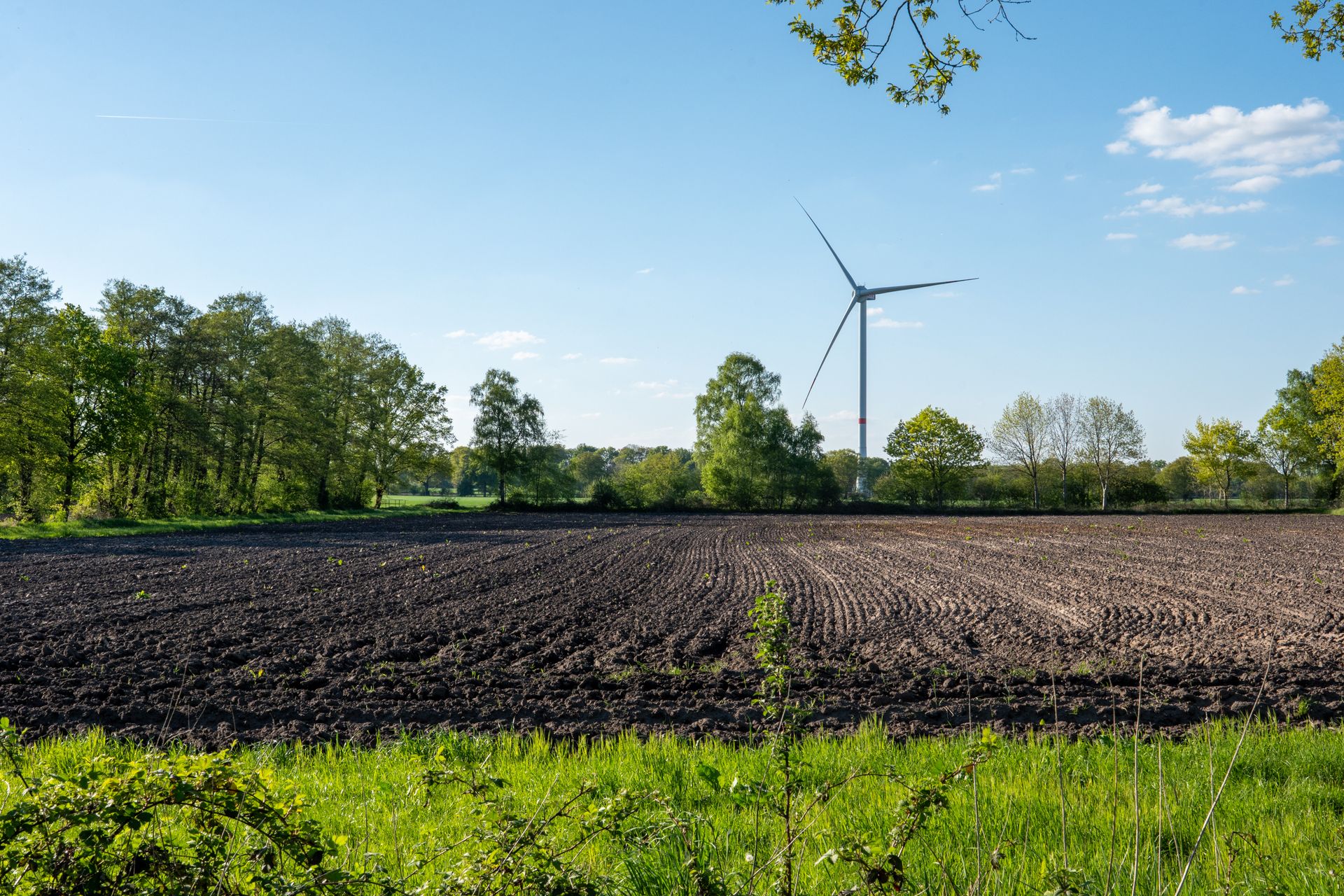
Modern farms need reliable energy for many daily tasks. Farmers use power for irrigation, lighting, cooling, storage, machines, and other equipment. However, high energy costs can make farming more difficult. In this article, we discuss how renewable energy benefits modern farms and why clean power can support more efficient farming. Solar, wind, and other energy sources can help farmers reduce their dependence on traditional fuels. They can also support long-term farm planning when farmers choose systems that match their needs.
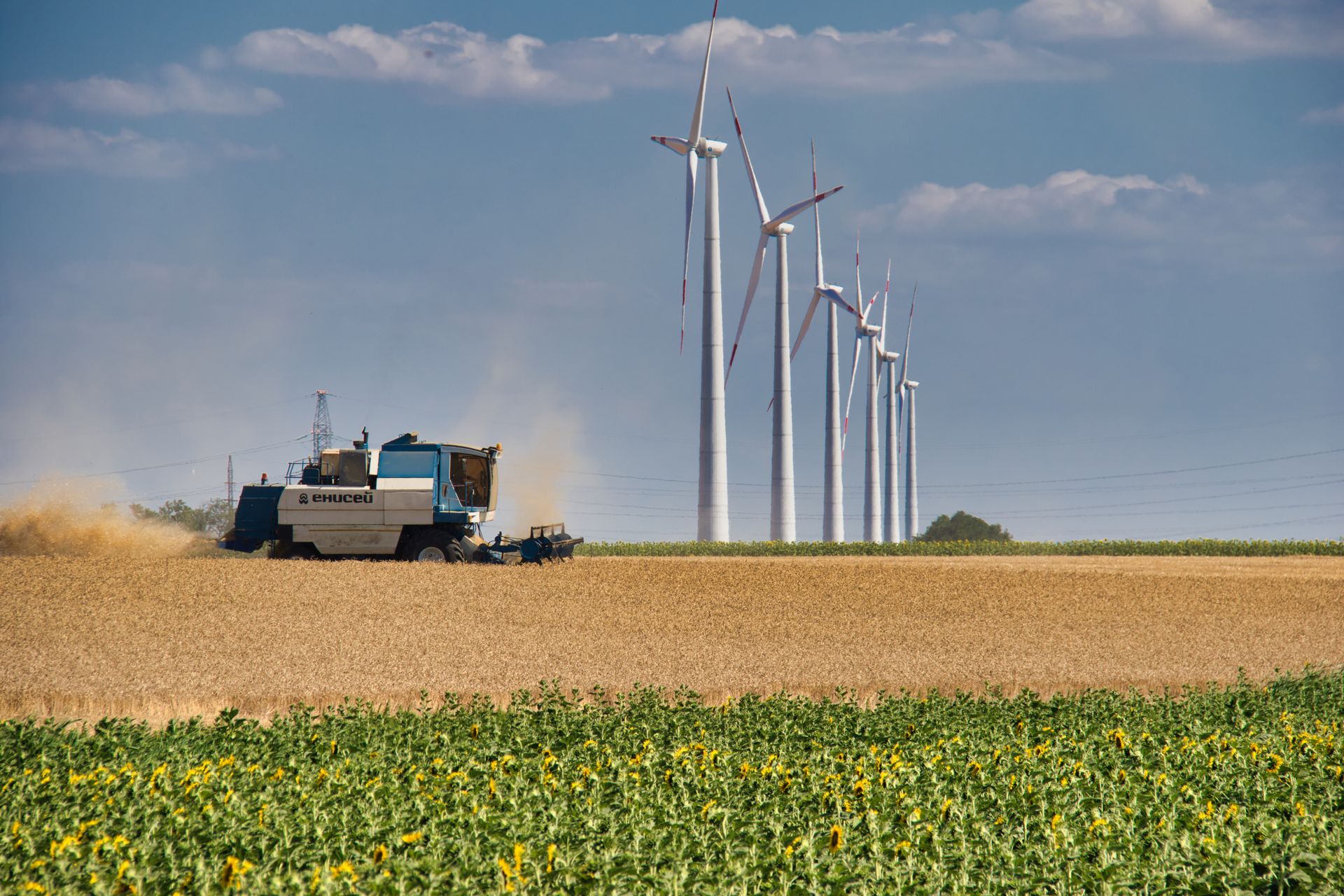
How Renewable Energy Supports Efficient And Sustainable Farming
Renewable energy comes from sources that naturally replace themselves. Sunlight, wind, moving water, and organic materials can all provide energy. Farms can use these resources in different ways. The right option depends on the farm location, available resources, equipment, and budget.
Lower Energy Costs
Energy can be a major farm expense. Pumps, coolers, dryers, and machines may run for many hours. Renewable systems can reduce the amount of energy a farm needs to buy from outside sources.
Solar panels are one common option. They can produce electricity during daylight hours. Farmers can use this power for pumps, lights, fans, and other equipment. With the right system, they may also store extra power for later use.
Improve Irrigation
Water pumps often require a steady supply of energy. Solar-powered pumps can provide electricity for irrigation without relying entirely on fuel-powered generators. This can make watering crops easier in areas with strong sunlight.
Farmers can also combine renewable power with efficient irrigation systems. Drip irrigation, for example, delivers water close to plant roots. Using efficient equipment with clean energy can help reduce both energy and water waste.
Reduce Dependence On Fuel
Diesel and other fuels can become expensive. Their prices can also change over time. Farms that depend heavily on fuel may face higher operating costs when prices rise.
Renewable power can reduce this dependence. Solar electricity can replace some fuel use for pumps and other equipment. Biogas can also provide energy when farms have suitable animal or plant waste. This gives farmers more choices when planning their energy supply.
Support Farm Storage
Proper storage can protect food after harvest. Some crops need cooling to stay fresh. Others need drying to reduce moisture before storage.
Renewable electricity can power suitable cooling, drying, and ventilation equipment. This can help farmers protect their harvest and reduce losses. In areas with unreliable electricity, a solar system with battery storage can provide an additional source of power.
Use Farm Waste
Some farms produce large amounts of organic waste. Animal manure, crop remains, and other materials can sometimes be used to produce biogas. A biogas system breaks down organic material and captures gas that can be used as fuel.
This approach provides two benefits. It can reduce waste while producing useful energy. The remaining material may also be suitable for use as a soil amendment when properly managed.
Reduce Environmental Impact
Traditional energy sources can release greenhouse gases and other pollutants. Renewable energy usually produces much lower emissions during operation. As a result, farms can reduce part of their environmental impact by replacing some fossil fuel use with clean energy.
This does not mean every renewable system has zero environmental impact. Manufacturing, transport, installation, and disposal also require resources. Still, renewable energy can play an important role in reducing emissions over the life of a suitable system.
Improve Farm Resilience
Power interruptions can affect important farm activities. A failed pump can stop irrigation. A power outage can also affect cooling and storage.
A well-designed renewable energy system can provide an extra source of electricity. Batteries can store power for use when sunlight or wind is unavailable. Backup systems can also provide additional security for critical equipment.
Choose The Right System
Farmers should assess their needs before investing in renewable power. A small farm may need a simple solar setup, while a larger operation may require a larger system.
Farmers should consider:
-
Daily electricity needs.
-
Available sunlight or wind.
-
Equipment power requirements.
-
Battery storage needs.
-
Installation and maintenance costs.
-
Local weather conditions.
-
Available financial support or incentives.
Good planning helps farmers avoid buying a system that is too small or unnecessarily expensive.
Conclusion
Renewable energy can help modern farms reduce energy costs, improve irrigation, support storage, reduce fuel use, and make better use of farm waste. Solar power, wind energy, and biogas each offer different possibilities. The best choice depends on the farm’s needs and local conditions. With careful planning, clean energy can support efficient farming while helping farmers build more resilient and sustainable operations.