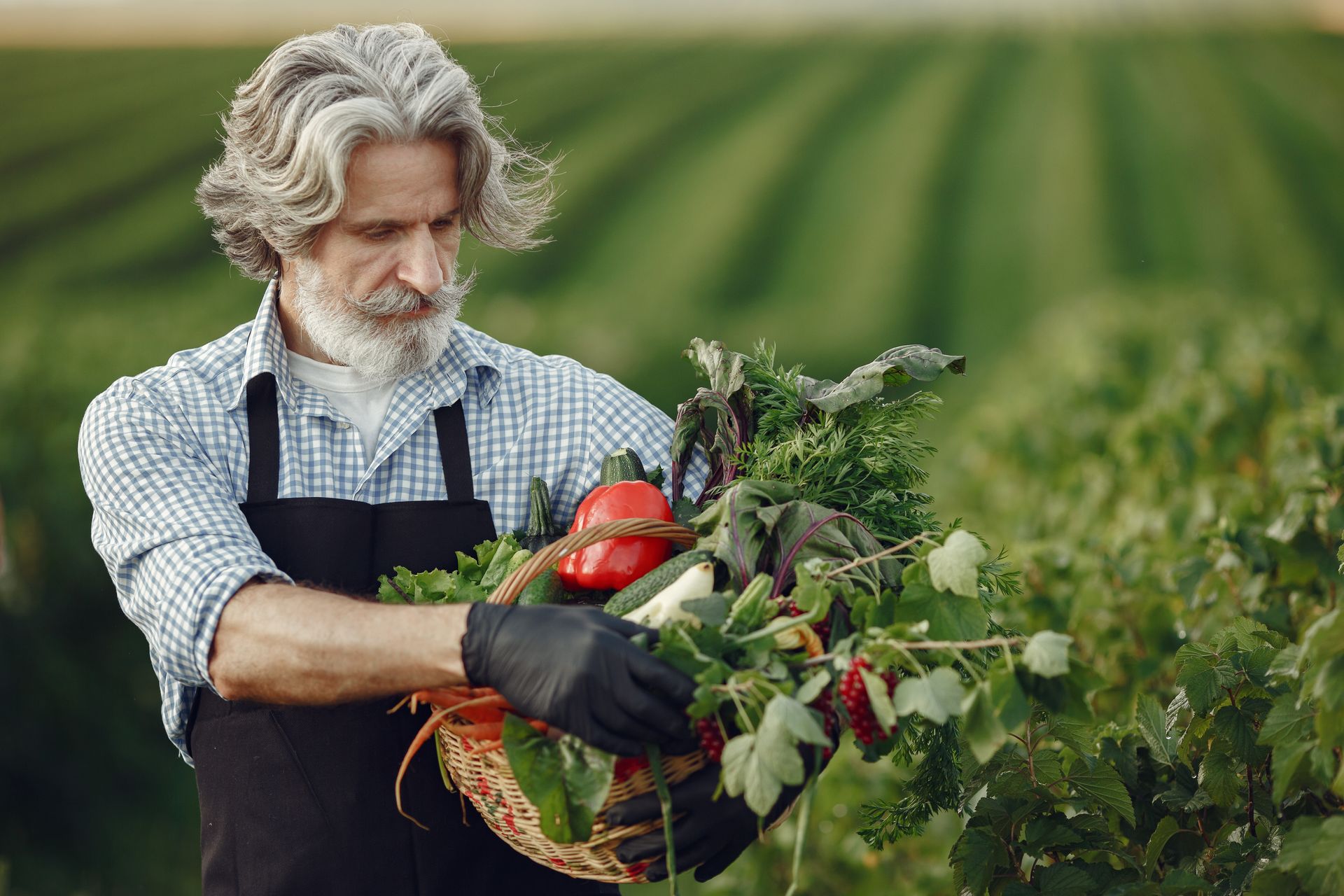
Direct farm buying gives consumers an opportunity to purchase food closer to its source while supporting the people who produce it. Instead of relying entirely on several intermediaries, shoppers can connect with farmers through farm stands, farmers’ markets, community programs, and direct delivery services. As a result, buyers may enjoy fresher products while farmers gain a more direct relationship with their customers. This approach can benefit individuals, agricultural businesses, and local communities.
Access to Fresher Produce
One of the biggest advantages of direct farm buying is the potential for fresher food. Farmers can often harvest fruits, vegetables, herbs, and other products shortly before selling them.
Shorter journeys between the farm and consumer can reduce the amount of time produce spends in transportation or storage. Consequently, shoppers may receive products with better freshness, texture, and flavor.
Freshness can be especially valuable for delicate products such as leafy greens, berries, tomatoes, and herbs, which may lose quality quickly after harvest.
Support Local Farmers
Buying directly gives farmers a larger opportunity to benefit from the value of their work. Traditional supply chains can involve wholesalers, distributors, retailers, and other intermediaries. Each step may add costs before a product reaches the consumer.
When customers purchase directly, farmers can potentially retain a greater portion of the final selling price. This additional income can help them purchase better equipment, improve production methods, hire workers, or invest in future crops.
Strengthen Small Agricultural Businesses
Small farms often operate with limited resources. Consistent direct sales can provide a valuable source of revenue and help farmers build stronger relationships with their customers.
For many growers, repeat customers are particularly important because they provide more predictable demand throughout the season.
Build Stronger Community Connections
Direct purchasing creates opportunities for consumers to learn more about agriculture. Customers can speak with farmers, ask questions, and discover how food is grown, harvested, and prepared for sale.
This connection can make people more aware of the effort involved in producing food. Furthermore, local markets can become places where farmers and residents interact regularly.
Strong relationships between consumers and producers can contribute to a more connected local food community.
Greater Transparency About Production
When shoppers buy directly from farmers, they can ask specific questions about farming practices. For example, customers may want to know how crops are fertilized, how livestock are raised, or how products are harvested and handled.
Farmers can explain their methods directly instead of relying on information printed on a distant supply chain’s packaging.
However, consumers should still ask thoughtful questions and avoid assuming that every direct seller follows the same practices. Transparency works best when both sides communicate openly.
Discover Seasonal Foods
Buying directly from farmers can encourage consumers to eat according to the agricultural season. Farmers typically offer products when they are naturally available in their region.
Seasonal purchasing can introduce shoppers to varieties they might not normally see in supermarkets. It can also encourage consumers to plan meals around what farmers are currently harvesting.
Try New Varieties
Local growers may produce heirloom vegetables, unusual fruits, specialty herbs, or regionally adapted crops that larger retailers do not regularly stock.
Trying these products can make cooking more interesting while giving farmers an opportunity to test and market diverse crops.
Reduce Some Supply-Chain Steps
Direct farm buying can shorten the journey between producer and consumer. Fewer stages may mean less handling, repackaging, and storage before food reaches the customer.
However, the environmental impact depends on several factors, including transportation distance, farming practices, packaging, and how efficiently goods are delivered.
For this reason, consumers should consider the entire purchasing system rather than assuming that every local product automatically has a lower environmental impact.

Help Farmers Understand Customer Needs
Direct sales create a valuable feedback loop. Farmers can hear what customers like, what they would purchase again, and which products they cannot easily find elsewhere.
This information can influence future planting and production decisions.
For example, if customers consistently request a particular vegetable variety, a farmer may consider growing more of it during the next season. Therefore, direct purchasing can shape what farmers choose to produce.
Encourage Local Economic Activity
Money spent with local farmers can contribute to the surrounding agricultural economy. Farmers may use their earnings to purchase supplies, hire local workers, maintain equipment, or pay for transportation and other services.
As a result, a single purchase can support several parts of the local economy.
Farmers’ markets and farm shops can also attract visitors and create opportunities for other small businesses, including food vendors, artisans, and service providers.
Make Informed Purchasing Choices
Although direct farm buying offers many benefits, shoppers should still compare quality, prices, convenience, and availability.
Before purchasing, consider:
-
The freshness and quality of the product
-
The farmer’s production practices
-
The price compared with other options
-
How the product was transported
-
Packaging and storage methods
-
The farm’s reliability and reputation
Building a relationship with trusted farmers can make future purchases easier and more rewarding.
A Better Connection Between Food and People
Ultimately, direct farm buying creates a closer connection between consumers and the people who produce their food. Customers can enjoy fresh seasonal products while farmers gain opportunities to strengthen their businesses and understand their markets.
The benefits extend beyond individual transactions. Direct purchasing can encourage agricultural entrepreneurship, support local economies, improve communication, and increase awareness of how food reaches the table.
By choosing to purchase directly when practical, consumers can become active participants in their local food system while giving farmers another valuable route to reach the people they serve.