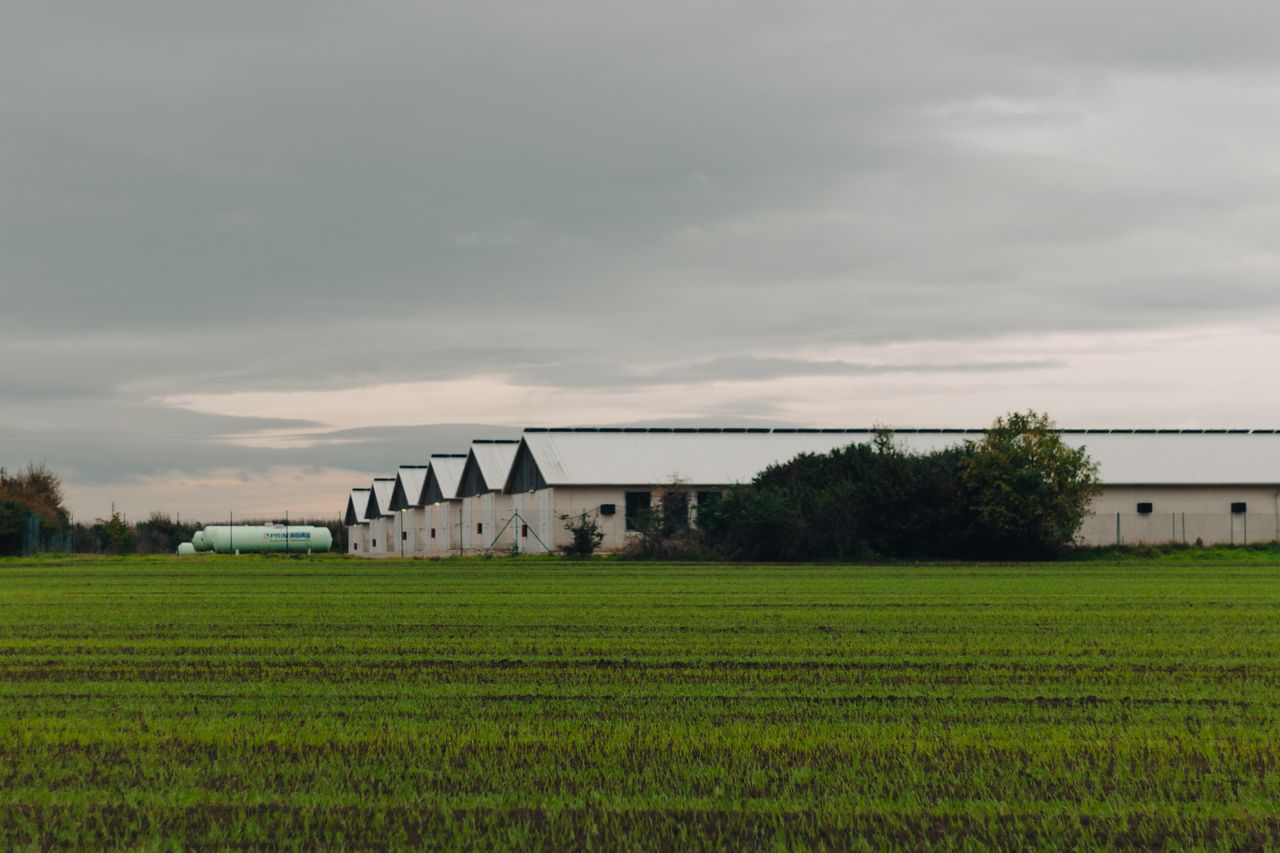
Building a sustainable farm means producing food efficiently while protecting the natural resources that farming depends on. Healthy soil, clean water, biodiversity, and responsible resource management all contribute to long-term agricultural success.
A sustainable farm does not need to adopt every new technique at once. Instead, farmers can identify their biggest challenges and gradually introduce practices that improve efficiency, reduce waste, and protect the land.
Learning how to build a more sustainable farm starts with understanding your farm’s resources and creating a practical plan for long-term improvement.
Assess Your Farm’s Current Condition
Before making changes, evaluate your farm.
Look at soil health, water availability, crop yields, livestock management, energy use, waste, input costs, and biodiversity.
Identify areas where your farm uses excessive resources or experiences recurring problems.
For example, you might discover that soil erosion, inefficient irrigation, high fertilizer costs, or declining crop diversity presents the greatest challenge.
Once you understand these issues, you can prioritize improvements instead of changing everything at once.
Focus on Soil Health
Healthy soil supports productive crops and helps farms remain resilient.
Avoid unnecessary soil disturbance and protect exposed soil whenever possible.
Use suitable practices such as cover crops, crop rotation, mulching, compost, and other methods that support soil structure and organic matter.
Where practical, use soil testing to understand nutrient levels and pH.
Then, apply amendments and fertilizers according to actual soil and crop requirements.
Healthy soil can improve water retention and nutrient availability while reducing erosion risks.
Improve Water Management
Water is one of the most important resources on any farm.
Inspect irrigation systems regularly for leaks, damaged equipment, and inefficient application.
Use irrigation methods that suit your crops, soil, climate, and farm layout.
Monitor soil moisture and weather conditions before irrigating rather than applying water automatically.
Furthermore, healthy soil and organic matter can help retain moisture and reduce unnecessary irrigation.
Where appropriate and legally permitted, farmers can also explore rainwater collection and storage for suitable agricultural uses.
Use Crop Rotation
Crop rotation can help diversify production and support soil health.
Instead of growing the same crop repeatedly in the same field, rotate crops from different plant families and with different nutrient requirements.
Including suitable legumes in a rotation can contribute nitrogen through biological processes.
Rotation can also help disrupt certain pest and disease cycles.
Design your rotation around your climate, soil, crops, market requirements, and available equipment.
Grow Cover Crops
Cover crops can protect soil during periods when fields would otherwise remain bare.
Suitable grasses, legumes, and other crops can help reduce erosion, suppress certain weeds, add organic matter, and improve soil structure.
Select cover crops carefully because they must fit your climate, water availability, rotation schedule, and management system.
Plan how and when you will terminate or incorporate the cover crop before planting the next main crop.
Diversify Your Farm
Farm diversity can improve resilience.
Instead of relying entirely on one crop, consider whether your farm could support multiple crops, livestock, perennial plants, or other complementary activities.
Diversification can spread production risks and provide additional sources of income.
However, avoid adding enterprises simply for the sake of variety. Each new activity requires labor, equipment, knowledge, and investment.
Choose enterprises that fit your land and existing resources.
Manage Fertilizer Responsibly
Fertilizer can support crop growth, but excessive applications can waste money and contribute to nutrient losses.
Use soil tests, crop requirements, and farm records to guide nutrient management.
Apply nutrients at appropriate rates and times.
Where suitable, combine compost, crop residues, biological nutrient sources, and mineral fertilizers as part of an integrated nutrient-management strategy.
Good nutrient management helps crops receive what they need while reducing unnecessary losses.
Reduce Chemical Dependence Through IPM
Integrated pest management can help farmers manage pests more strategically.
Start by monitoring crops and identifying pests accurately.
Then consider appropriate preventive and control measures, including crop rotation, resistant varieties, sanitation, physical barriers, and biological controls.
Use pesticides when appropriate and follow product labels, safety requirements, and local regulations.
Avoid routine applications that do not address an identified pest problem.
Protect Biodiversity
Biodiversity can contribute to a healthier agricultural environment.
Where practical, maintain suitable trees, hedgerows, flowering plants, buffer areas, and other habitat around or within the farm.
These areas can provide resources for pollinators and beneficial organisms.
However, manage vegetation carefully so it does not interfere with farm operations or create unwanted pest problems.
A balanced approach can support both biodiversity and agricultural productivity.

Manage Livestock Carefully
If your farm keeps livestock, sustainable management should include animal welfare, pasture health, feed efficiency, and responsible manure management.
Provide animals with adequate food, clean water, shelter, and appropriate veterinary care.
Avoid overgrazing pastures because excessive grazing can damage vegetation and increase erosion.
Where suitable, rotational grazing can help manage pasture use and allow vegetation time to recover.
Manage manure carefully so nutrients can be reused without creating pollution risks.
Reduce and Reuse Farm Waste
Look for ways to turn farm by-products into useful resources.
Crop residues may be suitable for composting, mulching, livestock feed, or other uses depending on the material.
Organic waste can sometimes become valuable soil amendments after proper processing.
Maintain equipment properly to reduce breakdowns and unnecessary replacement.
Additionally, purchase supplies carefully and store them properly to prevent waste.
Consider Renewable Energy
Renewable energy may help some farms reduce reliance on conventional energy sources.
Solar systems, for example, can support suitable applications such as water pumping, lighting, refrigeration, or other electrical needs.
Before investing, compare installation costs, maintenance, expected energy production, and the payback period.
Energy efficiency should come first. Reducing unnecessary energy use can often provide benefits before installing new generation systems.
Keep Accurate Farm Records
Good records help you measure whether sustainability improvements actually work.
Track crop yields, fertilizer use, irrigation, energy consumption, input costs, livestock performance, and waste.
Compare results from season to season.
For example, you may discover that improving soil health reduces irrigation requirements or that a particular crop rotation improves yields.
Use this information to guide future decisions.
Set Realistic Sustainability Goals
Sustainability is a long-term process.
Choose a few measurable goals rather than attempting a complete transformation immediately.
You might aim to reduce irrigation use, improve soil organic matter, lower fertilizer costs, increase crop diversity, or reduce farm waste.
Review your progress regularly and adjust your practices when results do not meet expectations.
Small improvements can become significant when you maintain them over several seasons.
Final Thoughts
Learning how to build a more sustainable farm involves protecting resources while maintaining productive and financially practical agricultural operations.
Start by assessing your farm and identifying its biggest challenges. Then focus on soil health, efficient water use, crop rotation, biodiversity, responsible nutrient management, waste reduction, and appropriate energy use.
Most importantly, choose practices that fit your farm rather than copying another operation exactly. Sustainable farming works best when farmers monitor results, learn from experience, and make gradual improvements that benefit both today’s production and future generations.