A productive homestead garden can provide fresh vegetables, herbs, fruits, and other useful foods while helping you become more self-reliant. However, productivity does not simply come from planting more crops. A successful garden requires careful planning, healthy soil, efficient use of space, and consistent care.
Whether you have a large rural property or a modest backyard, you can create a productive garden by working with your available resources and growing conditions.
Learning how to build a productive homestead garden starts with understanding your land and choosing a system that you can maintain throughout the growing season.
Choose the Right Garden Location
Start by observing your property.
Identify areas that receive plenty of sunlight throughout the day. Most food crops need adequate sunlight to produce strong growth and good harvests.
Also examine drainage, soil condition, wind exposure, and access to water.
Choose a location that you can reach easily. Convenient access makes regular watering, weeding, harvesting, and pest monitoring much easier.
Plan Your Garden Layout
Good planning allows you to make better use of available space.
Draw a simple garden map before planting. Mark pathways, beds, water sources, structures, and areas that receive different amounts of sunlight.
Place taller crops where they will not unnecessarily shade shorter plants.
Leave enough room between beds to move comfortably and perform routine maintenance.
A practical layout can save time throughout the season.
Test and Improve Your Soil
Healthy soil provides the foundation for productive crops.
If possible, test your soil before making major changes. A soil test can provide information about pH and nutrient levels.
Add suitable organic matter when needed to improve soil structure.
Compost can provide organic matter and nutrients when it has been properly produced and matured.
Avoid adding excessive fertilizer or amendments without understanding your soil requirements.
Choose Crops That Match Your Climate
A productive garden depends heavily on choosing suitable crops.
Research which vegetables, herbs, fruits, and other plants perform well in your local climate and growing season.
Consider your household’s preferences as well.
There is little benefit in growing large quantities of food that your family rarely eats.
Start with reliable crops and introduce less familiar varieties gradually.
Grow Food in Different Ways
Use a combination of growing methods when appropriate.
Traditional garden beds can provide the main production area, while containers can use smaller spaces.
Raised beds may help organize certain gardens, while trellises allow climbing crops to grow vertically.
Combining these approaches can help you produce more food without simply expanding the garden footprint.
Use Vertical Space
Vertical gardening can make a significant difference on a small homestead.
Crops such as beans, peas, cucumbers, and some tomatoes can grow upward with suitable support.
Install strong trellises or other structures before plants become large.
Position vertical crops carefully so they do not block sunlight from other plants.
Practice Crop Rotation
Growing the same type of crop in the same location repeatedly can increase certain pest and disease pressures and may affect soil nutrient use.
Crop rotation involves changing where plant families grow from season to season.
Group crops according to their plant families and create a simple rotation plan.
Even a basic rotation can help diversify your garden system.

Use Succession Planting
Succession planting helps you maintain production throughout the growing season.
Instead of planting all of a quick-growing crop at once, plant smaller quantities at intervals when local conditions allow.
As one planting approaches harvest, another can continue developing.
This approach can provide a more consistent supply of fresh food and prevent large amounts of produce from becoming ready simultaneously.
Improve Water Efficiency
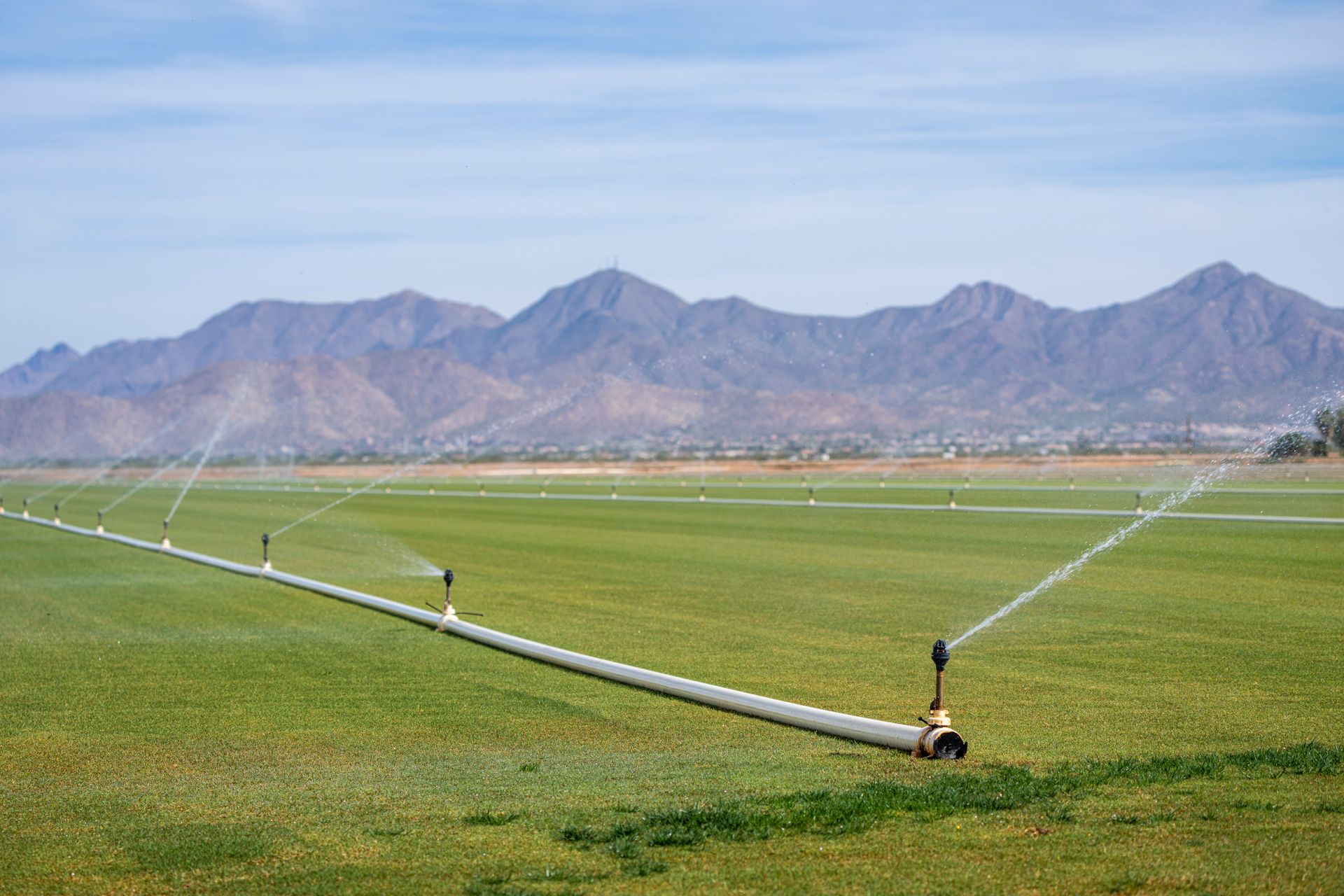
A productive garden needs reliable water.
However, efficient watering can reduce waste and make maintenance easier.
Water according to crop needs, soil moisture, and weather conditions.
Mulching can reduce evaporation and help maintain more consistent soil moisture.
Group plants with similar water requirements together so you can manage irrigation more efficiently.
Control Weeds Early
Weeds compete with crops for sunlight, water, nutrients, and growing space.
Inspect garden beds regularly and remove weeds while they remain small.
Mulching can reduce weed growth and protect the soil surface.
Do not allow weeds to become deeply established around young crops because they can quickly reduce plant performance.
Monitor Pests and Diseases
Regular observation helps you catch problems early.
Inspect leaves, stems, flowers, and fruit for signs of insects, disease, or damage.
Identify the cause before applying a treatment.
Depending on the problem, suitable approaches may include physical barriers, crop rotation, sanitation, resistant varieties, hand removal, or other appropriate methods.
Avoid using pesticides unnecessarily or without identifying the pest correctly.
Feed Plants According to Their Needs
Plants require nutrients, but every crop has different requirements.
Use soil-test results and crop recommendations to determine whether additional nutrients are necessary.
Compost and other suitable organic materials can support soil health.
If you use commercial fertilizers, follow the product instructions carefully.
Applying more fertilizer than necessary does not guarantee larger harvests and can damage plants or contribute to nutrient runoff.
Attract Helpful Pollinators
Many food crops benefit from pollinating insects.
Consider including suitable flowering plants that provide resources for bees, butterflies, and other beneficial insects.
Avoid unnecessary disturbance of beneficial insects and use pest-management methods carefully.
A diverse garden can provide habitat and food resources for a wider range of organisms.
Harvest Regularly
Harvesting at the right time helps you get the most value from your garden.
Some vegetables produce more when you harvest them regularly.
Check crops frequently during peak production because mature produce can change quickly.
Handle harvested food carefully to reduce bruising and damage.
Then, store or preserve it according to its needs.
Preserve Surplus Produce
A productive garden can sometimes produce more food than your household can eat immediately.
Plan ahead for periods of abundance.
Depending on the crop, you may use freezing, drying, fermentation, or tested pickling and canning methods.
Always follow reliable food-safety instructions when preserving food.
Preservation allows you to extend the value of your garden beyond the main harvest season.
Keep Detailed Garden Records
Record what you plant, when you plant it, how much you harvest, and which problems occur.
Also note weather conditions, varieties, watering methods, and other useful observations.
These records can help you identify your most productive crops.
After several seasons, you will have a personalized guide to what performs best on your property.
Expand Gradually
Do not try to create a massive homestead garden immediately.
Start with a manageable area and learn how much time it requires.
Once you can maintain the garden comfortably, expand into additional beds, fruit trees, containers, or other projects.
Gradual growth helps prevent burnout and allows you to improve your methods before taking on more responsibility.
Final Thoughts
Learning how to build a productive homestead garden requires more than planting a large number of crops. Start with a suitable location, healthy soil, appropriate crops, and an efficient garden layout.
Use vertical space, succession planting, crop rotation, and responsible water management to improve productivity. Monitor plants regularly, harvest on time, and preserve surplus food safely.
Most importantly, focus on a garden that fits your lifestyle and available resources. With careful planning and consistent care, even a modest homestead garden can provide a valuable supply of fresh food while helping you build practical self-sufficiency skills.