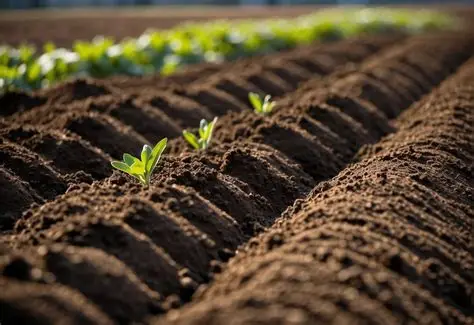
Healthy farm soil provides the foundation for productive crops, strong root systems, and reliable harvests. However, good soil does not happen overnight. Farmers need to improve fertility, protect soil structure, manage moisture, and encourage beneficial biological activity over time. Fortunately, you can build better soil through practical methods that work together. By understanding what your soil needs and applying sustainable practices consistently, you can create a growing environment that supports crops season after season.
Start With a Soil Test
Before adding fertilizer, compost, or other amendments, learn what your soil actually needs. A soil test can provide useful information about pH and nutrient levels, helping you avoid unnecessary applications.
Collect samples from representative areas of the field rather than relying on one small spot. If different sections have noticeably different soil types or crop performance, consider testing them separately.
Once you receive the results, use the recommendations to guide your management decisions. This approach can save money and prevent excessive nutrients from accumulating in the soil.
Add Organic Matter
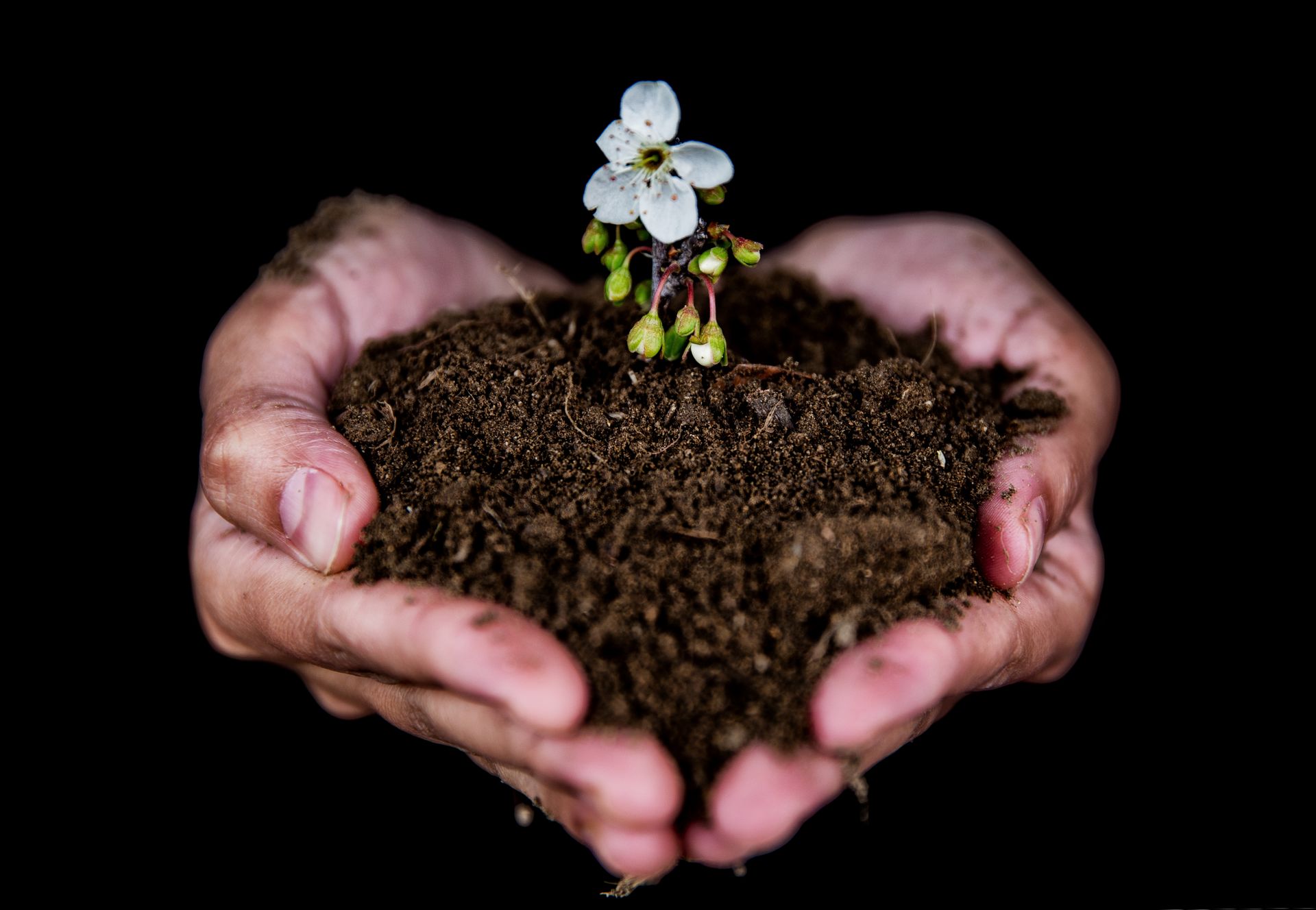
Organic matter plays an important role in healthy farm soil because it can improve structure, moisture retention, and biological activity. Compost, well-managed manure, plant residues, and suitable organic materials can contribute to soil health.
However, use organic amendments carefully. Ensure manure and compost are properly managed and suitable for the intended agricultural use. Poorly handled materials can introduce weed seeds, pathogens, or other problems.
Rather than adding large amounts without a plan, apply appropriate materials according to soil conditions and crop requirements.
Make Compost When Practical
Composting can turn suitable organic materials into a useful soil amendment. Farm residues, leaves, and certain plant materials can be combined under controlled conditions to produce mature compost.
A well-managed compost pile needs an appropriate balance of materials, moisture, oxygen, and time. Turn the pile when necessary and allow it to decompose fully before using it.
Compost should have a stable, earthy appearance and smell rather than an unpleasant odor.
Keep Soil Covered
Bare soil is vulnerable to erosion, moisture loss, temperature fluctuations, and weed pressure. Cover crops provide one effective way to protect fields between major crop cycles.
Depending on local conditions, farmers may use grasses, legumes, or other suitable cover crops. These plants can help hold soil in place and contribute organic residues when managed appropriately.
Mulching can provide another option, particularly in smaller growing areas. Organic mulch can help reduce evaporation and moderate soil temperatures while gradually contributing organic matter as it breaks down.
Practice Crop Rotation
Planting the same crop repeatedly in the same location can contribute to pest, disease, and nutrient-management problems. Crop rotation changes what grows in each field from one season to another.
For example, farmers can alternate crops with different nutrient requirements and rooting patterns. Including suitable legumes may also contribute nitrogen to the farming system, although the actual benefit depends on the crop, species, and management practices.
A well-planned rotation can improve healthy farm soil while reducing pressure from certain pests and diseases.
Keep records of which crops occupy each field so that you can plan future rotations more effectively.
Reduce Unnecessary Soil Disturbance
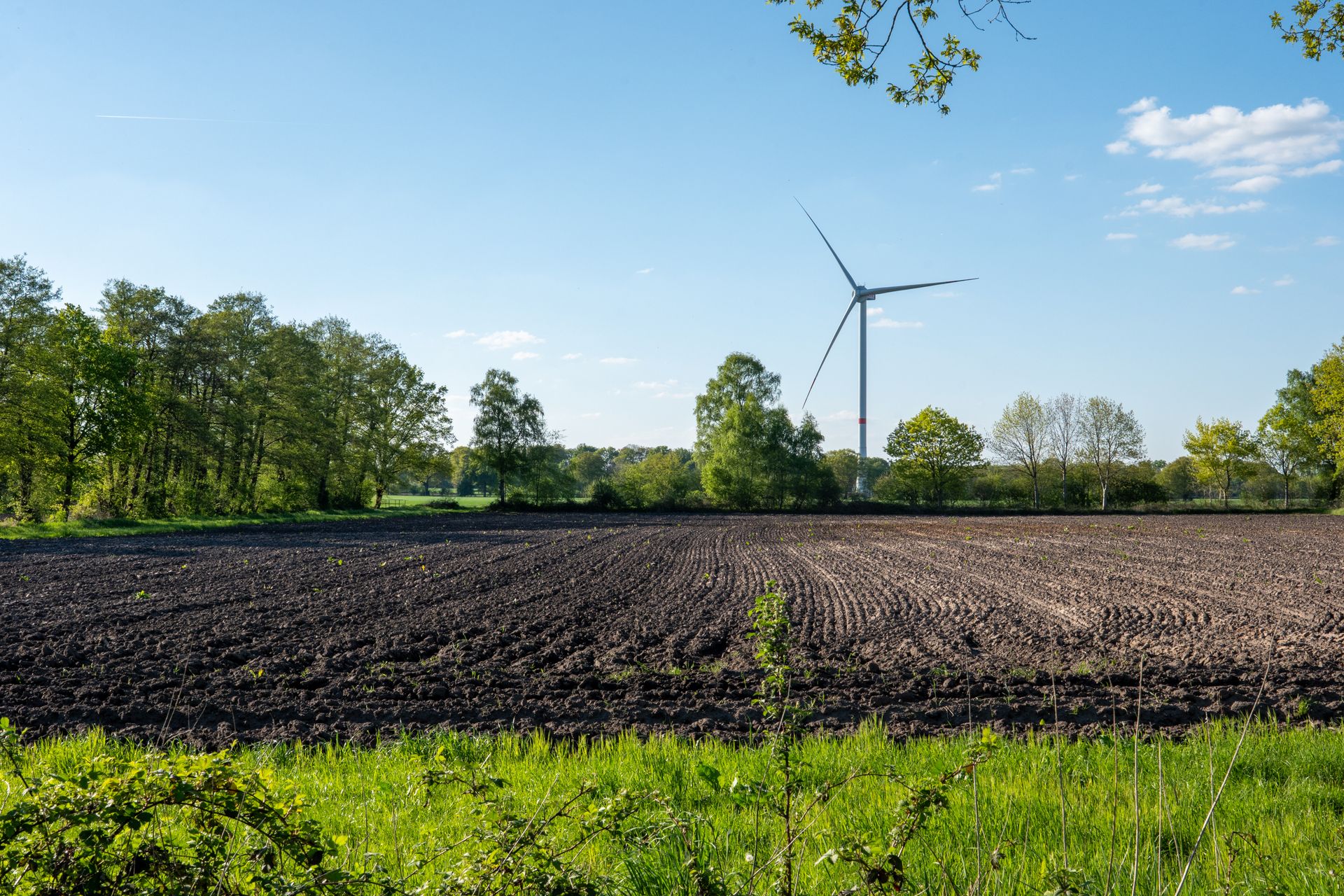
Tillage can prepare land for planting, but excessive disturbance can damage soil structure and increase erosion. Therefore, farmers should consider whether every tillage operation is necessary.
Reduced-tillage or conservation approaches may help preserve soil structure and organic matter in suitable farming systems. The best method depends on soil type, climate, crop, available equipment, and weed pressure.
Avoid adopting a technique simply because it works elsewhere. Instead, evaluate how it fits your specific conditions and make gradual changes where appropriate.
Manage Water Carefully
Water management has a direct effect on soil health. Poor drainage can leave roots without sufficient oxygen, while prolonged dryness can reduce plant growth and biological activity.
Inspect fields after heavy rainfall to identify areas where water collects. If drainage problems persist, investigate practical solutions rather than simply increasing irrigation.
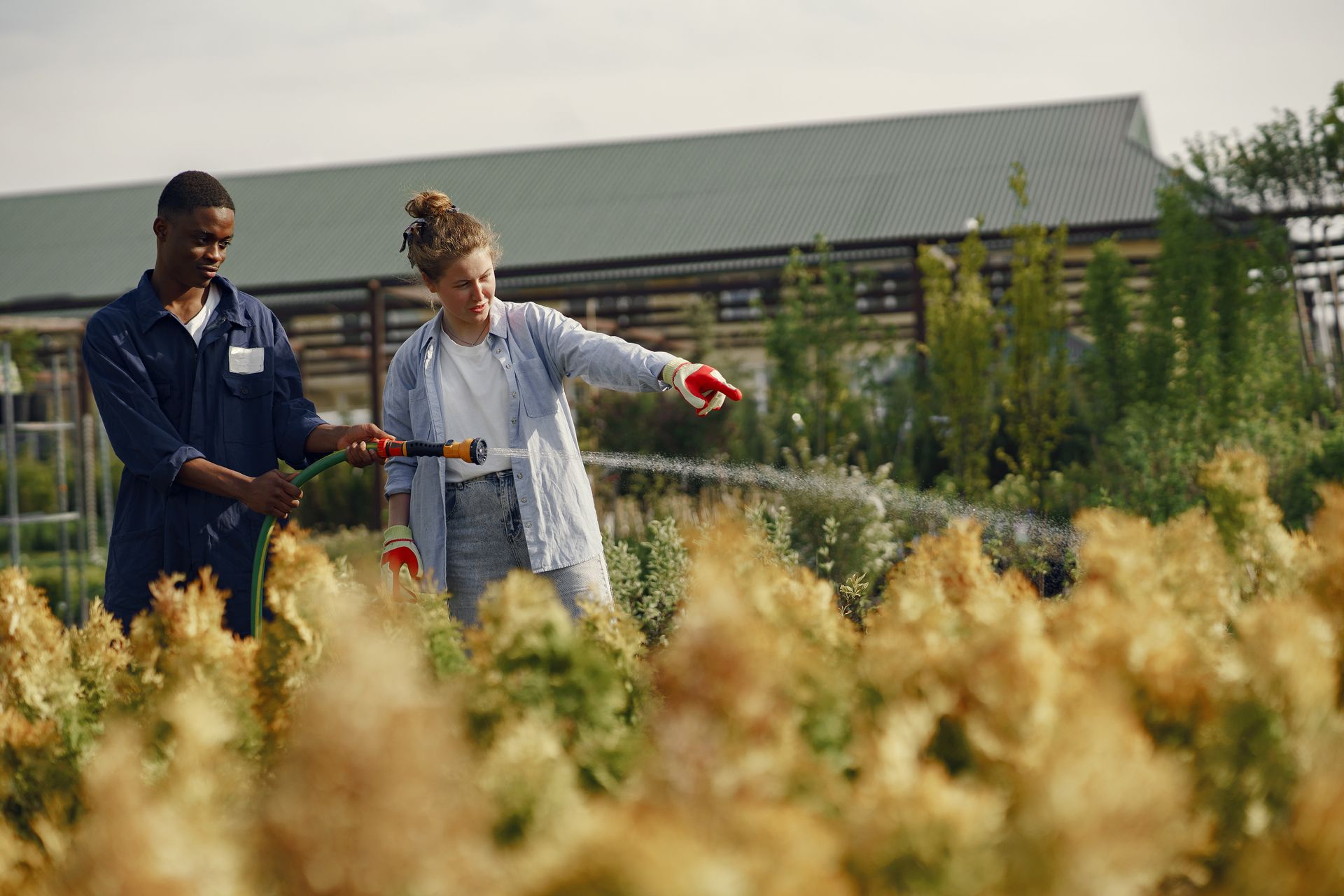
Likewise, avoid watering automatically when plants do not need it. Monitor soil moisture and crop conditions so that irrigation provides sufficient water without unnecessary waste.

Encourage Beneficial Soil Life
Soil contains a diverse community of microorganisms, insects, worms, and other organisms that contribute to nutrient cycling and decomposition. Supporting this biological community can improve the overall functioning of the soil.
Adding suitable organic matter, maintaining living roots, and reducing unnecessary disturbance can create more favorable conditions for soil organisms.
Avoid applying agricultural products unnecessarily. Follow product labels and professional recommendations, particularly when treatments could affect beneficial organisms.
Prevent Erosion
Erosion can remove valuable topsoil and reduce long-term productivity. Wind and water can carry away fine particles, organic matter, and nutrients when fields remain exposed.
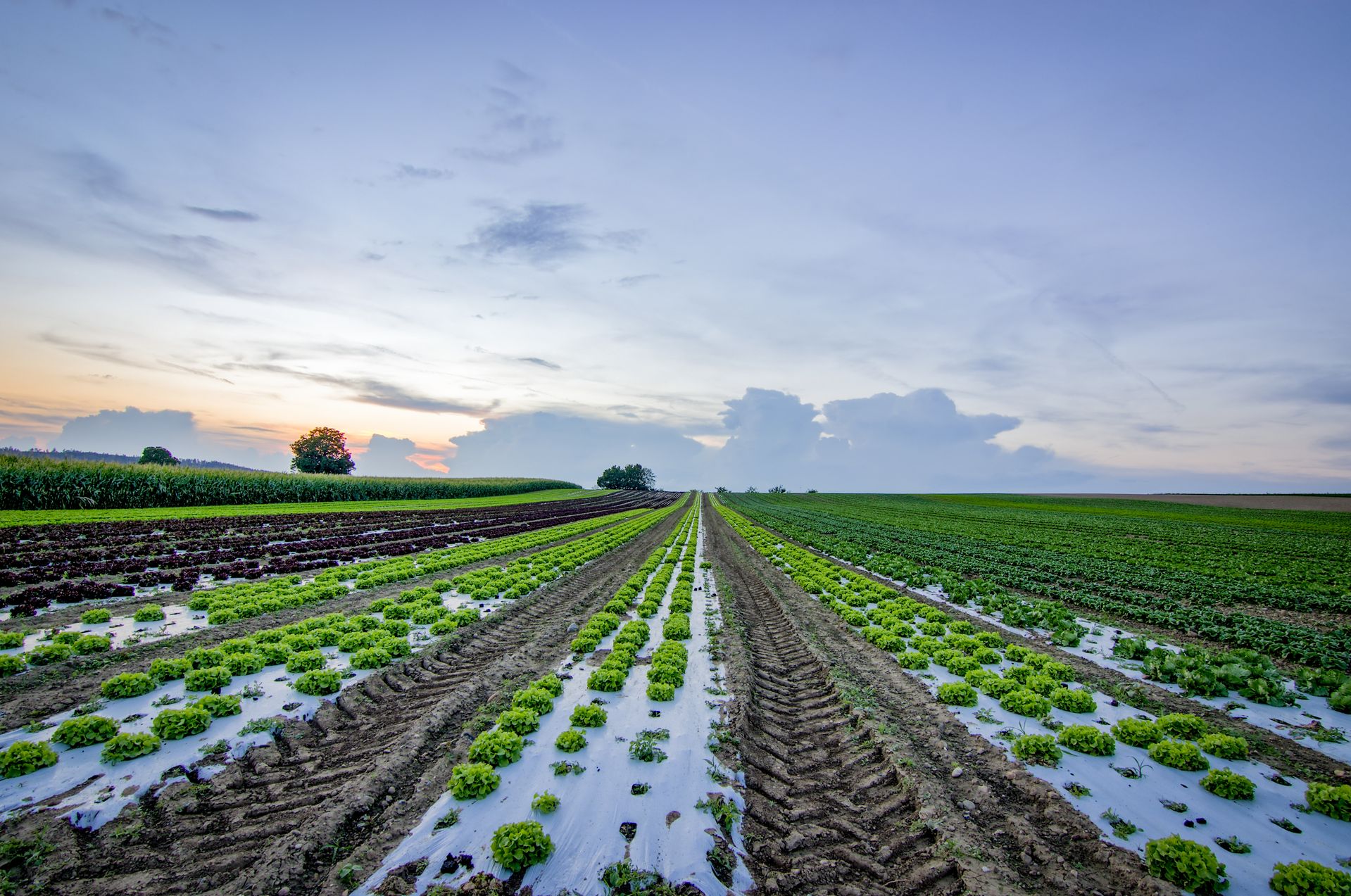
Farmers can reduce erosion by maintaining vegetation, using appropriate cover crops, planting along suitable contours, maintaining ground cover, and protecting vulnerable areas.
The best erosion-control strategy depends on the landscape. Sloping fields may require different measures from flat farmland, so observe how water and wind move across your property.
Monitor Progress Over Time
Building healthy farm soil requires patience. Improvements may take multiple growing seasons, so farmers should monitor changes rather than expecting immediate results.
Record soil-test results, crop yields, organic amendments, crop rotations, and major management changes. Compare results over time to determine which practices are producing meaningful improvements.
You can also observe practical indicators such as water infiltration, soil structure, crop vigor, and erosion levels. These observations should complement, rather than replace, proper soil testing.
Build a Long-Term Soil Strategy
Good soil management works best when farmers combine several practices instead of relying on a single solution. Soil testing identifies needs, organic matter supports structure, cover crops protect the surface, rotation diversifies production, and careful water management supports plant growth.
Most importantly, avoid trying to change everything at once. Choose a few improvements that match your farm’s resources and conditions, then evaluate the results.
Ultimately, healthy farm soil is an investment in future harvests. By protecting the soil from erosion, maintaining organic matter, managing nutrients carefully, and encouraging biological activity, farmers can create more resilient growing systems. With consistent observation and thoughtful management, today’s soil improvements can support productive fields for many seasons to come.