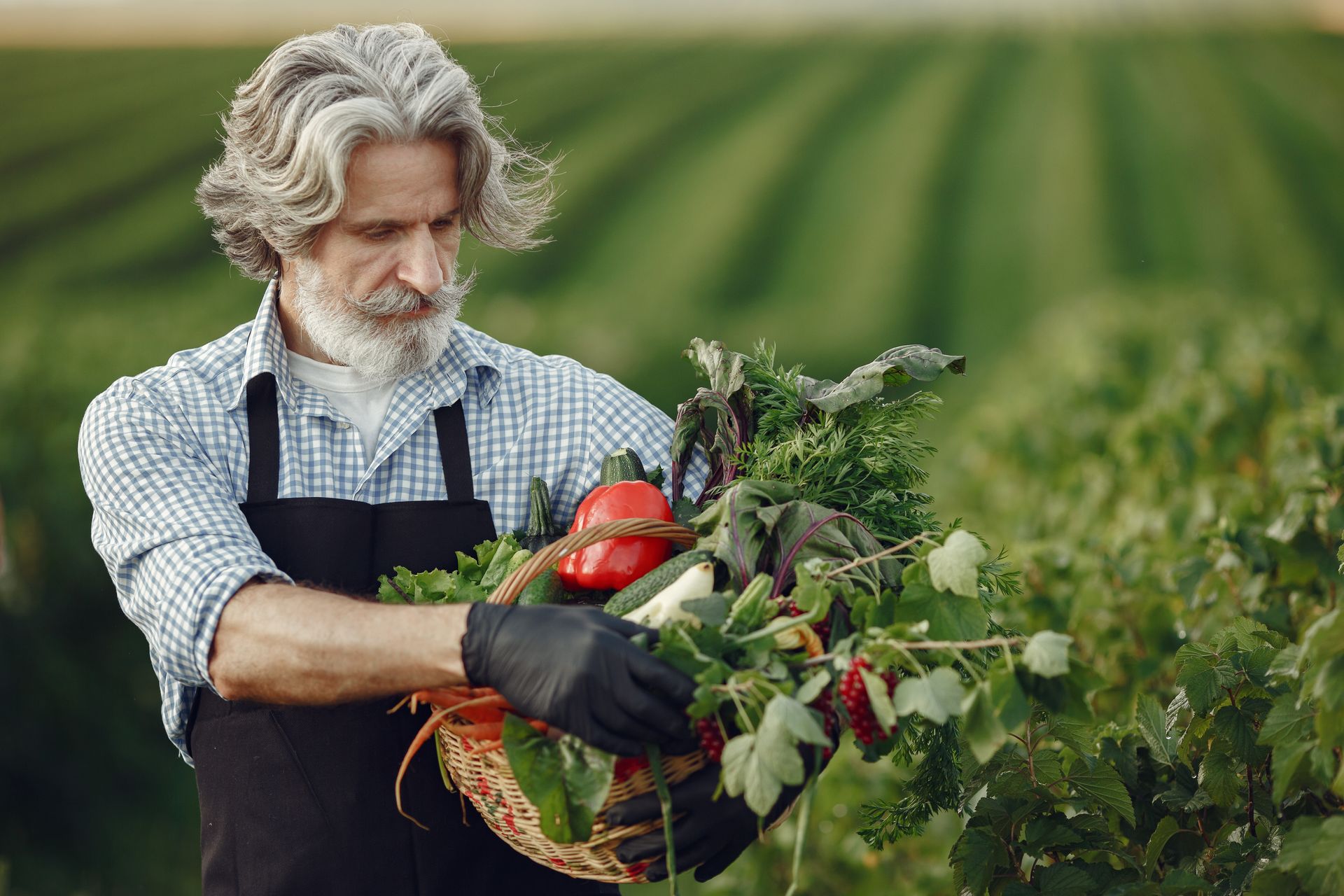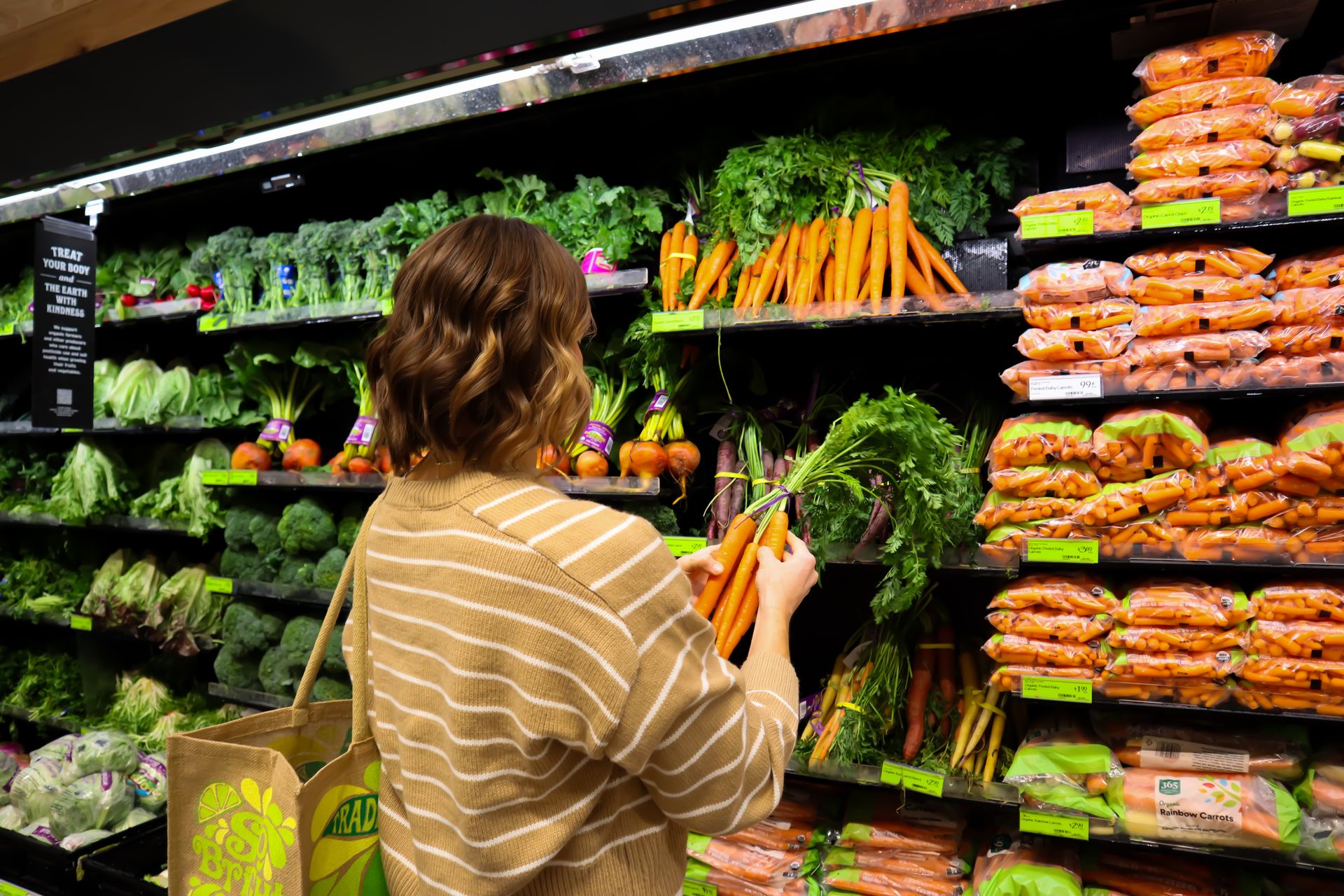
Fresh farm produce can provide great taste, useful nutrients, and better quality meals, but knowing what to look for can make shopping easier. Fruits, vegetables, herbs, and other farm products can vary in quality depending on when they were harvested, how they were handled, and how they were stored. In this article, we discuss how to choose fresh farm produce using simple checks that anyone can follow. Looking at color, texture, smell, firmness, and overall appearance can help you avoid damaged products and choose items that are ready to eat or suitable for storage.
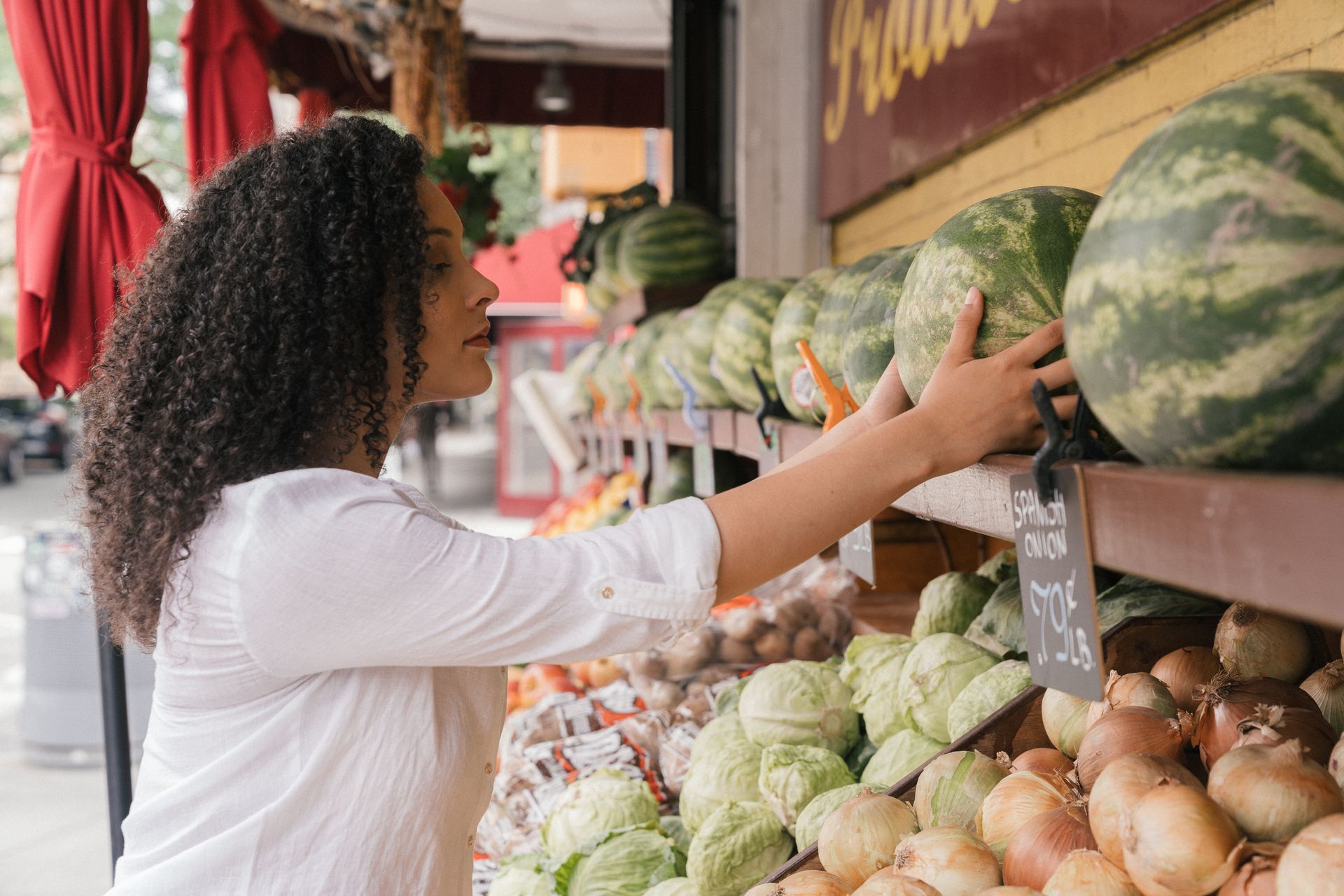
Check The Overall Appearance
The appearance of produce can provide useful clues about its freshness. Look for fruits and vegetables that have a natural color and a healthy appearance. Avoid items with large bruises, deep cuts, mold, or signs of decay. However, small marks do not always mean the produce is poor quality. Some naturally grown products may have unusual shapes or minor surface marks while still being fresh and safe to use. Focus on the overall condition rather than expecting every item to look perfect.
Feel The Texture And Firmness
Texture is another useful way to judge freshness. Many fresh vegetables should feel firm and crisp when gently touched. Leafy greens should look fresh rather than weak or heavily wilted. Fruits vary more because some are naturally soft when ripe. Gently press suitable fruits to check their firmness without squeezing them too hard. Avoid produce that feels unusually soft, slimy, or damaged because these signs may indicate that it is past its best condition.
Smell The Produce
Smell can help you identify fresh produce, especially fruits and certain vegetables. Fresh items often have a natural and pleasant smell. Strong sour, fermented, or unpleasant odors may indicate spoilage. However, not every fresh vegetable has a noticeable smell, so use this check together with appearance and texture. When buying produce from a farm or market, a clean and fresh smell can provide another useful clue about its condition.
Look For Seasonal Produce
Seasonal produce is often a good choice because it is harvested when local growing conditions are suitable. Farmers may have more of these products available during their natural growing periods. Seasonal items can also offer good quality and variety. Ask farmers or market sellers which fruits and vegetables are currently in season. Trying seasonal products can help you discover new foods while supporting local farmers.
Ask When The Produce Was Harvested
When buying directly from farmers, ask when the produce was harvested. Some fruits and vegetables can remain fresh for a reasonable period when stored correctly, while others lose quality quickly after harvest. Knowing the harvest date can help you decide which products to eat first and which ones can be stored for later. This question can also help you understand how fresh the product is compared with items that have spent more time in transportation or storage.
Check Leafy Greens Carefully
Leafy vegetables can lose moisture quickly, so they need careful inspection. Look for leaves that are firm, bright, and free from excessive wilting. Avoid bunches with slimy areas, strong unpleasant smells, or widespread yellowing. A small amount of natural variation is normal, but large areas of damage may indicate that the produce is no longer fresh. Keep leafy greens cool after buying them and use them relatively soon for the best quality.
Examine Fruits For Damage
When choosing fruits, check the skin for bruises, cuts, mold, and leaking areas. Some fruits should feel firm, while others are naturally softer when ripe. Learn the normal appearance and texture of each type of fruit you buy. For example, a ripe fruit may have a pleasant smell and slight softness, while an unripe fruit may be much firmer. Choose based on when you plan to eat it rather than buying everything at the same stage of ripeness.
Consider The Source
Where you buy produce can also affect its freshness. Farmers’ markets, farm shops, community markets, and trusted local sellers may provide opportunities to learn more about where products come from. When buying directly from farmers, you can often ask questions about harvest times, growing methods, and storage. This information can help you make better choices and understand how the produce was handled before reaching you.
Buy The Amount You Can Use
Buying too much fresh produce can lead to waste. Before shopping, think about how much your household can reasonably eat or store. Choose smaller quantities when an item has a short shelf life. For longer-lasting products, you may be able to buy more if you have suitable storage. Planning your purchases can help you enjoy fresher food while reducing unnecessary spending and waste.
Handle Produce Carefully
Fresh produce can be damaged by rough handling. Avoid squeezing fruits and vegetables repeatedly when choosing them. Place delicate items on top of heavier products when packing your shopping. At home, store each product according to its needs. Some items may need refrigeration, while others can be stored in a cool, dry, well-ventilated place. Proper handling after purchase can help preserve the quality you selected at the market.
Conclusion
Learning how to choose fresh farm produce can help you buy better-quality fruits, vegetables, and other farm products. Check appearance, texture, smell, firmness, and signs of damage before making your choice. Consider seasonal products, ask farmers about harvest dates, and buy amounts that your household can use. Proper handling and storage after purchase are also important because freshness can decline quickly. With a little attention, you can make better produce choices, reduce food waste, and enjoy fresher farm products.