

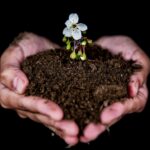




Good seeds are the starting point for a healthy and productive crop. Poor seeds can lead to weak plants, uneven growth, low harvests, and wasted money. In this article, we discuss how to choose quality farm seeds and make better decisions before planting. Farmers should consider seed quality, crop variety, growing conditions, storage, and supplier reputation. Although good seeds may cost more than poor-quality options, they can provide better value when they produce strong plants and reliable harvests.

Check Seed Quality Before Buying
Seed quality affects how well a crop starts and develops. High-quality seeds should be clean, healthy, and suitable for the crop you want to grow. Avoid packets that contain damaged, broken, moldy, or discolored seeds.
Check the package carefully before making a purchase. Look for important information such as the crop name, variety, production date, and recommended planting period.
You should also check:
-
Germination information
-
Seed lot details
-
Packaging condition
-
Expiry or test dates
-
Recommended growing conditions
-
Supplier information
Clear labeling makes it easier to understand what you are buying.
Choose Varieties For Your Local Climate
Not every seed variety performs well in every location. Temperature, rainfall, soil type, and growing season can affect plant growth.
Choose varieties that are known to perform well in your area. Local agricultural advisers, experienced farmers, and reputable seed suppliers can provide useful information.
For example, a variety that performs well in a cool climate may struggle in a hot area. Similarly, crops that require plenty of water may not be suitable for farms with limited irrigation.
Consider The Length Of The Growing Season
Your growing season should influence your choice. If your area has a short rainy season, choose varieties that can mature within that period.
Fast-maturing varieties can also help farmers harvest earlier and prepare the land for another crop. However, maturity time should not be the only factor. Yield, disease resistance, quality, and market demand also matter.
Buy From Reliable Suppliers
The seller you choose can affect the quality of the seeds you receive. Buy from established suppliers, registered businesses, agricultural stores, or trusted farming organizations where possible.
Avoid seeds sold in damaged packages or without clear information. Be careful when buying unusually cheap seeds, especially when the seller cannot explain their origin.
A reliable supplier should be able to provide basic information about the variety and its recommended use.
Look For Strong Germination
Germination refers to the ability of seeds to sprout and develop into healthy seedlings. A strong germination rate can reduce the number of empty spaces in your field.
Before planting a large area, consider testing a small sample. Place a known number of seeds in suitable conditions and count how many sprout.
For example, if 90 out of 100 seeds grow, the sample has a 90 percent germination rate. This simple test can give you useful information before you invest more money in planting.
Check For Disease And Pest Resistance
Some seed varieties are bred to resist certain diseases or tolerate common pests. These traits can be valuable, especially in areas where particular crop problems occur regularly.
However, resistance does not mean the plants will never develop problems. Good field management is still important. Proper spacing, clean tools, crop rotation, weed control, and careful monitoring can help protect the crop.
Match Seeds With Your Farm Goals
Think about what you want from the crop before selecting a variety. Some farmers focus on high yields, while others need crops with better taste, storage life, size, or appearance.
If you sell to a specific market, ask buyers what qualities they prefer. A variety that produces a high yield may not be useful if customers prefer a different size or type.
Store Unused Seeds Correctly
Even good seeds can lose quality when stored poorly. Keep unused seeds in a cool, dry, and clean location. Protect them from moisture, insects, direct sunlight, and extreme temperatures.
Keep seeds in their original packaging when possible. If you open a package and do not use everything, seal it properly before storage.
Avoid storing seeds directly on damp floors. A raised shelf or dry storage container can provide better protection.
Keep Records Of Seed Performance
Record the seed variety, supplier, planting date, germination results, weather conditions, and harvest results. These records can help you make better choices in future seasons.
If one variety performs well under your farm conditions, you can consider using it again. If another variety produces poor results, investigate the reason before purchasing it again.
Conclusion
Learning how to choose quality farm seeds can help farmers reduce waste and improve crop performance. Check the seed package, choose varieties suited to your climate, buy from reliable suppliers, and consider germination and disease resistance. Also, match the variety with your market and farm goals. With careful selection, proper storage, and good record-keeping, farmers can give their crops a stronger start and improve their chances of a successful harvest.