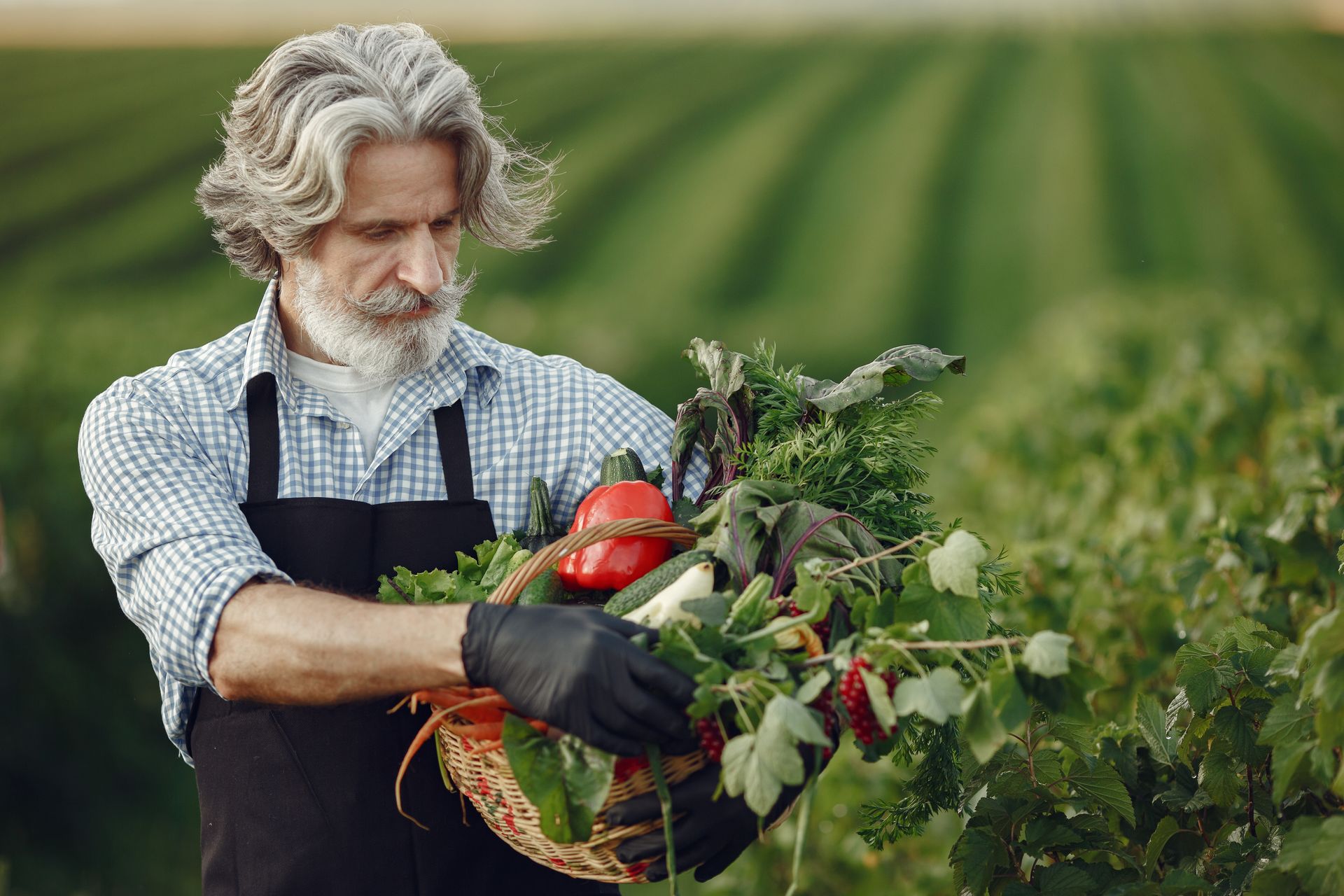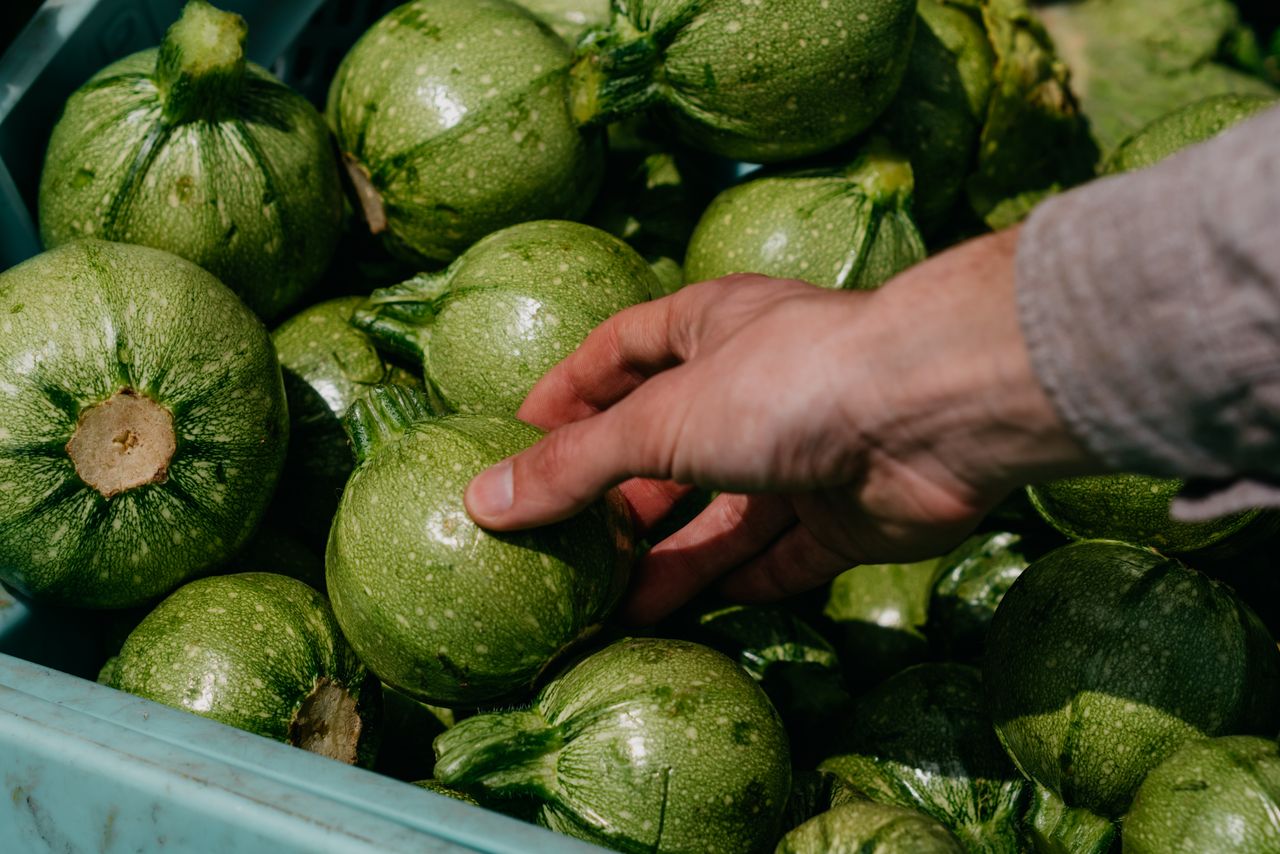
Fresh farm produce can add flavor, nutrition, and variety to everyday meals. However, not every fruit or vegetable at a market is equally fresh. Knowing what to look for can help you choose produce that tastes better, lasts longer, and provides better value for your money.
Whether you shop at a farmers market, farm stand, grocery store, or local produce market, learning how to choose the freshest farm produce can make every shopping trip more successful.
Shop According to the Season
One of the easiest ways to find fresh produce is to buy foods that are naturally in season.
Seasonal produce is generally harvested during the period when the crop grows best in a particular region. As a result, it may reach the market more quickly and offer better flavor and quality.
Before shopping, learn which fruits and vegetables are commonly harvested in your area during the current season.
However, remember that growing seasons vary by climate and location. A crop that is seasonal in one region may be available at a different time elsewhere.
Check the Color
Color can provide useful clues about freshness, although it varies considerably between crops.
Fresh leafy greens often have a vibrant appearance rather than looking excessively yellow or wilted. Many ripe fruits develop characteristic colors as they mature.
However, do not automatically reject produce because of minor cosmetic imperfections. Small spots or unusual shapes do not necessarily mean that the food lacks quality.
Instead, look for signs of serious deterioration, such as extensive discoloration, mold, or unusual dark patches.
Feel the Firmness
Texture can tell you a great deal about produce quality.
Many fresh vegetables should feel firm and crisp. Carrots, cucumbers, peppers, and similar vegetables generally should not feel excessively soft or limp.
For fruits, the ideal firmness depends on the variety and intended ripeness. Some fruits should be slightly soft when ready to eat, while others should remain firm.
Therefore, learn the normal texture of the produce you regularly buy.
Avoid squeezing produce aggressively because excessive handling can cause bruising and shorten its shelf life.
Smell the Produce
A fresh aroma can be another useful indicator, particularly for fruits.
Ripe fruits often have a pleasant, characteristic smell. If a fruit has an unusually sour, fermented, or unpleasant odor, it may be overripe or beginning to spoil.
Leafy vegetables generally should have a clean, fresh smell rather than a strong unpleasant odor.
Use smell together with appearance and texture rather than relying on one characteristic alone.
Inspect for Damage
Before buying produce, inspect it carefully for bruises, cuts, cracks, mold, or insect damage.
Minor surface imperfections are not always a problem. However, significant damage can accelerate deterioration, particularly when the produce has been cut or bruised.
For packaged produce, check the entire package rather than examining only the pieces on top.
If you see mold spreading through a package, choose a different one.
Examine Leafy Greens
Fresh leafy greens should generally appear crisp and hydrated.
Look for leaves that maintain their natural color and structure. Avoid bunches with excessive wilting, sliminess, or widespread yellowing.
Because leafy vegetables can lose moisture quickly, proper storage after purchase is also important.
Buy only the quantity you expect to use within a reasonable period unless you have suitable storage conditions.
Choose Fresh Root Vegetables
Root vegetables such as carrots, beets, radishes, and similar crops should generally feel firm and heavy for their size.
Avoid roots that feel excessively soft, shriveled, or damaged.
If the tops are still attached, look for fresh-looking leaves rather than severely wilted ones.
Clean, firm roots can often store well under suitable conditions, although storage requirements vary by crop.
Selecting Fresh Fruits
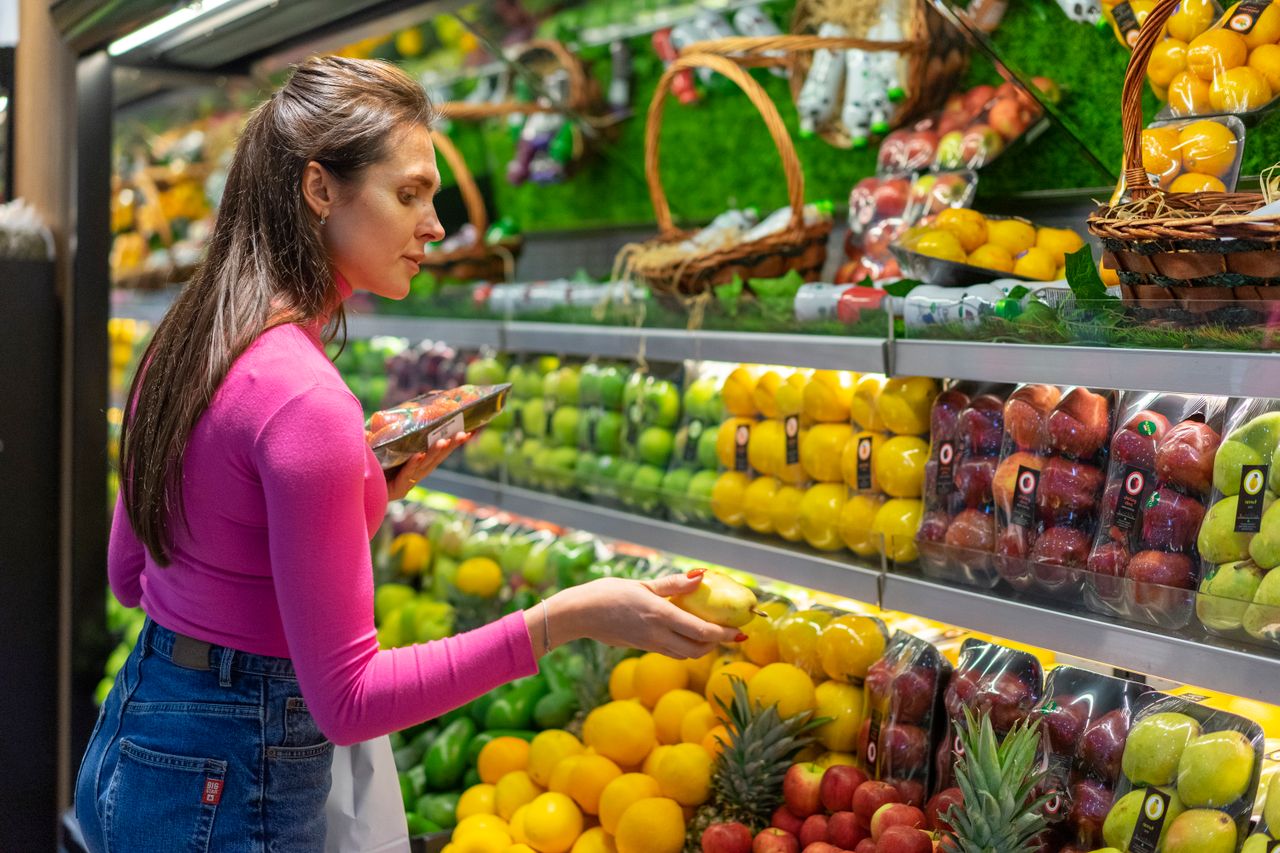
When buying fruit, consider its maturity as well as its freshness.
Some fruits continue to ripen after harvest, while others reach most of their eating quality before or around harvest. Therefore, learn the characteristics of each fruit you buy.
Check for appropriate color, firmness, aroma, and weight.
Avoid fruit with extensive bruising, leaking juice, mold, or signs of fermentation.
If you plan to eat the fruit immediately, choose an appropriate level of ripeness. If you want it to last several days, select fruit that is suitable for later consumption.
Buy From Reliable Sellers
Where you purchase produce can also affect freshness.
Farmers markets, farm stands, local produce shops, and other reputable sellers may provide useful information about when and where products were harvested.
Ask sellers questions when appropriate. You might learn the harvest date, variety, growing method, or recommended storage conditions.
Building relationships with reliable producers can make it easier to find consistently fresh produce.
Consider Local Produce
Locally grown produce can sometimes reach consumers more quickly because it travels a shorter distance.
However, local does not automatically mean fresher. Handling, storage, harvest timing, and transportation still matter.
Therefore, use local sourcing as one factor rather than the only measure of quality.
Check Packaging and Storage
Packaged produce requires additional inspection.
Check for excess moisture inside bags or containers because moisture can encourage deterioration in some products. Look for damaged or spoiled pieces that could affect the rest of the package.
Also, consider whether the seller stores produce appropriately. Temperature and humidity requirements differ between crops, so good storage practices can have a major effect on quality.
Handle Produce Carefully
Once you select fresh produce, protect it during transportation.
Avoid placing heavy items on delicate fruits and vegetables. Keep produce away from excessive heat and direct sunlight during your journey home.
Once you arrive, store each type of produce according to its needs.
Some vegetables benefit from refrigeration, while certain fruits may require room-temperature storage until they reach the desired ripeness.
Avoid Buying More Than You Need
Fresh produce has a limited shelf life. Therefore, buying excessive quantities can lead to unnecessary food waste.
Plan meals before shopping and estimate how much produce your household can reasonably consume.
If you find a good seasonal deal, consider preserving suitable produce through drying, freezing, canning, or another appropriate method.
This allows you to take advantage of seasonal abundance without letting excess food spoil.
Final Thoughts
Learning how to choose the freshest farm produce becomes easier with practice. Check the appearance, color, firmness, aroma, and overall condition of fruits and vegetables. Also consider seasonality, harvest timing, storage conditions, and the reliability of the seller.
Most importantly, remember that perfect-looking produce is not always the freshest or most flavorful. Focus on signs of quality and avoid products showing serious spoilage.
With careful selection and proper storage, you can enjoy fresher produce, reduce food waste, and get better value from every shopping trip.