Weeds compete with crops for water, sunlight, nutrients, and space. If they are not managed early, they can reduce crop growth and make harvesting harder. In this article, we discuss how to control weeds without chemicals using simple methods that farmers and home growers can use. These approaches can also protect soil, support useful insects, and reduce reliance on herbicides. The best results often come from combining several methods instead of depending on one solution.
Start With Good Weed Prevention
Preventing weeds is easier than dealing with a field that is already heavily covered. Begin by keeping planting areas clean and removing weeds before they produce seeds. This can reduce the number of weed seeds that remain in the soil.
Use clean tools and avoid moving soil from heavily infested areas to clean fields. Also, make sure manure and compost are properly prepared. Poorly processed organic material may contain weed seeds that later germinate.
Use Mulch To Block Weed Growth
Mulch covers the soil surface and prevents sunlight from reaching many weed seeds. It can also help the soil retain moisture and reduce erosion.
You can use materials such as:
-
Dry leaves
-
Grass clippings
-
Straw
-
Crop residues
-
Wood chips
-
Well-prepared compost
Apply enough material to create a useful barrier, but leave some space around plant stems. Very thick or wet mulch can create other problems if it is not managed properly.
Choose Suitable Mulch
Different materials work better for different situations. Straw can work well around many vegetables, while leaves can provide good soil cover as they break down. Grass clippings should be used carefully and in thin layers, especially when they are fresh.
Remove Weeds By Hand
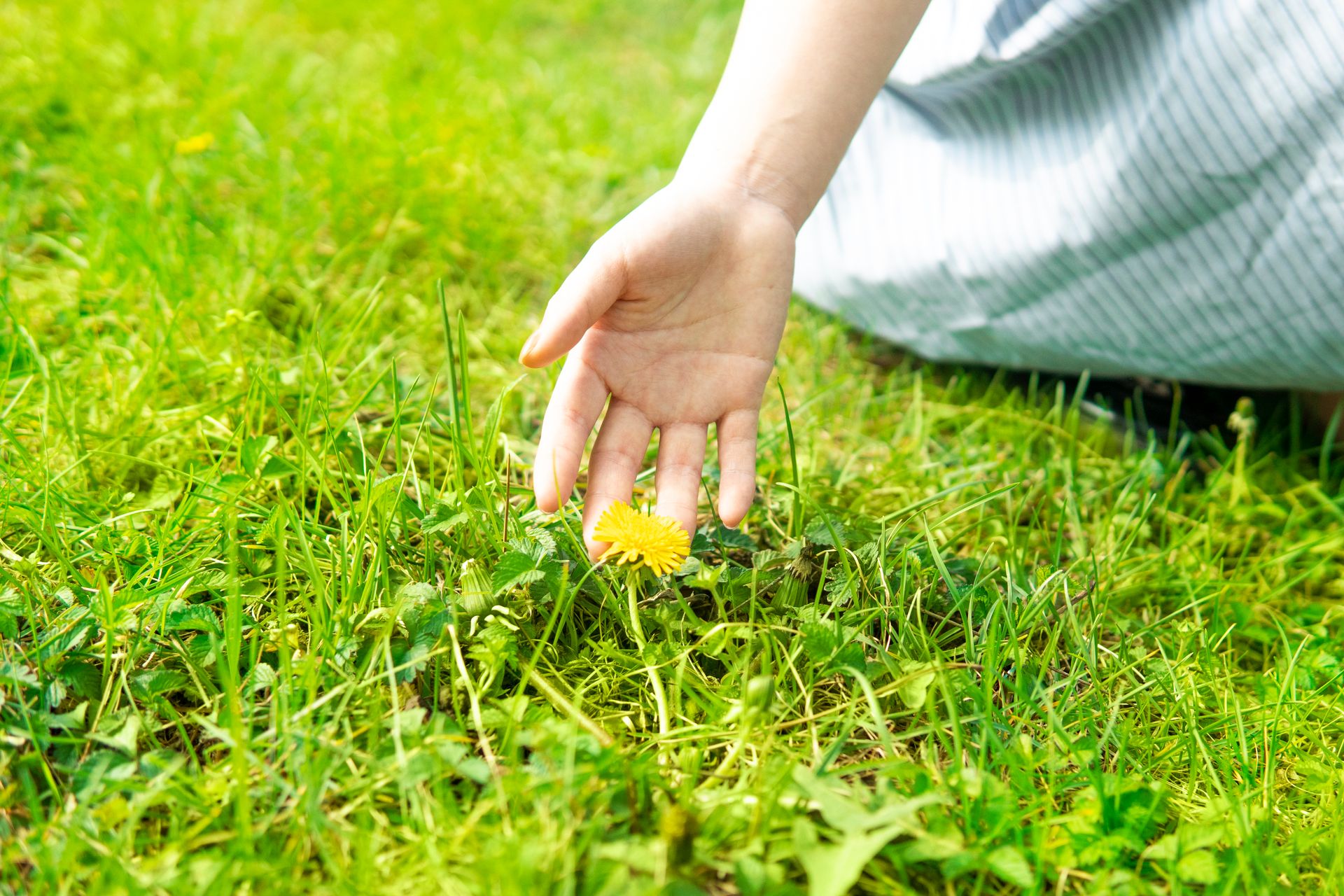
Hand weeding is simple and effective for small farms and gardens. Pull young weeds when the soil is slightly moist, making it easier to remove the roots.
Try to remove weeds before they produce flowers and seeds. This can prevent new seeds from entering the soil.
For larger areas, hoes and other simple tools can make the work faster. Shallow cultivation is often useful because deep digging can bring buried weed seeds closer to the surface.
Use Cover Crops
Cover crops can help suppress weeds by competing for sunlight, space, water, and nutrients. They also protect bare soil between main crops.
Legumes, grasses, and other suitable cover crops can provide useful ground cover. After they grow, farmers can cut them down and leave the plant material on the soil surface as mulch.
Choose cover crops that suit your climate and farming system. Avoid varieties that may become difficult to control themselves.
Plant Crops At The Right Spacing
Crop spacing can affect weed growth. When useful plants are spaced well, their leaves can eventually cover more of the soil surface.
This reduces the amount of sunlight available to weeds. However, planting too closely can increase competition between the crops themselves and may create conditions that encourage certain diseases.
Follow spacing recommendations for each crop and adjust them based on your local conditions.
Use Crop Rotation
Growing the same crop repeatedly can allow certain weeds to become dominant. Crop rotation changes planting dates, crop spacing, cultivation methods, and harvesting periods.
For example, a farmer can rotate cereals with legumes and vegetables. Different crops create different growing conditions, which can make it harder for one group of weeds to dominate.
Crop rotation also provides other benefits, including improved nutrient management and better soil health.
Try Solarization Where Suitable
Soil solarization uses heat from the sun to reduce certain weeds, pests, and soil diseases. Farmers cover moist soil with clear plastic during a period of strong sunlight.
The plastic traps heat near the soil surface. This method works best when weather conditions provide enough sunlight and warmth.
It may be more practical for small plots, nurseries, and vegetable beds than for large farms.
Keep Weeds Away From Field Edges
Weeds growing around fences, paths, irrigation channels, and field borders can produce seeds that spread into your crops.
Regularly inspect these areas and remove weeds before they mature. Keeping surrounding areas managed can reduce the number of seeds entering the field.
Combine Several Methods
No single method will control every weed. A stronger approach combines prevention, mulching, hand weeding, crop rotation, cover crops, and suitable planting practices.
Monitor your fields regularly. Deal with small weed problems early instead of waiting until they become difficult to manage.
Conclusion
Learning how to control weeds without chemicals can help farmers and gardeners protect their crops while reducing reliance on herbicides. Mulching, hand weeding, cover crops, crop rotation, good spacing, and careful prevention can all reduce weed pressure. The key is consistency. Remove weeds early, keep soil covered where appropriate, and combine methods that suit your farm. With regular attention, you can keep weeds under control while supporting healthier soil and crops.