Growing your own food at home can be a rewarding way to enjoy fresh produce, develop gardening skills, and make better use of available outdoor space. You do not need a large farm to get started. A backyard, balcony, patio, or even a few containers can provide enough space for a productive home garden.
Whether you are a complete beginner or have some gardening experience, a simple plan can make growing food easier and more successful.
Learning how to grow your own food at home starts with choosing suitable crops, preparing the growing space, and providing plants with consistent care.
Start With a Simple Plan
Before planting anything, decide what you want to grow.
Think about the foods your household already enjoys. Growing vegetables and herbs that you regularly eat can provide more value than planting crops that nobody wants.
Next, consider how much space and time you have available.
If you are new to gardening, start with a small number of crops. A manageable garden is easier to water, weed, monitor, and harvest.
As you gain experience, you can gradually expand your growing area.
Choose the Right Growing Location
Most food crops need adequate sunlight to grow well.
Observe your property throughout the day and identify areas that receive several hours of direct sunlight. Keep in mind that sunlight patterns can change depending on the season.
Choose a location with convenient access to water. A garden that is far from your water source can become difficult to maintain.
Also consider drainage. Avoid areas where water remains standing after rainfall unless you are growing crops that tolerate wet conditions.
Choose Crops That Suit Your Climate
Not every crop grows well in every location.
Research which vegetables, fruits, herbs, and other food crops are suitable for your local climate and growing season.
Beginners may find it easier to start with crops that are well adapted to local conditions.
Leafy greens, beans, herbs, tomatoes, peppers, onions, or other locally suitable crops can be good starting choices, depending on your climate.
Local gardening centers, experienced growers, and agricultural resources can provide useful information about planting times and suitable varieties.
Prepare Healthy Soil
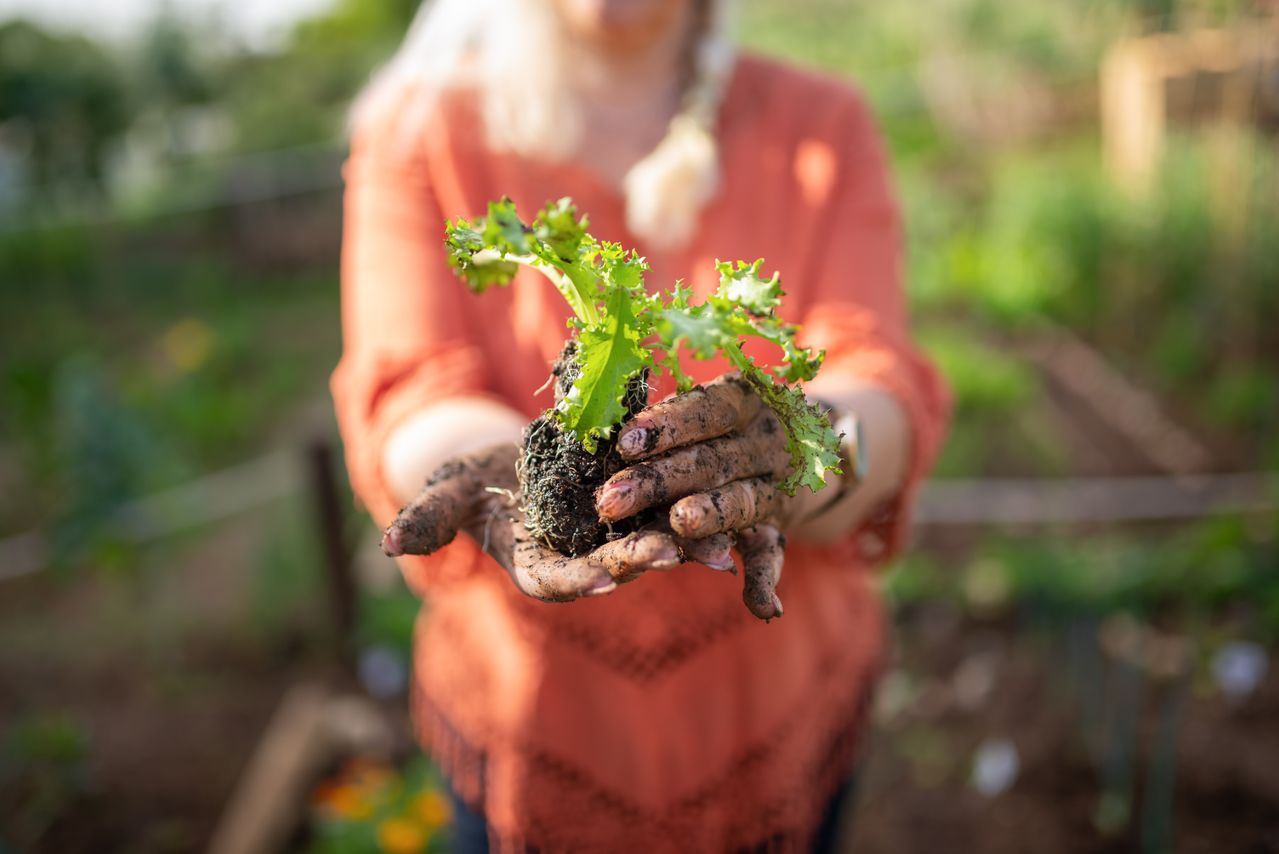
Healthy soil provides the foundation for a productive garden.
Before planting, examine the soil for drainage, texture, and fertility. If possible, use a soil test to learn about its pH and nutrient levels.
Adding appropriate organic matter can improve soil structure and help support plant growth.
Compost can be particularly useful when it has been properly produced and matured.
Avoid adding large amounts of fertilizer without knowing what your soil requires. Excess nutrients can harm plants and contribute to environmental problems.
Decide Between Garden Beds and Containers
You can grow food in several types of spaces.
Traditional garden beds work well when you have suitable ground available. Raised beds can provide better control over soil and drainage in some situations.
Containers are useful when space is limited.
Choose containers with adequate drainage and enough room for the mature plant. Different crops require different amounts of growing space.
Make sure containers receive appropriate sunlight and can be watered easily.
Plant at the Right Time
Timing can strongly influence your results.
Each crop has preferred temperature and growing conditions. Planting too early can expose seedlings to unsuitable weather, while planting too late may shorten the growing season.
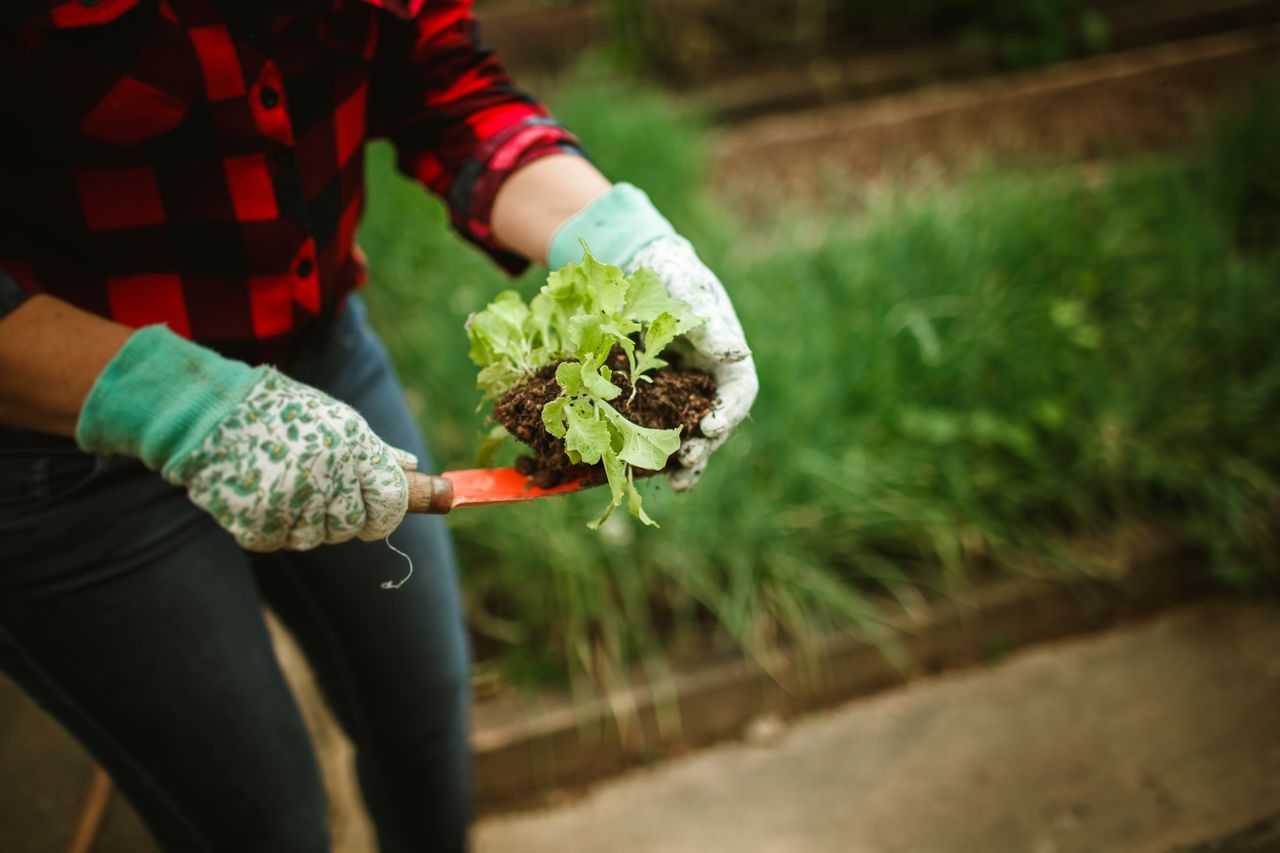
Use a local planting calendar or advice from experienced growers to determine when to sow seeds or transplant seedlings.
Staggering plantings can also provide a more continuous harvest instead of having everything mature at the same time.
Water Plants Properly
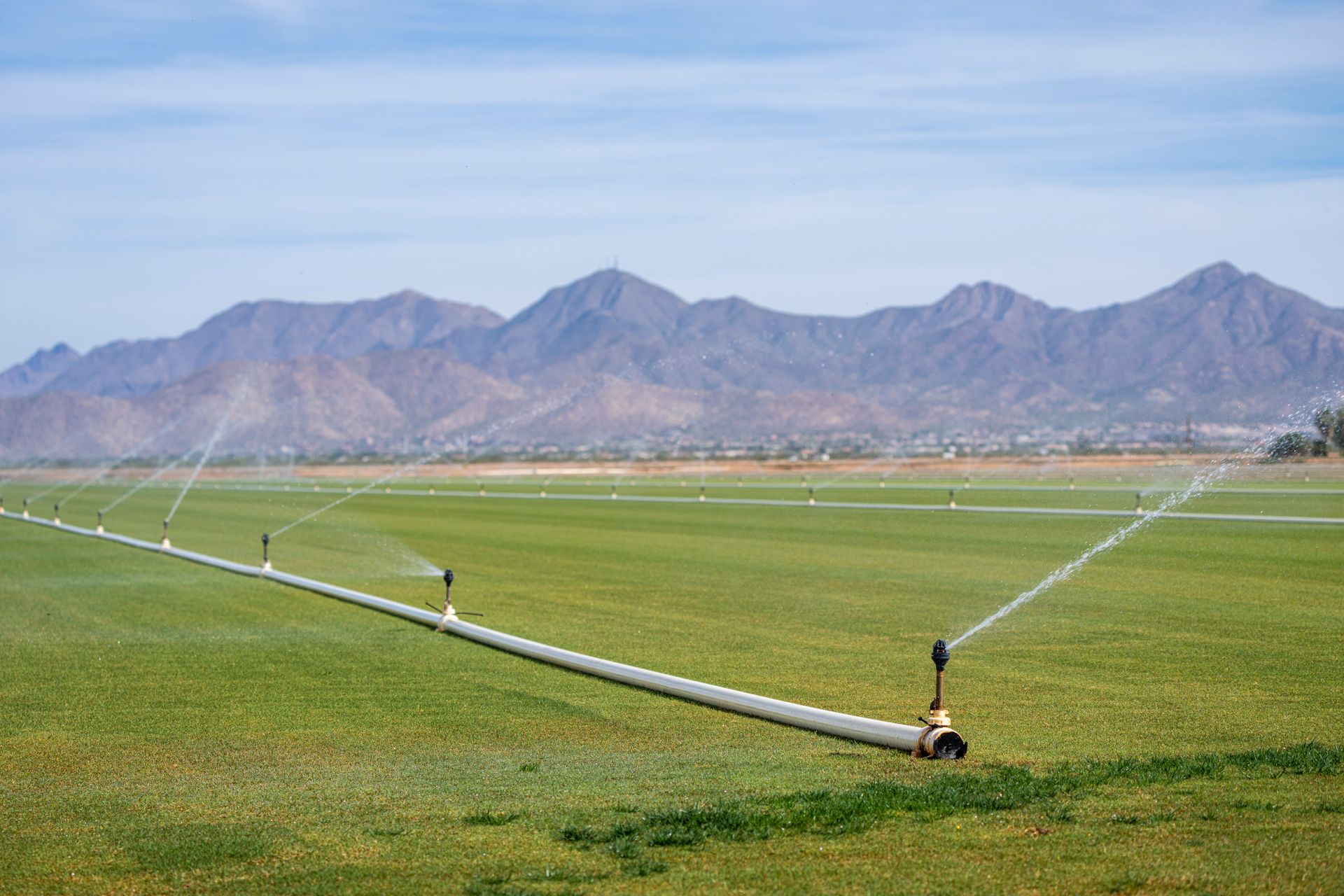
Plants need consistent access to water, particularly during dry periods.
However, more water does not always mean healthier plants.
Water according to the needs of each crop and your soil conditions. Avoid keeping soil constantly waterlogged unless the crop specifically requires wet conditions.
Watering at appropriate times and using mulch can help reduce evaporation.
As plants grow, monitor the soil rather than relying only on a fixed watering schedule.
Protect Plants From Weeds
Weeds compete with crops for water, nutrients, sunlight, and growing space.
Remove weeds while they are still small and easier to manage.
Mulching can help reduce weed growth and conserve soil moisture.
Depending on your gardening system, you can also use hand weeding, cultivation, cover crops, or other suitable methods.
Regular attention is usually easier than allowing weeds to become deeply established.
Monitor for Pests and Diseases
Inspect plants regularly for signs of insects, disease, or other problems.
Look at leaves, stems, flowers, and fruit.
Early detection gives you more opportunities to respond before a problem spreads.
Use appropriate management methods for your crop and growing system. These may include physical barriers, sanitation, crop rotation, resistant varieties, beneficial organisms, or other suitable approaches.
Avoid using treatments without first identifying the problem correctly.
Feed Plants Responsibly
Plants need nutrients throughout their growth cycle, but requirements vary between crops.
Use soil-test information and crop recommendations to determine whether additional nutrients are necessary.
Compost and other suitable organic materials can support soil fertility.
If you use commercial fertilizers, follow the product instructions carefully. Applying more than recommended does not necessarily produce better results.
Make Use of Vertical Space
If you have limited land, grow upward where appropriate.
Climbing crops such as beans, peas, cucumbers, and certain varieties of tomatoes can use trellises or other supports.
Vertical gardening can increase growing space while keeping pathways and planting areas organized.
However, make sure structures are strong enough to support mature plants and withstand local weather conditions.
Harvest at the Right Time
Harvesting correctly helps you enjoy better flavor and quality.
Some vegetables taste best when harvested young, while others need to reach full maturity.
Regular harvesting can also encourage certain plants to continue producing.
Use clean tools when necessary and handle harvested food gently to reduce bruising and damage.
Store Your Harvest Properly
Growing food successfully is only half the process.
After harvesting, store produce according to its specific needs.
Some vegetables and fruits benefit from refrigeration, while others maintain better quality at room temperature.
If you produce more food than your household can eat immediately, consider suitable preservation methods such as drying, freezing, fermentation, or other safe techniques.
Keep Gardening Records
Record what you plant, when you plant it, how much you harvest, and any problems you encounter.
Also note weather conditions, watering practices, pest issues, and varieties that perform well.
These records can help you improve your garden from one season to the next.
Over time, you will develop a growing guide specifically suited to your home and local conditions.
Final Thoughts
Learning how to grow your own food at home does not require extensive land or advanced experience. Start with a small garden, choose crops that suit your climate, prepare healthy soil, and provide consistent water and care.
Monitor your plants regularly, manage weeds and pests early, and harvest crops at the appropriate stage. Then, store or preserve your harvest properly.
Most importantly, give yourself time to learn. Gardening involves experimentation, and some crops may succeed while others do not. By starting small and learning from every growing season, you can gradually create a productive home garden that supplies fresh food for your household.