Improving crop production does not always require heavy use of synthetic fertilizers or chemical treatments. In fact, farmers can use several natural methods to create healthier growing conditions and improve crop performance. By focusing on soil health, proper water management, biodiversity, and careful crop planning, you can build a productive farm while protecting valuable natural resources.
If you are wondering how to improve crop yield naturally, the following practices provide a practical starting point.
Build Healthy Soil
Healthy soil is the foundation of productive crops. Before focusing on fertilizers or treatments, understand what your soil needs.
Start by testing your soil where possible. A soil test can provide information about pH and nutrient levels, helping you identify potential deficiencies.
Then, improve soil structure by adding suitable organic matter. Compost, well-decomposed manure, and plant residues can contribute organic material to the soil.
Furthermore, avoid unnecessary disturbance of the soil. Excessive tillage can damage soil structure and contribute to erosion. Using appropriate reduced-tillage practices can help protect the soil while maintaining suitable conditions for your crops.
Use Compost and Organic Matter
Compost can be a valuable resource for farmers and gardeners. It adds organic matter to soil and can support beneficial soil organisms.
You can produce compost from suitable plant materials and other organic materials available on your farm. However, make sure compost has decomposed properly before applying it to growing areas.
In addition, leave appropriate crop residues on the field rather than removing every piece of organic material. As residues break down, they can contribute organic matter and nutrients to the soil.
Use compost according to your soil and crop needs rather than assuming that more is always better.
Practice Crop Rotation
Growing the same crop in the same location repeatedly can contribute to certain pest, disease, and nutrient-management problems. Therefore, crop rotation is an important natural farming practice.
Rotate crops with different nutrient requirements and growth characteristics. For example, including legumes in a rotation can contribute nitrogen to the farming system through biological nitrogen fixation.
Crop rotation can also interrupt the life cycles of some crop pests and diseases.
Most importantly, design your rotation around your local climate, soil conditions, crops, and available resources.
Choose the Right Crop Varieties
Sometimes, improving yield begins with selecting a better-suited variety. Different crop varieties can perform differently depending on climate, soil, rainfall, and disease pressure.
Choose varieties that are adapted to your local growing conditions. Where appropriate, look for varieties with useful characteristics such as drought tolerance, disease resistance, or suitability for your local market.
Before planting a large area, consider testing a variety on a smaller plot. This approach lets you compare performance without taking unnecessary risks.
Manage Water Efficiently
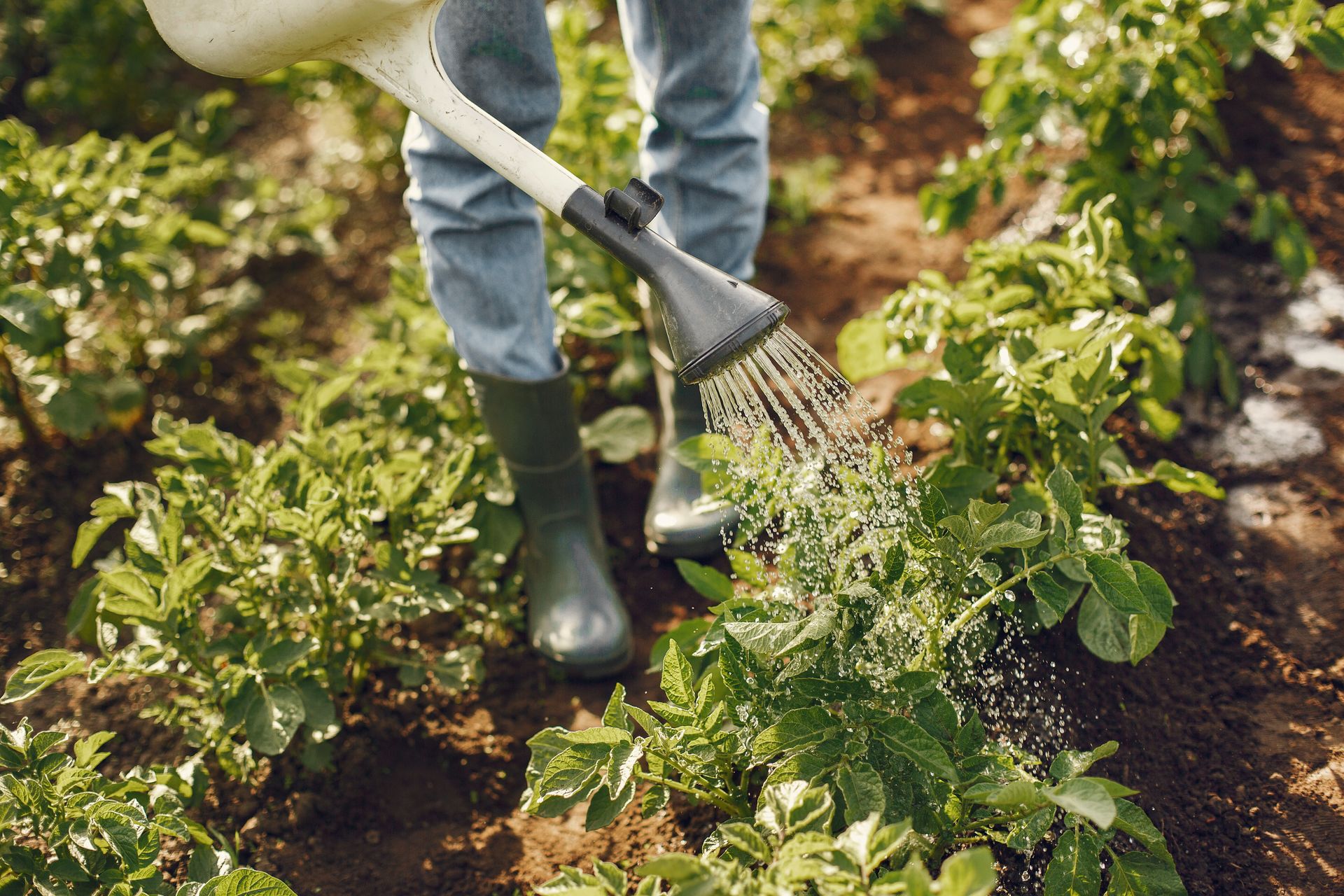
Plants need adequate water to grow, but efficient management is essential. Too little water can reduce growth, while excessive watering can create other problems.
Monitor soil moisture and irrigate according to crop requirements and weather conditions. Where suitable, drip irrigation can deliver water close to plant roots and reduce unnecessary losses.
Mulching can also help conserve moisture. Organic materials such as suitable crop residues can protect the soil surface, reduce evaporation, and moderate soil temperatures.
Additionally, consider collecting and storing rainwater where local conditions and regulations allow it.
Control Weeds Naturally
Weeds compete with crops for water, nutrients, light, and space. Fortunately, farmers can use several non-chemical approaches to manage them.
Mulching can suppress weed emergence while protecting the soil. Hand weeding, hoeing, mechanical cultivation, and timely planting can also help.
Crop rotation and cover crops can further reduce opportunities for some weeds to establish.
The key is timing. Controlling weeds while they are still small is often easier than waiting until they become well established.
Encourage Beneficial Insects
Not all insects are harmful. Some insects, birds, and other organisms can help control agricultural pests or support pollination.
Planting suitable flowering plants near or around production areas can provide habitat and food for beneficial insects. Maintaining diverse vegetation where appropriate can also support biodiversity.
However, avoid introducing plants that could become invasive in your area. Choose species that are suitable for your local environment.
Regularly inspect crops so you can distinguish beneficial insects from damaging pests before taking action.
Use Natural Pest Management
Natural pest management begins with prevention. Keep fields clean, rotate crops, select suitable varieties, and monitor plants regularly.
When pests appear, identify them correctly before deciding how to respond. Physical removal, barriers, biological controls, and other non-chemical approaches may work for certain situations.
You should also avoid trying to eliminate every insect. Some insect populations may cause little economic damage, while unnecessary intervention can harm beneficial organisms.
An integrated pest management approach can help farmers balance crop protection with environmental health.
Plant at the Right Time
Planting time can have a major effect on crop performance. Seeds planted too early or too late may face unfavorable temperatures, moisture conditions, pests, or diseases.
Therefore, learn about your local growing season and monitor weather conditions.
Use a planting calendar as a guide, but remain flexible when conditions change. Good timing can help crops establish strongly and take advantage of favorable growing conditions.
Maintain Proper Plant Spacing
Plants need adequate access to sunlight, water, nutrients, and air. Consequently, overcrowding can reduce performance and increase competition.
Follow recommended spacing for each crop and adjust according to local conditions when appropriate.
Good spacing also improves air circulation around plants, which can help reduce conditions favorable to some diseases.
Keep Learning and Monitor Results
Finally, improving yield naturally requires observation. Keep records of planting dates, varieties, weather, irrigation, soil amendments, pest problems, and harvest results.
Compare your results from one season to another. This information can help you identify which practices actually improve production on your farm.
Do not introduce many changes at once. Instead, test one or two practices on a small area and compare the results with an untreated or traditionally managed area where appropriate.
Final Thoughts
Learning how to improve crop yield naturally starts with building a healthy farming system rather than relying on a single solution. Improve soil health, use organic matter wisely, rotate crops, choose suitable varieties, manage water efficiently, and encourage beneficial organisms.
Most importantly, observe your farm and learn from each growing season. Natural farming practices work best when farmers combine several approaches and adapt them to their local soil, climate, crops, and available resources.