Farm biodiversity practices can help farmers create healthier, more resilient agricultural systems by supporting a wider range of plants, insects, birds, soil organisms, and other forms of life. A farm does not need to become a wildlife reserve to benefit from greater biological diversity. Instead, farmers can make practical changes that allow productive agriculture and nature to work alongside each other.
Biodiversity can strengthen natural pest control, improve soil processes, support pollinators, and provide habitats for useful organisms. Therefore, farmers who manage diversity carefully can improve both ecological health and long-term farm resilience.
Grow a Variety of Crops
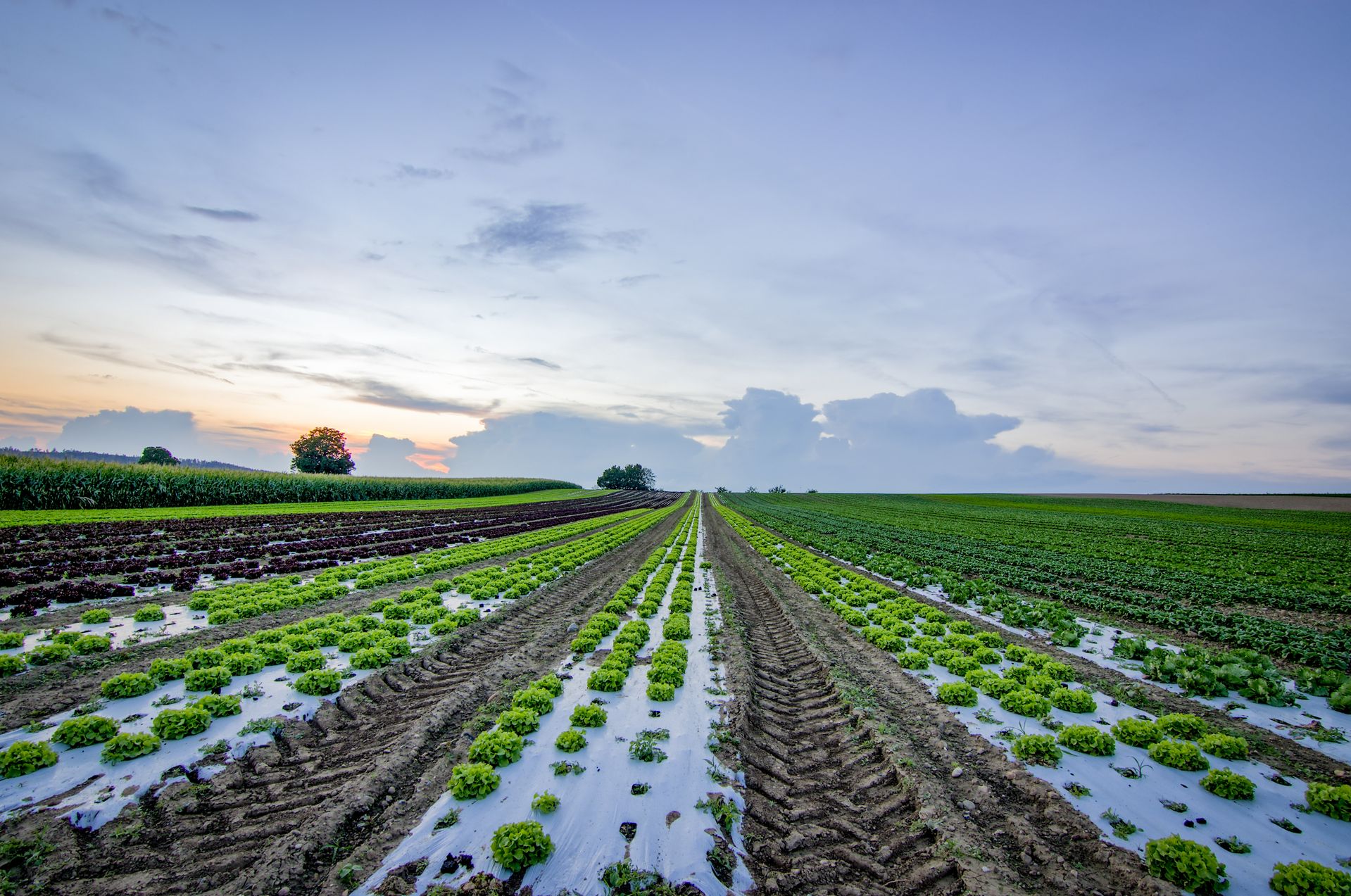
Planting several crops instead of relying on a single crop can increase diversity across the farm. Different plants provide different root structures, nutrients, habitats, and food sources.
Crop diversity can also reduce dependence on one harvest. If unfavorable weather affects one crop, other crops may still perform well.
Consider growing:
-
Leafy vegetables
-
Legumes
-
Root crops
-
Grains
-
Fruit trees
-
Herbs
-
Cover crops
Rotate Crops Regularly
Crop rotation changes which plants occupy a field from season to season. This practice can disrupt some pest and disease cycles while creating different conditions for soil organisms.
Include crops with different nutrient requirements and growth patterns. Legumes can also contribute to soil fertility through their relationships with nitrogen-fixing bacteria.
Create Habitats for Beneficial Insects
Insects play important roles on farms. Bees and other pollinators help many crops reproduce, while predatory insects can feed on agricultural pests.
Farmers can support these organisms by planting flowering species along field edges or in designated areas.
Choose plants that flower at different times so insects can find food throughout more of the growing season. Avoid unnecessary pesticide applications that can harm beneficial species.
Protect Natural Farm Areas
Not every part of a farm needs to produce crops. Maintaining selected natural areas can provide valuable habitats for birds, insects, amphibians, and other organisms.
Wooded patches, grass strips, ponds, hedgerows, and uncultivated margins can create shelter and feeding areas.
These spaces can also connect different habitats across the property. As a result, wildlife can move more easily between areas while farmers maintain productive fields.
Improve Soil Biodiversity
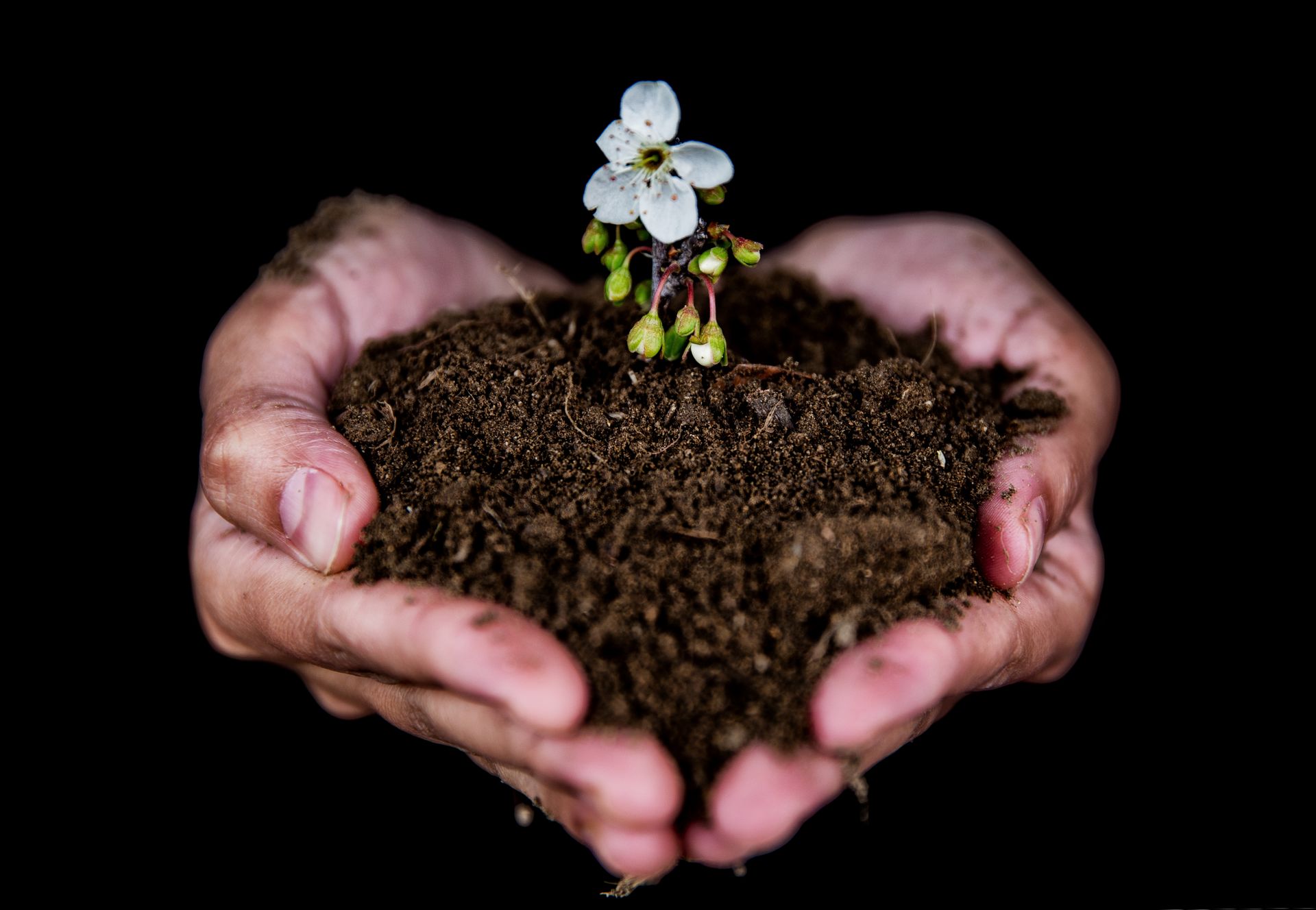
Healthy soil contains an enormous community of microorganisms, fungi, earthworms, and other organisms. Supporting this underground ecosystem represents one of the most important farm biodiversity practices.
Add mature compost, suitable organic matter, and plant residues to provide food for soil organisms. Reduce unnecessary soil disturbance where practical because excessive tillage can disrupt soil structure and biological activity.
Mulching can also protect the soil surface while providing additional organic material as it decomposes.
Avoid Excessive Chemical Use
Pesticides and other agricultural chemicals can affect organisms beyond their intended targets. Use them carefully and only when necessary.
Integrated pest management can help farmers monitor pest populations and consider biological, physical, and cultural controls before resorting to chemical treatment.
Plant Trees and Hedgerows
Trees can provide shade, nesting locations, food, wind protection, and shelter for many species. Hedgerows can perform similar functions while creating boundaries between fields.
Plant species that suit the local climate and soil conditions. Where possible, select a mixture of native or locally adapted plants that provide flowers, fruits, seeds, or shelter at different times of the year.
Trees can also reduce wind speed and help protect vulnerable soil from erosion.
Protect Water Sources
Streams, ponds, wetlands, and other water sources support many forms of life. Protecting these areas can improve biodiversity while reducing agricultural pollution.
Maintain vegetation around waterways where practical. Avoid allowing excessive fertilizer, manure, sediment, or chemical runoff to enter water sources.
Build Small Wildlife-Friendly Areas
Even a modest pond or planted buffer can provide habitat for insects, birds, amphibians, and other organisms. Farmers do not always need large projects to make a difference.
Small habitat improvements become more valuable when several areas connect across the farm.
Use Cover Crops
Cover crops provide more than soil protection. They create additional habitats and food sources for insects and soil organisms between main cropping periods.
Choose a mixture of suitable species when local conditions allow. Combining plants with different growth habits can increase the diversity of roots and above-ground vegetation.
Cover crops can also suppress weeds, reduce erosion, and add organic material to the soil.
Keep Livestock Areas Diverse
Livestock farms can also improve biodiversity by managing grazing areas carefully. Rotational grazing can prevent animals from repeatedly damaging the same areas and can give vegetation time to recover.
Maintaining trees, shrubs, grasslands, and other suitable vegetation around grazing areas can provide additional habitat.
Farmers should balance livestock needs with the capacity of the land. Overstocking can damage vegetation, compact soil, and reduce biological diversity.

Reduce Habitat Disturbance
Timing farm activities carefully can protect wildlife. For example, avoiding unnecessary disturbance during important nesting or breeding periods can give animals a better chance to reproduce.
Farmers can also leave selected areas undisturbed when they do not interfere with essential production activities.
Regularly inspect the farm to identify valuable habitats before clearing or modifying them.
Monitor Changes Over Time
Improving biodiversity requires observation. Keep track of the plants, insects, birds, and other organisms you see around the farm.
You might record:
-
Pollinator activity
-
Beneficial insects
-
Bird species
-
Soil organisms
-
Flowering plants
-
Pest populations
-
Wildlife sightings
These observations can show whether habitat improvements are producing useful results.
Build Biodiversity Gradually
Farmers do not need to transform their entire property at once. Start with manageable changes, such as planting flowering borders, adding cover crops, protecting waterways, or maintaining natural vegetation.
Over time, combine several farm biodiversity practices to create a more connected and diverse agricultural landscape.
Ultimately, farm biodiversity practices can help farms become more resilient by strengthening relationships between crops, soil organisms, pollinators, predators, and surrounding wildlife. Greater diversity can also reduce reliance on a single crop or management strategy.
The most successful approach combines productive farming with thoughtful habitat management. By protecting natural areas, diversifying crops, improving soil health, and supporting beneficial organisms, farmers can create healthier agricultural environments.