Improve Soil Fertility naturally by using simple, sustainable practices that strengthen the soil without relying heavily on synthetic fertilizers. Healthy soil does more than support plants; it stores water, cycles nutrients, houses beneficial organisms, and provides roots with the conditions they need to thrive. Fortunately, you can improve your garden soil with affordable materials and consistent care.
Rather than treating poor soil as a permanent problem, focus on rebuilding its biological activity and nutrient balance. With the right approach, even tired or compacted soil can become productive again.
Add Organic Matter Regularly
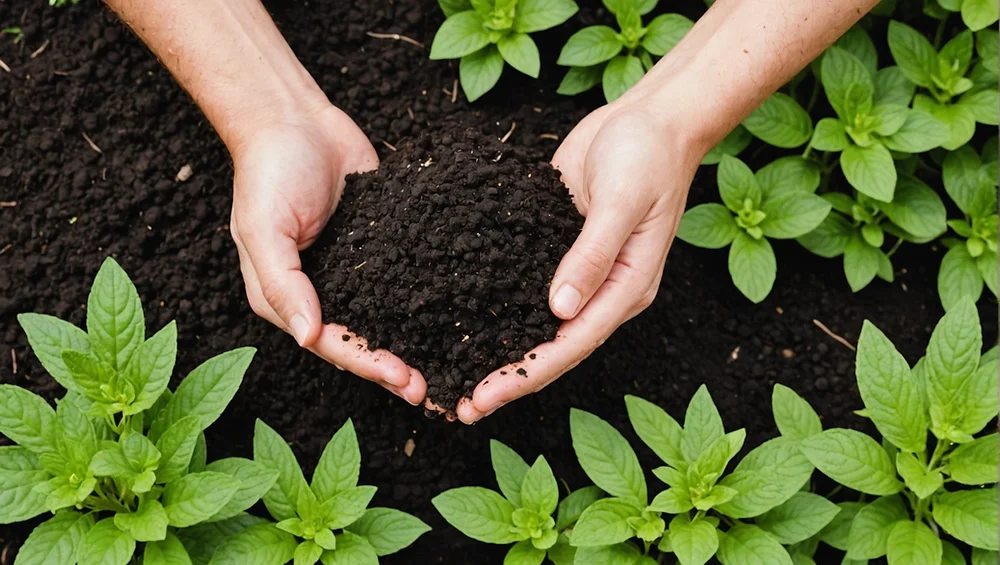
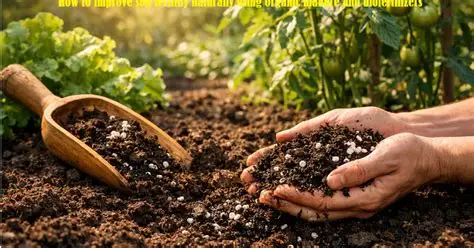
Organic matter forms the foundation of productive soil. As plant materials break down, they release nutrients and improve the soil’s physical structure. Compost, aged manure, leaf mold, and decomposed plant material can all contribute valuable organic matter.
Spread a layer of mature compost over your garden beds and gently incorporate it into the upper soil. Avoid excessive digging because frequent disturbance can damage soil organisms and weaken natural soil structure.
Choose the Right Organic Materials
Different materials provide different benefits. For example, compost supplies a broad range of nutrients, while leaf mold helps improve moisture retention.
Consider using:
-
Mature garden compost
-
Well-aged animal manure
-
Chopped leaves
-
Grass clippings in moderate amounts
-
Decomposed plant residues
-
Cover-crop remains
Always use properly decomposed materials. Fresh manure or unfinished compost can harm roots, attract pests, or temporarily interfere with nutrient availability.
Grow Cover Crops
Cover crops protect the soil between growing seasons while adding organic material and supporting beneficial organisms. Legumes such as clover and peas can contribute nitrogen, whereas grasses can produce substantial plant residue and help protect the surface from erosion.
Furthermore, cover crops reduce the amount of bare soil exposed to wind and rain. Their roots create channels that can improve soil structure and allow water to move more effectively.
When the cover crop reaches the appropriate stage, cut it down and allow the plant material to decompose. This process gradually returns nutrients to the soil.
Use Mulch to Protect the Surface
Mulching provides a simple way to maintain healthier soil throughout the growing season. A layer of organic mulch can reduce evaporation, moderate soil temperature, suppress weeds, and gradually contribute organic material as it decomposes.
Use materials such as straw, shredded leaves, untreated grass clippings, or finished compost. Keep mulch slightly away from plant stems to reduce excessive moisture around the base of plants.
As the mulch breaks down, it feeds soil organisms and contributes to long-term soil improvement. Therefore, refreshing mulch periodically can become an important part of a sustainable garden routine.
Encourage Beneficial Soil Organisms
Healthy soil contains a complex community of bacteria, fungi, earthworms, and other organisms. These organisms break down organic materials and help make nutrients available to plants.
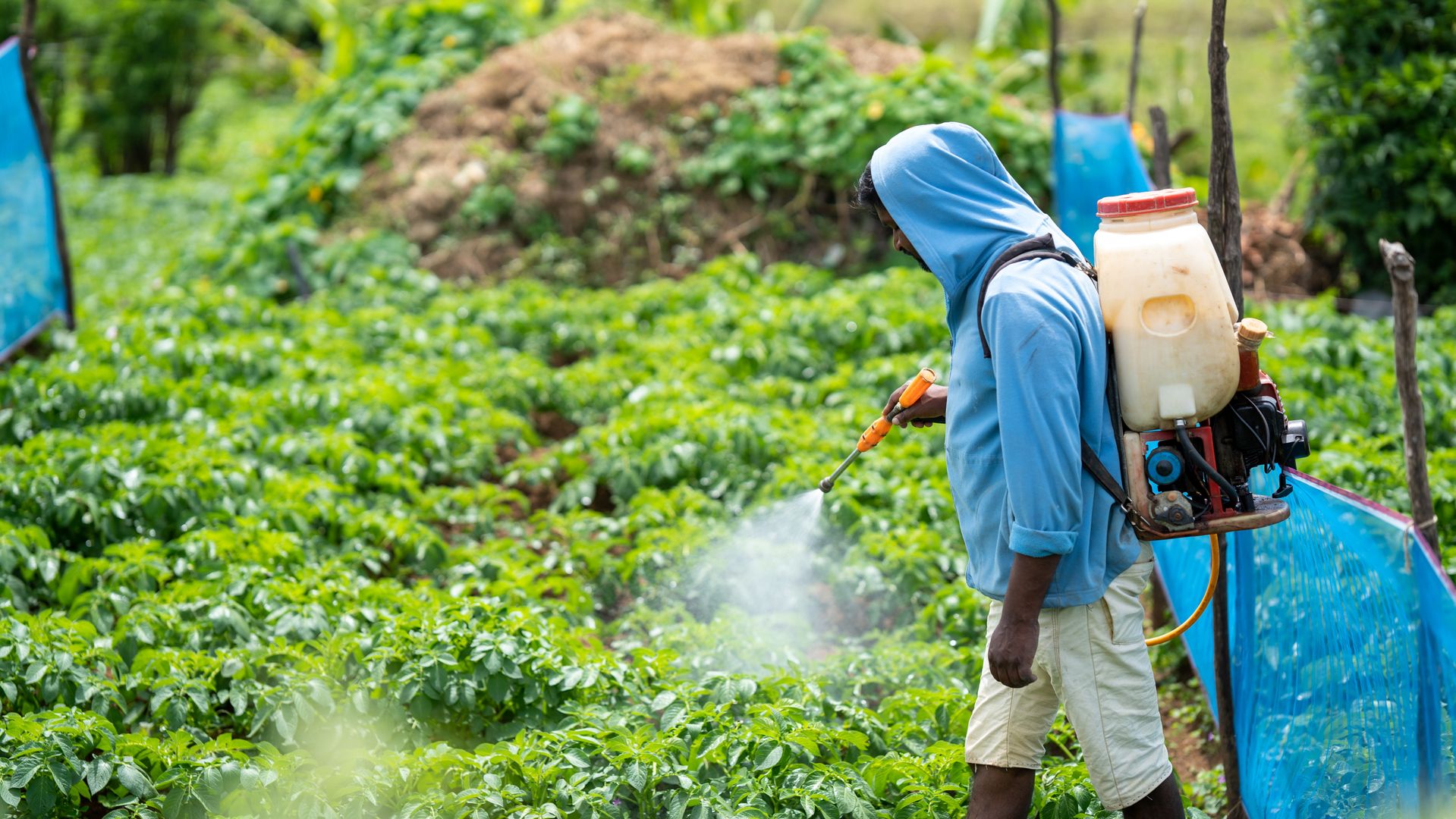
Avoid unnecessary pesticide applications and excessive soil disturbance because both can disrupt this biological community. Instead, provide organisms with food through compost, plant residues, and organic mulch.
Earthworms, in particular, can improve soil structure by creating channels through the soil. Their activity also helps distribute organic material and nutrients.
Avoid Overworking the Soil
Although cultivation can prepare a planting area, excessive tilling can damage soil structure and disturb beneficial organisms. It can also accelerate the breakdown of organic matter.
Whenever practical, adopt a reduced-tillage approach. Add compost near the surface, leave roots in the ground after harvesting, and allow natural biological activity to perform more of the soil-building work.
Test Soil Before Adding Nutrients
Soil testing helps you understand what your plants actually need. Instead of adding fertilizer based on guesswork, test the soil for important factors such as pH and nutrient levels.
A test can reveal whether the soil lacks particular nutrients or contains excessive amounts of others. Consequently, you can choose amendments more carefully and avoid unnecessary applications.
Remember that adding more fertilizer does not always produce healthier plants. Excess nutrients can damage roots, affect water quality, and create nutrient imbalances.
Rotate Crops Each Season
Crop rotation can help maintain soil balance and reduce problems associated with repeatedly growing the same plant family in one location. Different crops interact with the soil in different ways, so rotating them can diversify root patterns and nutrient demands.
For instance, follow heavy-feeding vegetables with crops that have different nutritional requirements. Include legumes where appropriate because they can contribute nitrogen to the soil through their relationship with specialized bacteria.
Build a Long-Term Soil Care Routine
You can Improve Soil Fertility by combining several small actions rather than relying on one quick solution. Add organic matter, protect the surface with mulch, grow cover crops, minimize unnecessary disturbance, and monitor nutrient levels through soil testing.
Consistency matters because soil develops gradually. A single application of compost may help, but repeated improvements create stronger results over time.
Simple Seasonal Checklist
Use this routine to maintain healthier soil:
-
Add finished compost before planting.
-
Keep soil covered whenever possible.
-
Rotate crops between growing seasons.
-
Grow cover crops during suitable periods.
-
Leave healthy plant residues where appropriate.
-
Test soil periodically.
-
Avoid unnecessary tilling and chemical applications.
By combining these practices, you can Improve Soil Fertility while creating a more resilient growing environment. Natural soil management takes patience, but the benefits extend beyond a single harvest. Over time, stronger soil can support healthier plants, better moisture retention, improved nutrient cycling, and greater resistance to environmental stress.
Most importantly, Improve Soil Fertility through steady, balanced care rather than quick fixes. When you feed the soil, protect its structure, and support its living organisms, your garden can become increasingly productive and sustainable.