Healthy soil helps crops grow well and supports a strong farm. However, soil can lose nutrients and become weak when farmers use poor practices for many years. In this article, we discuss how to improve soil health sustainably using simple methods that protect the land and support future crops. These methods can improve soil structure, reduce erosion, save water, and support useful soil life. With steady care, farmers can build stronger soil without placing too much pressure on natural resources.
Simple Ways To Improve Soil Health Sustainably On Farms
Good soil management starts with protecting the ground from damage. Farmers should avoid leaving large areas of soil bare. They should also reduce practices that disturb the soil too often. Instead, they can use plants, organic materials, and careful water management to support the land.
Grow Cover Crops
Cover crops grow between main crops and help protect the soil. Their roots hold soil in place and reduce erosion. Their leaves also cover the surface and reduce the impact of rain.
When cover crops break down, they add organic matter to the soil. This can improve soil structure and support helpful organisms. Farmers can choose grasses, legumes, or suitable mixtures based on their local conditions.
Add Organic Matter
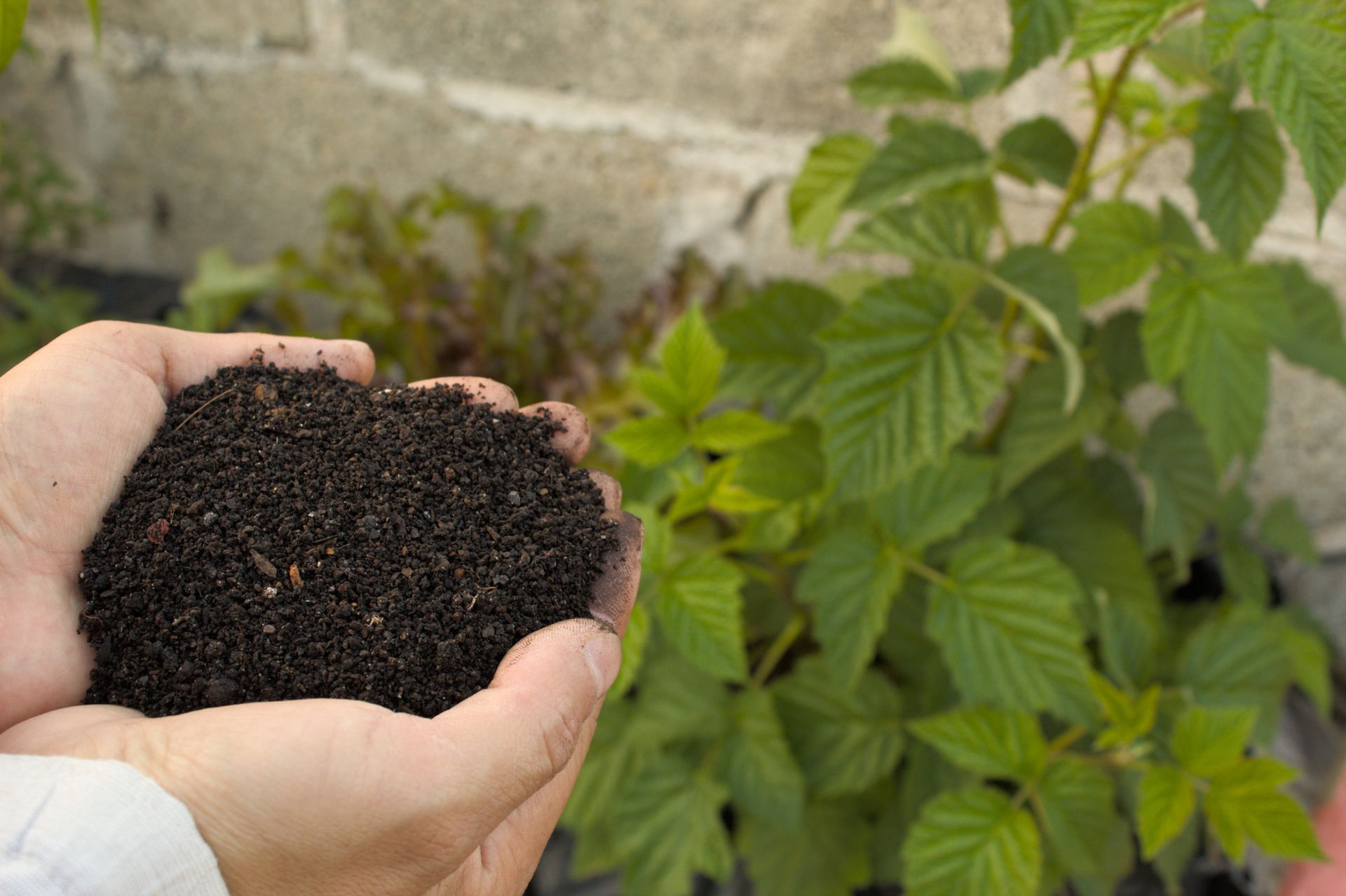
Soil needs organic matter to remain productive. Compost, plant remains, manure, and other suitable materials can add organic matter to the ground.
As these materials break down, they can improve soil structure and provide food for soil organisms. They can also help the soil hold water and nutrients. However, farmers should use clean and properly prepared materials to avoid introducing harmful substances or pathogens.
Reduce Soil Disturbance
Frequent and deep tillage can break apart soil structure. It can also expose soil to wind and rain. Reduced tillage helps leave more of the soil structure undisturbed.
Farmers can combine reduced tillage with crop residues and cover crops. This creates better protection for the soil surface and may reduce erosion.
Rotate Different Crops
Growing the same crop repeatedly can place heavy pressure on soil nutrients. Crop rotation changes the type of crop grown in a field from one season to another.
Different crops have different root systems and nutrient needs. Some crops also work with soil organisms that help make nutrients available. Therefore, rotation can support better nutrient balance and reduce some pest and disease problems.
Keep Soil Covered
Bare soil can lose moisture quickly. It can also suffer from wind and water erosion. Farmers can keep the ground covered with living plants, crop residues, mulch, or other suitable materials.
A layer of plant material can reduce the force of rainfall. It can also slow water loss during hot weather. Over time, this material breaks down and adds useful organic matter.
Protect Soil From Erosion
Erosion can remove the most fertile part of the soil. Farmers can reduce this problem by planting grass, using contour farming, and maintaining vegetation on slopes.
Trees and other plants can also help hold soil in place. On suitable land, terraces can slow water moving downhill. Farmers should select erosion control methods based on the slope, soil type, and local rainfall.
Use Water Carefully
Too much or too little water can harm soil. Heavy runoff can carry soil and nutrients away. Poor irrigation can also cause waterlogging or salt buildup in some areas.
Efficient irrigation systems can deliver water closer to plant roots. Farmers should also check soil moisture before watering. This can reduce unnecessary water use and help protect the soil.
Support Soil Organisms
Healthy soil contains bacteria, fungi, earthworms, and many other organisms. These living organisms help break down plant material and support nutrient cycling.
Farmers can support them by adding organic matter and reducing unnecessary soil disturbance. Avoiding unnecessary chemical treatments can also help protect useful soil life. A diverse planting system can provide different types of plant material for these organisms.
Test Soil Regularly
Soil testing helps farmers understand what their land needs. Tests can show information about nutrients, acidity, and other important conditions.
Farmers can use these results to make better decisions about fertilizer and soil amendments. This prevents unnecessary applications and helps crops receive the nutrients they need.
Useful practices include:
-
Test soil at suitable intervals.
-
Follow local recommendations for amendments.
-
Avoid applying more fertilizer than crops require.
-
Keep records of soil test results.
-
Compare results over several seasons.
Build Long-Term Soil Quality
Improving soil takes time. Farmers should focus on consistent practices rather than quick solutions. A combination of cover crops, crop rotation, organic matter, reduced tillage, and careful water use can provide stronger results.
Each farm has different soil, weather, crops, and resources. Therefore, farmers should adjust their approach to local conditions. Small improvements made each season can create meaningful changes over time.
Conclusion
Improving soil sustainably requires regular care and good planning. Cover crops, organic matter, crop rotation, reduced tillage, erosion control, and careful irrigation can all support stronger soil. Farmers should also protect soil organisms and test their land regularly. These practices can improve soil structure, conserve nutrients, reduce erosion, and support healthy crops. By caring for the soil today, farmers can help keep their land productive for many future seasons.