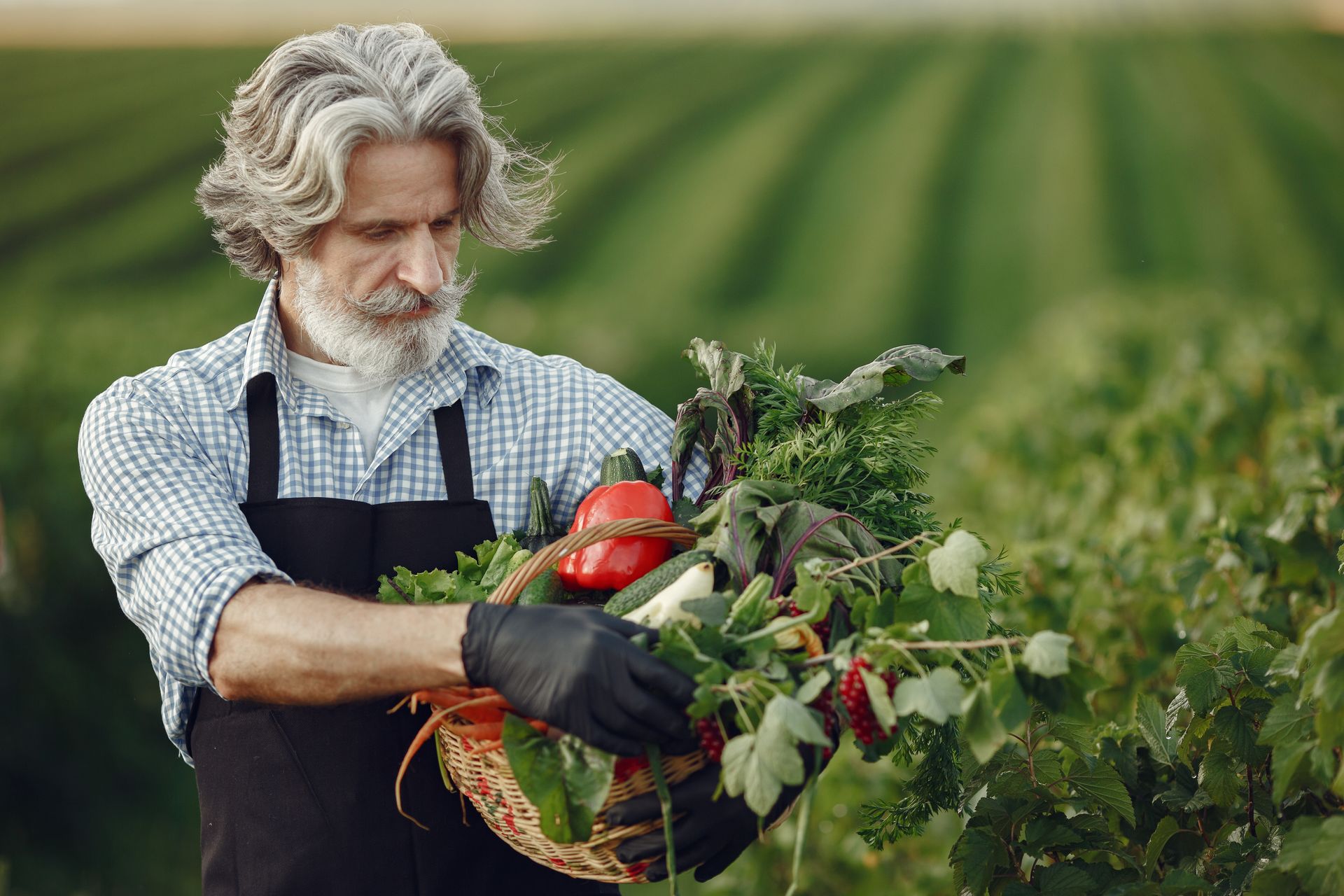
Fresh fruits can add natural sweetness, flavor, and useful nutrients to meals, but they can spoil quickly when stored incorrectly. Learning how to keep fruits fresh longer can help households save money, reduce food waste, and enjoy better-quality food. Different fruits have different storage needs, so one method does not work for everything. In this article, we discuss simple ways to protect fruits after buying them from a farm, market, or store. Proper handling, suitable temperatures, good airflow, and regular checks can help extend freshness and prevent unnecessary spoilage.

Choose Fresh Fruits At The Start
Keeping fruit fresh begins when you buy it. Look for fruits with healthy color, firm texture, and no major bruises, cuts, mold, or leaking areas. Some fruits are naturally soft when ripe, so learn what is normal for each type. If you plan to eat the fruit several days later, choose items that are not fully ripe when appropriate. Buying fruit at different stages of ripeness can also help you avoid having everything become ripe at the same time.
Handle Fruits Gently
Fruits can become damaged when they are dropped, squeezed, or packed under heavy items. Even small bruises can create weak areas where spoilage develops more quickly. Place delicate fruits carefully in shopping bags and avoid putting heavy products on top of them. When you bring fruit home, inspect it and separate damaged pieces from healthy ones. Gentle handling from the market to your kitchen can make a noticeable difference in how long fruit remains fresh.
Store Each Fruit Correctly
Different fruits need different storage conditions. Some fruits can remain at room temperature until they ripen, while others benefit from refrigeration after reaching the desired stage of ripeness. Learn the basic storage needs of the fruits you regularly buy. Keep fruits away from direct sunlight, excessive heat, and areas with large temperature changes. The right storage environment can slow spoilage and help maintain flavor and texture.
Control Moisture Carefully
Too much moisture can encourage mold, while excessive dryness can cause some fruits to lose water and become less appealing. Avoid washing all your fruit immediately if you do not plan to eat it soon. Wash fruit when you are ready to use it unless the product requires another storage approach. If fruit is wet before storage, gently dry it where appropriate. Keeping storage areas clean and reasonably dry can also help prevent unwanted moisture buildup.
Separate Ripe Fruits
Some fruits release natural gases as they ripen, and these gases can speed up the ripening of nearby produce. If you want certain fruits to last longer, consider keeping fast-ripening fruits away from fruits that you want to remain firm. This can be especially useful when several different fruits are stored in the same kitchen. Separating ripe and unripe fruit can give you better control over when each item becomes ready to eat.
Use Refrigeration When Suitable
Refrigeration can help slow spoilage for many fruits, especially after they have reached the desired ripeness. However, some fruits can develop changes in texture or flavor when stored in very cold conditions. Check the recommended storage needs of each fruit before placing it in the refrigerator. Keep refrigerated fruit in a suitable area and avoid overcrowding because airflow can help maintain better storage conditions.
Keep Cut Fruit Protected
Once fruit has been cut, its storage life usually becomes shorter. Place cut fruit in a clean, suitable container and refrigerate it when appropriate. Keep cut fruit separate from raw foods that could cause contamination. Try to use cut fruit within a reasonable period and check its appearance, smell, and texture before eating it. Proper handling is especially important because cut surfaces provide more opportunities for spoilage.
Check Fruits Regularly
Do not wait until every piece of fruit has spoiled before checking your storage area. Inspect your fruit regularly and remove items that show clear signs of mold or decay. Use fruits that are becoming very ripe before newer ones. This simple habit can prevent one spoiled piece from affecting nearby fruit and can help you plan meals around products that need to be eaten soon.
Follow A First-In, First-Out System
Place newly purchased fruit behind older fruit so that older items are easier to reach. This system encourages you to use older products first and reduces the chance that fruit will remain forgotten at the back of a storage area. It is a simple method that can work in refrigerators, cupboards, and other suitable storage spaces.
Buy Only What You Can Use
Buying large quantities may seem convenient, but it can lead to waste when fruit is not eaten quickly enough. Consider how much your household normally consumes before purchasing. If you enjoy different fruits, buy smaller amounts and replace them more often. Buying according to your actual needs can help you enjoy fresher food and spend less money on products that eventually go unused.
Make Good Use Of Ripe Fruits
Fruit that has become very ripe does not always need to be thrown away if it is still safe and suitable to eat. Very ripe fruits can often be used in smoothies, sauces, baked foods, jams, or other recipes. Always discard fruit that has significant mold, an unpleasant smell, or other clear signs of spoilage. Using suitable ripe fruit quickly can reduce waste while giving you another way to enjoy it.
Conclusion
Learning how to keep fruits fresh longer can help reduce food waste and make your purchases last. Start with good-quality fruit, handle it gently, control moisture, separate ripe products, and use suitable storage temperatures. Check your fruit regularly and use older items first. You can also buy smaller quantities and make good use of fruit that is becoming very ripe. By following these simple habits, you can protect the quality of your fruit and enjoy fresh, flavorful produce for longer.