Making homemade farm products can be a useful way to make better use of fresh ingredients from a garden, small farm, or local market. Fruits, vegetables, milk, eggs, herbs, and grains can be turned into useful foods for the household. Homemade products can also reduce waste and provide opportunities to create items for family, friends, or local customers. In this article, we discuss how to make homemade farm products using simple methods and careful preparation. The best approach depends on the ingredients available, available equipment, food safety needs, and local requirements for selling food.
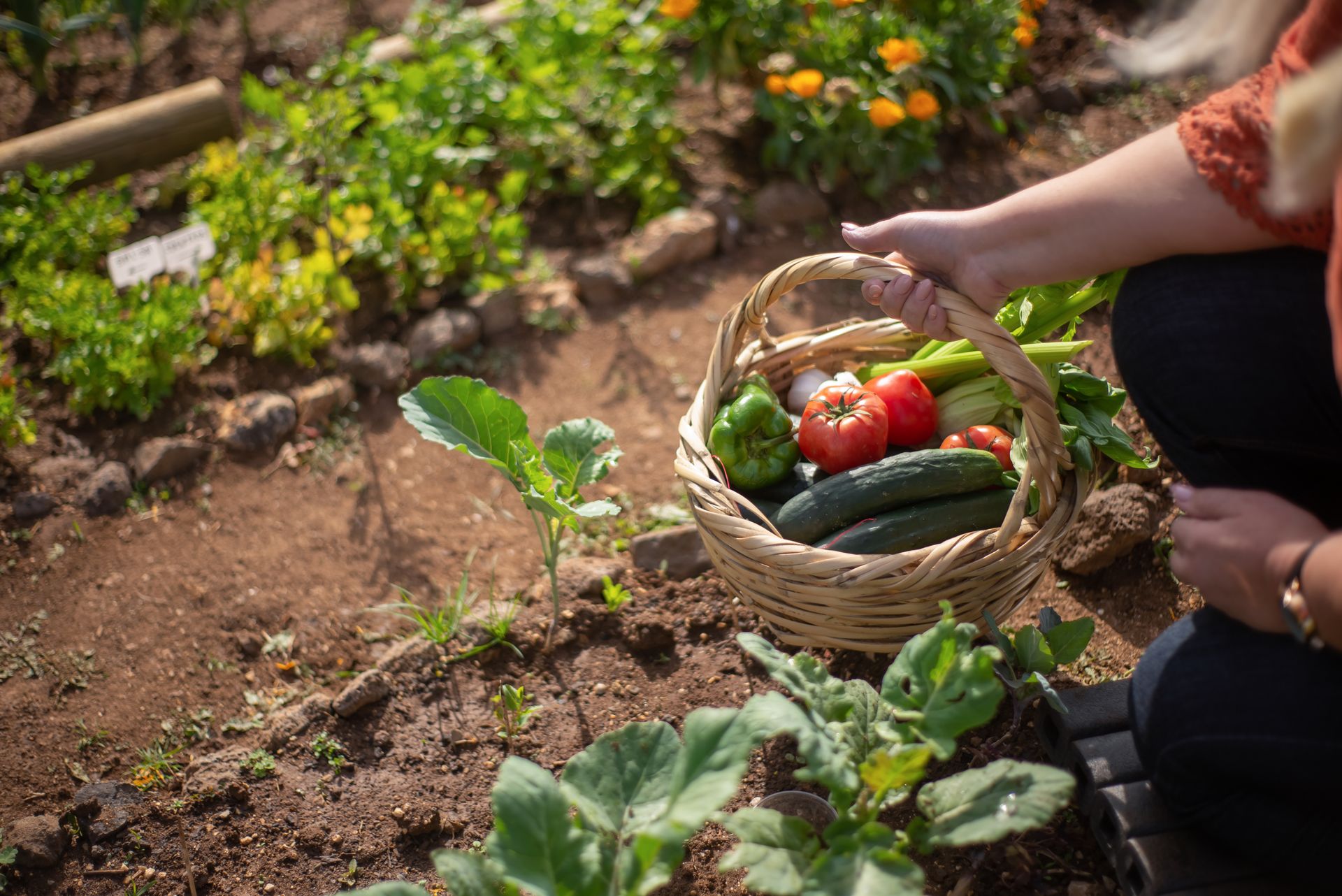
Start With Fresh Ingredients
Good homemade products begin with fresh and suitable ingredients. Choose fruits, vegetables, herbs, eggs, milk, or grains that are clean and free from serious spoilage. Do not use food with mold, unusual smells, or significant decay. Inspect ingredients carefully before processing them. Fresh ingredients can improve the flavor, appearance, and quality of the finished product.
Keep Your Workspace Clean
Clean preparation areas are essential when making homemade food products. Wash your hands before handling ingredients and clean work surfaces, utensils, containers, and equipment. Keep raw ingredients separate from finished products when necessary. Good hygiene can reduce the risk of contamination and help keep homemade foods safe.
Prepare Containers Properly
Choose containers that are suitable for the type of food you are making. Containers should be clean, dry, and in good condition. For products that require sealing, use appropriate containers and follow reliable instructions for preparing and storing them. Label finished products with the name and preparation date so they can be identified easily.
Make Homemade Fruit Products
Fresh fruits can be used to make several simple products. Depending on the fruit, you may prepare suitable jams, sauces, dried fruit, juices, or other foods. Use recipes designed for the specific product and follow ingredient measurements carefully. Some preservation methods require precise amounts of ingredients to maintain food safety, so avoid guessing when preparing products intended for long-term storage.
Prepare Vegetable Products
Vegetables can also be turned into useful homemade products. Suitable vegetables can be dried, frozen, fermented, or used to prepare sauces and other foods. Choose a method based on the type of vegetable and how you plan to store it. Keep preparation areas clean and follow reliable food preservation guidance when using methods that require specific temperatures, acidity, or processing times.
Use Fresh Herbs
Herbs are often easy to grow and can be used in homemade products. Fresh herbs can be dried for later use or combined with suitable foods and ingredients. Drying should remove enough moisture for safe storage, and dried herbs should be kept in clean, dry containers. Label each container with the herb name and date so you can use older supplies first.
Make Products From Milk
Milk can be used to make products such as yogurt, cheese, butter, and other foods. However, dairy products require careful temperature control and hygiene because harmful microorganisms can grow quickly under unsuitable conditions. Use safe, reliable recipes and appropriate equipment. Keep dairy products refrigerated when required and follow recommended storage periods.
Use Eggs In Homemade Foods
Eggs can be used in many homemade products, including baked foods, pasta, sauces, and other meals. Handle eggs carefully and keep them stored under suitable conditions. When preparing foods containing eggs, use safe cooking and storage practices. Avoid leaving egg-based foods at unsafe temperatures for long periods.
Make Simple Grain Products
Grains can be processed into useful products such as flour, porridge mixes, baked foods, and other household ingredients. Make sure grains are properly cleaned and stored before processing. Keep flour and other dry products in clean, dry containers that protect them from moisture and pests. Check stored grains regularly for insects, mold, or other signs of spoilage.
Reduce Food Waste
Making homemade products can help you use food that might otherwise go unused, but safety should always come first. Fruits that are becoming very ripe may be suitable for certain recipes if they remain safe to eat. Extra vegetables can sometimes be frozen or dried using appropriate methods. However, food showing clear signs of spoilage should not be processed in an attempt to save it.
Keep Recipes Simple
Beginners should start with products that match their skills and available equipment. Simple recipes can help you understand preparation, cooking, storage, and packaging before moving to more complicated products. Write down successful recipes and note any changes that improve the result. Avoid making major changes to preservation recipes without understanding how those changes may affect safety.
Package Products Carefully
If you plan to share or sell homemade farm products, suitable packaging becomes even more important. Choose containers that protect the food from dirt, moisture, damage, and other contamination. Labels can include the product name, ingredients, preparation date, storage instructions, and other information required by local regulations. Check your local food laws before selling homemade products because requirements can differ by location.
Store Finished Products Properly
Different homemade products require different storage conditions. Refrigerated foods should remain cold, while dry products should be protected from moisture and pests. Frozen foods should remain consistently frozen. Keep finished products away from direct sunlight and excessive heat when appropriate. Check stored foods regularly and discard anything that shows clear signs of spoilage.
Conclusion
Learning how to make homemade farm products can help households use fresh ingredients in practical ways while reducing food waste. Start with fresh ingredients, keep your workspace clean, use suitable recipes, and choose preservation methods that match each type of food. Products made from fruits, vegetables, herbs, milk, eggs, and grains can provide useful options for everyday meals. If you plan to sell your products, follow local food safety and labeling requirements. With careful preparation and good storage habits, homemade farm products can become a useful part of a household or small farm.