A productive kitchen garden can provide fresh vegetables, herbs, and fruits while making better use of available outdoor space. However, successful gardening requires more than planting seeds and waiting for a harvest. You need to consider sunlight, soil quality, water, crop selection, spacing, and seasonal conditions before you begin.
With thoughtful planning, even a modest garden can produce a surprising amount of food. Instead of planting randomly, develop a practical layout that matches your household needs and the conditions of your growing area.
Choose the Right Location
Start by selecting a suitable location for your garden. Most vegetables require several hours of sunlight each day, although some leafy crops can tolerate partial shade.
Observe your chosen area throughout the day and identify places that receive consistent sunlight. Avoid areas where buildings, walls, or large trees create excessive shade.
Also consider accessibility. A garden located close to your home makes it easier to water, harvest, inspect plants, and manage weeds regularly.
Check Drainage
Good drainage protects plant roots from prolonged waterlogging. If water remains on the soil surface after rain, consider improving the soil structure or creating raised beds.
A slightly elevated planting area can also make garden management easier, particularly in locations that receive heavy rainfall.
Decide What to Grow
The best crops depend on what your household actually eats. Before buying seeds, make a list of vegetables, herbs, and fruits that you regularly use.
Consider growing:
-
Tomatoes
-
Onions
-
Leafy greens
-
Carrots
-
Beans
-
Peppers
-
Herbs
-
Cucumbers
-
Pumpkins
Prioritize crops that provide good value for the space they occupy. You should also consider how quickly each crop matures and whether you can plant several rounds during the growing season.
Plan Your Garden Layout
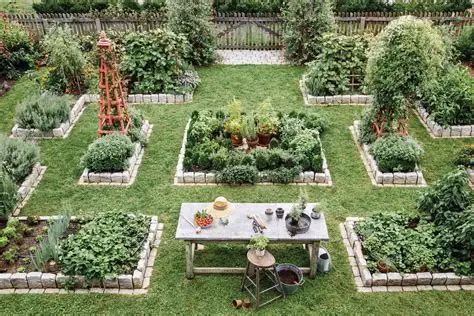
A well-designed layout helps plants receive adequate sunlight while making maintenance easier. Avoid overcrowding because plants that grow too closely together may compete for water, nutrients, and light.
Place taller crops where they will not cast unwanted shade over shorter plants. You can also use trellises to grow climbing crops vertically and save valuable ground space.
Group Crops by Their Needs
Organize plants according to their watering, sunlight, and maintenance requirements. This arrangement can make routine care more efficient.
For example, place crops with similar water requirements together. You can then avoid giving excessive water to plants that prefer drier conditions.
Prepare Healthy Soil
Healthy soil provides the foundation for a productive kitchen garden. Before planting, remove weeds and large debris, then examine the soil’s texture and drainage.
Add mature compost or other suitable organic matter to improve soil structure and support beneficial organisms. If possible, test the soil to identify nutrient deficiencies or unsuitable pH levels.
Avoid adding large amounts of fertilizer without knowing what the soil needs. Excess nutrients can harm plants and create environmental problems.
Plan Your Watering System
Consistent watering helps plants establish strong roots and maintain healthy growth. However, excessive watering can be just as harmful as insufficient moisture.
Water deeply when appropriate rather than repeatedly wetting only the soil surface. Mulching can also help reduce evaporation and keep soil temperatures more stable.
Make Watering Efficient
Consider using methods that deliver water directly to the root zone. Drip irrigation and carefully positioned hoses can reduce unnecessary water loss.
Water early in the day when practical. This approach can give plants time to absorb moisture before temperatures rise and can reduce prolonged leaf wetness.
Use Succession Planting
Succession planting allows you to maintain a steady supply of vegetables instead of harvesting everything at once. Rather than planting an entire crop on one day, sow smaller quantities at intervals when local conditions allow.
For example, you might plant leafy greens every few weeks during a suitable growing period. As one group approaches maturity, another group continues developing.
This technique can make a productive kitchen garden more useful throughout the season and reduce periods when little is available to harvest.
Rotate Your Crops
Avoid planting the same crop family in the same location repeatedly. Crop rotation can help reduce the buildup of certain pests and diseases while allowing you to manage soil nutrients more effectively.
For instance, follow nutrient-demanding crops with plants that have different requirements. Including legumes in a rotation can also contribute to healthier soil management.
Keep simple records of what you plant in each area. These notes can make future planning much easier.
Protect Plants Naturally
Regularly inspect plants for signs of insects, disease, nutrient deficiencies, or environmental stress. Early detection allows you to respond before problems spread.
Encourage beneficial insects by growing suitable flowers and avoiding unnecessary pesticide applications. Remove severely diseased plant material and maintain adequate spacing to improve air circulation.
Mulch can also suppress weeds and protect the soil surface. However, keep thick organic mulch away from plant stems to reduce moisture-related problems.
Harvest at the Right Time
Harvesting correctly can encourage continued production in many crops. Pick vegetables at their appropriate stage rather than allowing them to remain on the plant longer than necessary.
Frequent harvesting can encourage some plants to produce additional flowers or fruit. Furthermore, harvesting fresh produce regularly allows you to enjoy better flavor and texture.
Keep Improving Your Garden
A productive kitchen garden does not have to be perfect from the beginning. Pay attention to what works and adjust your approach each season.
Keep track of:
-
Crops that produced well
-
Varieties that struggled
-
Pest and disease problems
-
Planting dates
-
Harvest quantities
-
Watering challenges
These records can help you make better decisions in future seasons.
Ultimately, productive kitchen garden planning comes down to using your available resources wisely. Select suitable crops, prepare healthy soil, manage water carefully, use space efficiently, and plant according to the season.
With consistent care, a productive kitchen garden can provide fresh food while turning even a limited growing area into a valuable household resource. Start small, learn from each harvest, and gradually expand your garden as your experience grows. Over time, your productive kitchen garden can become a reliable source of fresh produce and an enjoyable part of everyday life.