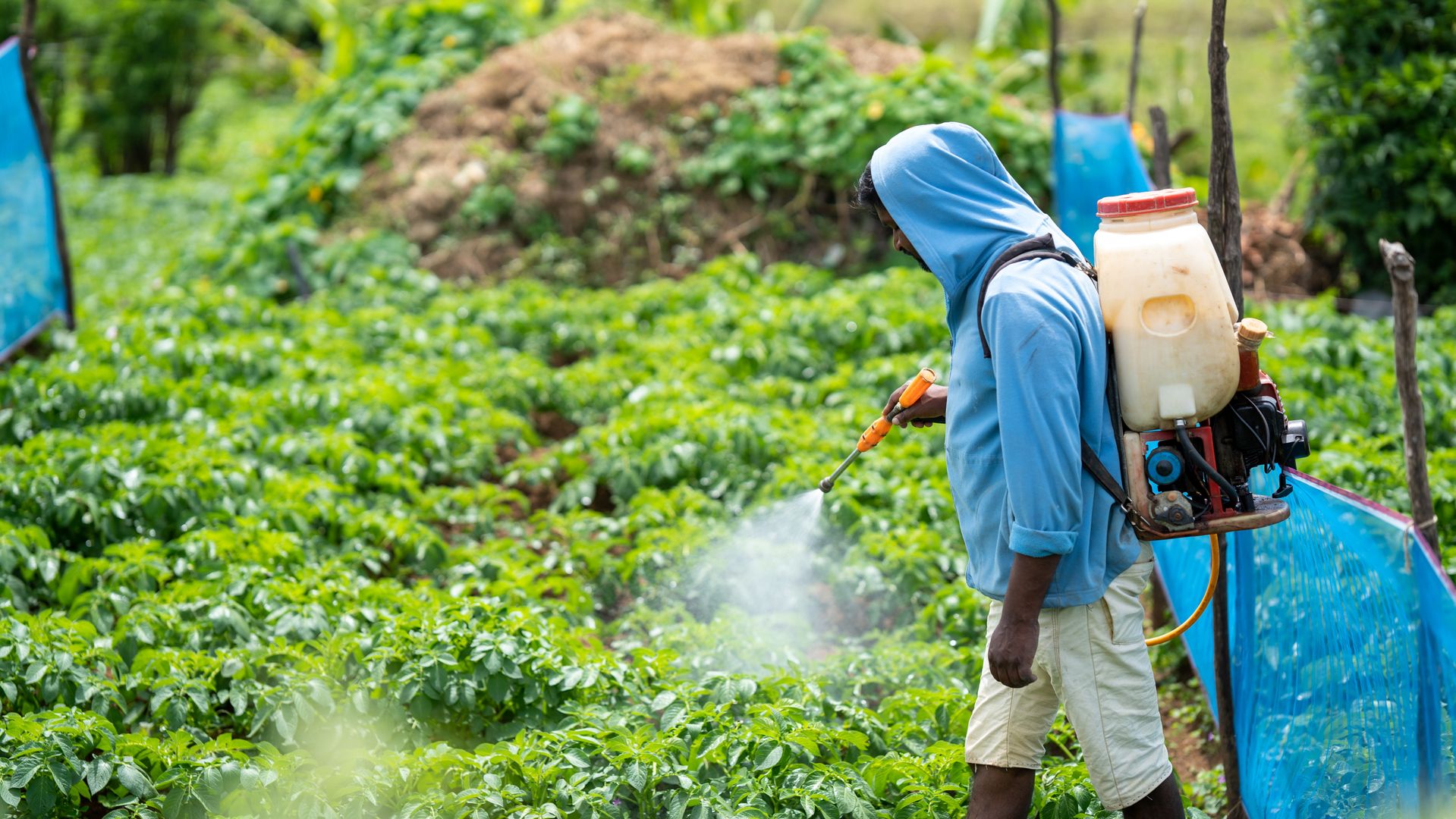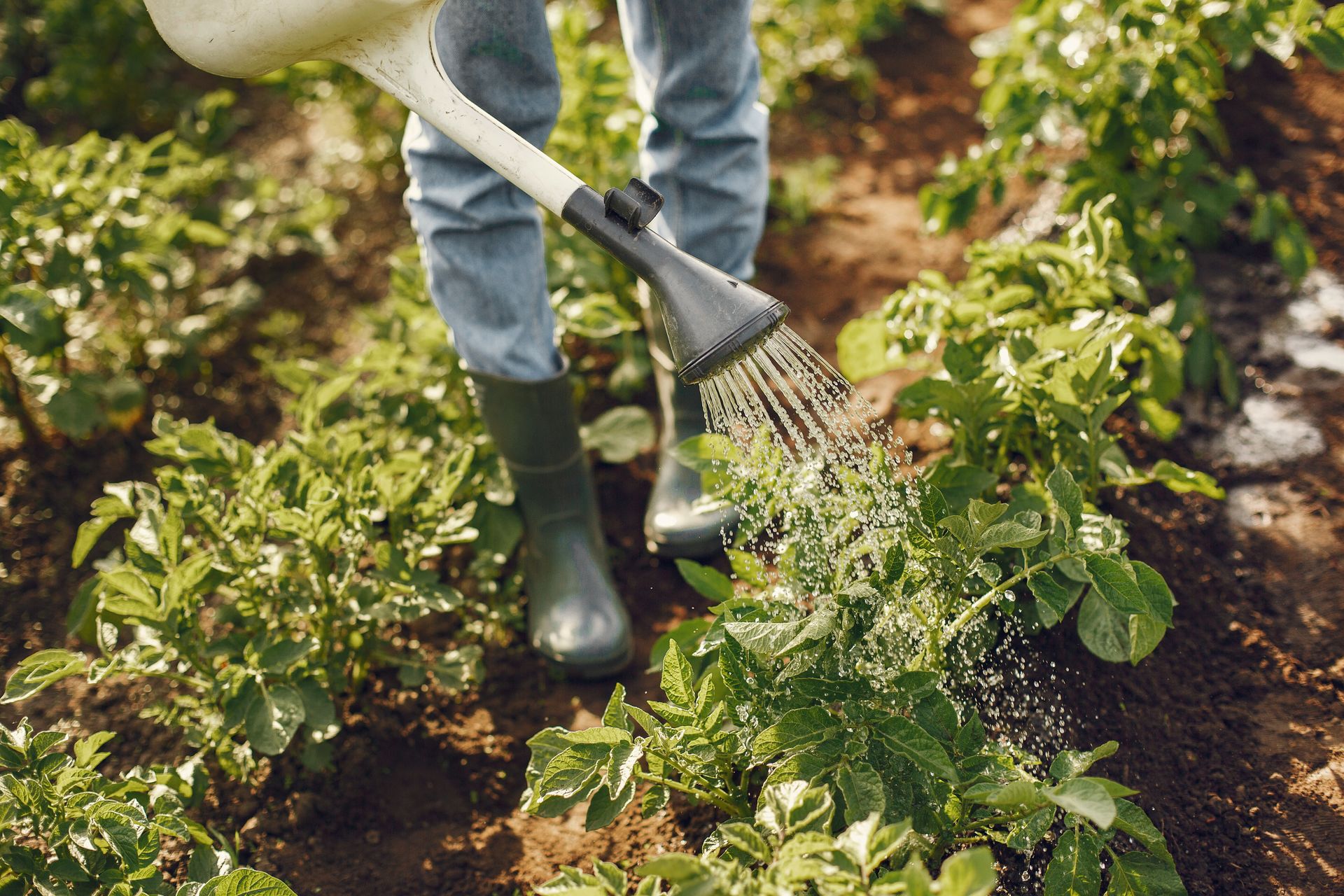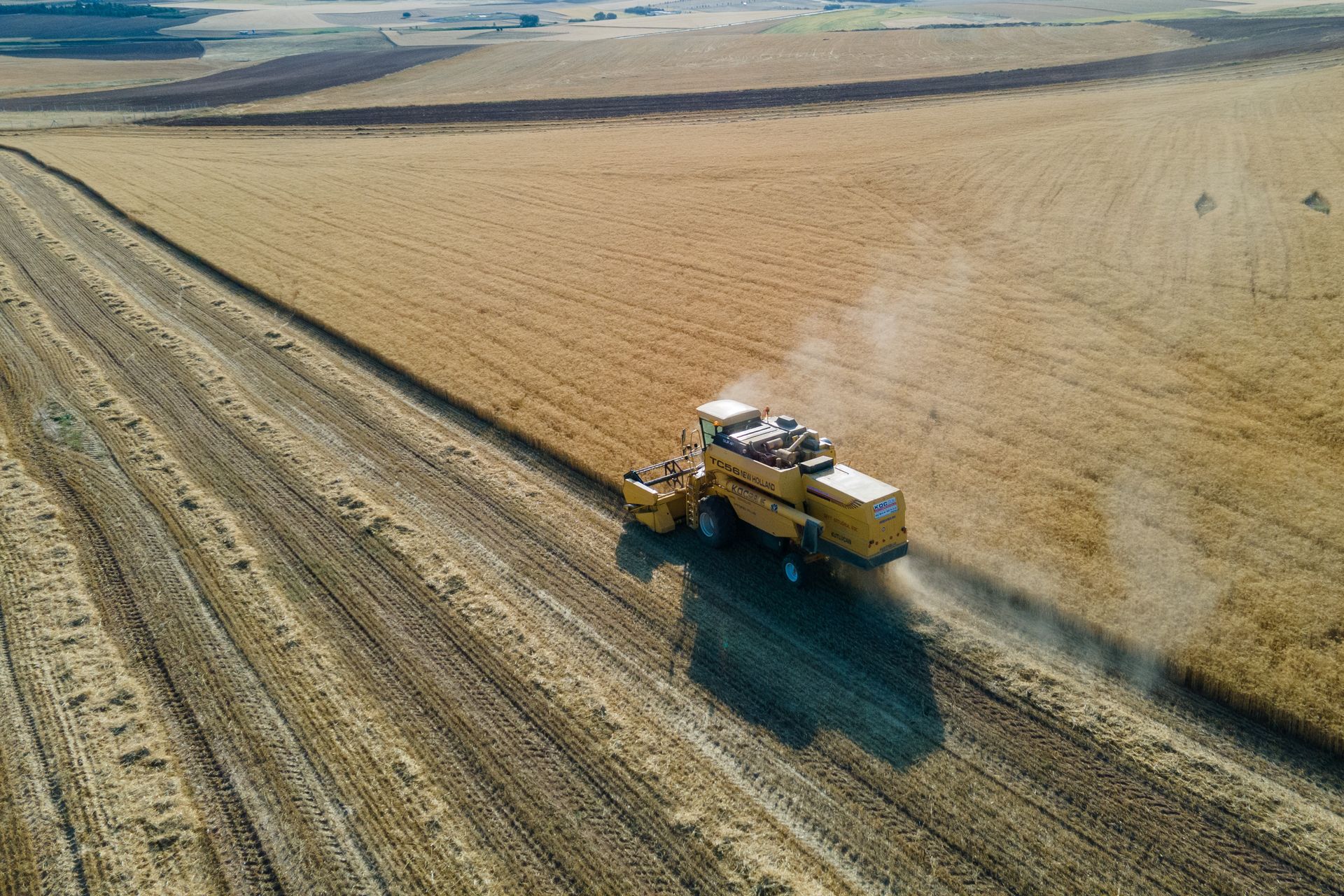
Farm pest control can help farmers protect valuable crops while reducing unnecessary dependence on harsh chemicals. Insects, rodents, birds, and plant diseases can quickly damage fields when farmers fail to monitor them. Fortunately, farmers can use several natural strategies to discourage pests and maintain healthier crops. These methods work best when farmers combine prevention, observation, and timely action. Instead of waiting until an infestation becomes severe, develop a practical approach that keeps pest populations below damaging levels.
Understand the Pests on Your Farm
Before choosing a treatment, identify the pest causing the problem. Different pests require different responses, so guessing can waste both time and money.
Walk through your fields regularly and inspect leaves, stems, roots, fruits, and soil. Look for holes, discoloration, damaged seedlings, droppings, webs, or unusual plant growth. Also, record where and when you notice the problem.
Learn the Pest’s Behavior
Understanding a pest’s life cycle can make prevention easier. Some insects lay eggs on specific plants, while others become active during particular seasons. Similarly, rodents may become more troublesome when food becomes scarce elsewhere.
Keep simple records that include:
-
The type of pest observed
-
The affected crop
-
The location of the infestation
-
The time of year
-
The extent of crop damage
-
Weather conditions during the outbreak
Consequently, you can identify patterns and respond before the problem spreads.
Keep Plants Healthy
Healthy plants often tolerate pest pressure better than weak or stressed plants. Therefore, provide crops with suitable nutrients, adequate water, sunlight, and growing conditions.
Avoid excessive fertilizer, particularly when plants do not require it. Too much nitrogen can encourage soft, rapid growth that attracts certain insects. Instead, base fertilizer applications on soil tests and crop requirements.
Proper irrigation also matters. Water plants according to their needs and avoid creating constantly wet conditions that encourage diseases and other problems.
Encourage Beneficial Insects
Not every insect threatens your harvest. Many beneficial insects prey on harmful pests or help pollinate crops. Lady beetles, lacewings, spiders, praying mantises, and some predatory bugs can help maintain natural balance.
You can encourage these useful organisms by providing suitable habitat. Plant flowering species around field edges, maintain small areas of vegetation, and avoid unnecessary broad-spectrum pesticides that can eliminate beneficial insects along with harmful ones.
Protect Natural Predators
Birds, frogs, bats, and other animals can also consume large numbers of agricultural pests. Providing suitable shelter, water sources, or nesting areas can encourage these natural predators to remain near your fields.
As a result, nature can contribute to pest management while reducing the pressure on farmers to intervene constantly.
Practice Crop Rotation
Crop rotation provides another useful prevention strategy. Growing the same crop repeatedly in the same location can allow certain pests and diseases to establish themselves more easily.
Instead, rotate crops with different characteristics and nutrient requirements. For example, farmers can alternate crops from different plant families to disrupt pest life cycles.
Crop rotation can also improve soil health and reduce the likelihood that a single pest will find a continuous food source. Over several seasons, this strategy can become an important part of farm pest control.
Use Physical Barriers
Physical barriers can prevent pests from reaching crops in the first place. Depending on the crop and pest, farmers can use netting, row covers, fencing, traps, or protective screens.
For small vegetable plots, insect netting can prevent certain flying insects from reaching plants. Fencing can discourage larger animals, while secure storage areas can reduce rodent problems after harvest.
However, inspect barriers regularly. Small gaps can give pests easy access and undermine an otherwise effective system.
Improve Farm Hygiene
Good sanitation can remove places where pests reproduce and survive. Clear diseased plant material from fields and dispose of heavily infested plants appropriately.
Remove fallen fruit, weeds that harbor pests, and crop residues that can provide shelter. Clean tools and equipment when moving between affected and healthy areas.
Furthermore, maintain clean storage facilities. Seal openings, remove spilled grain, and inspect stored produce regularly. These simple actions can reduce pest populations before they become difficult to control.
Try Natural Treatments Carefully
Farmers can sometimes use naturally derived substances to discourage or control pests. Neem-based preparations, insecticidal soaps, horticultural oils, and other approved natural products may provide useful options for certain problems.
Nevertheless, natural does not automatically mean harmless. Some substances can damage crops, harm beneficial insects, or affect people when used incorrectly. Always follow appropriate application instructions and check whether a product is suitable for the specific crop.
Test any treatment on a small area before applying it widely. This approach helps reveal potential plant sensitivity while limiting unnecessary losses.
Monitor Instead of Reacting
Effective farm pest control depends heavily on regular monitoring. Inspect fields on a schedule rather than waiting for visible damage to become widespread.
Use simple monitoring methods such as visual inspections, sticky traps, pheromone traps, or sample plants. When pest numbers remain low, you may not need immediate treatment.
This principle saves resources because farmers can focus their efforts where they will have the greatest effect. It also helps preserve beneficial organisms that support natural pest regulation.
Build an Integrated Strategy
No single natural technique works against every agricultural pest. Instead, combine several compatible methods throughout the growing season.
A practical strategy might include:
-
Starting with healthy seeds and planting material
-
Rotating crops between seasons
-
Removing weeds and diseased plant material
-
Encouraging beneficial insects and predators
-
Using physical barriers where appropriate
-
Monitoring fields consistently
-
Applying suitable natural treatments only when necessary
This integrated approach makes farm pest control more sustainable because it emphasizes prevention rather than constant treatment.
Protect Your Crops Naturally
Natural pest management requires patience, observation, and consistency. Farmers who understand their pests can choose appropriate preventive measures instead of reacting after significant damage occurs.
By improving soil and plant health, encouraging natural predators, rotating crops, maintaining clean fields, and monitoring regularly, farmers can reduce pest pressure without relying exclusively on synthetic chemicals.
Ultimately, successful farm pest control comes from creating an environment where crops remain strong and pest populations remain manageable. With careful planning and continued observation, natural methods can protect harvests while supporting a healthier and more balanced farm ecosystem.