Soil preparation methods play a vital role in determining how well crops establish, develop, and produce a healthy harvest. Good soil does more than hold plants upright. It supplies nutrients, stores water, supports beneficial organisms, and provides roots with enough air to function properly. Therefore, farmers and gardeners should prepare the soil before planting rather than expecting crops to thrive in neglected ground.
Why Soil Preparation Matters
Healthy crops begin below the surface. When soil becomes compacted, poorly drained, or depleted of nutrients, roots struggle to spread and absorb essential resources. As a result, plants may grow slowly, develop weak stems, or produce smaller yields.
Effective soil preparation methods improve the physical, chemical, and biological condition of the growing area. They also create a stronger foundation for crops throughout the growing season.
Key Benefits of Well-Prepared Soil
-
Improves root development and nutrient uptake
-
Encourages better water infiltration and drainage
-
Reduces problems caused by compacted soil
-
Supports beneficial microorganisms
-
Helps crops establish more quickly
-
Creates more favorable conditions for consistent yields
Start With a Soil Assessment
Before adding fertilizer, compost, or other amendments, examine the soil. A simple assessment can reveal problems that may otherwise remain unnoticed.
First, check the soil texture. Sandy soil usually drains quickly but may struggle to retain nutrients and moisture. Clay soil, by contrast, can hold water and nutrients effectively but may become dense and difficult to work. Loamy soil generally provides a useful balance of drainage, moisture retention, and aeration.
Next, consider the soil’s pH. Most crops grow well within a moderately acidic to neutral range, although individual plants have different preferences. A soil test can provide valuable information about pH and nutrient levels, allowing you to make targeted improvements instead of adding products unnecessarily.
Improve Soil Structure
Once you understand the soil’s condition, focus on improving its structure. Healthy soil contains a balance of mineral particles, organic matter, water, and air spaces. This structure allows roots to move freely while giving them access to oxygen.
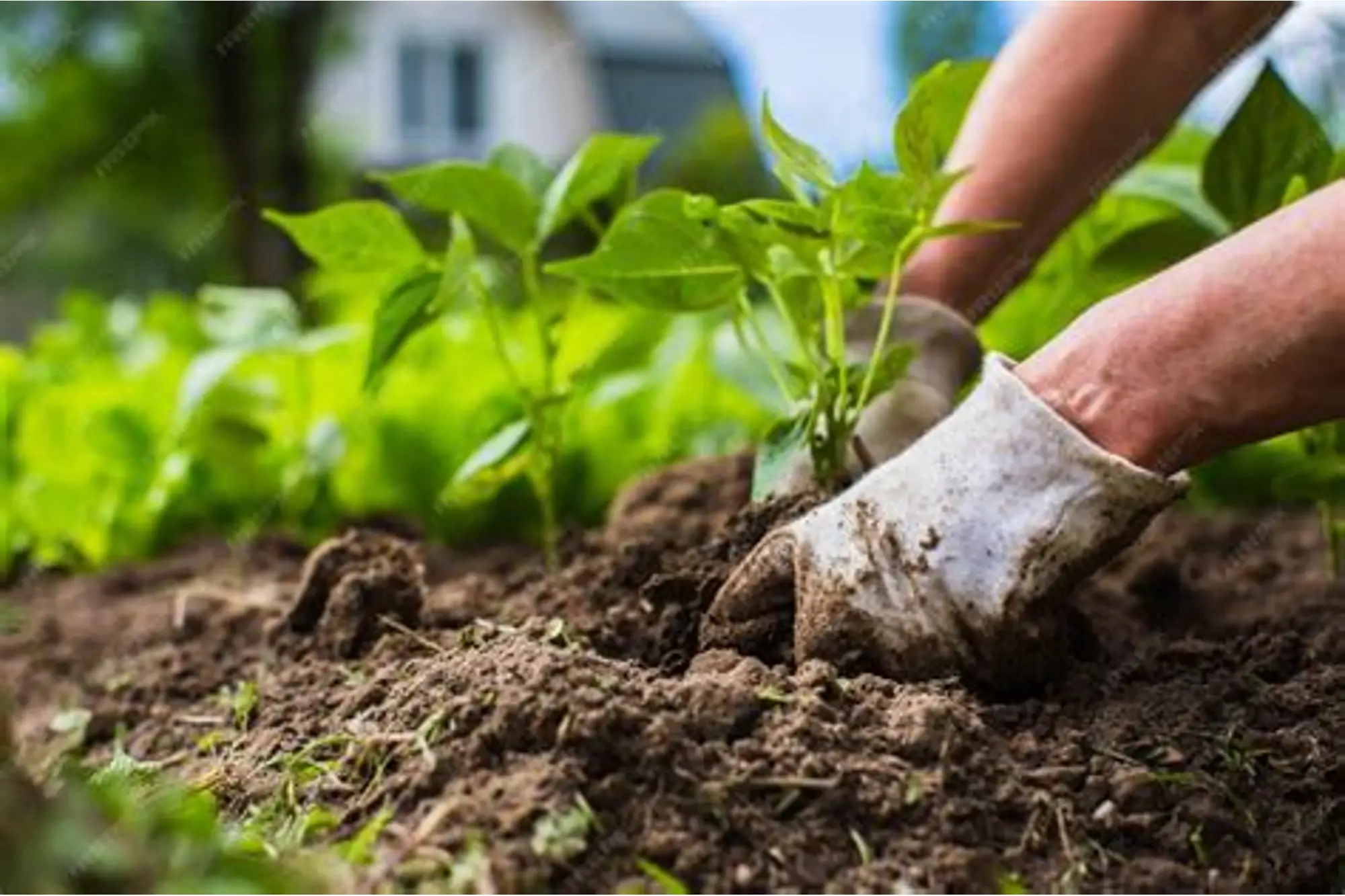
Adding mature compost is one practical way to increase organic matter. Compost can improve moisture retention in sandy soils while helping heavy soils become more workable. However, always use well-decomposed material because unfinished organic matter can interfere with plant growth.
Avoid working wet soil whenever possible. Turning or digging saturated ground can create dense clumps that become difficult to break apart later. Instead, wait until the soil reaches a workable moisture level.
Reduce Compaction
Compacted soil limits root expansion and restricts air and water movement. Heavy machinery, repeated foot traffic, and excessive cultivation can all contribute to compaction.
To reduce the problem:
-
Limit unnecessary traffic across planting beds.
-
Use designated paths where possible.
-
Add organic matter regularly.
-
Loosen compacted areas carefully rather than repeatedly turning the entire soil profile.
Over time, plant roots, earthworms, and soil organisms can also help create natural channels through the ground.
Supply Essential Nutrients
Crops need nutrients such as nitrogen, phosphorus, potassium, calcium, magnesium, and sulfur for healthy growth. However, more fertilizer does not automatically mean better plants. Excess nutrients can damage roots, reduce environmental quality, and create nutrient imbalances.
Good soil preparation methods rely on soil-test information whenever possible. Apply amendments according to actual deficiencies and the needs of the crop you intend to grow.
Organic materials can also contribute nutrients while improving soil structure. Compost, properly aged manure, and suitable plant residues can gradually release nutrients as microorganisms break them down.
Manage Moisture Before Planting
Water management deserves attention before seeds or seedlings enter the ground. Soil that remains saturated can deprive roots of oxygen, while extremely dry soil can prevent young plants from establishing properly.
Improve drainage in areas that remain excessively wet, but do not assume every problem requires a drainage system. Sometimes increasing organic matter and improving soil structure can make a noticeable difference.
Likewise, mulching after planting can reduce evaporation, moderate soil temperature, and protect the surface from erosion. Choose mulch materials that suit the crop and local conditions.
Prepare the Soil at the Right Time
Timing can determine whether soil preparation methods actually benefit the planting area. Prepare soil when it is neither excessively wet nor extremely dry. Working at the right moisture level helps maintain useful soil aggregates and reduces compaction.
Before planting, remove large weeds and unwanted debris. Then create a reasonably level, well-aerated seedbed appropriate for the crop. Some crops require a fine surface, while others perform better in a less disturbed soil environment.
Avoid excessive tillage simply because the ground looks smoother afterward. Repeated disturbance can break down soil structure and reduce organic matter over time.
Keep Improving the Soil
Soil improvement should continue after planting. Crop rotation, cover crops, compost applications, residue management, and reduced disturbance can gradually strengthen the growing environment.
For example, rotating crops can interrupt certain pest and disease cycles while varying nutrient demands. Cover crops can protect bare ground from erosion and contribute organic material when managed correctly.
A Simple Soil Preparation Checklist
Before planting, confirm that you have:
-
Tested the soil where appropriate
-
Checked drainage and compaction
-
Added suitable organic matter
-
Corrected major nutrient deficiencies
-
Considered the crop’s preferred pH
-
Removed competing weeds
-
Prepared the seedbed at the right moisture level
-
Planned ongoing soil management
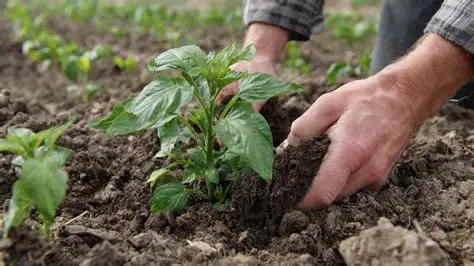
Build a Strong Foundation for Better Crops
Successful crop production starts with the ground beneath the plants. By assessing soil conditions, improving structure, supplying appropriate nutrients, and managing moisture, growers can create an environment where roots develop efficiently.
Ultimately, soil preparation methods should focus on long-term soil health rather than quick fixes. Consistent care, sensible amendments, crop rotation, and careful cultivation can gradually improve the land and support healthier plants. When growers treat soil as a living resource instead of simply a planting medium, they create better conditions for productive crops season after season.