Healthy soil provides the foundation for strong crops and productive gardens. Before planting seeds or seedlings, farmers should prepare the soil carefully to create favorable conditions for root development, nutrient uptake, and water management. Fortunately, proper soil preparation does not have to be complicated. With a few practical steps, you can improve your soil and give your crops a stronger start.
If you want to learn how to prepare soil for planting, follow these essential steps.
Understand Your Soil
First, learn about the soil you already have. Soil can vary considerably from one field or garden to another, so avoid assuming that every area has the same needs.
Pay attention to the soil’s texture, drainage, color, and structure. Sandy soil usually drains quickly, while clay-heavy soil can hold more water but may become compacted.
A soil test can provide more useful information about pH and nutrient levels. Therefore, consider testing your soil before applying large amounts of fertilizer or other amendments.
Clear Weeds and Debris
Next, remove weeds, large stones, rubbish, and other unwanted materials from the planting area.
Weeds can compete with crops for water, nutrients, sunlight, and space. Removing them before planting gives young crops a better opportunity to establish themselves.
However, avoid leaving bare soil unnecessarily exposed. Once the area is prepared, consider using suitable mulch or planting a cover crop where appropriate to protect the soil from erosion and excessive moisture loss.

Loosen Compacted Soil
Roots need access to air, water, and nutrients. Consequently, compacted soil can make it difficult for plants to develop properly.
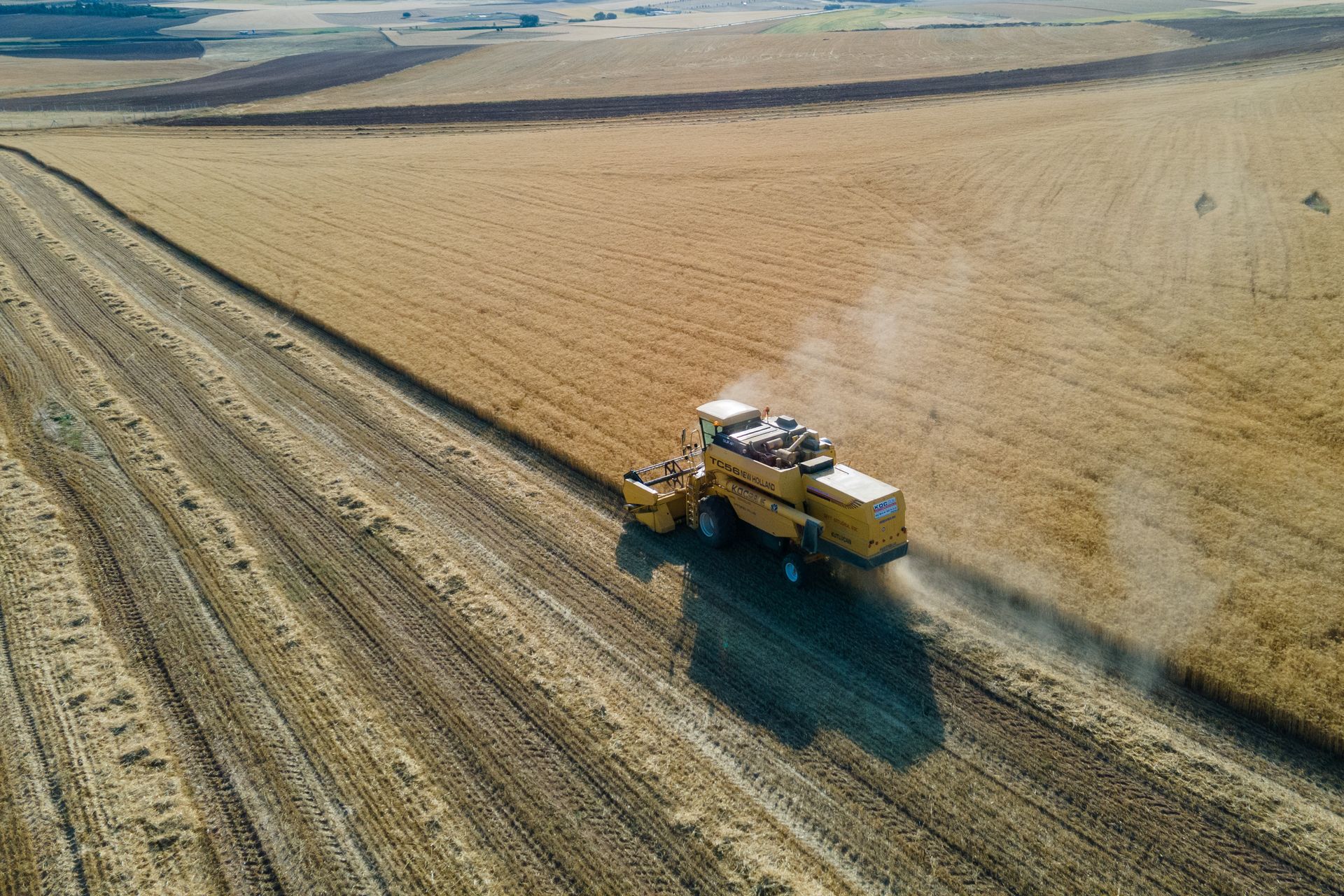
Use an appropriate tool to loosen compacted areas. For small gardens, a garden fork or hoe may be sufficient. On larger farms, farmers may use suitable tillage equipment.
However, avoid excessive tillage. Repeatedly disturbing soil can damage its structure and contribute to erosion. Instead, use the minimum soil disturbance needed to create suitable planting conditions.
Add Organic Matter
Adding suitable organic matter can improve soil structure and support soil health.
Compost, well-decomposed manure, and appropriate plant residues can add organic material to the soil. They may also improve moisture retention in some soils while supporting beneficial soil organisms.
However, make sure manure and compost are properly prepared before application. Fresh manure can damage some crops and may introduce unwanted pathogens or weed seeds.
Use soil-test information and crop requirements to determine how much organic material is appropriate.
Check and Adjust Soil pH
Soil pH affects the availability of many nutrients. Different crops also have different pH preferences.
Therefore, test your soil when possible before making major amendments. If the soil is too acidic or alkaline for your intended crop, appropriate amendments may help bring conditions closer to the desired range.
Do not add large quantities of lime or other materials without understanding your soil’s requirements. Applying unnecessary amendments can create additional nutrient problems.
Improve Drainage Where Necessary
Good drainage is important because most crops need adequate moisture but can suffer when their roots remain waterlogged.
Observe the planting area after rainfall or irrigation. If water remains on the surface for extended periods, investigate the cause.
Depending on the situation, farmers may improve drainage through appropriate field design, raised beds, drainage channels, or other suitable methods.
At the same time, avoid removing water too quickly from soils that naturally have good moisture retention. The goal is balanced water management rather than simply maximum drainage.
Apply Fertilizer Based on Need
Fertilizer can provide nutrients that crops require, but more is not necessarily better.
Start with a soil test where possible. Then consider the nutrient requirements of your chosen crop and the expected yield.
Apply nutrients according to appropriate recommendations and avoid excessive application. Too much fertilizer can waste money, contribute to environmental pollution, and potentially damage plants.
Organic fertilizers and compost can also play a role in a soil fertility program when used appropriately.
Prepare the Planting Bed
Once the soil has been improved, create a suitable planting bed.
The exact approach depends on the crop. Some crops perform well in raised beds, while others can be planted directly into prepared fields.
Create a reasonably level and well-structured seedbed without excessively pulverizing the soil. A good planting bed should allow seeds to make contact with moist soil while providing enough air and space for roots to develop.
Plan Planting Depth and Spacing
Finally, prepare for the specific requirements of your crop.
Different seeds require different planting depths and spacing. Planting too deeply can make emergence difficult, while planting too shallowly can leave seeds vulnerable to drying out.
Follow recommendations for your chosen crop and variety. In addition, leave enough space between plants to reduce competition for water, nutrients, light, and air.
Protect the Soil After Preparation
Soil preparation should not end when planting begins. Continue protecting the soil throughout the growing season.
Mulching can help reduce evaporation, suppress weeds, and protect the soil surface. Crop rotation can also help maintain soil health and reduce the buildup of certain pests and diseases.
Where suitable, cover crops can protect soil between production cycles and contribute organic matter.
Furthermore, avoid unnecessary traffic on wet soil because heavy equipment and foot traffic can increase compaction.
Final Thoughts
Learning how to prepare soil for planting is one of the most important skills for any farmer or gardener. Start by understanding your soil, removing weeds, reducing harmful compaction, and adding appropriate organic matter. Then, manage pH, drainage, nutrients, and planting conditions according to your crop’s needs.
Most importantly, treat soil as a long-term resource. Good soil management does more than prepare one planting bed; it creates healthier growing conditions that can support productive crops for many seasons.