Preserve farm produce properly and you can enjoy the value of a successful harvest long after crops leave the field. Fresh fruits and vegetables often have a limited shelf life, so leaving surplus food untreated can result in unnecessary waste. Fortunately, farmers and homesteaders can use several practical preservation methods to extend freshness, protect food quality, and make seasonal harvests available throughout the year.
Start With Fresh, Quality Produce
Successful preservation begins with the quality of the harvest. Choose produce that is fresh, mature, and free from serious bruising, mold, or decay. Damaged foods can deteriorate quickly and may affect nearby produce.
Harvest crops at the appropriate stage for the preservation method you intend to use. For example, some vegetables are best preserved soon after harvesting, while certain fruits may require additional ripening before processing.
Before beginning, sort the harvest carefully. Remove damaged pieces and separate products according to size and type. Then clean them appropriately and prepare them for the chosen preservation method.
Store Produce in the Right Conditions
Some crops do not require processing immediately. Proper storage can extend their useful life while preserving much of their natural quality.
Cool, dark, and well-ventilated conditions can work well for certain root vegetables, onions, garlic, and other suitable crops. However, storage requirements vary considerably between products.
Keep produce away from direct sunlight and inspect stored crops regularly. Remove spoiled items promptly so they do not encourage deterioration in healthy produce.
Improve Storage Organization
Good organization makes it easier to monitor stored food. Label containers with the product name and preservation date. Arrange older batches so they are used first.
Farmers should also avoid overcrowding storage areas. Adequate airflow can help reduce moisture accumulation and prevent some forms of spoilage.
Drying Fresh Produce
Drying is one of the oldest ways to preserve food. It removes much of the moisture that microorganisms need to grow, allowing suitable fruits, vegetables, and herbs to last significantly longer.
Farmers can use a food dehydrator, solar dryer, or another appropriate drying system. The method should protect the food from dust, insects, excessive heat, and moisture.
Slice produce into relatively uniform pieces so it dries more evenly. Once completely dried according to a reliable food-preservation method, store it in clean, moisture-resistant containers.
Dried foods should be checked periodically. If moisture or signs of spoilage appear, discard questionable products rather than taking unnecessary risks.
Freezing for Longer Storage
Freezing can maintain the flavor, color, and texture of many fruits and vegetables. However, some vegetables benefit from blanching before freezing because this process can help slow quality deterioration.
Prepare produce promptly after harvesting. Clean and cut it as appropriate, follow a tested freezing procedure, and package food in suitable containers or freezer bags.
Remove as much excess air as practical and label each package with its contents and date. Keep the freezer at the recommended temperature and avoid repeatedly thawing and refreezing food.
Canning Requires Care
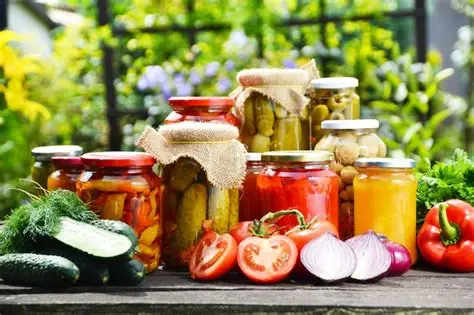
Canning can provide long-term storage without refrigeration, but it requires careful attention to food safety. The correct processing method depends on the acidity and characteristics of the food.
High-acid foods and low-acid foods require different procedures. Low-acid foods, including many vegetables, require pressure canning using a scientifically tested process to control the risk of dangerous bacterial growth.
Use tested recipes and follow recommended processing times, temperatures, jar sizes, and pressure levels. Do not improvise processing instructions simply because a method appears convenient.
Fermentation Adds Variety
Fermentation can preserve certain vegetables while creating distinctive flavors. Products such as sauerkraut and other fermented vegetables can be made using controlled fermentation methods.
Clean equipment and appropriate salt concentrations are essential. Follow a reliable recipe and monitor the process carefully.
Fermented foods should develop the expected characteristics of a successful fermentation. If there are signs of serious spoilage, unusual growth, or an unpleasant abnormal odor, do not consume the product.
Use Pickling to Extend Shelf Life
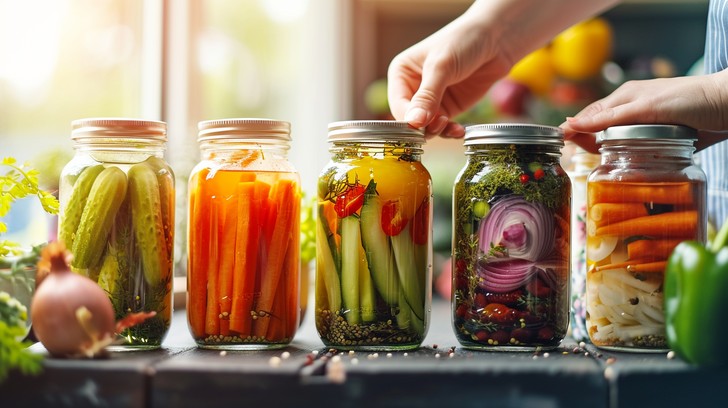
Pickling provides another option for preserving suitable vegetables and fruits. Vinegar-based pickling uses acidity to create an environment that helps control harmful microorganisms.
For shelf-stable pickled foods, use tested recipes with the correct acidity and processing instructions. Do not reduce vinegar or alter ingredient proportions casually because doing so can affect food safety.
Refrigerator pickles are another option, but they should remain refrigerated and should not automatically be treated as shelf-stable products.
Reduce Waste Through Planning
To preserve farm produce effectively, farmers should plan preservation around expected harvest volumes. Processing enormous quantities at once can become exhausting and may lead to poor-quality results.
Instead, estimate how much food your household or customers can realistically use. Preserve the surplus in manageable batches and choose methods that suit the type of produce available.
Simple records can help. Write down the quantity preserved, method used, date, and storage location. These notes make it easier to identify which techniques work best from one season to the next.
Choose the Right Method for Each Crop
Not every preservation technique suits every product. Therefore, preserve farm produce according to its characteristics rather than using one method for everything.
For example:
-
Dry herbs when you want a compact, long-lasting product.
-
Freeze suitable vegetables and fruits when freezer space is available.
-
Store appropriate root crops under suitable conditions.
-
Ferment vegetables using tested procedures.
-
Can suitable foods according to scientifically tested recipes.
-
Pickle appropriate products using reliable acidity and processing guidelines.
Protect the Value of Your Harvest
Learning to preserve farm produce can reduce waste and make seasonal abundance more useful. The key is to begin with high-quality food, choose an appropriate preservation method, maintain clean equipment, and follow reliable food-safety instructions.
With careful planning, farmers can transform a short harvest window into a longer supply of useful food. Proper storage, drying, freezing, canning, fermentation, and pickling each offer valuable options when used correctly.
Ultimately, preserve farm produce with quality and safety in mind rather than simply trying to make food last longer. Good preservation protects the effort invested in growing crops while giving families and customers more opportunities to enjoy the harvest.