




Fresh fruits and vegetables provide flavor, nutrients, and variety, but many have a limited shelf life. Fortunately, proper storage and preservation can help you enjoy seasonal produce for longer while reducing food waste.
Whether you grow your own food or purchase fresh produce from local farms, learning preservation techniques can help you make better use of your harvest.
Understanding how to preserve fresh fruits and vegetables starts with choosing the right method for each type of produce and following safe food-handling practices.
Start With Fresh, Quality Produce
Good preservation begins with good-quality produce.
Choose fruits and vegetables that are fresh, mature, and free from significant bruising, mold, or signs of spoilage.
Process produce as soon as practical after harvesting or purchasing it.
Remove damaged pieces before storage or preservation because spoiled produce can affect nearby food.
Wash produce appropriately before using certain preservation methods, and follow recommended food-safety practices.
Store Produce Correctly
Not every fruit or vegetable needs to be preserved immediately.
Some foods can remain fresh for days or weeks when stored under suitable conditions.
Refrigeration can help extend the life of many fruits and vegetables, while other produce may perform better in a cool, dry, well-ventilated location.
Learn the storage requirements for each type of produce.
Avoid storing foods together when certain fruits release natural gases that can accelerate ripening or spoilage in nearby produce.
Use Refrigeration
Refrigeration is one of the simplest ways to slow deterioration.
Store suitable fruits and vegetables in the appropriate sections of your refrigerator.
Keep produce organized so you can use older items first.
Do not overcrowd storage areas because adequate airflow can help maintain quality.
However, some fruits and vegetables can suffer quality changes when refrigerated for too long, so check storage recommendations for each food.
Freeze Fresh Produce
Freezing can preserve many fruits and vegetables while maintaining much of their original quality.
Prepare produce by washing, trimming, and cutting it as appropriate.
Some vegetables benefit from blanching before freezing. Blanching involves briefly heating the vegetables and then cooling them rapidly.
This process can help preserve color, texture, and quality during frozen storage.
Allow produce to cool appropriately before packaging, then use suitable freezer-safe containers or bags.
Remove excess air where practical and label packages with the food and date.
Dry Fruits and Vegetables
Drying removes moisture that microorganisms need to grow.
You can dry suitable produce using a food dehydrator or another appropriate method.
Cut food into consistent pieces so it dries more evenly.
Follow equipment instructions and tested food-preservation guidance for appropriate temperatures and drying times.
After drying, allow food to cool before storing it in clean, airtight containers.
Check stored dried food periodically for signs of moisture, mold, or spoilage.
Ferment Suitable Vegetables
Fermentation can preserve certain vegetables while creating distinctive flavors.
Common fermented foods include vegetables such as cabbage, cucumbers, and other suitable produce.
However, successful fermentation requires appropriate salt concentrations, temperatures, cleanliness, and other controlled conditions.
Use tested recipes and reliable food-safety guidance rather than estimating ingredient ratios.
If you notice unusual mold, odors, or other signs of spoilage, do not consume the food.
Pickle Fruits and Vegetables
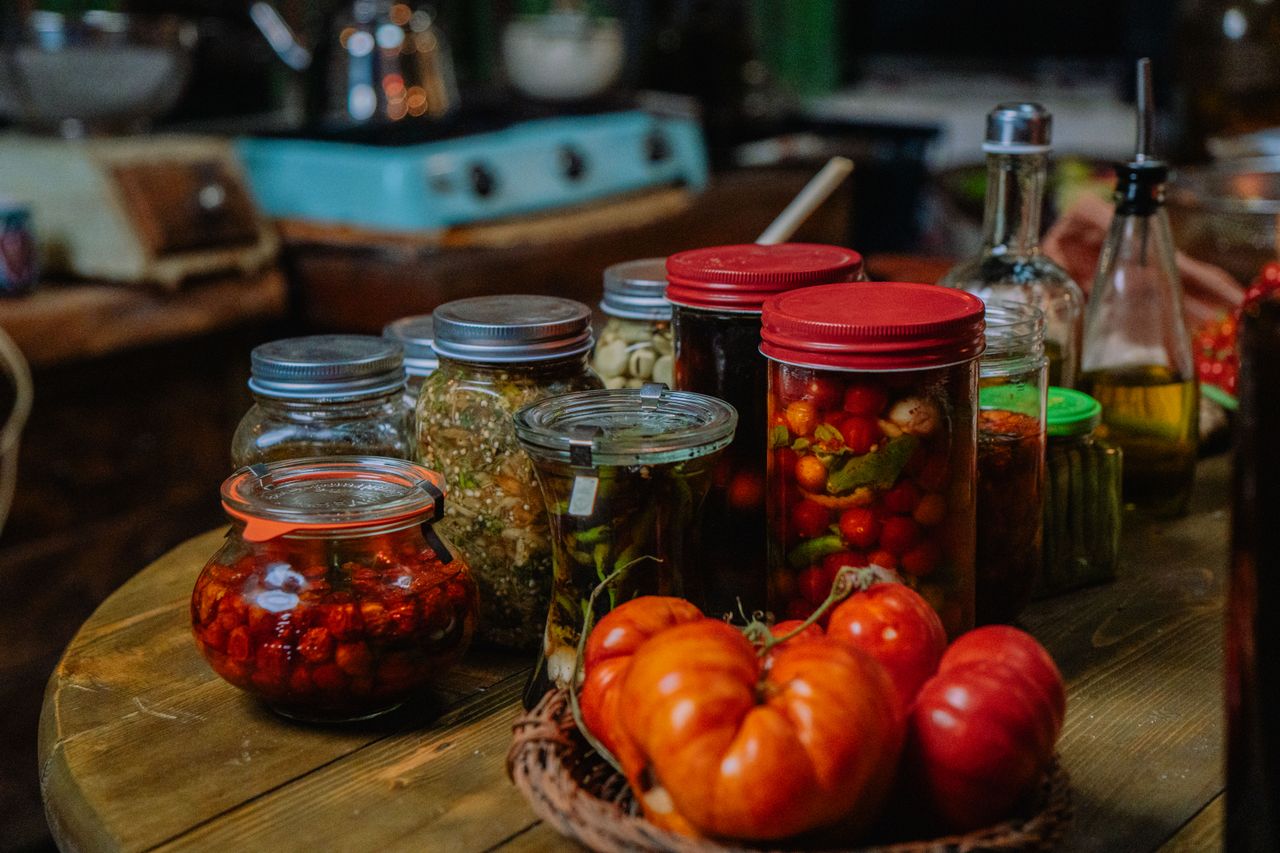
Pickling uses an acidic environment to preserve suitable foods.
Vinegar-based pickling can work well for many vegetables and some fruits.
The acidity level is important for food safety, so use tested recipes with reliable proportions.
Do not randomly reduce vinegar, increase vegetables, or alter important ingredients in recipes intended for safe preservation.
Properly processed pickled foods should be stored according to the instructions for the specific preservation method.
Learn Safe Canning Methods
Canning can provide long-term storage for many fruits and vegetables, but it requires careful attention to food safety.
Different foods require different processing methods.
High-acid foods may be suitable for water-bath canning under tested procedures, while low-acid foods generally require pressure canning using appropriate equipment and methods.
Follow tested recipes and processing times from reputable food-safety authorities.
Do not improvise processing times or pressure levels.
If you are new to canning, learn the basics before attempting large batches.
Make Fruit Preserves
Fruits can be preserved in products such as jams, jellies, and other suitable spreads.
These methods typically combine fruit with ingredients such as sugar and acid to create conditions that help preserve the product.
Use tested recipes because ingredient proportions can affect both quality and safety.
Store finished products according to the preservation method and recipe instructions.
Store Root Vegetables Properly
Some root vegetables can remain fresh for extended periods when stored under suitable conditions.
Potatoes, onions, carrots, and certain other vegetables may benefit from cool, dark, or appropriately ventilated storage depending on the crop.
Keep stored produce away from excessive moisture and inspect it regularly.
Remove damaged or spoiled pieces promptly.
Proper storage can reduce the need for immediate preservation.
Use the Right Containers
Packaging plays an important role in preservation.
Use containers designed for the specific storage method.
Freezer-safe containers help prevent freezer damage, while airtight containers can protect dried foods from moisture.
For canned products, use appropriate jars, lids, and equipment.
Label containers with the food name and preservation date.
Good labeling helps you use older food first and maintain an organized storage system.
Practice First-In, First-Out Storage
Organize preserved food so that older products are used before newer ones.
Place recently preserved foods behind older items when possible.
Check your storage area regularly and keep track of preservation dates.
This simple habit can prevent food from sitting unused until it passes its recommended storage period.
Keep Food Safety a Priority
Safe preservation requires more than simply making food last longer.
Clean hands, utensils, containers, and work surfaces before handling food.
Use reliable preservation instructions and follow recommended temperatures, processing times, acidity levels, and storage conditions.
Never taste food that shows obvious signs of spoilage.
When you are unsure whether preserved food is safe, it is better to discard it than take a health risk.
Preserve Produce in Small Batches
Beginners can avoid unnecessary waste by starting with small quantities.
Choose a manageable amount of produce and practice one preservation method at a time.
Once you understand the process, you can increase your batch sizes.
Small batches also make it easier to identify which methods produce the best texture, flavor, and storage results for your household.
Keep Preservation Records
Record what you preserve, when you preserve it, and which method you use.
Include the variety of produce and any relevant observations.
For example, you might discover that one tomato variety freezes better while another works better for sauces.
Over time, your records can become a valuable guide for future harvests.
Final Thoughts
Learning how to preserve fresh fruits and vegetables can help you extend seasonal harvests, reduce food waste, and enjoy homegrown or locally purchased produce for longer.
Start with simple storage and freezing techniques before moving into drying, fermentation, pickling, or canning.
Always use reliable, tested food-preservation methods and follow food-safety recommendations carefully. With practice, you can build an organized preservation system that helps your household make better use of fresh produce throughout the year.