Crop pests can quickly damage leaves, stems, roots, fruits, and seeds, reducing both crop quality and farm income. However, farmers do not have to wait until an infestation becomes severe before taking action. Regular monitoring, good farm hygiene, healthy soil, and appropriate pest-management practices can help protect crops throughout the growing season.
Learning how to protect crops from common pests starts with prevention. By combining several practical approaches, farmers can reduce pest pressure while protecting their crops and the wider farm environment.
Identify Pests Early
The first step in protecting crops is knowing what you are dealing with. Different pests cause different types of damage, so inspect your plants regularly.
Look for holes in leaves, curled or discolored foliage, damaged stems, wilting, distorted growth, and insects on the underside of leaves. Also check the soil around plants for signs of root-feeding pests.
However, do not assume that every damaged plant has a pest problem. Nutrient deficiencies, diseases, drought, excessive moisture, and other environmental stresses can create similar symptoms.
Therefore, identify the cause before choosing a treatment. Early identification gives you more options and can prevent a small problem from becoming a major infestation.
Keep the Farm Clean
Good farm hygiene can reduce places where pests survive and reproduce. Remove heavily infested plant material when appropriate and dispose of it safely.
After harvesting, clear suitable crop residues and unwanted vegetation that could harbor pests. Clean tools and equipment before moving between fields when appropriate, particularly when disease transmission is a concern.
Furthermore, control weeds around production areas. Weeds can compete with crops, but they can also provide food and shelter for certain agricultural pests.
Keeping growing areas clean makes it harder for some pest populations to establish.
Practice Crop Rotation
Crop rotation is an effective component of integrated pest management. Growing the same crop repeatedly in the same location can allow pests that specialize in that crop to build up over time.
Instead, rotate crops from different plant families where possible. Changing the crop can interrupt the life cycle of certain pests and reduce their access to a preferred host.
For example, rather than planting the same vegetable family in the same field every season, develop a rotation that includes unrelated crops.
Crop rotation works best when combined with other prevention and monitoring methods.
Choose Resistant Crop Varieties
Some crop varieties have natural resistance or tolerance to particular pests and diseases. Therefore, consider local pest pressures when selecting seeds.
Research varieties that are well adapted to your region and production conditions. Local agricultural advisers and reputable seed suppliers may provide useful information about suitable varieties.
Nevertheless, resistant varieties are not a complete solution. Continue monitoring your crops and maintain good soil, water, and field-management practices.
Encourage Beneficial Insects
Not every insect in your field is harmful. Some insects prey on agricultural pests, while others pollinate crops.
Beneficial organisms can contribute to natural pest control. Therefore, avoid automatically eliminating every insect you see.
Where appropriate, maintain suitable flowering plants and habitat that can support beneficial insects. Diverse vegetation can provide food and shelter for organisms that contribute to a healthier farm ecosystem.
At the same time, monitor pest levels so you can determine whether intervention is actually necessary.
Use Physical Pest Controls
Physical barriers can protect certain crops from insects and other pests without relying on chemical treatments.
Depending on the crop, farmers may use insect netting, row covers, traps, barriers, or other appropriate physical methods.
Hand-picking larger insects can also work in small gardens or on small farms when pest populations remain low.
These methods can be particularly useful for young plants that are vulnerable to early pest damage.

Maintain Healthy Soil and Plants
Healthy plants can often withstand environmental stress better than weak plants. Therefore, focus on providing suitable growing conditions.
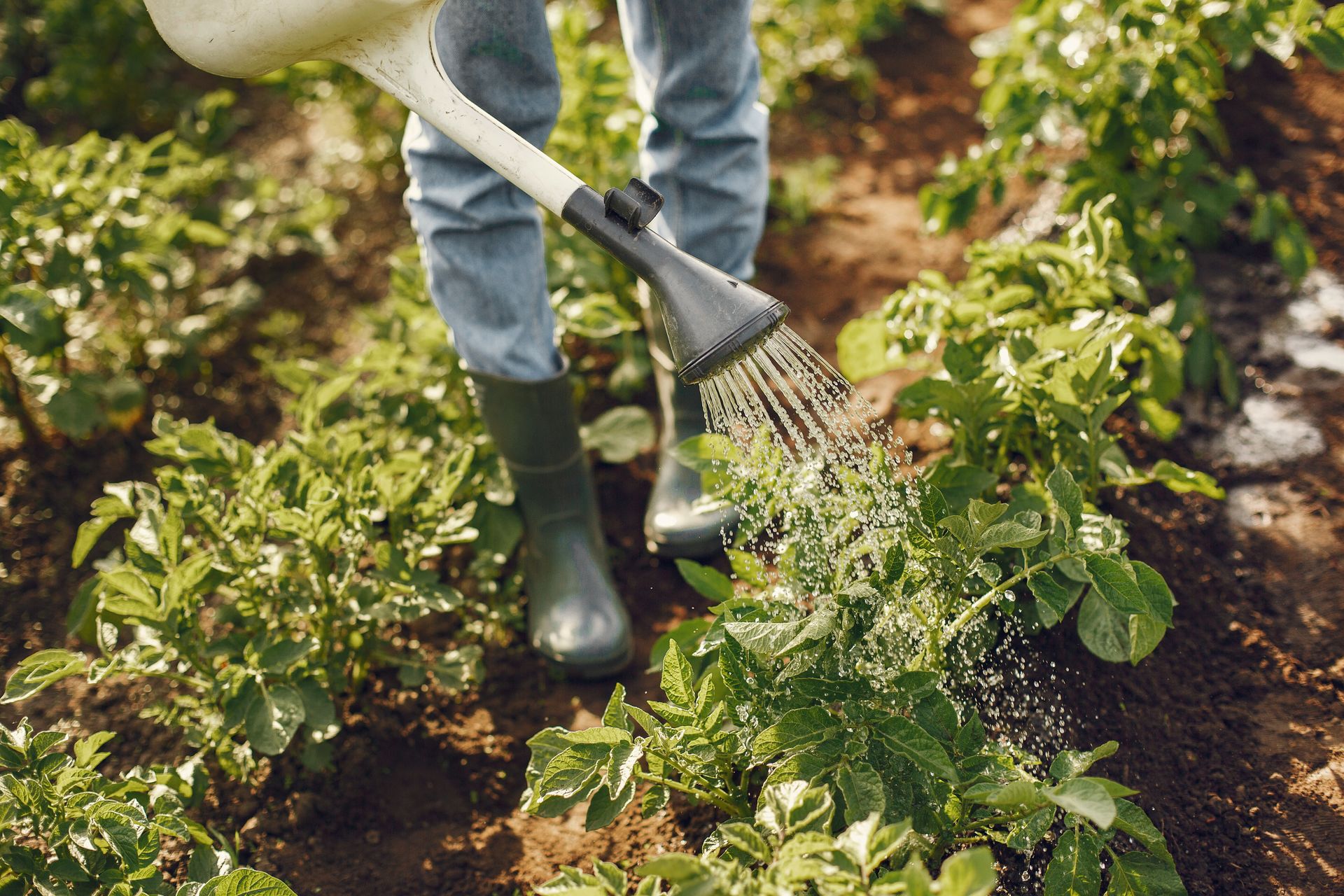
Maintain appropriate soil fertility, water plants according to their needs, and avoid unnecessary stress from overcrowding or poor drainage.
Good plant spacing can also improve air circulation and make it easier to inspect plants.
Furthermore, remove severely damaged plants when appropriate so they do not become sources of additional problems.
Use Traps and Biological Controls
Traps can help farmers monitor or reduce certain pest populations. Depending on the pest, farmers may use sticky traps, pheromone traps, or other specialized systems.
Biological controls can also play an important role. These methods use natural enemies or biological agents to suppress particular pests.
However, biological control requires careful selection and management. Do not introduce organisms into the environment without understanding the potential ecological consequences.
Apply Treatments Responsibly
Sometimes pest populations become large enough to threaten crop production. In such situations, an appropriate treatment may be necessary.
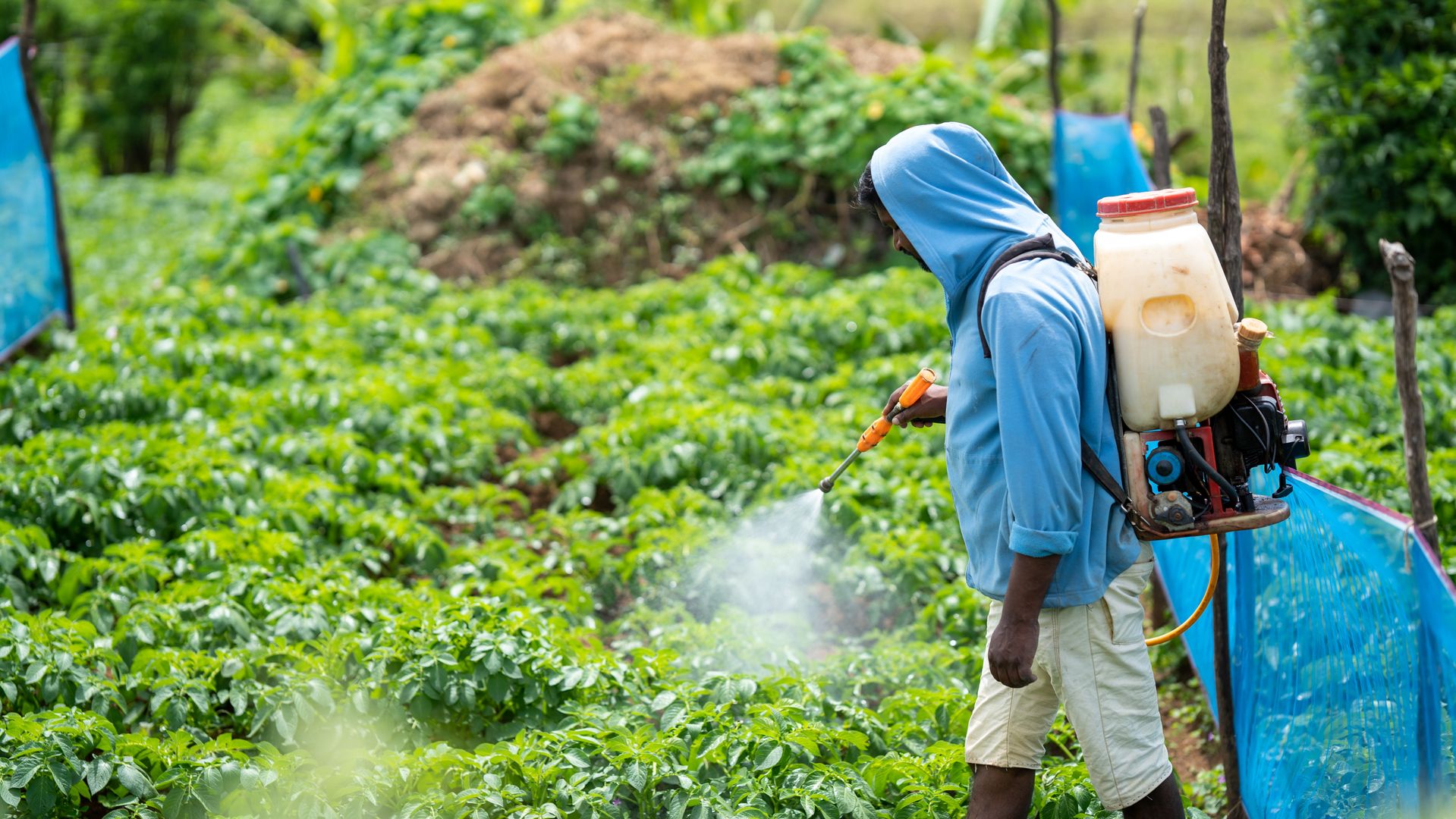
Before applying any pesticide or other control product, correctly identify the pest and follow the product label. Use only products that are legally approved for the intended crop and pest in your area.
Pay attention to application rates, protective equipment, harvest intervals, and environmental precautions.
Importantly, avoid using more product than recommended. Excessive application does not necessarily provide better control and can increase risks to people, beneficial insects, soil organisms, water, and the environment.
Monitor Your Crops Regularly
Consistent monitoring is one of the most valuable pest-management skills a farmer can develop.
Walk through your fields regularly and examine plants carefully. Keep records of when pests appear, which areas they affect, and how populations change.
Over time, these records can help you identify seasonal patterns. You may discover, for example, that a particular pest appears after certain weather conditions or during a specific crop-development stage.
This information allows you to prepare earlier in future seasons.
Use Integrated Pest Management
The most effective approach is often to combine several strategies. Integrated pest management, or IPM, brings together prevention, monitoring, biological controls, physical methods, cultural practices, and carefully selected treatments.
Instead of automatically spraying at the first sign of an insect, farmers assess the severity of the problem and determine whether intervention is justified.
This approach can reduce unnecessary pesticide use while maintaining effective crop protection.
Final Thoughts
Learning how to protect crops from common pests requires consistent observation and prevention. Start by identifying pests early, keeping fields clean, rotating crops, selecting suitable varieties, and supporting beneficial insects.
In addition, use physical controls, traps, biological methods, and appropriate treatments when necessary. Most importantly, monitor your crops throughout the growing season and keep accurate records.
A healthy crop-management system does more than respond to infestations. It creates conditions that make it harder for serious pest problems to develop in the first place, helping farmers protect yields while managing their land responsibly.