Farming can be profitable, but rising input prices, labor expenses, transportation costs, and unpredictable markets can make it difficult for farmers to maintain healthy profit margins. Fortunately, reducing costs does not always mean producing less. Instead, farmers can improve efficiency, reduce waste, and focus resources on activities that generate the greatest returns.
Learning how to reduce farming costs and increase profits requires careful planning, accurate recordkeeping, and consistent evaluation of farm operations.
Create a Detailed Farm Budget
The first step toward improving profitability is understanding where your money goes.
Create a budget before each production cycle and list expected costs such as seeds, fertilizer, animal feed, labor, irrigation, equipment, fuel, transportation, packaging, and marketing.
Then compare your estimated expenses with your expected sales. This calculation can help you identify crops or livestock activities that may provide better returns.
Furthermore, update your budget when prices change. A budget should guide your decisions rather than remain unchanged throughout the season.
Keep Accurate Farm Records
Good records help farmers identify unnecessary expenses and profitable activities.
Record every major expense and income source. Track how much you spend on each field, crop, livestock group, or production activity.
At the end of the season, calculate your actual production costs and compare them with your revenue.
Consequently, you can identify which activities generate strong returns and which ones need improvement.
Without accurate records, it is difficult to know whether your farm is truly profitable.
Reduce Input Waste
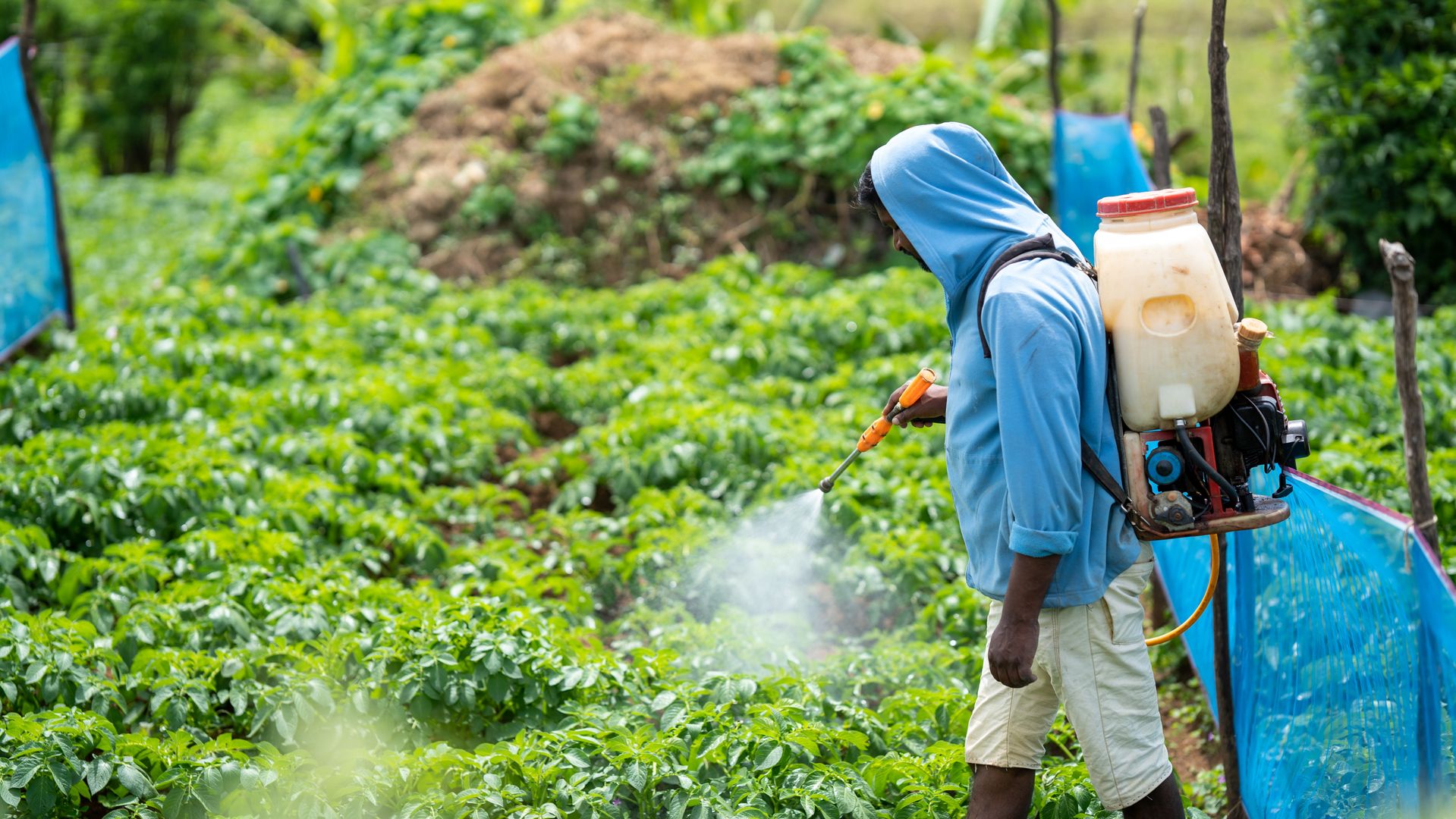
Farm inputs can represent a significant portion of production costs. Therefore, use seeds, fertilizers, water, feed, and other inputs carefully.
For example, avoid applying fertilizer without understanding crop requirements and soil conditions. A soil test can help guide nutrient-management decisions.
Similarly, calculate your seed requirements carefully to avoid purchasing excessive quantities.
Reducing waste does not mean cutting essential inputs. Instead, it means using the right amount in the right place at the right time.
Improve Soil Health
Healthy soil can support productive crops while helping farmers use resources efficiently.
Use appropriate practices such as crop rotation, composting, cover crops, mulching, and erosion control. These methods can improve soil structure and contribute to long-term fertility.
When soil conditions improve, crops may establish and develop more effectively.
However, do not expect a single soil-management practice to solve every problem. Combine practices according to your soil-test results, crop needs, and local conditions.
Use Water Efficiently
Water costs can increase significantly when farmers rely on pumps or irrigation systems. Therefore, improving water efficiency can reduce operating expenses.
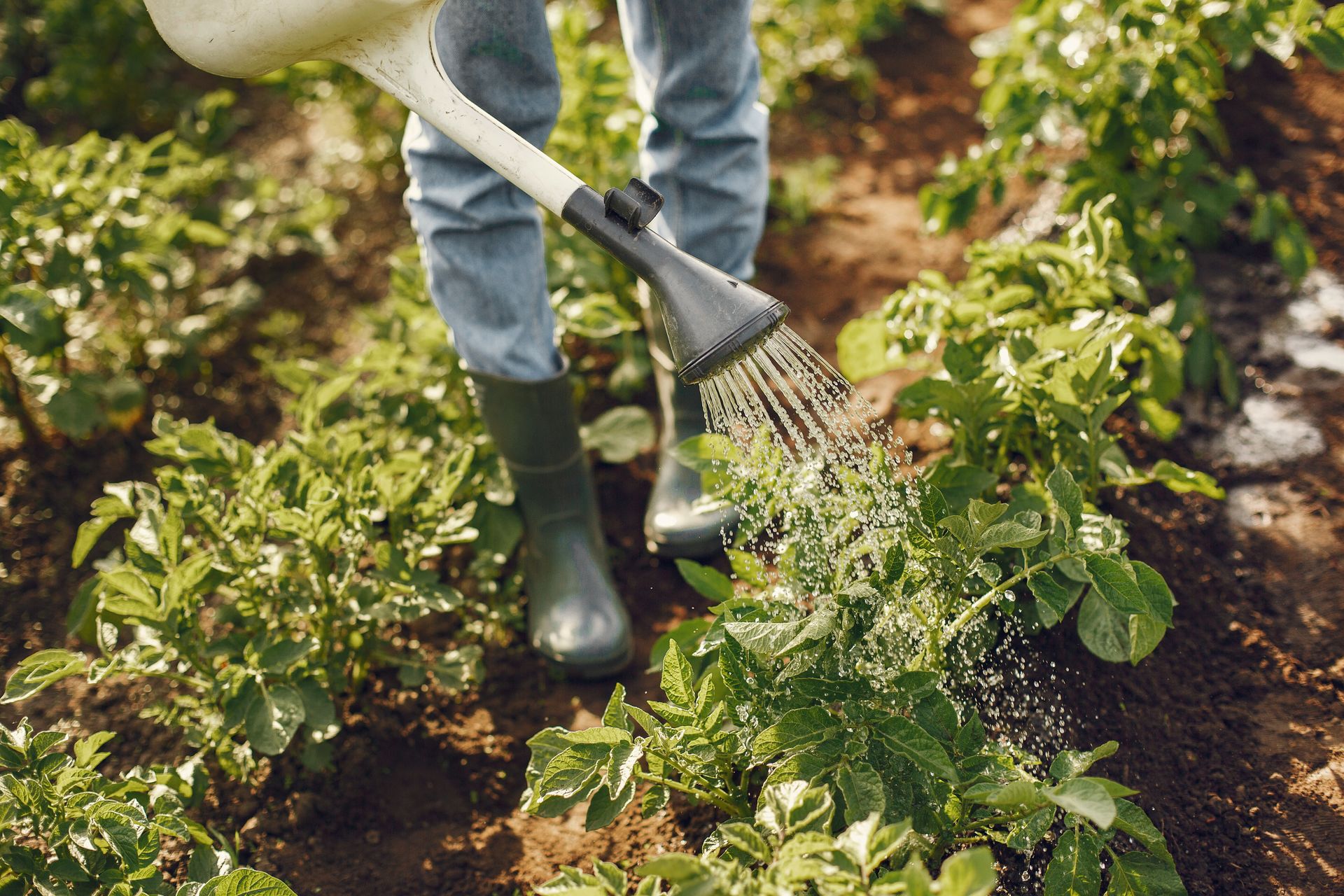
Inspect irrigation systems regularly and repair leaks promptly. Where appropriate, use efficient irrigation methods that deliver water close to plant roots.
Also, monitor soil moisture and weather conditions before irrigating. Avoid watering automatically when crops already have adequate moisture.
Mulching can further reduce evaporation and help maintain soil moisture.
Choose Profitable Crops Carefully
Not every crop offers the same financial return. Before planting, research local demand, production costs, expected yields, and selling prices.
A high-value crop may generate good revenue, but it can also require more labor, water, pest management, or specialized equipment.
Therefore, calculate potential profit rather than focusing only on the selling price.
Start with small quantities of unfamiliar crops and assess their performance before expanding.
Improve Crop Yields
Increasing yields can improve profitability when the additional production does not require disproportionate costs.
Focus on the fundamentals: suitable varieties, healthy soil, timely planting, appropriate spacing, effective water management, weed control, and regular crop monitoring.
Preventing avoidable losses can be just as valuable as increasing production.
For example, harvesting at the correct time and handling produce carefully can reduce losses and increase the amount of marketable product.
Reduce Post-Harvest Losses
Producing more does not help if a significant portion of the harvest spoils before reaching customers.
Therefore, invest in appropriate harvesting, sorting, storage, packaging, and transportation practices.
Handle produce carefully to reduce bruising and damage. Store products under conditions appropriate for the particular crop.
In addition, plan your harvest around your market. If possible, secure buyers before harvesting large quantities.
Reducing post-harvest losses effectively increases the amount of your production that can generate income.
Buy Inputs Strategically
Farmers can sometimes reduce costs by purchasing inputs strategically.
Compare prices from reputable suppliers and consider buying commonly used inputs in appropriate quantities when bulk purchasing provides genuine savings.
However, do not sacrifice quality simply to obtain the lowest price. Poor-quality seeds or unreliable equipment can create larger costs later.
Where suitable, farmers can also cooperate with other producers to purchase certain inputs collectively.

Maintain Farm Equipment
Equipment breakdowns can cause unexpected expenses and production delays.
Therefore, maintain tractors, pumps, irrigation systems, tools, and other machinery according to appropriate schedules.
Clean equipment after use and inspect it regularly. Replace worn components before they cause major failures when practical.
Although maintenance requires time and money, it can reduce costly emergency repairs and extend equipment life.
Manage Labor Efficiently
Labor represents another important farm expense. Plan activities carefully so workers spend their time on productive tasks.
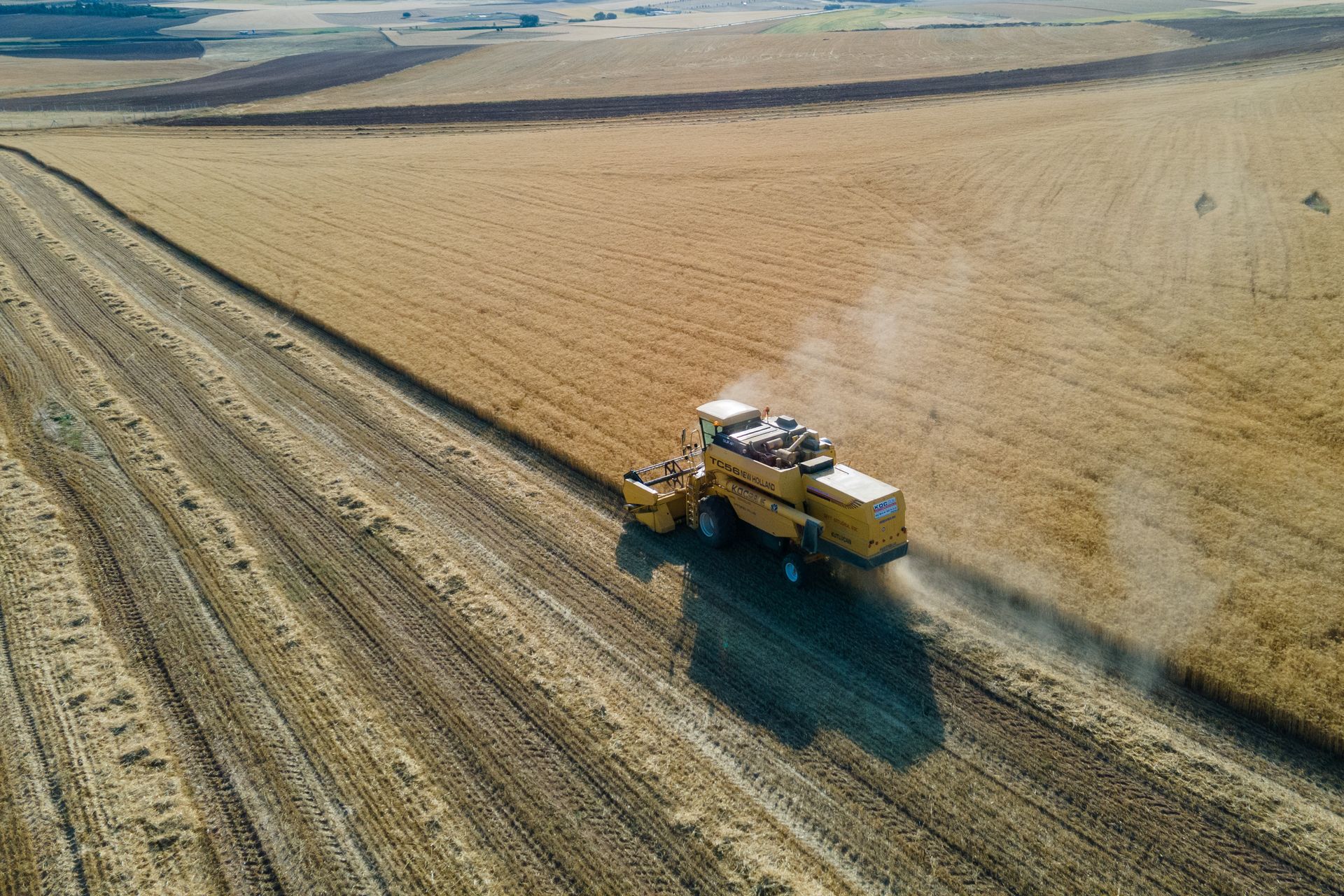
Create schedules around planting, weeding, harvesting, and other time-sensitive activities. Where appropriate, use tools or machinery to reduce repetitive manual work.
However, do not automate tasks simply because technology exists. Compare the cost of equipment with the labor savings and expected increase in productivity.
Strengthen Your Marketing
Farm profitability depends not only on production but also on how effectively you sell your products.
Research different markets and compare prices, buyer requirements, transportation costs, and payment terms.
Selling directly to consumers, restaurants, retailers, or other buyers may provide better returns in some situations. However, direct marketing can also require additional time and resources.
Build relationships with reliable buyers and maintain consistent product quality.
Diversify Carefully
Diversification can reduce financial risk by preventing your farm from depending entirely on one product.
For example, a farmer might combine several crops with livestock or add value through processing where appropriate.
Nevertheless, avoid expanding too quickly. Every additional enterprise requires management, labor, equipment, and capital.
Choose complementary activities that make efficient use of your existing resources.
Review Your Farm After Every Season
Finally, take time to evaluate your results.
Calculate your total costs, revenue, yield, labor requirements, and losses. Then identify the activities that performed well and those that did not meet expectations.
Ask practical questions: Which inputs cost too much? Which crops produced the best returns? Where did you lose produce? Which tasks consumed the most labor?
Use these answers to improve your next production cycle.
Final Thoughts
Learning how to reduce farming costs and increase profits starts with understanding your numbers. Create a realistic budget, maintain accurate records, reduce input waste, manage water efficiently, protect soil health, and choose crops based on both market demand and production costs.
At the same time, focus on reducing post-harvest losses and improving your marketing strategy. Most importantly, review your farm’s performance regularly.
Profitability rarely comes from one dramatic change. Instead, small improvements in efficiency, production, marketing, and cost control can add up to significant gains over time.