Farm water management plays an important role in protecting crops, lowering operating costs, and preserving limited water resources. Although irrigation provides essential moisture during dry periods, inefficient watering can waste large amounts of water through evaporation, runoff, leaks, and over-irrigation. Fortunately, farmers can reduce these losses by improving irrigation practices and paying closer attention to soil and crop conditions.
Understand Where Water Gets Wasted
Before changing an irrigation system, identify where water disappears. Water waste can occur at several points, from the source to the crop roots.
Leaking pipes, loose connections, broken sprinkler heads, and damaged hoses can waste water before it reaches the field. Meanwhile, excessive irrigation can push water below the root zone, where crops cannot use it effectively.
Runoff creates another common problem. When farmers apply water faster than the soil can absorb it, water may flow away from the crop area. Therefore, understanding the cause of waste makes it easier to choose an effective solution.
Improve Irrigation Efficiency
Efficient irrigation should deliver water directly to the areas where plants need it. Farmers should select systems based on crop type, field size, soil characteristics, and available water.
Use Drip Irrigation
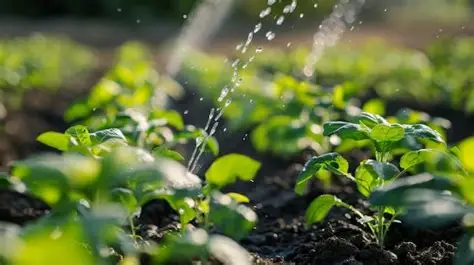
Drip irrigation delivers small amounts of water close to plant roots. Because it limits unnecessary wetting of the soil surface, it can reduce evaporation and runoff.
This approach works particularly well for vegetables, fruit trees, and crops arranged in rows. Farmers should inspect drip lines regularly, however, because clogged emitters can create uneven watering.
Maintain Sprinkler Systems
Sprinklers can provide useful coverage, but damaged equipment may distribute water unevenly. Inspect sprinkler heads, pipes, valves, and connections regularly.
Replace broken components and clean blocked nozzles. Additionally, avoid operating sprinklers during strong winds because wind can carry water away from the intended crop area.
Water According to Crop Needs
One of the simplest ways to improve farm water management involves changing when you irrigate. Instead of watering according to habit, monitor the crop and soil.
Check soil moisture around the root zone before turning on the irrigation system. If the soil still contains adequate moisture, delay watering. If it has become noticeably dry, irrigate according to the crop’s requirements.
Early morning often provides favorable conditions because cooler temperatures can reduce evaporation. Farmers should also adjust irrigation after significant rainfall rather than continuing with the normal schedule.
Improve Soil Water Retention
Healthy soil can hold and supply moisture more effectively. Adding suitable organic matter can improve soil structure and help certain soils retain water for longer periods.
Compost and well-decomposed organic materials can support better moisture management when incorporated appropriately. Avoid excessive cultivation, which can disturb soil structure and increase moisture loss.
Apply Mulch
Mulching creates a protective layer over the soil surface. Organic materials such as crop residues, straw, or suitable plant material can reduce evaporation and help maintain more stable soil temperatures.
Mulch can also suppress weeds. Since weeds compete with crops for moisture, controlling them can indirectly reduce the amount of irrigation water required.
Prevent Runoff and Erosion
Farmers can reduce runoff by improving field layout and applying water at a suitable rate. On sloping land, water may move downhill before infiltrating the soil.
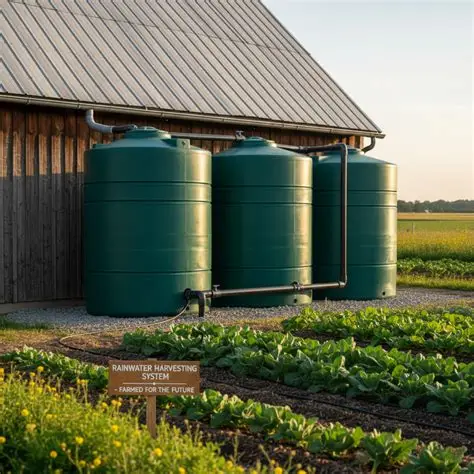
Contour-based planting, appropriate soil conservation practices, and carefully managed irrigation can help slow water movement. Small-scale water harvesting structures may also capture rainfall and allow it to infiltrate rather than leaving the field as runoff.
However, every farm has different soil and terrain conditions. Farmers should choose conservation measures that match their landscape rather than applying a single method everywhere.
Fix Leaks Quickly
A small leak may seem harmless, but continuous water loss can become substantial over an entire season. Walk along irrigation lines regularly and look for wet patches, damaged pipes, unusual pressure changes, or weak sprinkler performance.
Create a simple maintenance routine that includes:
-
Inspecting pipes and hoses
-
Checking valves and connectors
-
Cleaning filters and emitters
-
Repairing damaged irrigation lines
-
Monitoring pumps and water pressure
-
Looking for unexplained changes in water use
Prompt repairs can protect both water supplies and farm finances.
Measure Water Use
Measurement makes farm water management more effective because farmers can identify unusual consumption. Where practical, install a water meter or use another reliable method to track irrigation volumes.
Keep records of irrigation, rainfall, crop development, and major weather changes. These records can reveal patterns and help farmers determine whether they are applying too much or too little water.
Over time, farmers can use this information to create more precise irrigation schedules instead of relying on guesswork.
Choose Crops Carefully
Crop selection also affects water demand. Where conditions permit, farmers can consider crops and varieties that tolerate local dry conditions.
Planting according to seasonal rainfall patterns can further reduce unnecessary irrigation. Farmers should research the water requirements and growing conditions of potential crops before making planting decisions.
Make Every Drop Count
Reducing agricultural water waste does not always require expensive technology. Farmers can begin with practical improvements such as repairing leaks, checking soil moisture, applying mulch, controlling runoff, and adjusting irrigation schedules.
Effective farm water management combines efficient equipment with good observation and regular maintenance. When farmers understand where water goes and how crops use it, they can make better decisions about irrigation.
Ultimately, saving water benefits more than the current growing season. Efficient water use can lower costs, protect valuable resources, support healthier crops, and make farms more resilient during periods of limited rainfall. By adopting simple conservation practices and improving irrigation discipline, farmers can make every drop work harder.