Starting a backyard vegetable garden can provide fresh produce while giving you a practical way to spend more time outdoors. You do not need a large yard or years of gardening experience to get started. With careful planning, even a small backyard can produce a useful selection of vegetables and herbs.
The key is to begin with manageable goals and choose crops that suit your climate, soil, available sunlight, and household needs.
Learning how to start a backyard vegetable garden becomes much easier when you break the process into simple steps.
Choose the Right Garden Location
Start by observing your backyard before preparing the soil.
Most vegetables need plenty of sunlight, so identify an area that receives adequate direct sunlight during the day. Also consider drainage, wind exposure, and access to water.
Choose a location that you can reach easily. A garden that sits close to your home is often easier to monitor, water, weed, and harvest regularly.
Avoid areas where water collects after rain unless you plan to grow plants that tolerate wet conditions.
Decide How Much Space You Need
You do not need to use your entire backyard for your first garden.
Instead, start with a small area that you can maintain comfortably. A few well-managed beds can produce more useful food than a large garden that becomes difficult to care for.
Consider how much time you can spend gardening each week.
As your skills improve, you can expand the garden gradually.
Select Vegetables for Your Garden
Choose vegetables based on what your household enjoys eating.
There is little benefit in dedicating valuable garden space to crops that nobody wants.
Research vegetables that grow well in your local climate and planting season. Depending on your conditions, suitable choices may include tomatoes, beans, leafy greens, peppers, onions, carrots, cucumbers, squash, and herbs.
Start with a few crops rather than attempting to grow everything at once.
Prepare the Soil
Healthy soil gives vegetables a strong foundation for growth.
Before planting, examine the soil’s texture, drainage, and fertility. If available, a soil test can provide useful information about pH and nutrient levels.
Add suitable organic matter when necessary to improve soil structure.
Compost can help improve soil quality when it has been properly produced and matured.
Avoid adding large quantities of fertilizer without knowing what your soil needs. Too much fertilizer can harm plants and create unnecessary nutrient runoff.
Plan Your Garden Beds
Organize your garden before planting.
You can use traditional ground-level beds, raised beds, or suitable containers depending on your space and soil conditions.
Leave enough room between planting areas for comfortable access. You should be able to water, weed, inspect, and harvest plants without stepping on growing areas.
Keep taller plants positioned so they do not unnecessarily shade shorter crops.
A simple garden layout can make routine maintenance much easier.
Start With Seeds or Seedlings
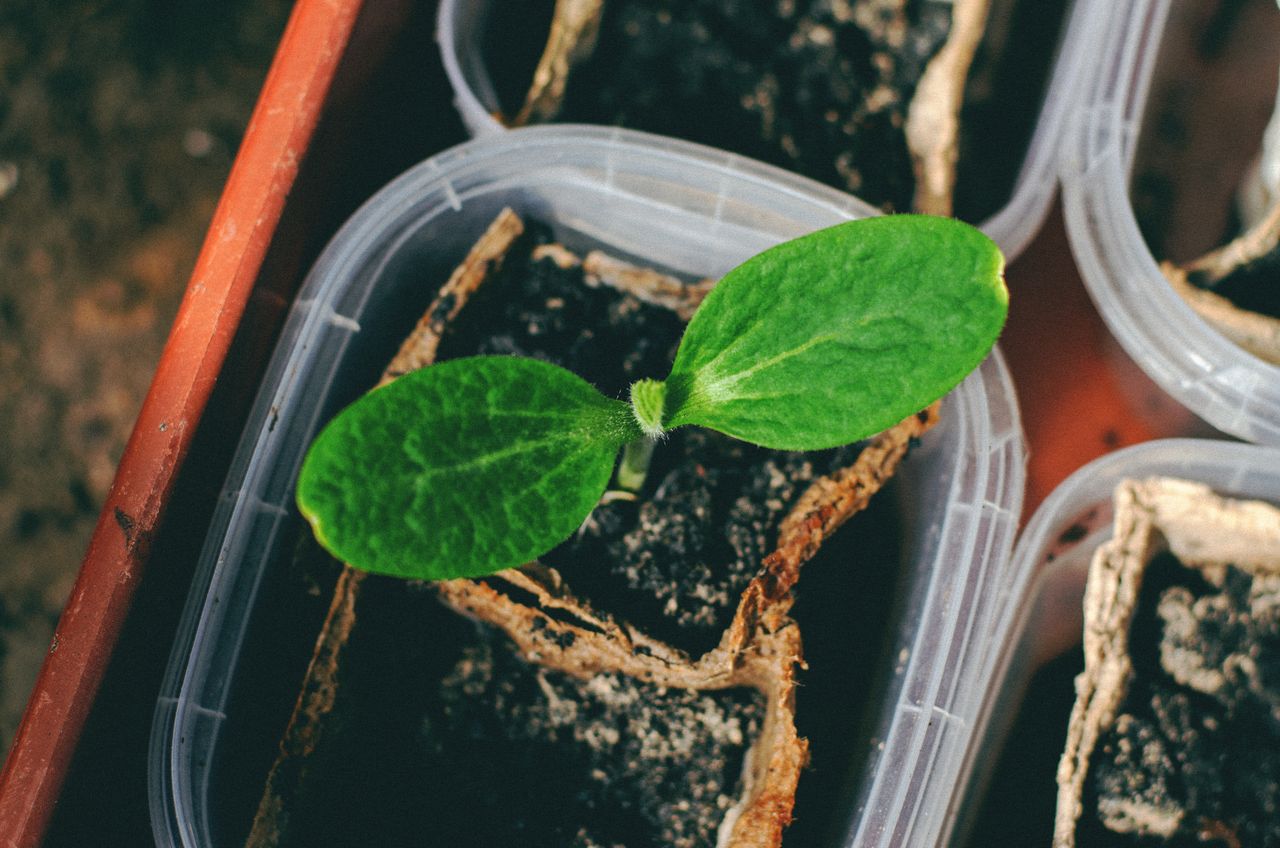
You can begin many vegetables from seeds, while other crops may be easier to establish from healthy seedlings.
Seeds are often economical and provide more variety, but they require careful planting and early care.
Seedlings can give beginners a head start because the plants have already passed through the earliest stage of growth.
Follow the recommended planting depth and spacing for each crop.
Avoid overcrowding seedlings because plants need adequate light, air circulation, water, and nutrients as they mature.
Plant at the Appropriate Time
Timing plays an important role in vegetable gardening.
Each crop has preferred temperature and growing conditions. Planting too early can expose young plants to unsuitable weather, while planting too late can reduce the available growing season.
Use a reliable local planting calendar or agricultural guidance to determine appropriate planting times for your area.
Where conditions allow, succession planting can provide a steady supply of certain vegetables rather than one large harvest.
Water Your Garden Properly
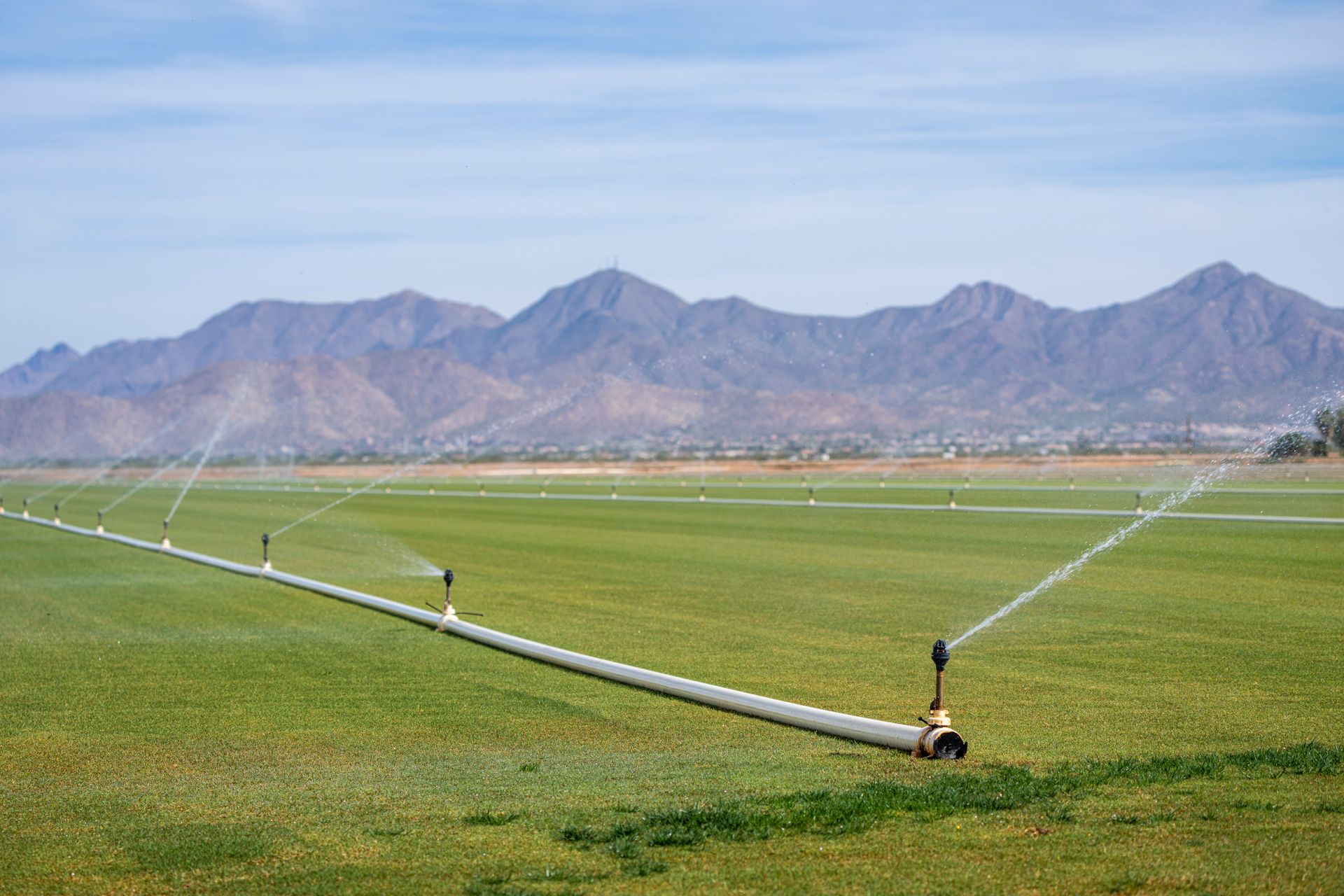
Consistent watering helps plants establish strong roots and maintain healthy growth.
However, avoid watering automatically without checking the soil and weather conditions.
Water according to the needs of each crop and the moisture level of the soil.
Mulching around plants can help reduce evaporation and suppress weeds.
Water early enough for plants and soil to benefit while minimizing unnecessary moisture loss, particularly during hot weather.
Control Weeds
Weeds compete with vegetables for sunlight, water, nutrients, and space.
Check your garden regularly and remove weeds while they are still small.
Mulch can reduce the number of weeds that emerge and make remaining weeds easier to manage.
Do not allow weeds to become deeply established around young vegetables because they can quickly compete with developing plants.
Watch for Pests and Diseases
Inspect your plants regularly for signs of insects, disease, or other problems.
Look underneath leaves and around stems because some pests can remain difficult to notice.
If you identify a problem, determine the cause before applying any treatment.
Depending on the situation, suitable approaches may include removing affected plant material, using physical barriers, improving sanitation, rotating crops, or selecting resistant varieties.
Early attention can prevent a small problem from becoming a major one.
Use Mulch Wisely
Mulching can provide several benefits in a backyard garden.
Organic materials such as suitable composted materials, leaves, or other appropriate mulch can help conserve soil moisture and suppress weeds.
Apply mulch carefully around plants without burying stems or creating excessively wet conditions.
Refresh the mulch as it breaks down or becomes displaced.
Support Growing Plants
Some vegetables need additional support as they grow.
Tomatoes, climbing beans, peas, cucumbers, and other vining crops can benefit from stakes, cages, or trellises.
Supporting plants can keep fruit off the ground and make harvesting easier.
Make sure supports are strong enough to handle mature plants and local weather conditions.
Harvest at the Right Time
Harvest vegetables when they reach the appropriate stage for the crop and your intended use.
Regular harvesting can encourage continued production in certain vegetables.
Handle produce gently to prevent bruising and damage.
Use clean harvesting tools when necessary and bring harvested food indoors promptly when appropriate.
Keep Garden Records
A simple gardening journal can help you improve every season.
Record planting dates, varieties, harvest amounts, weather conditions, pest problems, and other observations.
Over time, these records can show which crops perform best in your backyard.
You can then adjust your planting choices and schedule based on your own experience rather than relying only on general recommendations.
Expand Gradually
Once your first garden becomes manageable, consider adding more crops or growing space.
You might introduce fruit trees, additional herbs, containers, composting, or vertical growing.
However, expand only when you have enough time and resources to maintain the new projects.
A productive garden depends on consistent care rather than simply having a large amount of planting space.
Final Thoughts
Learning how to start a backyard vegetable garden does not have to be complicated. Choose a suitable location, prepare healthy soil, select crops that match your climate, and start with a manageable amount of space.
Provide plants with appropriate water, sunlight, nutrients, and protection from weeds and pests. Then, harvest regularly and keep notes about what works.
Most importantly, give yourself time to learn. Every growing season provides an opportunity to improve your skills and make your backyard garden more productive.