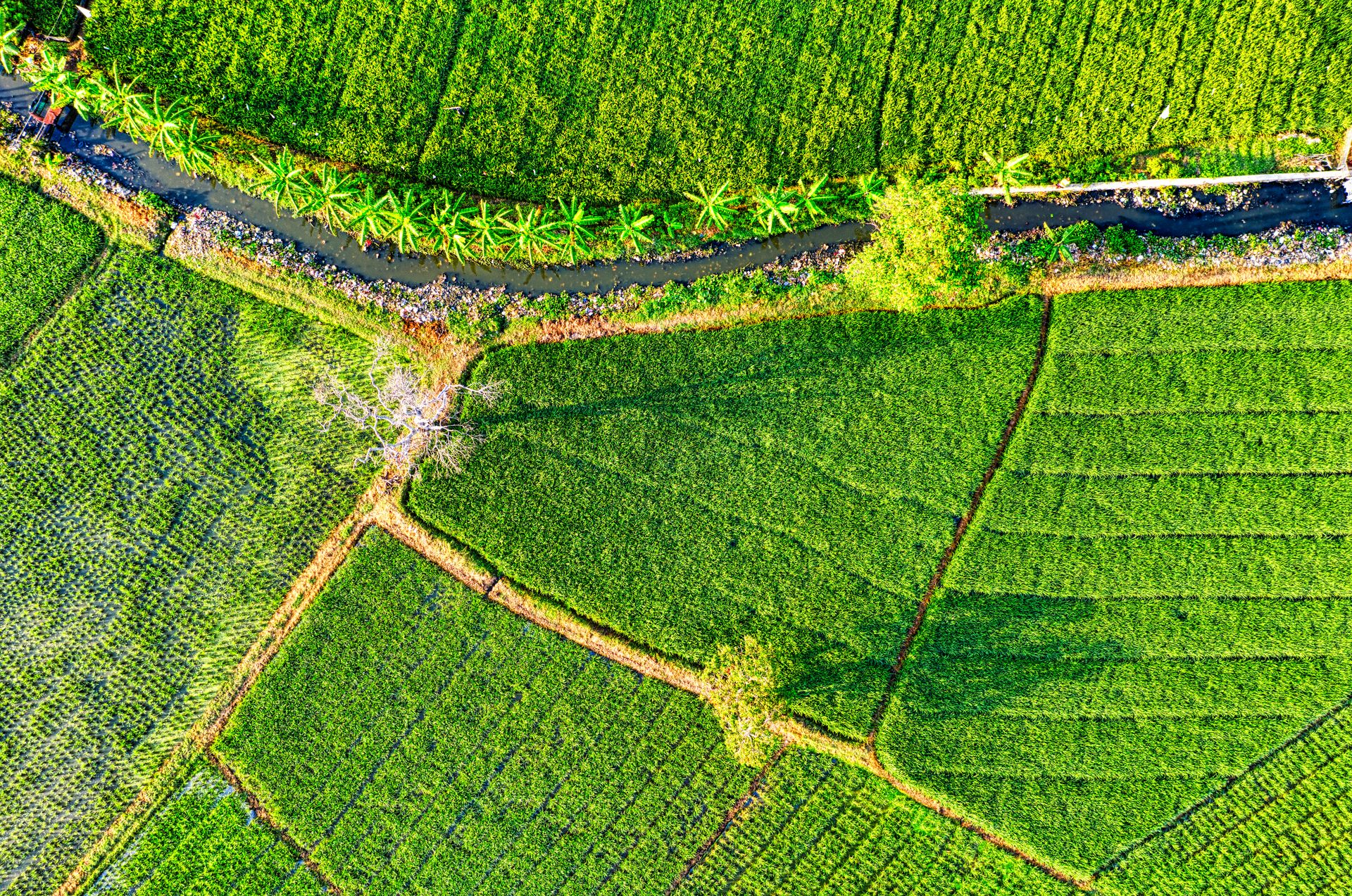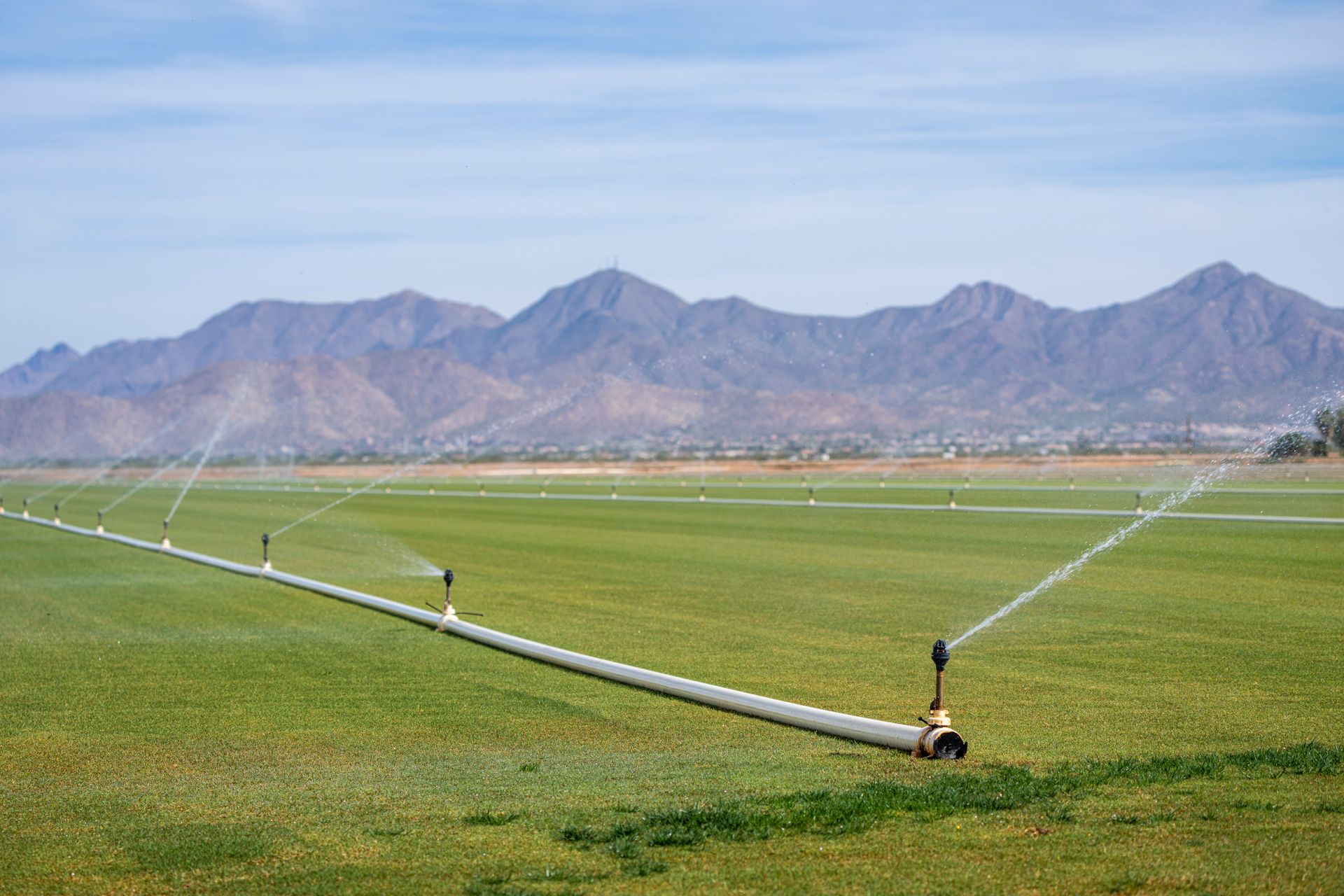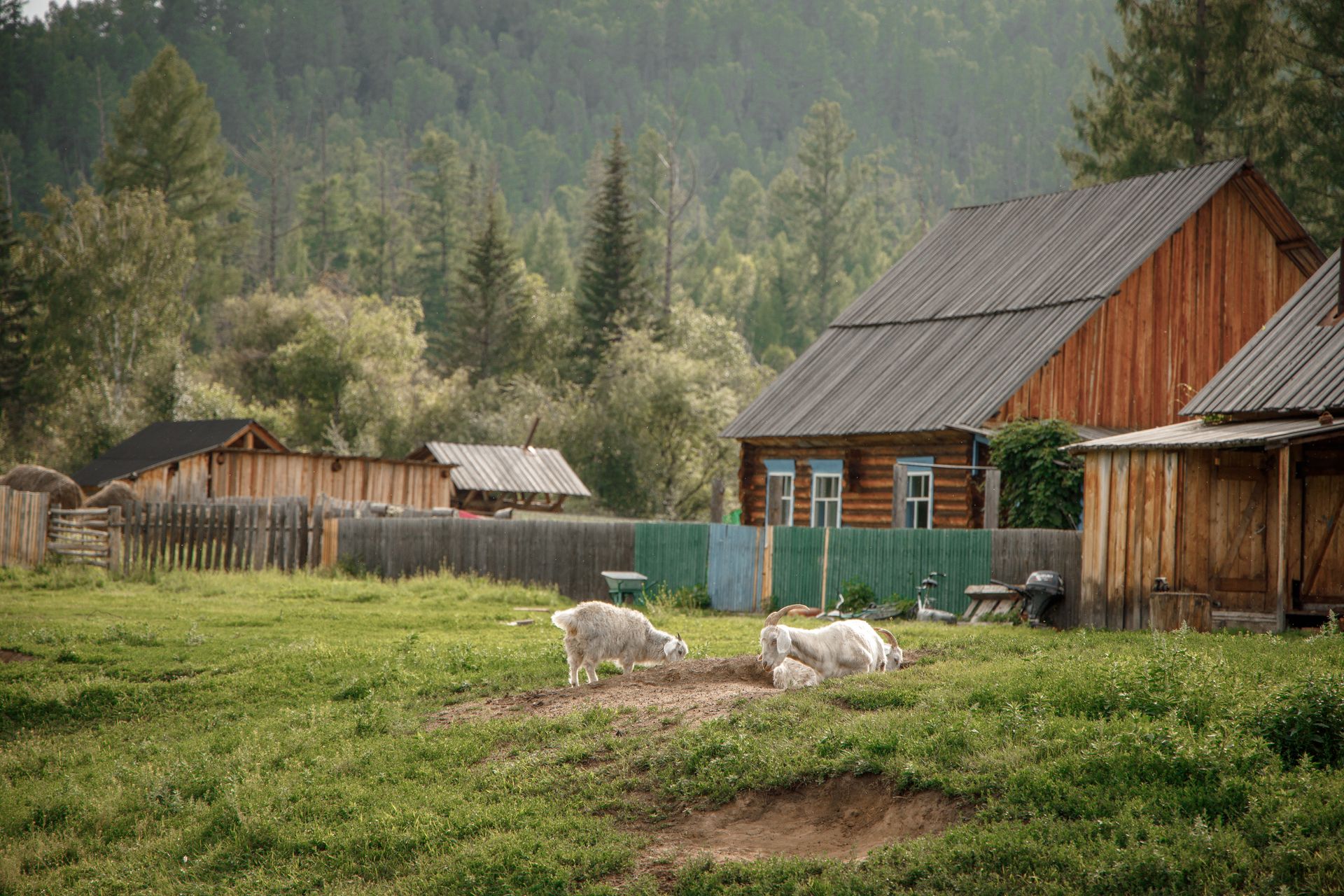
Starting a homestead can be an enjoyable way to grow food, learn practical skills, and become more connected to the land. However, a homestead does not need to be large or expensive. You can begin with a small garden, a few useful tools, and simple goals that match your available time and resources. In this article, we discuss how to start a simple homestead without taking on too much work at once. Careful planning, good soil preparation, reliable water, and gradual growth can help you create a productive and manageable homestead.
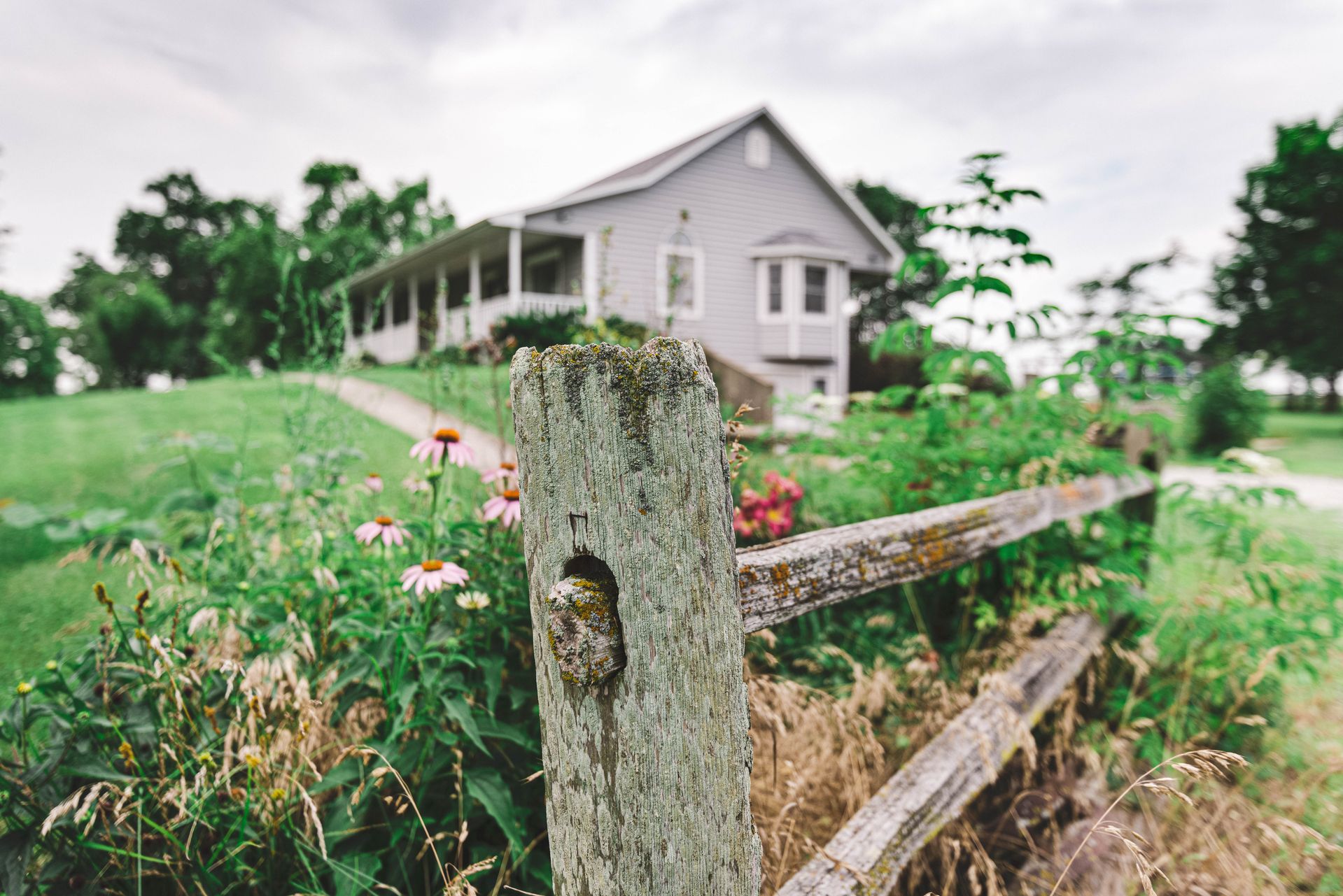
Start With A Clear Plan
Before buying supplies or planting crops, decide what you want your homestead to provide. You may want to grow vegetables, keep chickens, raise small livestock, plant fruit trees, or simply produce some food for your household. Start with a short list of priorities rather than trying to do everything at once. Consider your land size, available time, budget, water supply, skills, and local climate. A simple plan can help you avoid spending money on projects that are difficult to maintain.
Choose The Right Location
The location of your homestead can affect almost every part of your daily work. Look for an area with suitable sunlight, access to water, good drainage, and enough space for the activities you plan to carry out. If you want to grow vegetables, choose an area that receives enough sunlight for the crops you intend to plant. Avoid places where water collects for long periods unless you are planning a crop that can tolerate wet conditions. Think about access to roads, storage areas, and buildings as well.
Begin With A Small Garden
A vegetable garden is a simple place to start. Choose crops that grow well in your local climate and that your household regularly eats. Leafy greens, tomatoes, onions, beans, carrots, and other suitable vegetables can provide useful harvests when grown under the right conditions. Start with a manageable garden rather than planting a large area immediately. A smaller garden allows you to learn about your soil, watering needs, pests, and seasonal changes without creating an overwhelming workload.
Prepare Healthy Soil
Healthy soil provides a strong foundation for a productive homestead. Before planting, remove unwanted weeds and check whether the soil drains well. Adding suitable organic material can help improve soil structure and support plant growth. Compost made from appropriate household and garden materials can become a useful source of organic matter. Avoid adding materials that may contain harmful chemicals or contaminants. Over time, regular soil care can help create better growing conditions.
Plan A Reliable Water Supply
Water is essential for crops, animals, and many other homestead activities. Before expanding your garden or adding livestock, make sure you have a dependable water source. Consider how much water your plants and animals will need during dry periods. Simple methods such as watering cans, hoses, drip systems, or rainwater collection can help depending on local conditions and regulations. Using water carefully can reduce waste and make daily work easier.
Choose Animals Carefully
If you want animals, begin with species that match your experience, space, budget, and local conditions. Chickens may be a practical starting point for some homesteads because they can provide eggs and require less space than larger livestock. However, all animals need proper food, clean water, shelter, protection, and regular care. Research their needs before buying them and make sure you can provide suitable housing throughout the year.
Build Basic Animal Housing
Animal housing should protect livestock from harsh weather, predators, and unsafe conditions. It should also be easy to clean and maintain. Provide enough space for the number of animals you plan to keep and ensure they have access to clean water. Good housing can reduce stress and make daily care easier.
Buy Basic Tools First
You do not need every farming tool when starting a homestead. Begin with equipment that supports your most important tasks. A shovel, hoe, rake, watering equipment, pruning tools, buckets, gloves, and suitable storage containers may be enough for basic activities. Buy additional equipment as your needs grow. Choosing durable tools can save money over time, especially when they are cleaned and stored properly.
Learn Before Expanding
Homesteading involves many skills, and learning gradually can prevent costly mistakes. Read reliable agricultural information, speak with experienced growers, attend local training, or join community farming groups. Learn about planting seasons, soil care, animal management, food storage, pest control, and basic farm safety. You do not need to become an expert before starting. Learn one skill, practice it, and build on your experience.
Keep Simple Records
Records can help you understand what works on your homestead. Write down planting dates, crop varieties, harvest amounts, expenses, animal information, and important observations. After several months, these notes can show which crops performed well and where improvements are needed. Records can also help you plan future planting and control unnecessary spending.
Grow At Your Own Pace
A homestead should support your household rather than create constant stress. Avoid expanding faster than you can manage. Once your first garden becomes comfortable to maintain, you can consider adding fruit trees, more crops, animals, or other projects. Building slowly allows you to gain experience and understand your land before taking on larger responsibilities.
Conclusion
Learning how to start a simple homestead is mainly about beginning with realistic goals and building gradually. Choose a suitable location, prepare healthy soil, establish reliable water, grow a small garden, and add animals only when you are ready to care for them properly. Invest in basic tools, learn from experienced people, and keep simple records of your progress. A successful homestead does not need to be large. With patience, planning, and steady effort, even a small space can become a productive and rewarding part of everyday life.