Starting a small homestead can be a rewarding way to grow your own food, develop practical skills, reduce waste, and become more self-reliant. However, you do not need hundreds of acres or expensive equipment to begin.
A successful small homestead starts with realistic goals and careful planning. Whether you have a rural property, a small plot, or a modest backyard, you can gradually build a productive system that matches your available space, time, and budget.
Learning how to start a small homestead is primarily about starting with what you have and expanding as your experience grows.
Define Your Homesteading Goals
Before buying seeds, tools, or animals, decide what you want your homestead to accomplish.
Perhaps you want to grow vegetables, produce eggs, raise meat animals, preserve food, or simply reduce your grocery expenses.
Write down your top priorities and rank them.
For example, you might begin with a vegetable garden and composting system before adding chickens.
Clear goals help you avoid spending money on projects that do not support your needs.
Assess Your Available Space
Small homesteads require efficient use of available land.
Walk around your property and identify areas that receive full sunlight, partial shade, or little sunlight.
Also examine soil quality, drainage, slopes, wind exposure, and access to water.
Place gardens in areas with suitable sunlight and convenient access to water. Keep animal housing in locations that provide adequate drainage, ventilation, shelter, and security.
If you have very limited space, containers, raised beds, vertical gardens, and other intensive growing methods can help you produce food efficiently.
Start With a Small Garden
A garden is one of the easiest ways to begin homesteading.
Choose a few crops that grow well in your local climate rather than trying to grow everything at once.
Vegetables such as beans, tomatoes, leafy greens, onions, peppers, and herbs can be useful starting points where they suit local conditions.
Before planting, prepare the soil and learn about the appropriate planting seasons for your area.
Start small enough that you can manage watering, weeding, pest monitoring, and harvesting consistently.
Improve Your Soil
Healthy soil provides the foundation for a productive garden.
Consider having your soil tested so you understand its pH and nutrient condition.
Compost and other appropriate organic materials can help improve soil structure and fertility.
Mulching can also help conserve moisture, reduce weeds, and protect soil from extreme temperature changes.
However, avoid adding large amounts of fertilizer or amendments without knowing what your soil needs.
Add a Compost System
Composting is a simple way to recycle suitable organic materials.
Vegetable scraps, leaves, grass clippings, and other appropriate materials can be composted under suitable conditions.
A compost pile or bin does not need to be complicated. It needs adequate moisture, airflow, and a reasonable balance of carbon-rich and nitrogen-rich materials.
Once mature, compost can become a useful addition to garden soil.
Consider Keeping Chickens
If your space and local regulations allow it, chickens can be a practical addition to a small homestead.
They can provide eggs and manure while helping you develop animal-care skills.
Before getting chickens, prepare secure housing, nesting areas, clean water, appropriate feed, ventilation, and protection from predators.
Also consider how you will manage manure and cleaning.
Start with a small flock that matches your household’s needs rather than keeping more birds than you can comfortably care for.
Plan Your Water Supply
Water is one of the most important resources on a homestead.
Determine how you will provide water for gardens, animals, and household needs.
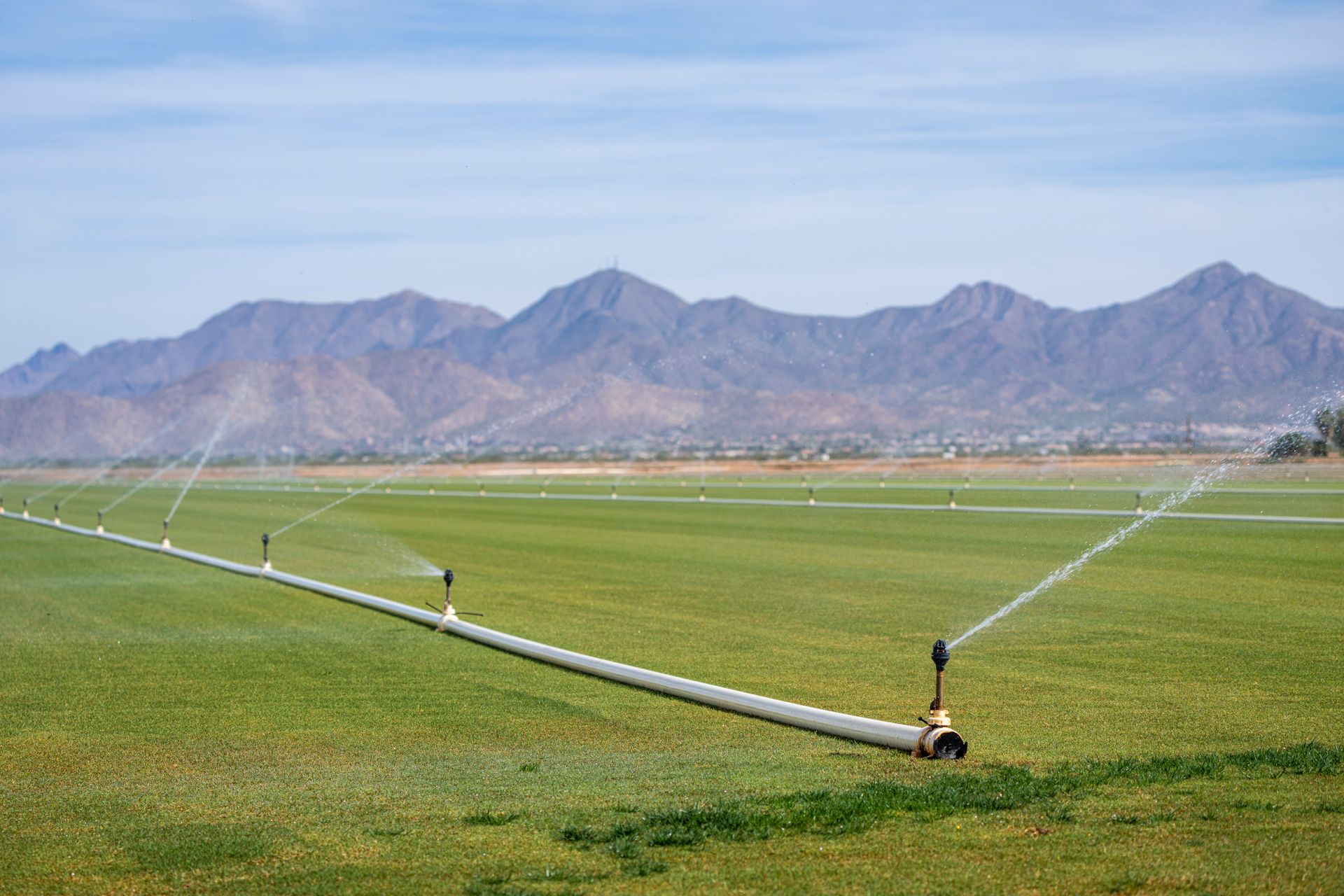
Efficient irrigation can help reduce waste. Mulching can also reduce evaporation from garden soil.
Rainwater collection may be useful in some areas when legally permitted and properly managed.
Before expanding your homestead, make sure your water supply can support additional crops or animals during dry periods.
Learn Food Preservation
A small garden can sometimes produce more food than your household can eat immediately.
Learning preservation methods allows you to make better use of seasonal harvests.
Depending on the food, suitable methods may include drying, freezing, fermentation, pickling, or other tested preservation techniques.
Always follow reliable food-safety instructions. Some preservation methods require precise temperatures, acidity levels, or processing times.
Safe preservation is more important than trying to save every harvest.
Choose Tools Carefully
You do not need a large collection of tools to start.
Begin with essential equipment suited to your projects, such as hand tools, watering equipment, storage containers, and basic protective gear.
Choose durable tools that can perform multiple tasks.
As your homestead grows, invest in specialized equipment only when you know it will provide enough value to justify the cost.
Taking care of your tools can also extend their useful life.
Create a Simple Daily Routine
Small homesteads require regular attention.
Create routines for watering plants, checking animals, collecting eggs, monitoring pests, inspecting fences, managing compost, and maintaining equipment.
Consistent daily care prevents small problems from becoming major ones.
However, avoid creating a schedule that consumes all your free time. A homestead should fit your lifestyle rather than control it.
Keep Track of Your Progress
Record planting dates, harvest quantities, weather conditions, pest problems, expenses, and other useful information.
If you keep animals, maintain appropriate records for feeding, health, and other important care requirements.
These records can show which crops perform well and which projects provide the greatest value.
For example, you may discover that one vegetable produces excellent results while another requires too much effort for the amount harvested.
Keep Your Budget Under Control
Starting small can help prevent unnecessary expenses.
Before purchasing equipment, ask whether it will solve a real problem or simply make the project more convenient.
Look for opportunities to reuse suitable materials and repair tools rather than replacing them immediately.
At the same time, do not compromise on essential safety equipment, secure animal housing, clean water, or appropriate food-handling supplies.
Smart spending focuses resources on things that genuinely improve the homestead.
Expand Gradually
Once your first projects become manageable, consider adding new ones.
You might expand the garden, plant fruit trees, add chickens, improve irrigation, or learn another food-preservation method.
Do not expand simply because you have available space.
Instead, consider your available time, resources, and actual household needs.
Gradual expansion makes it easier to identify what works and correct problems before they become expensive.
Final Thoughts
Learning how to start a small homestead does not require a huge property or complete self-sufficiency. Start by defining your goals, assessing your land, growing a manageable garden, improving soil, and learning basic food-preservation skills.
If appropriate, gradually add chickens, composting, water-management systems, or other projects.
The key is to make steady progress rather than trying to accomplish everything in one season. By starting small, tracking your results, controlling costs, and learning from experience, you can build a productive homestead that fits your space, budget, and lifestyle.