




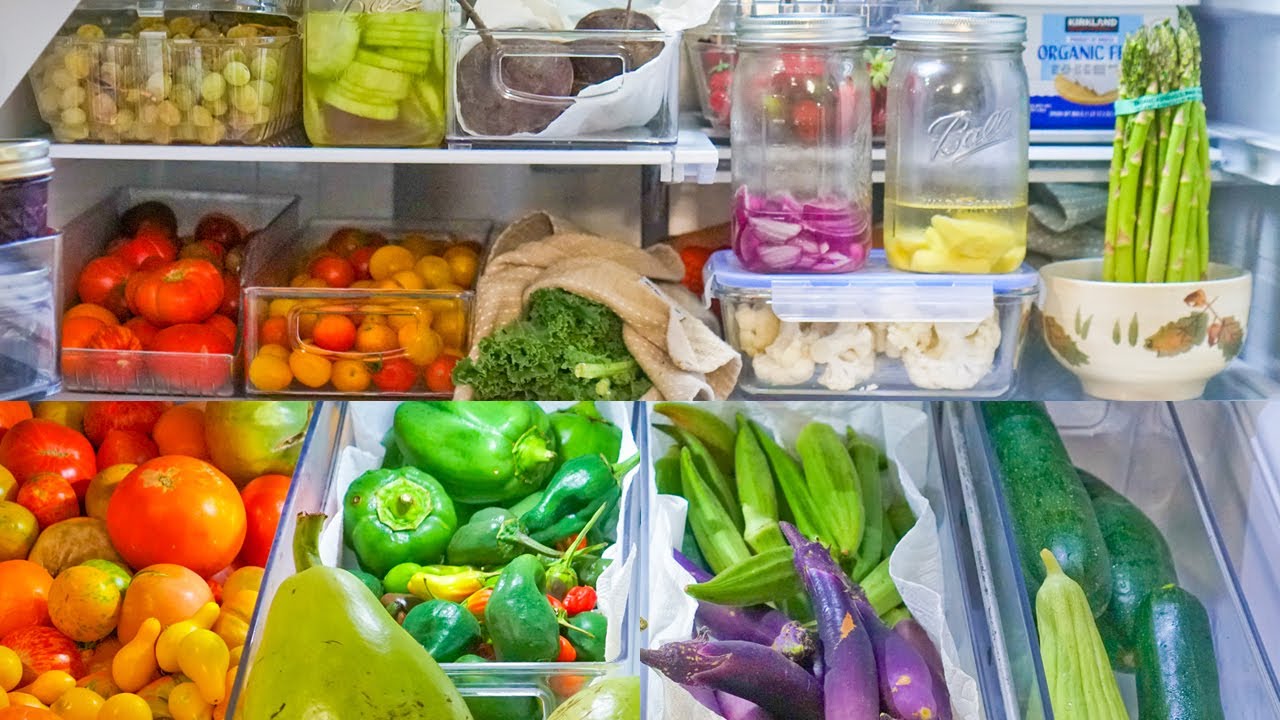
Farm produce storage plays an essential role in preserving quality, reducing waste, and protecting the value of a harvest. Fresh fruits and vegetables continue to change after farmers pick them, so poor handling can quickly cause wilting, bruising, mold, or spoilage. Fortunately, farmers can extend freshness by harvesting carefully, sorting products, controlling storage conditions, and using suitable containers. With a practical post-harvest routine, even small farms can reduce losses and deliver better-quality produce to customers.
Harvest at the Right Time
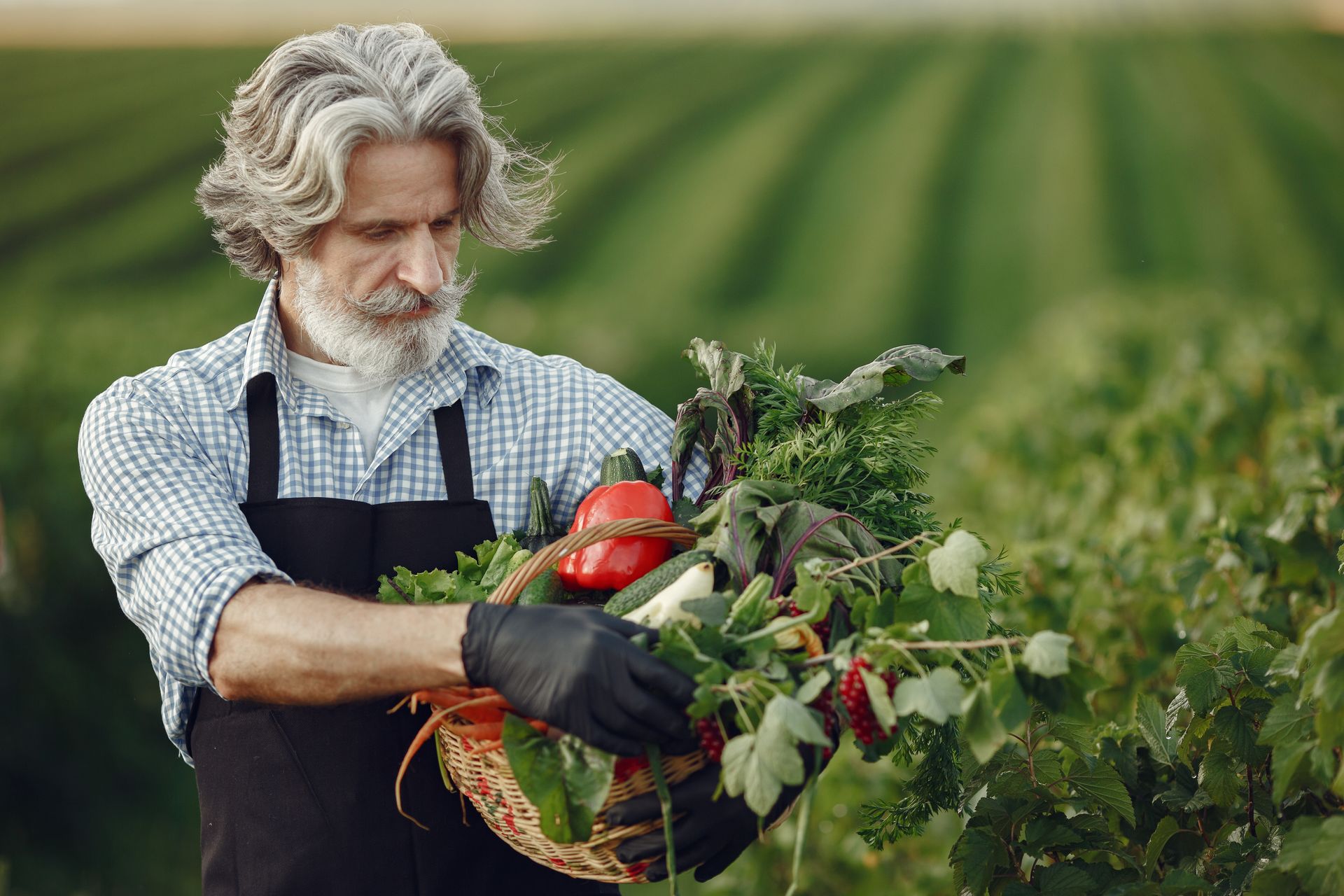
Good storage begins in the field. Harvest crops when they have reached the appropriate maturity for their intended market. Picking too early can affect flavor and development, while harvesting too late can shorten storage life.
Use clean tools and handle produce gently. Avoid dropping vegetables or placing heavy containers on delicate fruits because bruises can create entry points for microorganisms.
Harvest during cooler parts of the day whenever practical. Lower field temperatures can reduce heat buildup and make produce easier to handle before storage.
Sort and Grade the Harvest
After harvesting, inspect the produce carefully. Separate damaged, diseased, overripe, or bruised items from healthy products.
Damaged produce can deteriorate quickly and may encourage spoilage in nearby items. Therefore, removing affected products early can protect the rest of the harvest.
Create Separate Storage Groups
Different crops have different storage requirements. Instead of placing everything together, group produce according to its needs.
Consider separating:
-
Leafy vegetables from dry crops
-
Ripe fruits from unripe produce
-
Crops that require refrigeration from those suited to room-temperature storage
-
Produce that releases significant ethylene from ethylene-sensitive crops
-
Damaged items from healthy produce
This simple organization can make farm produce storage more effective.
Control Temperature and Humidity
Temperature has a major effect on how quickly fresh produce loses quality. Many vegetables and fruits remain fresh longer under cool conditions, while some tropical crops can suffer damage when temperatures become too low.
Before storing a crop, learn its preferred temperature range. Then maintain conditions as consistently as possible.
Humidity also matters. Low humidity can cause leafy vegetables and other produce to lose water and become limp. On the other hand, excessive moisture can encourage mold and decay.
Use ventilation to balance moisture and temperature. Avoid sealing damp produce in containers where condensation can accumulate.
Keep Storage Areas Clean
A clean storage environment reduces the risk of contamination and spoilage. Sweep floors regularly, clean shelves and containers, and remove spoiled produce immediately.
Before bringing in a new harvest, inspect the storage area for insects, rodents, standing water, or damaged surfaces.
Use clean containers and avoid placing fresh produce directly on dirty floors. Good sanitation protects both the harvest and the people who eventually consume it.
Choose Suitable Containers
The right container can prevent bruising and improve airflow. Rigid crates, ventilated boxes, baskets, and other crop-appropriate containers can work well when handled correctly.
Avoid overcrowding containers because excessive pressure can damage produce. Leave enough space for ventilation where the crop requires it.
For delicate fruits and vegetables, use containers that provide adequate protection without trapping excessive moisture.
Use Refrigeration When Appropriate
Refrigeration can significantly extend the life of many fresh crops. However, it does not suit every type of produce.
Before refrigerating a crop, check whether it tolerates cold temperatures. Some tropical fruits and vegetables can develop chilling injuries when exposed to temperatures that are too low.
If refrigeration is available, maintain stable conditions and avoid repeatedly opening the storage unit unnecessarily. Organize produce so that air can circulate around the containers.
Store Dry Crops Properly
Grains, onions, garlic, and other crops intended for longer storage require different conditions from freshly harvested leafy vegetables.
Dry crops should reach an appropriate moisture level before long-term storage. Excess moisture can encourage mold, insects, and deterioration.
Storage areas should remain dry, well ventilated, and protected from pests. Inspect stored crops regularly and remove affected material before problems spread.
Protect Produce From Pests
Rodents and insects can destroy stored crops quickly. Seal cracks and openings where possible, keep the surrounding area clean, and store products away from walls when appropriate.
Regular inspections allow farmers to detect pest activity early. This approach reduces the chance that a small problem will become a major storage loss.
Track Storage Time
Good farm produce storage requires regular monitoring. Label containers with harvest dates and organize older stock so that it gets used or sold first.
Keep simple records of:
-
Harvest dates
-
Crop quantities
-
Storage conditions
-
Spoilage or losses
-
Sales dates
-
Customer feedback
These records can reveal which crops store well and which require different handling methods.
Reduce Losses With Better Handling
Farmers can improve farm produce storage without investing in expensive infrastructure immediately. Start with careful harvesting, clean containers, proper sorting, suitable ventilation, and regular inspections.
When possible, invest gradually in equipment that addresses the farm’s biggest weaknesses. A shaded holding area, improved storage containers, cooling equipment, or better pest protection can make a meaningful difference.
Ultimately, successful farm produce storage begins with understanding the needs of each crop. Farmers who control temperature and humidity, prevent physical damage, maintain cleanliness, and monitor stored products can preserve freshness for longer.
By treating storage as an important part of the production process rather than an afterthought, farmers can reduce waste, maintain quality, and increase the value of every harvest.