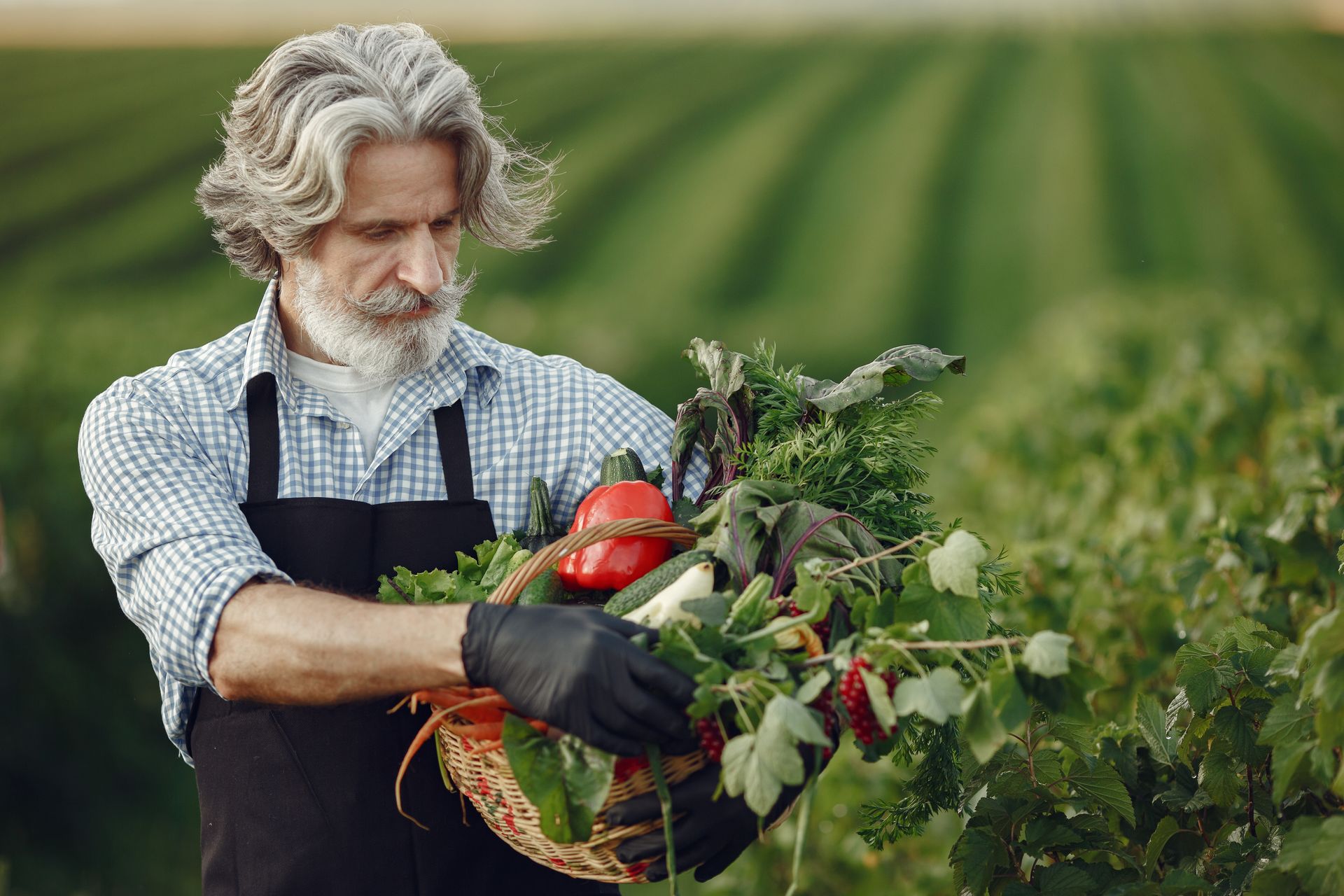
Fresh fruits and vegetables can make meals more flavorful while providing a variety of nutrients and textures. However, choosing high-quality produce requires more than simply picking the brightest or largest items.
Freshness can vary depending on the crop, variety, harvest timing, transportation, and storage conditions. Fortunately, you can use several simple signs to determine whether produce is fresh and suitable for purchase.
Learning how to tell if fruits and vegetables are fresh can help you make better shopping decisions, reduce food waste, and get more value from your groceries.
Check the Overall Appearance
Start by examining the produce carefully.
Fresh fruits and vegetables should generally look appropriate for their variety. Look for natural color, firm structure, and an overall healthy appearance.
Avoid products with extensive mold, deep bruises, leaking liquid, severe discoloration, or obvious decay.
However, remember that fresh produce does not need to look perfect. Small marks, unusual shapes, or minor blemishes do not necessarily indicate poor quality.
Focus on signs of deterioration rather than cosmetic imperfections.
Feel the Firmness
Firmness provides useful information about freshness for many fruits and vegetables.
Vegetables such as carrots, cucumbers, peppers, and broccoli should generally feel firm and solid.
Some fruits should also feel firm when they are ready for purchase, while others naturally soften as they ripen.
Do not squeeze produce aggressively. Excessive pressure can bruise delicate items and shorten their shelf life.
Instead, use gentle pressure to determine whether the texture feels appropriate for the particular crop.
Look at the Color
Color can provide clues about maturity and freshness.
Leafy greens often look vibrant and crisp when they are in good condition. Fruits may develop characteristic colors as they ripen.
However, color varies between varieties. For example, tomatoes can naturally range from green to yellow, orange, pink, or deep red depending on the variety and stage of maturity.
Therefore, learn what is normal for the specific fruit or vegetable rather than relying on color alone.
Smell the Produce
A pleasant, natural aroma can indicate that certain fruits are ripe and ready to eat.
Many ripe fruits develop stronger aromas as they mature. If a fruit smells fermented, sour, rotten, or otherwise unpleasant, it may have passed its best stage.
Vegetables generally should have a clean, fresh smell.
However, smell is only one indicator. Combine it with appearance and texture when evaluating produce.
Examine the Skin
The surface of fruits and vegetables can reveal signs of damage.
Check for cuts, cracks, bruises, mold, insect damage, or excessive shriveling.
Some crops naturally have rough or uneven skins, so do not confuse normal characteristics with spoilage.
For produce with edible skins, a healthy surface can help protect the inside from damage and moisture loss.
Check Leafy Greens
Leafy vegetables can lose moisture quickly after harvest.
Fresh lettuce, spinach, kale, and similar greens should generally appear crisp rather than severely wilted.
Look for leaves with healthy color and avoid bunches with widespread yellowing, sliminess, or decay.
If only a few outer leaves appear damaged, you may be able to remove them and use the remaining healthy leaves, depending on the condition of the product.
Inspect Stems and Tops
For some fruits and vegetables, the stem or top can provide useful information.
Certain produce may retain a fresh-looking stem when recently harvested, although this is not a universal rule.
For vegetables such as carrots or radishes sold with tops attached, healthy-looking leaves can provide additional clues about freshness.
Do not rely on stems alone, however. Always examine the entire product.
Check Weight and Density
Weight can sometimes help you assess freshness.
For many fruits and vegetables, produce that feels relatively heavy for its size may contain a good amount of moisture.
This can be useful when selecting melons, citrus fruits, and similar products.
However, ideal weight varies by crop and variety. Use this method together with firmness, appearance, and aroma rather than treating it as a universal rule.

Watch for Excessive Moisture
Moisture can be a warning sign, especially in packaged produce.
Water collecting inside a package can encourage deterioration in some fruits and vegetables.
Check bags and containers for excessive condensation, leaking liquid, or slimy surfaces.
At the same time, certain products naturally require high humidity. The goal is not to avoid moisture completely but to avoid conditions that encourage decay.
Check for Mold
Mold is a clear warning sign that produce is deteriorating.
Inspect berries, leafy vegetables, soft fruits, and packaged products carefully because mold can spread quickly.
If a package contains extensive mold or multiple spoiled pieces, it is better to choose another package.
Do not assume that removing one visibly moldy item makes the entire product safe, particularly when mold has spread through soft foods.
Consider the Season
Seasonality can help you find fresher produce.
Fruits and vegetables that are naturally in season in your region may be available closer to harvest and can sometimes offer better flavor and value.
However, local growing seasons vary. Learn what farmers are harvesting in your area during different times of the year.
Buying seasonal produce can also introduce you to varieties that are less common outside their natural growing period.
Ask the Seller
When shopping at a farmers market or farm stand, speak with the seller.
Ask when the produce was harvested and how it has been stored.
Farmers can often explain which products are ready to eat immediately and which ones need additional ripening.
They may also recommend the best varieties for salads, cooking, juicing, or storage.
This information can be particularly useful when buying unfamiliar produce.
Choose According to When You Will Eat It
Freshness does not always mean choosing the ripest item available.
If you plan to eat fruit the same day, a ripe product may be ideal. If you want it to last several days, select produce that is mature but still firm when appropriate.
This approach can reduce waste and help you maintain a steady supply of fresh food.
Store Fresh Produce Properly
Choosing fresh produce is only the first step.
Once you bring it home, store each item according to its needs. Some products require refrigeration, while others can lose quality when kept too cold.
Keep produce away from excessive heat and direct sunlight.
Separate damaged items from healthy ones and check your stored produce regularly.
Proper storage can significantly extend the useful life of fresh fruits and vegetables.
Final Thoughts
Learning how to tell if fruits and vegetables are fresh becomes easier with practice. Check appearance, firmness, color, aroma, skin condition, moisture, and signs of mold or decay.
Remember that every crop has different characteristics. A soft peach may be perfectly ripe, while a soft carrot may indicate deterioration.
When possible, ask local farmers about harvest dates and storage practices. Then, choose produce according to when you plan to eat it and store it correctly once you get home.
By combining careful inspection with proper storage, you can select better-quality produce, enjoy better flavor, and reduce unnecessary food waste.