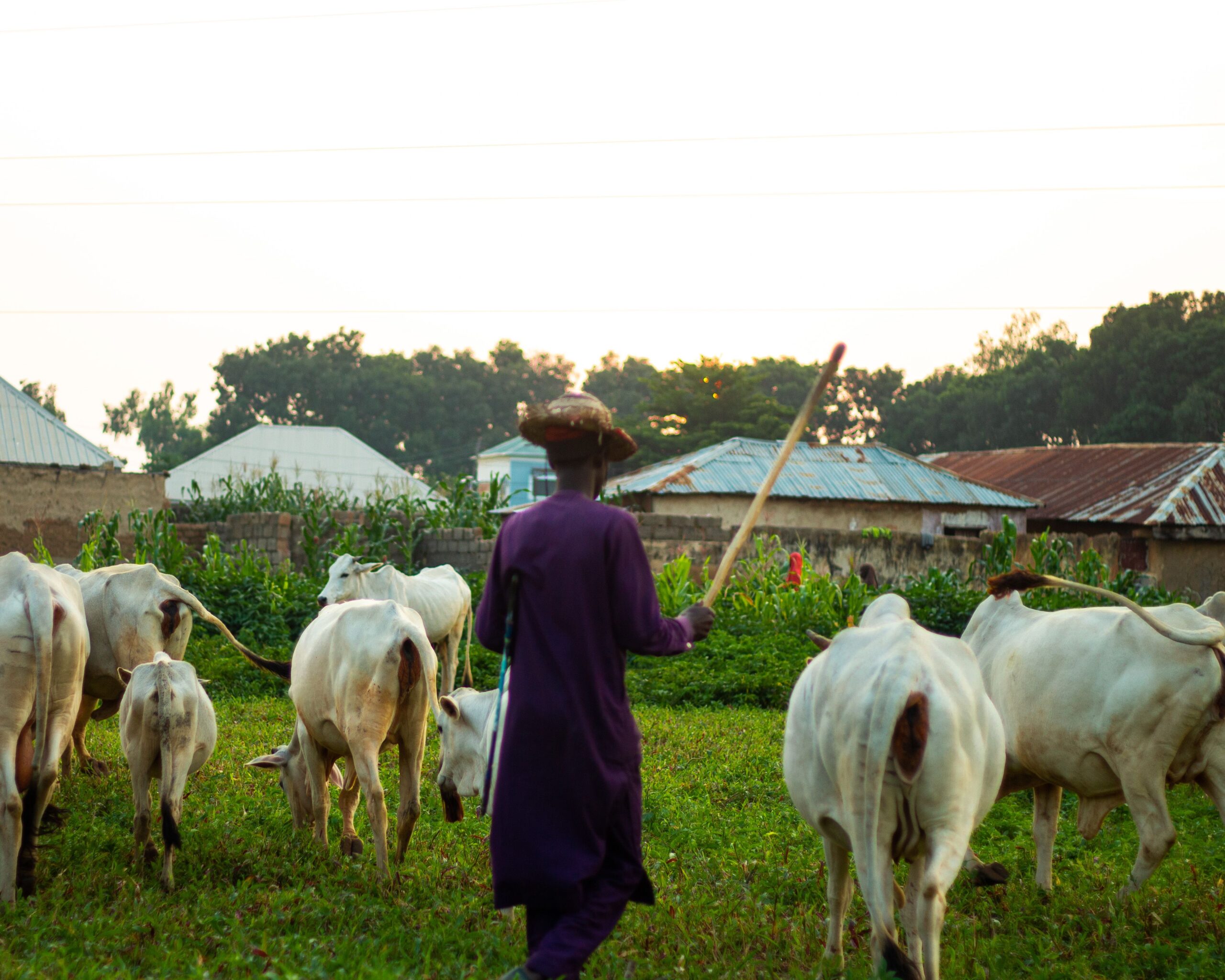
Farming is rarely an easy path to success. Farmers face unpredictable weather, changing markets, rising input costs, pests, labor challenges, and countless daily decisions. Yet many farmers continue to adapt, learn, and build successful agricultural businesses.
The most inspiring stories from successful farmers often have one thing in common: success develops gradually through persistence, practical decisions, and a willingness to change.
These stories offer useful lessons for both experienced farmers and beginners who want to build more productive and resilient farms.
Success Starts With a Clear Goal
Successful farmers often begin with a clear understanding of what they want to achieve.
For some, the goal may be to build a profitable commercial farm. Others may want to supply fresh food to their community, create a family business, or become more self-sufficient.
Having a clear goal helps farmers decide where to invest their time and money.
Instead of trying every new farming idea, they can focus on practices and crops that support their long-term objectives.
Starting Small Can Lead to Big Results
Many successful farmers do not begin with large amounts of land or expensive equipment.
Instead, they start with a manageable operation and expand gradually.
A small vegetable plot, poultry enterprise, orchard, or other agricultural activity can provide an opportunity to learn before making larger investments.
Starting small also allows farmers to identify mistakes while the financial risks remain manageable.
As experience and income grow, farmers can expand the operation based on proven results.
Learning From Failure
Failure is often part of a farmer’s journey.
A crop may perform poorly, an irrigation system may fail, or a new market may not produce the expected income.
Successful farmers do not necessarily avoid mistakes. Instead, they learn from them.
After a disappointing season, they examine what happened, identify the causes, and adjust their plans.
This mindset can turn setbacks into valuable experience.
Adapting to Changing Weather
Weather can have a major impact on farm success.
Farmers who adapt their practices to changing conditions may improve their resilience.
For example, they may use drought-tolerant varieties, improve soil moisture management, diversify crops, or invest in more efficient irrigation.
Rather than depending on a single strategy, adaptable farmers prepare for several possible conditions.
Good planning cannot eliminate weather risks, but it can reduce their impact.
Building Healthy Soil
Many successful farmers recognize that productive crops depend on healthy soil.
They may use crop rotation, cover crops, compost, appropriate organic matter, reduced soil disturbance, and careful nutrient management.
These practices can improve soil structure and support long-term productivity.
Farmers who invest in soil health often think beyond a single harvest.
They understand that protecting the soil today can support future production.
Finding Better Markets
Growing a good crop is only part of running a successful farm.
Farmers also need to understand who will buy their products and what those customers value.
Some farmers sell directly to consumers through farm stands, markets, community programs, or other suitable channels.
Others supply restaurants, retailers, processors, or wholesalers.
Successful farmers research their markets before committing significant resources to a new crop or enterprise.

Adding Value to Farm Products
Some farmers increase their income by doing more than selling raw agricultural products.
Depending on local regulations and available resources, farmers may process suitable products into items such as dried foods, preserves, baked goods, sauces, or other value-added products.
Processing can potentially increase the value of a harvest and provide additional ways to use surplus produce.
However, farmers should carefully consider food-safety requirements, equipment costs, labor, packaging, and market demand before starting a value-added business.
Using Technology Wisely
Modern technology can help farmers make better decisions.
Farmers may use weather applications, soil-moisture sensors, farm-management software, GPS equipment, digital marketing, or other tools.
However, successful farmers do not necessarily buy every new technology.
Instead, they ask whether a tool solves a real problem and whether its benefits justify the cost.
Choosing practical technology can improve efficiency without creating unnecessary expenses.
Reducing Unnecessary Costs
Profitability depends not only on increasing income but also on managing expenses.
Successful farmers monitor costs for seeds, feed, fertilizer, fuel, labor, water, equipment, and other inputs.
They look for waste and evaluate whether each expense contributes to productive results.
For example, improving irrigation efficiency may reduce water use, while better equipment maintenance may reduce repair costs.
Small savings can become significant when they continue across multiple seasons.
Diversifying the Farm
Relying on one crop or income source can expose a farm to significant risk.
Some successful farmers diversify by growing multiple crops, keeping livestock, offering farm experiences, selling processed products, or developing other suitable income streams.
Diversification can help spread risk because different enterprises may respond differently to weather and market conditions.
However, diversification should remain manageable.
Adding too many enterprises can increase complexity and labor requirements.
Building Strong Relationships
Farming success often depends on relationships.
Farmers may rely on suppliers, customers, agricultural advisers, veterinarians, mechanics, neighboring farmers, employees, and community organizations.
Building reliable relationships can make it easier to obtain information, solve problems, find markets, and access services.
Successful farmers understand that agriculture is rarely a completely individual effort.
Treating Farming as a Business
Passion for agriculture matters, but successful farms also require sound financial management.
Farmers need to understand revenue, expenses, cash flow, pricing, and investment decisions.
Keeping accurate records makes it easier to determine which crops and enterprises actually make money.
A farmer may enjoy growing a particular crop, but if the crop consistently loses money, the business needs to reconsider how it produces or markets that product.
Continuing to Learn
Agriculture continues to change.
New crop varieties, production methods, technologies, markets, and environmental challenges create opportunities for farmers who continue learning.
Successful farmers often learn from other producers, agricultural professionals, training programs, research, field demonstrations, and their own farm records.
They remain curious and test new ideas carefully.
Passing Knowledge to the Next Generation
For family farms, long-term success often depends on sharing knowledge with younger generations.
Experienced farmers can teach younger family members about soil, crops, livestock, equipment, markets, and farm management.
At the same time, younger farmers may introduce new technology, marketing ideas, and management approaches.
Combining experience with new perspectives can strengthen a farm’s future.
Staying Patient and Persistent
Agricultural success rarely happens overnight.
A new orchard may take years to produce significant harvests. Soil improvements can take multiple seasons. A new customer base may take time to develop.
Successful farmers understand that meaningful progress requires patience.
They continue working toward their goals while adjusting their strategies when circumstances change.
Final Thoughts
The most inspiring stories from successful farmers demonstrate that agricultural success comes in many forms.
Some farmers build large commercial operations, while others create profitable small farms or successful family businesses.
Despite their differences, successful farmers often share important qualities: they learn from mistakes, manage resources carefully, understand their markets, adapt to change, and remain committed to improving their operations.
For new farmers, these lessons provide an important reminder: you do not need to have everything figured out on the first day.
Start with a clear goal, learn from experience, manage your resources wisely, and improve one step at a time. With patience and persistence, small improvements can eventually grow into lasting success.