Homemade pantry staples can make everyday cooking more convenient while giving you greater control over ingredients, flavor, and spending. Instead of purchasing every basic ingredient from a store, you can prepare many useful foods at home with simple ingredients and practical techniques. From spice blends and stocks to sauces, baked goods, and preserved foods, building a homemade pantry can help reduce waste and make meal preparation easier.
Start With Simple Staples
When creating a homemade pantry, begin with items you already use regularly. There is little value in preparing foods that your household rarely consumes.
Consider making simple staples such as:
-
Spice blends
-
Bread and flatbreads
-
Tomato sauces
-
Stocks and broths
-
Granola
-
Dried herbs
-
Nut or seed spreads
-
Baking mixes
Starting with familiar foods allows you to practice without investing in specialized equipment.
Make Your Own Spice Blends
Spice blends are among the easiest homemade pantry staples to prepare. Combining individual spices lets you adjust flavor and avoid buying multiple packaged blends.
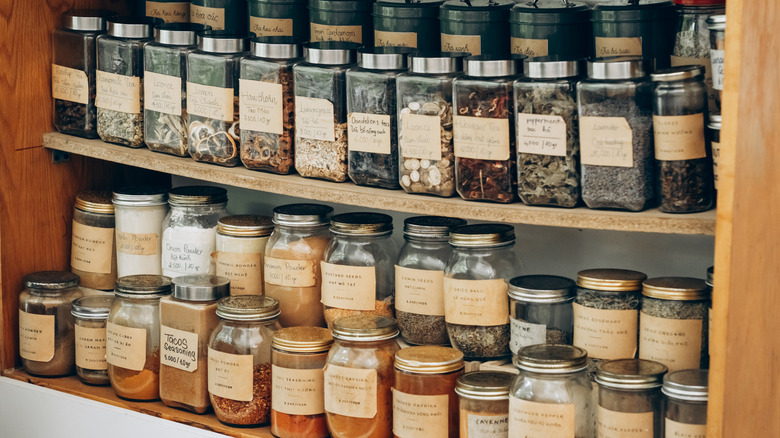
You can create simple mixes for roasted vegetables, grilled foods, soups, or baking. Store dry blends in clean, airtight containers and label them with the ingredients and preparation date.
Use whole spices when practical and grind them in small quantities. This can help preserve their aroma and flavor.
Prepare Homemade Stocks
Stocks provide a useful foundation for soups, stews, sauces, and other meals. You can make them from vegetables, meat, poultry, or appropriate bones and trimmings.
Save suitable vegetable scraps and other usable ingredients while cooking, provided they are clean and safe to use. Simmer them with water and appropriate seasonings, then strain the finished stock.
After cooling it safely, store the stock according to appropriate food-safety practices. Refrigeration or freezing can help extend its useful life.
Making stock also provides an excellent way to reduce kitchen waste because ingredients that might otherwise be discarded can contribute flavor to future meals.
Bake Basic Bread
Bread can become one of the most practical homemade pantry staples because a few basic ingredients can produce many variations.
A simple loaf generally requires flour, water, yeast or another suitable leavening agent, salt, and sometimes additional ingredients such as oil or milk.
Start with a straightforward recipe and learn how dough should look and feel at different stages. Factors such as flour type, humidity, temperature, and fermentation time can affect the final result.
Once you become comfortable with basic bread, you can experiment with rolls, flatbreads, whole-grain loaves, or other variations.
Make Sauces and Condiments
Homemade sauces can transform simple meals while allowing you to control their flavor and ingredients. Tomato sauce, barbecue-style sauces, salad dressings, and certain relishes can often be prepared with common kitchen ingredients.
However, pay close attention to food safety when preparing sauces intended for long-term storage. Not every homemade sauce is suitable for shelf-stable storage.
For beginners, refrigeration or freezing may provide simpler options for preserving homemade sauces. If you plan to can foods for room-temperature storage, follow tested preservation methods from reliable food-safety authorities.
Dry Herbs for Future Meals
Fresh herbs can be difficult to use before they deteriorate. Drying them can provide a practical way to preserve their flavor for later cooking.
Harvest clean herbs at an appropriate stage, remove damaged leaves, and dry them using a suitable method. The herbs should become completely dry before storage.
Store dried herbs in airtight containers away from direct light and excessive heat. Label each container so you can easily identify its contents and approximate storage date.
Create Homemade Baking Mixes
Pre-measured baking mixes can make busy days easier. You can combine dry ingredients for pancakes, muffins, biscuits, or similar recipes and store them until needed.
Keep ingredients dry and use clean, airtight containers. Label each mix with the ingredients that need to be added later and include simple preparation instructions.
This method can save time without requiring you to purchase commercially prepared mixes.
Use Leftovers Wisely
Building homemade pantry staples can also reduce food waste. Instead of throwing away usable ingredients, consider how they can contribute to another meal or preparation.
Vegetable trimmings can sometimes become stock. Overripe fruit can become a cooked sauce or suitable baked ingredient. Stale bread can become breadcrumbs, croutons, or another appropriate preparation.
However, do not preserve or reuse food that shows signs of spoilage. When in doubt about safety, discard it.
Organize Your Pantry
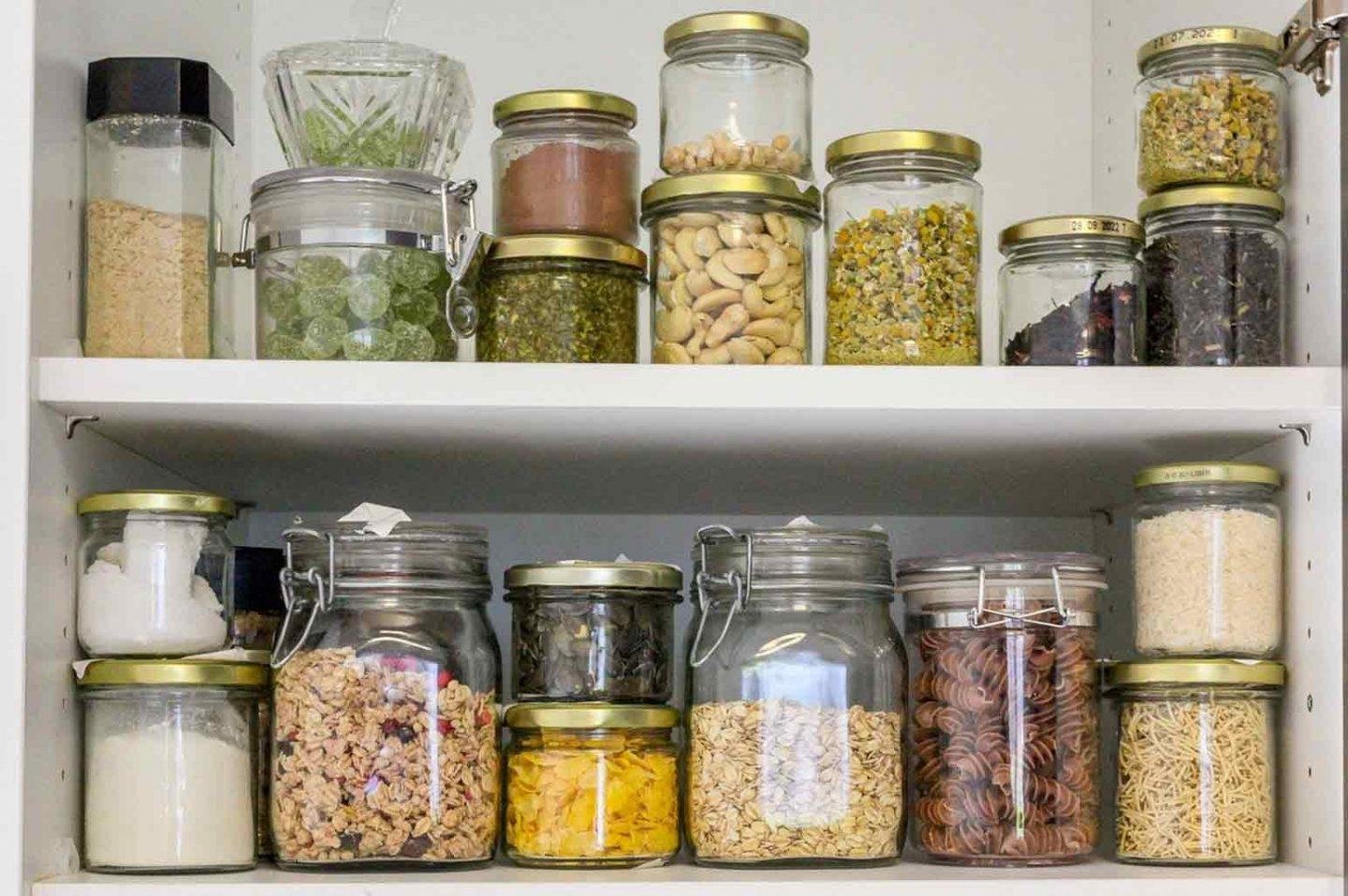
A homemade pantry works best when you can easily see what you have. Use clean containers and clear labels to identify ingredients and preparation dates.
Arrange frequently used foods where they are easy to reach. Store older items toward the front and newer items behind them so that you use older supplies first.
A simple inventory can also prevent unnecessary purchases. Before shopping, check your pantry and plan meals around ingredients that need to be used.
Focus on Quality and Safety
Making food at home provides more control, but it also requires responsibility. Use clean equipment, fresh ingredients, appropriate storage containers, and safe preparation practices.
Learn the difference between foods that require refrigeration and those that can safely remain at room temperature. For preservation methods such as canning, fermentation, or dehydration, follow tested instructions rather than relying on assumptions.
The goal is not simply to produce more food. It is to prepare useful products that remain safe, flavorful, and convenient.
Build Your Pantry Gradually
You do not need to transform your kitchen overnight. Choose one or two homemade pantry staples and practice them until you are comfortable. Then add another project.
Keep notes about recipes, ingredient quantities, storage methods, and how long you typically use each product. These records can help you refine your approach and avoid making more than your household can consume.
Ultimately, homemade pantry preparation combines practicality, creativity, and careful planning. By starting with simple recipes, using ingredients efficiently, organizing your supplies, and following safe storage practices, you can gradually build a pantry that supports everyday cooking.
The greatest benefit is flexibility. When basic ingredients are already prepared and organized, you can spend less time shopping and more time creating meals that suit your household’s preferences.