Natural Pest Management offers farmers a practical way to reduce crop damage while limiting unnecessary reliance on synthetic pesticides. Instead of waiting for pest populations to become severe, farmers can prevent problems by monitoring crops, improving soil health, encouraging beneficial organisms, and using several control methods together. This approach can protect crops while supporting a healthier and more balanced farm environment.
Understand Common Farm Pests
Before controlling pests, farmers need to identify them correctly. Insects, mites, rodents, birds, and some plant diseases can cause similar symptoms, so treating the wrong problem may waste time and money.
Inspect crops regularly for holes, discoloration, wilting, chewed leaves, damaged stems, and unusual growth. Check both sides of leaves and examine the soil around plants. Early identification allows farmers to respond before damage becomes widespread.
Keep Simple Pest Records
Farmers can record:
-
The type of pest observed
-
Crops affected
-
Location of the problem
-
Date of observation
-
Level of crop damage
-
Weather conditions
-
Control methods used
These records can reveal recurring patterns and help farmers prepare for future pest problems.
Encourage Beneficial Insects
Not every insect on a farm causes damage. Lady beetles, lacewings, predatory bugs, spiders, and some parasitic insects can feed on crop pests.
Farmers can support these helpful organisms by maintaining suitable habitat. Flowering plants can provide nectar and pollen, while hedgerows and diverse vegetation can offer shelter.
Avoiding unnecessary broad-spectrum pesticide applications can also help preserve beneficial insect populations. As a result, the farm may develop stronger natural pest control over time.
Rotate Crops Regularly
Crop rotation can interrupt the life cycles of pests that depend on particular plants. Instead of growing the same crop in the same location year after year, farmers can rotate crops with different families and growing requirements.
For example, rotating a susceptible crop with an unrelated crop can make it harder for certain pests to find their preferred host. Rotation can also support soil health and reduce some disease pressures.
Improve Soil Health
Healthy plants are often better positioned to withstand environmental stress and recover from minor pest damage. Therefore, soil management forms an important part of Natural Pest Management.
Farmers can improve soil by adding appropriate organic matter, managing nutrients carefully, reducing unnecessary disturbance, and preventing erosion. However, healthy soil does not make crops immune to pests. Farmers should continue monitoring fields even when growing conditions are good.
Use Physical Barriers
Physical protection can prevent pests from reaching crops in the first place. Depending on the crop and pest, farmers may use insect netting, row covers, fencing, traps, or protective collars around plants.
These methods can work particularly well on smaller plots and high-value crops. Farmers should install barriers correctly and inspect them regularly for gaps or damage.
Remove Affected Plant Material
When a small number of plants show serious pest damage or disease symptoms, removing affected material may help prevent further spread. Dispose of infected or heavily infested material appropriately rather than leaving it beside healthy crops.
Farmers should avoid moving contaminated plant material around the farm because this can spread pests to previously unaffected areas.
Manage Weeds Carefully
Weeds can provide shelter and alternative food sources for some agricultural pests. They may also compete with crops for water, nutrients, light, and growing space.
Keeping planting areas appropriately managed can therefore support Natural Pest Management. However, farmers should avoid removing every plant indiscriminately because some non-crop vegetation can provide valuable habitat for beneficial organisms.
A balanced approach focuses on controlling weeds that directly interfere with production while maintaining useful vegetation where practical.
Use Traps and Monitoring Tools
Traps can help farmers monitor pest populations and, in some situations, reduce numbers. Sticky traps, pheromone traps, and other suitable monitoring tools can provide information about pest activity.
Farmers should use traps according to the pest and crop involved. Monitoring is especially useful because it helps determine whether a pest population is actually increasing rather than relying on assumptions.
This approach supports better decisions and can prevent unnecessary treatments.
Apply Biological Controls Carefully
Biological control uses natural enemies or biological products to suppress pests. Beneficial organisms may target specific pests while causing less disruption to other parts of the ecosystem.
However, biological controls require proper identification and timing. Farmers should use reputable guidance and understand the specific requirements of any biological product before applying it.
Combining biological control with crop rotation, monitoring, sanitation, and physical protection can make the overall strategy more effective.
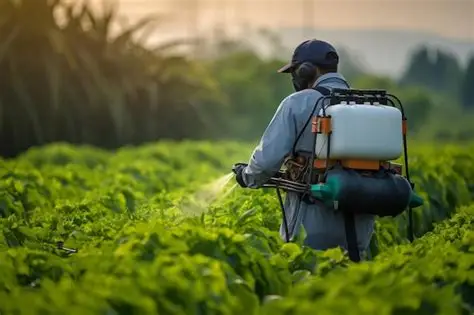
Consider Natural Sprays Carefully
Some farmers use plant-based or other lower-impact treatments to manage pests. However, “natural” does not automatically mean harmless. Certain substances can damage crops, affect beneficial insects, or create risks when handled incorrectly.
Before applying any homemade or commercial treatment, farmers should confirm that it is appropriate for the crop and pest. Follow product instructions when applicable, observe recommended precautions, and test unfamiliar treatments on a small area first.
Build a Long-Term Pest Strategy
Successful Natural Pest Management depends on prevention rather than relying on one solution. Farmers should combine several compatible practices and adjust them according to field observations.
A practical strategy might include:
-
Inspect crops regularly.
-
Identify pests accurately.
-
Record pest activity.
-
Encourage beneficial organisms.
-
Rotate crops.
-
Maintain healthy soil.
-
Use physical barriers where appropriate.
-
Remove heavily affected plant material.
-
Monitor pest populations.
-
Choose control measures based on actual need.
Protect Crops Through Consistent Management
The goal of Natural Pest Management is not necessarily to eliminate every insect or organism from a farm. Instead, farmers should keep harmful pest populations below levels that cause unacceptable economic damage.
This approach recognizes that farms contain complex ecosystems. Beneficial insects, soil organisms, plants, crops, and pests interact continuously. By encouraging balance and responding early to problems, farmers can reduce unnecessary interventions.
Ultimately, Natural Pest Management provides a practical foundation for healthier crop production. Through careful monitoring, crop diversity, beneficial organisms, good soil care, physical protection, and responsible intervention, farmers can manage pests while protecting valuable farm resources. Consistent observation remains the key: when farmers understand what is happening in their fields, they can make smarter decisions and address problems before they become costly.