







Healthy, fertile soil is one of the most valuable resources on any farm. It provides crops with nutrients, water, air, and the physical support they need to grow. However, repeated cultivation, erosion, nutrient loss, and poor soil management can gradually reduce fertility.
Fortunately, farmers can use several natural methods to restore and maintain productive soil. These practices can improve soil structure, support beneficial organisms, reduce erosion, and create better conditions for healthy crops.
If you are looking for natural ways to improve soil fertility, start with the following practical strategies.
Test Your Soil First
Before making major changes, learn about the condition of your soil. A soil test can provide useful information about pH and nutrient levels.
Testing helps you understand whether your soil lacks particular nutrients or has a pH problem. Consequently, you can choose appropriate amendments instead of applying materials unnecessarily.
Take soil samples from representative areas of your field because soil conditions can vary across the farm. If possible, use a reputable agricultural laboratory or follow guidance from a qualified agricultural professional.
Once you understand your soil, create a fertility plan based on your crops and production goals.
Add Compost
Compost is one of the simplest natural methods for adding organic matter to soil. Properly prepared compost can improve soil structure and support biological activity.
You can produce compost from suitable plant residues, leaves, grass, and other organic materials available on the farm.
However, allow compost to decompose properly before applying it to growing areas. Finished compost should be stable and free from materials that could harm crops.
Apply it appropriately and incorporate it into your overall soil-management strategy rather than relying on compost alone to supply every crop nutrient.
Use Well-Decomposed Manure
Animal manure can provide organic matter and plant nutrients. Therefore, it can be a useful resource for farms that keep livestock.
However, fresh manure can cause problems. It may contain pathogens, weed seeds, or high levels of nutrients that can damage plants if applied incorrectly.
Use well-decomposed or properly managed manure and follow appropriate application recommendations. Keep manure away from water sources and manage storage areas carefully to reduce environmental risks.
Grow Cover Crops
Cover crops are plants grown primarily to protect and improve the soil rather than for direct harvest.
Depending on the species, cover crops can reduce erosion, suppress weeds, add organic matter, and support soil organisms.
Legume cover crops can also contribute nitrogen through biological nitrogen fixation. Grasses and other cover crops can produce substantial plant material that contributes to soil organic matter.
Choose cover crops that suit your climate, soil, cropping system, and available water. Also, manage them carefully so they do not compete with future crops or become difficult to control.

Practice Crop Rotation
Growing the same crop repeatedly can place repeated demands on the soil. Crop rotation changes the crops grown in a field across seasons, creating a more diverse production system.
Include different crop families where appropriate. Legumes can be particularly useful because they can contribute nitrogen to the system.
Crop rotation can also help manage certain pests and diseases. Furthermore, different root systems can explore different parts of the soil and contribute varying amounts of plant residue.
Create a rotation plan that matches your farm’s crops, climate, market, and production schedule.
Keep Soil Covered
Bare soil is vulnerable to erosion, moisture loss, and temperature fluctuations. Therefore, keep the soil covered whenever practical.
Mulch can protect the surface between plants. Suitable crop residues can also provide ground cover after harvest.
Cover crops offer another option during periods when fields would otherwise remain bare.
By protecting the soil surface, these practices can help preserve valuable topsoil and organic matter.
Reduce Soil Erosion
Erosion can remove the most fertile part of the soil. Consequently, farmers should take steps to reduce water and wind erosion.
Planting along suitable contours, maintaining ground cover, using terraces where appropriate, and avoiding unnecessary soil disturbance can help protect fields.
The best approach depends on the landscape, soil type, rainfall, and farming system.
Protecting soil from erosion is especially important because replacing lost topsoil can take many years.
Encourage Beneficial Soil Organisms
Healthy soil contains a wide range of organisms, including bacteria, fungi, earthworms, and other organisms that contribute to nutrient cycling and soil structure.
Adding organic matter and minimizing unnecessary disturbance can support soil biological activity.
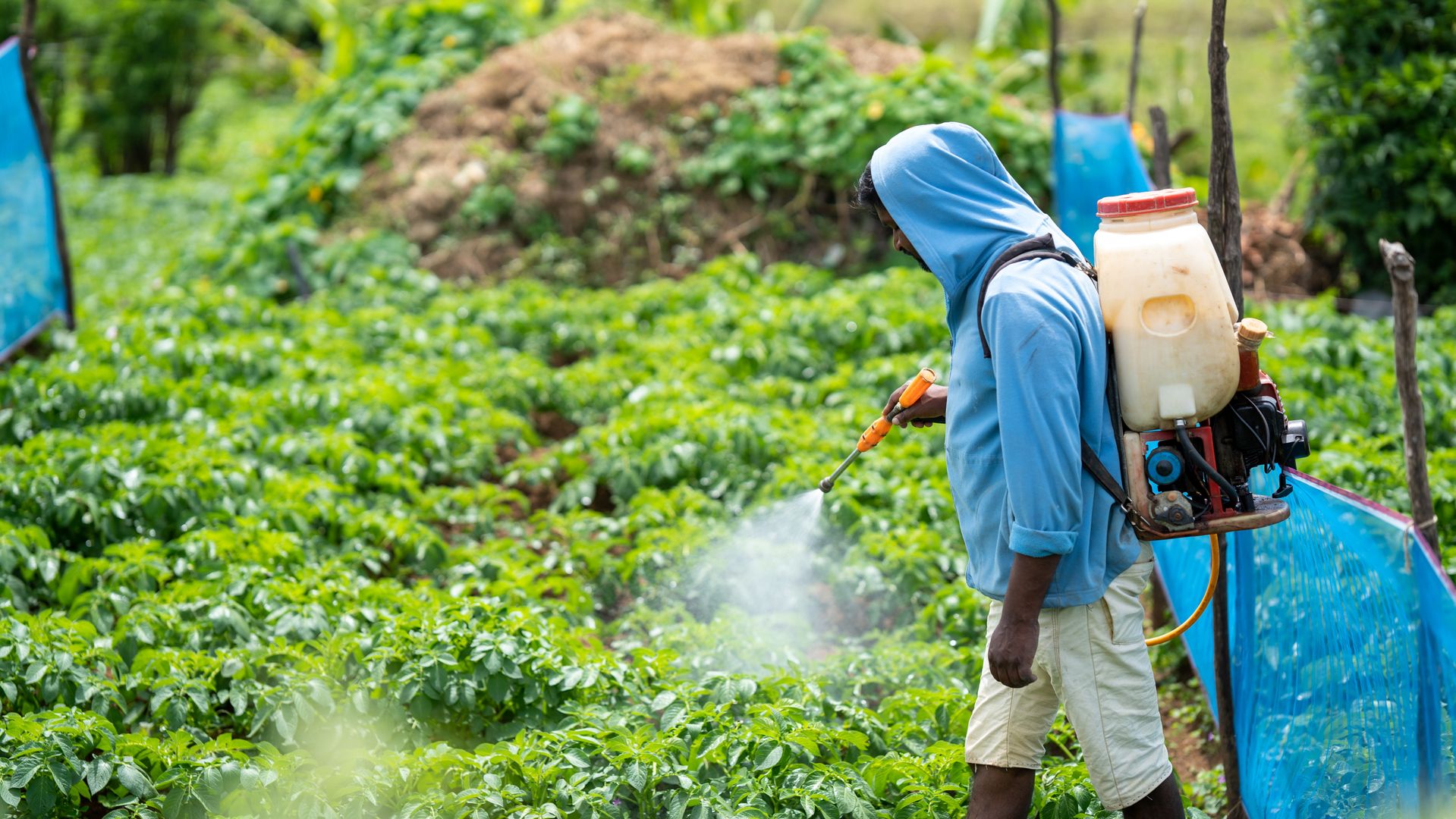
Avoid practices that unnecessarily damage soil organisms. Use agricultural inputs carefully and follow appropriate recommendations.
Furthermore, maintaining plant diversity can contribute to a more active and resilient soil ecosystem.
Avoid Excessive Tillage
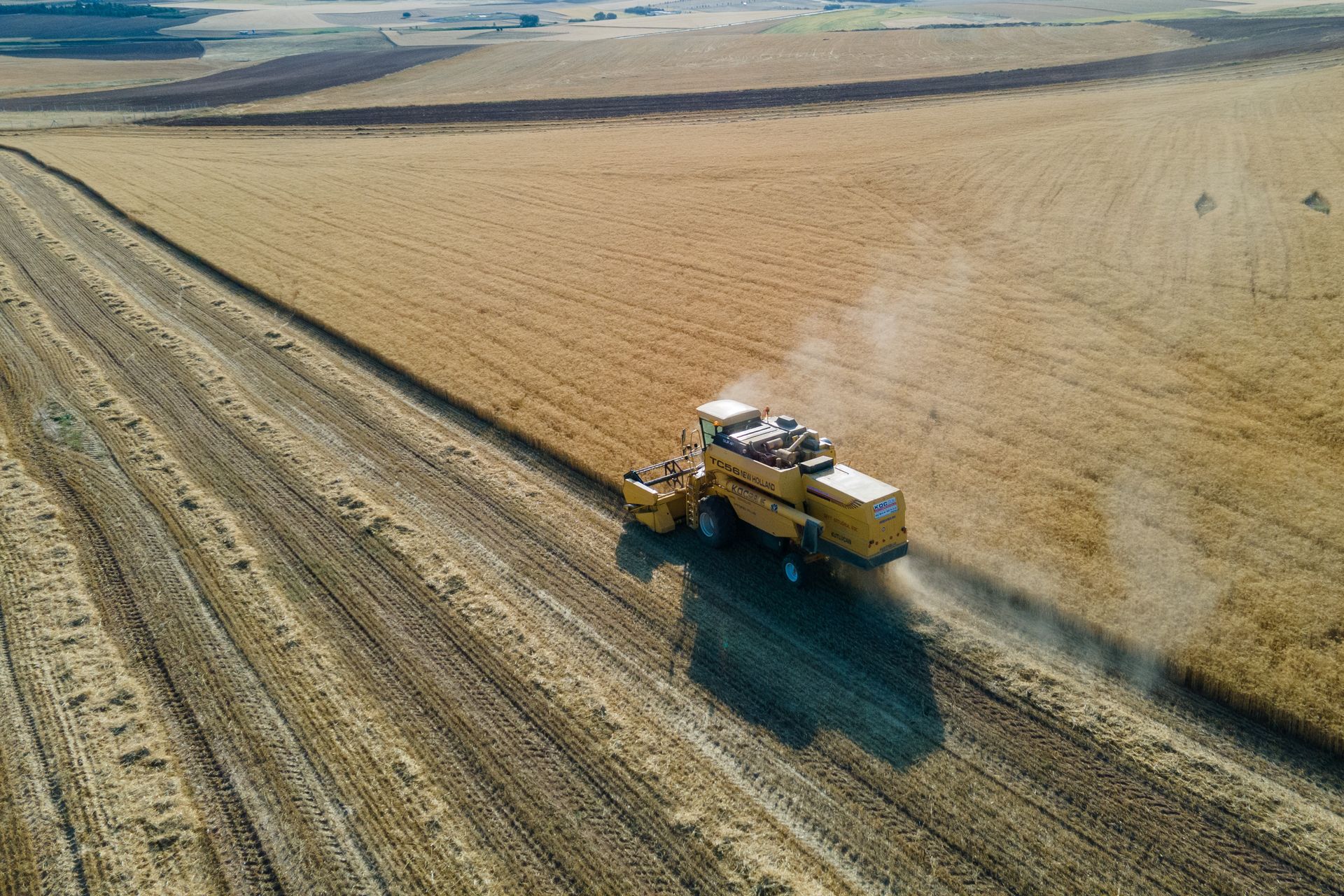
Tillage can prepare soil for planting, but excessive disturbance can damage soil structure and accelerate the loss of organic matter.
Where suitable, consider reduced-tillage or conservation-oriented practices.
Leaving appropriate crop residues on the surface can also help protect the soil from erosion and moisture loss.
However, there is no single tillage system that works for every farm. Choose an approach that suits your soil, climate, crops, equipment, and weed-management needs.
Manage Water Carefully
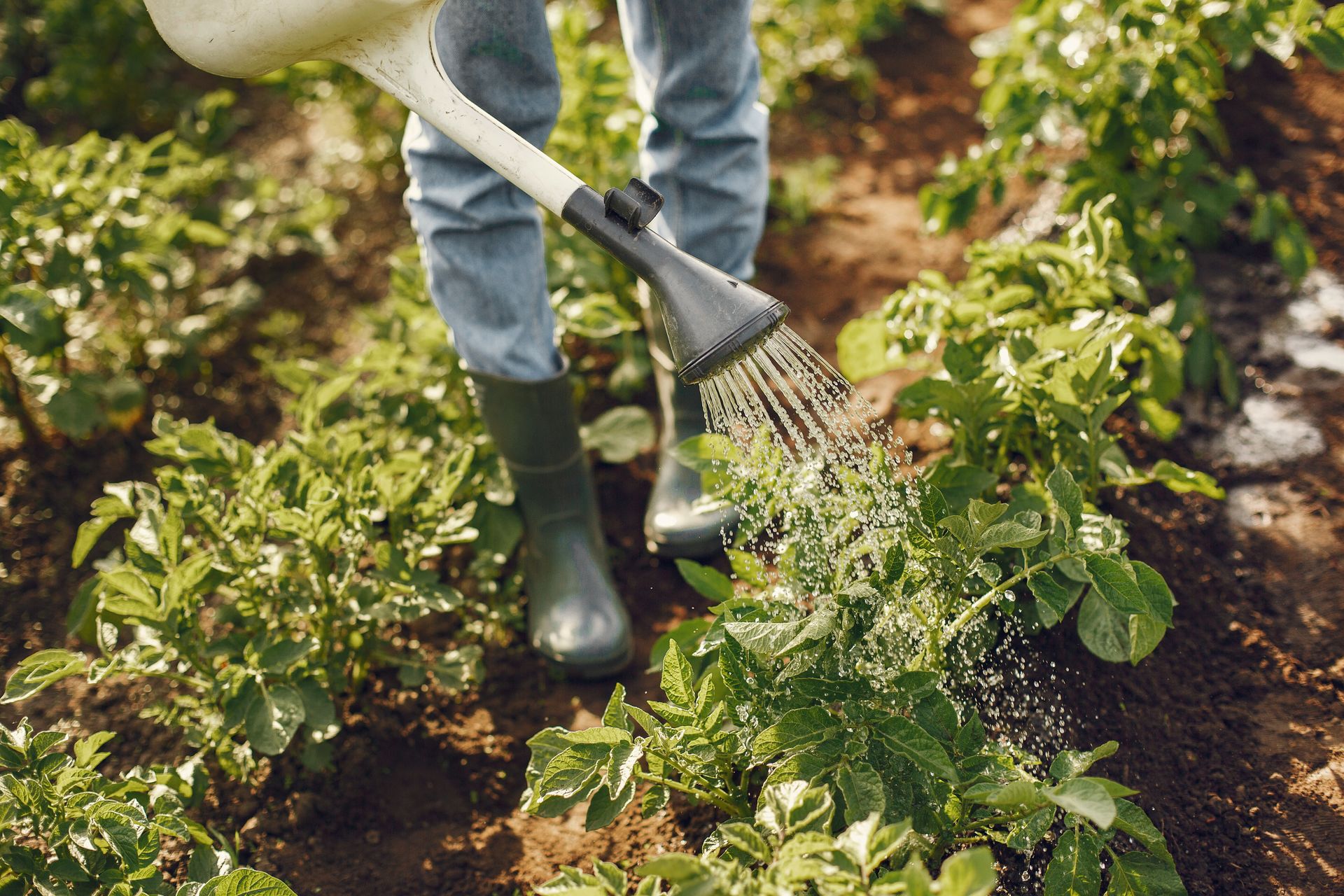
Water management affects soil fertility as well. Excessive irrigation can contribute to nutrient losses and, in some environments, salinity problems. Insufficient water can limit plant growth and reduce the amount of organic material returned to the soil.
Therefore, irrigate according to crop needs and soil conditions. Improve drainage where necessary and avoid unnecessary runoff.
Efficient water management helps crops make better use of available nutrients while protecting the soil.
Use Organic Materials Wisely
Farmers can often find useful sources of organic matter on the farm, including crop residues, leaves, compost, and properly managed animal manure.
However, not every organic material should be applied directly to the soil. Some materials may contain weed seeds, pathogens, excessive salts, or other substances that can cause problems.
Therefore, understand the material before using it and manage it appropriately.
Final Thoughts
These natural ways to improve soil fertility can help farmers build healthier and more productive soils over time. Start by testing your soil, then use compost, properly managed manure, cover crops, crop rotation, mulches, and suitable conservation practices.
Most importantly, think about soil fertility as a long-term investment. Avoid focusing only on immediate crop production. By protecting organic matter, reducing erosion, supporting soil organisms, and managing water responsibly, you can create healthier soil that continues to support productive crops for many seasons.