Crop disease identification plays an important role in protecting plants and maintaining healthy harvests. Farmers can lose significant portions of their crops when diseases spread unnoticed. However, early observation can help you recognize warning signs before a small problem becomes widespread. By learning how to examine leaves, stems, roots, fruits, and growing conditions, beginners can make better decisions and respond more effectively.
Start by Examining the Whole Plant
When a plant looks unhealthy, do not focus only on the most damaged leaf. Instead, examine the entire plant. Check the leaves, stems, roots, flowers, fruits, and surrounding soil. Different diseases can produce similar symptoms, so looking at the complete plant provides more useful clues.
Pay attention to changes such as:
-
Yellow or pale leaves
-
Brown, black, or reddish spots
-
White or gray growth
-
Wilting despite adequate moisture
-
Distorted leaves or shoots
-
Stunted growth
-
Rotten roots or stems
-
Premature leaf or fruit drop
Record where the symptoms first appeared and how quickly they developed. This information can help distinguish disease from environmental stress or pest damage.
Understand Common Disease Symptoms
Recognizing patterns makes crop disease identification easier. Fungal, bacterial, and viral diseases often produce different combinations of symptoms, although they can sometimes look alike.
Fungal Diseases
Fungal diseases commonly appear as spots, lesions, mold, mildew, or rotting tissue. Some fungi thrive in humid conditions and spread rapidly when plants remain wet for long periods.
For example, powdery mildew may create a pale, powdery coating on plant surfaces. Other fungal infections can produce dark spots that gradually enlarge and merge.
However, never assume that every leaf spot comes from a fungus. Environmental conditions and nutrient problems can create similar appearances.
Bacterial Diseases
Bacterial infections may cause water-soaked spots, soft rotting tissue, wilting, or dark lesions. In some cases, affected areas develop yellow edges.
Bacteria can spread through contaminated water, tools, plant material, insects, and handling. Therefore, sanitation becomes particularly important when bacterial disease appears.
Viral Diseases
Viruses often cause unusual patterns rather than obvious fungal growth. Look for mosaic-like coloring, leaf curling, distorted growth, yellow streaks, or severe stunting.
Because insects can transmit some plant viruses, controlling insect vectors and removing infected plants can help reduce further spread.
Distinguish Diseases From Pest Damage
Not every damaged plant has a disease. Insects, mites, and other pests can create holes, chewed edges, discoloration, and distorted growth.
Inspect both sides of leaves and examine stems closely. Look for insects, eggs, webs, sticky residue, or visible feeding damage.
Pest damage often leaves recognizable physical evidence, while some diseases primarily alter plant tissue. Nevertheless, pests can also spread pathogens, so both problems may occur together.
Check the Growing Environment
Environmental stress can closely resemble disease. Therefore, inspect the growing conditions before deciding that a pathogen caused the problem.
Check whether plants receive enough sunlight, water, and nutrients. Also consider recent weather conditions. Excessive rainfall, drought, extreme temperatures, poor drainage, and compacted soil can all weaken plants.
For example, overwatering can cause root problems and wilting even when the soil appears wet. Likewise, nutrient deficiencies can produce yellow leaves that resemble certain disease symptoms.
Look for Patterns
Patterns across the field can provide valuable clues. If plants in one poorly drained area show symptoms while plants on higher ground remain healthy, excess moisture may contribute to the problem.
If symptoms appear throughout an entire field, consider factors such as weather, soil conditions, planting material, or irrigation practices. Careful observation can prevent you from treating the wrong cause.
Use Crop Disease Identification Methods
Accurate crop disease identification requires more than recognizing a photograph or matching a symptom to an online description. Several diseases can cause similar symptoms, so confirmation may require professional assistance.
Take clear photographs of affected plants and record:
-
Crop and variety
-
Plant age
-
Location of the affected plants
-
Recent weather conditions
-
Irrigation practices
-
Fertilizers or treatments used
-
When symptoms first appeared
-
How quickly the problem spread
When possible, contact a local agricultural extension service, agronomist, plant pathologist, or reputable agricultural laboratory. They may recommend submitting plant samples for testing.
Prevent Diseases Before They Spread
Prevention remains one of the strongest approaches to managing crop diseases. Start with healthy seeds and planting materials from reliable sources. Avoid introducing visibly diseased plants into healthy fields.
Maintain clean tools and equipment, particularly when moving between different areas. Remove severely infected plant material when appropriate and dispose of it safely rather than leaving it among healthy crops.
Crop rotation can also reduce the buildup of pathogens that survive in soil or plant residues. Furthermore, provide adequate spacing between plants to improve airflow and reduce prolonged leaf moisture.
Avoid Unnecessary Treatments
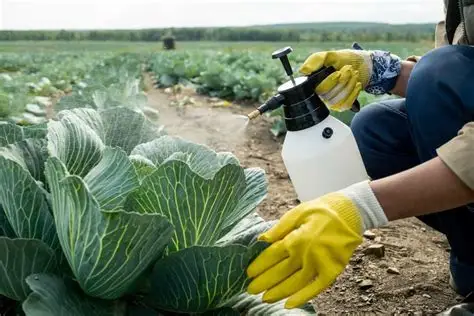
Once you notice symptoms, resist the temptation to apply multiple treatments immediately. Incorrect products may fail to control the problem, increase production costs, or harm beneficial organisms.
Instead, identify the likely cause first. Follow product labels carefully when treatment becomes necessary, and observe any required safety precautions and harvest intervals.
Farmers should also avoid repeatedly using the same type of treatment when resistance could develop. Integrated disease management combines prevention, monitoring, sanitation, cultural practices, and carefully selected treatments.
Keep Learning From Each Season
Effective crop disease identification improves with experience. Keep records of diseases you encounter, the conditions surrounding each outbreak, and the measures you used.
At the end of every growing season, review your notes. Look for recurring problems and determine whether changes in crop rotation, drainage, irrigation, spacing, or sanitation could reduce future outbreaks.
Early detection gives farmers more options. By inspecting crops regularly, understanding symptom patterns, checking environmental conditions, and seeking expert confirmation when necessary, you can manage problems more confidently.
Ultimately, healthy crops depend on consistent observation rather than a single treatment. When farmers learn to recognize early warning signs and respond carefully, they can reduce losses, protect future harvests, and build more resilient farming systems.