Organic farming methods can help small-scale farmers build healthier soils, reduce unnecessary chemical inputs, and create more resilient production systems. Instead of depending heavily on synthetic fertilizers and pesticides, organic farming focuses on natural processes such as composting, crop rotation, biological pest management, and careful soil stewardship.
Small farms can benefit from these approaches because many practices require more planning than expensive machinery. Farmers can adapt techniques to their available land, labor, budget, and local climate while gradually improving their production systems.
Build Healthy Soil
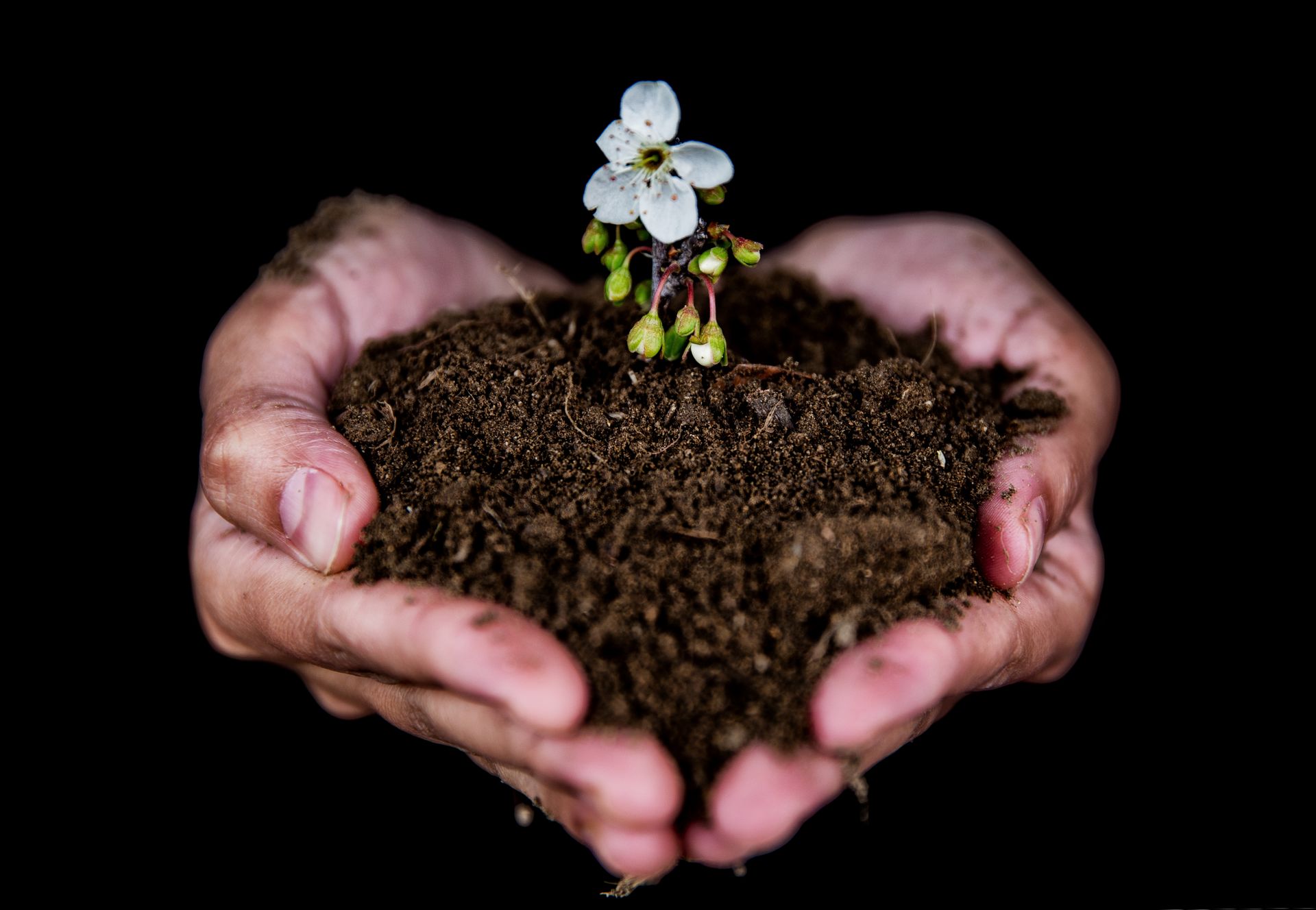
Healthy soil forms the foundation of productive organic farming. Rather than treating soil simply as a place where crops grow, farmers should manage it as a living system containing microorganisms, organic matter, air, water, and nutrients.
Add well-decomposed compost, suitable animal manure, crop residues, and other organic materials to improve soil structure and nutrient availability.
Use Compost Effectively
Compost provides organic matter and can help improve moisture retention and soil structure. Farmers can produce compost from suitable plant residues, animal manure, and other biodegradable materials.
However, compost needs proper management. Maintain appropriate moisture and aeration, and allow materials to decompose fully before applying them around crops.
Practice Crop Rotation
Growing the same crop repeatedly in one location can encourage certain pests and diseases while placing repeated demands on particular nutrients.
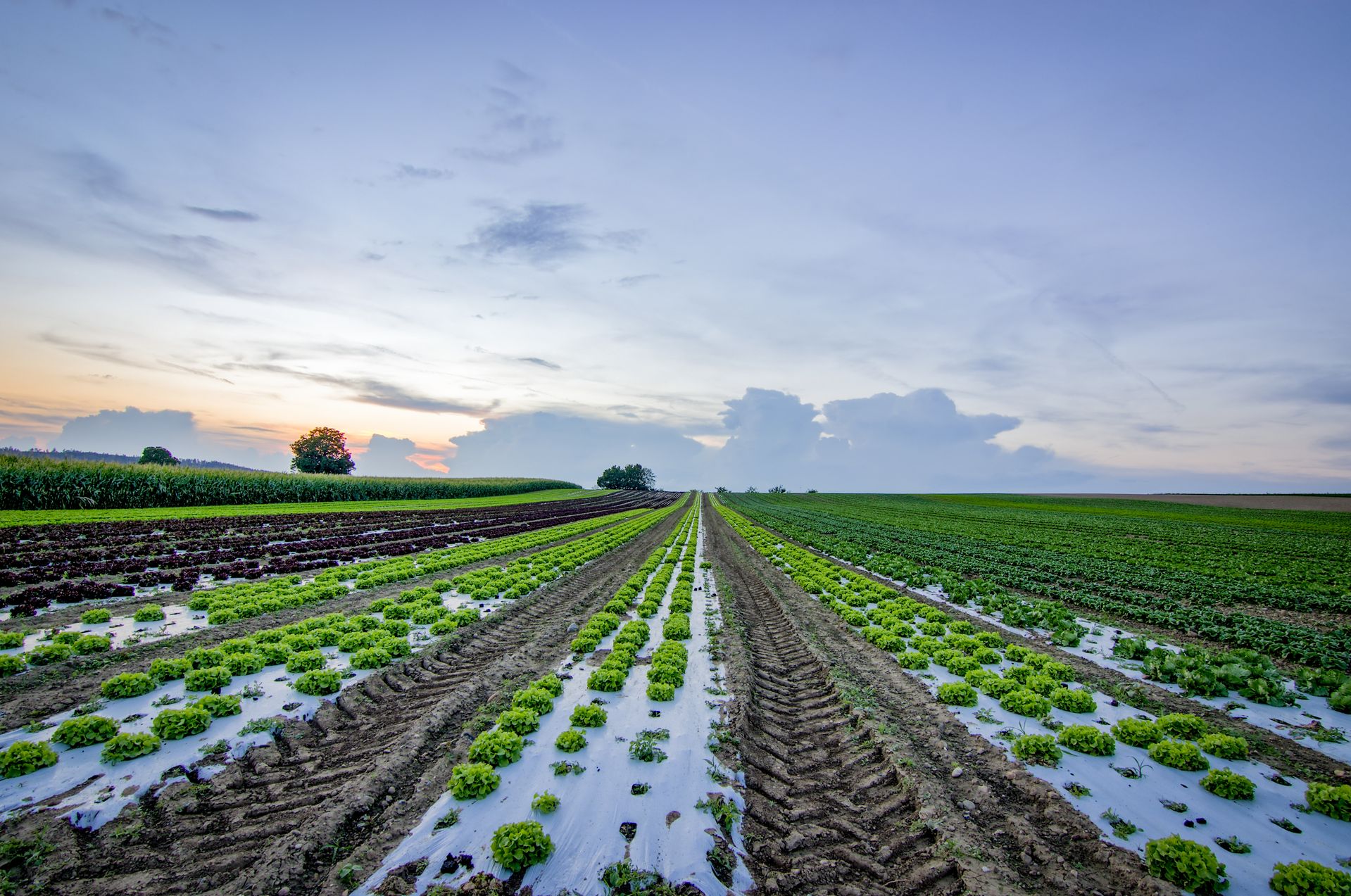
Crop rotation provides a practical alternative. Rotate crops from different plant families and include legumes where suitable.
A rotation might include:
-
Leafy vegetables
-
Root crops
-
Legumes
-
Grains
-
Fruit-bearing vegetables
-
Cover crops
This approach can diversify nutrient demands and help interrupt pest and disease cycles.
Use Cover Crops
Cover crops protect soil when the main production crop is not growing. Farmers can choose species that suit their climate and objectives.
Cover crops can help reduce erosion, suppress weeds, improve soil structure, and contribute organic material when incorporated or managed appropriately.
Legumes can also contribute nitrogen through their relationships with soil bacteria. However, farmers should select species carefully and manage them according to local conditions.
Manage Pests Naturally
Organic production does not mean ignoring pests. Instead, farmers can combine several methods to keep pest populations below damaging levels.
Regular crop inspections allow farmers to detect problems early. Physical barriers, traps, beneficial insects, crop rotation, and habitat management can all contribute to pest control.
Encourage Beneficial Insects
Some insects prey on agricultural pests. Planting suitable flowering plants near production areas can provide food and habitat for beneficial insects.
Avoid unnecessary pesticide applications because broad-spectrum products can harm helpful organisms as well as target pests.
When intervention becomes necessary, choose approved products and follow their labels carefully.
Control Weeds Through Prevention
Weeds compete with crops for sunlight, water, nutrients, and growing space. Organic farmers can manage them using several complementary techniques.
Mulching can suppress weed emergence while protecting soil moisture. Hand weeding, shallow cultivation, cover crops, and appropriate planting density can also reduce weed pressure.
Timing matters. Removing weeds when they are young usually requires less effort than dealing with mature plants that have already produced seeds.

Conserve Water
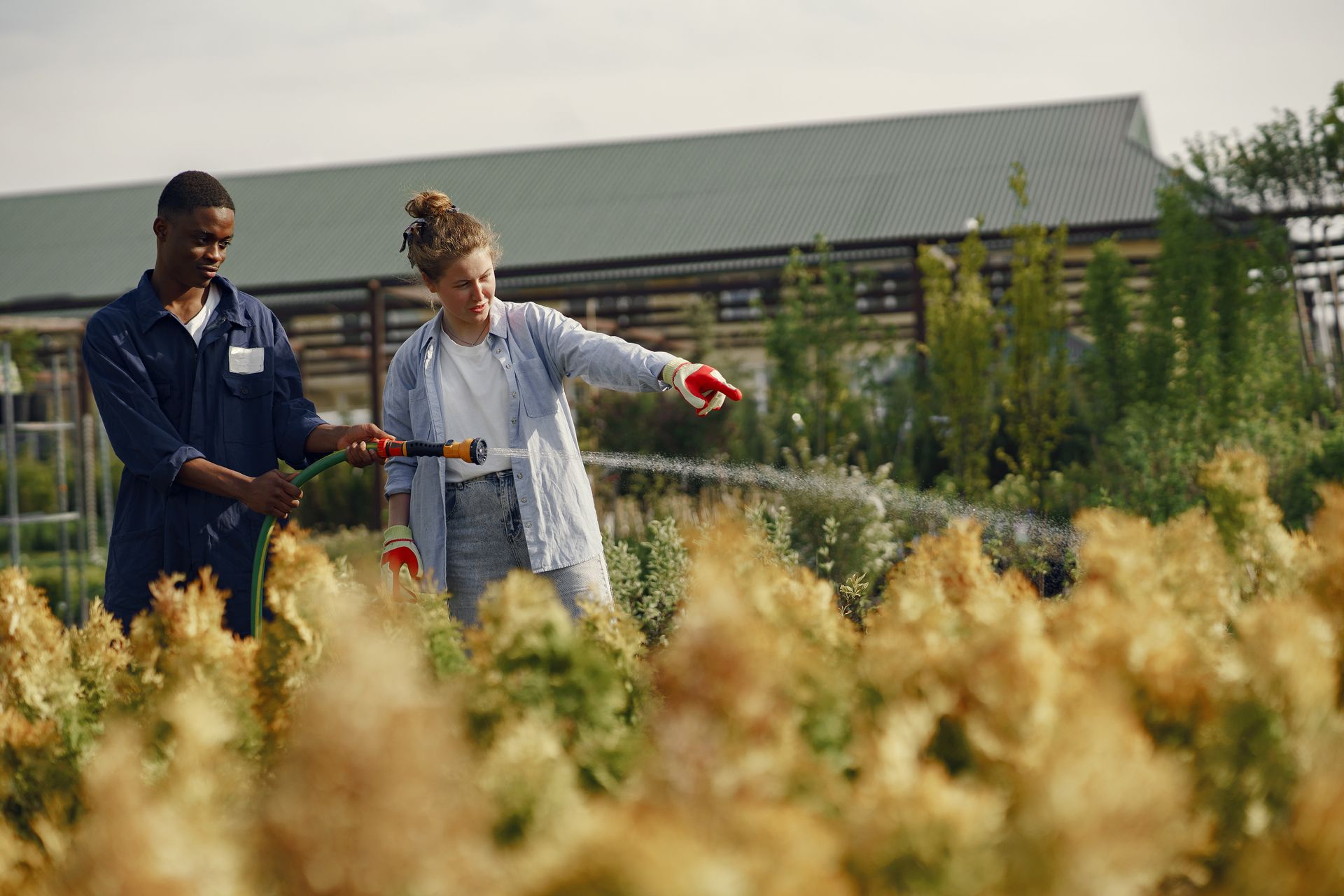
Efficient water management supports both crop health and environmental sustainability. Farmers should understand how much moisture their crops need and avoid unnecessary irrigation.
Drip systems can deliver water close to plant roots, while organic mulch can reduce evaporation from the soil surface.
Collecting rainwater may provide an additional source for irrigation where local regulations, storage capacity, and water quality make it appropriate.
Protect Soil From Erosion
Small farms can lose valuable topsoil through wind and water erosion. Once productive topsoil disappears, restoring it can take considerable time.
Planting cover crops, maintaining vegetation along vulnerable areas, using mulch, and avoiding unnecessary soil disturbance can help protect the soil.
Farmers working on slopes can also consider contour planting or other erosion-control methods suited to their terrain.
Choose Suitable Seeds
Good seed selection contributes significantly to organic production. Choose varieties that perform well under local growing conditions and show useful resistance to common diseases.
Open-pollinated varieties can provide opportunities for seed saving when farmers maintain appropriate isolation and selection practices. Certified organic producers may also need to follow specific requirements regarding seed sourcing.
Before planting large quantities, test unfamiliar varieties on a small area and compare their performance.
Recycle Farm Resources
One of the useful organic farming methods involves turning suitable farm waste into productive resources. Crop residues can contribute to compost, while properly managed animal manure can return nutrients to the soil.
Farmers should manage these materials carefully to prevent contamination, odors, nutrient losses, and pathogen risks.
Resource recycling can reduce the need to purchase some external inputs while making better use of materials already available on the farm.
Keep Detailed Farm Records
Successful organic production requires observation and planning. Record planting dates, varieties, pest problems, weather conditions, harvest quantities, and soil amendments.
These records can reveal which practices work best over time. For example, you may discover that one crop variety performs better during dry periods or that a particular rotation reduces pest problems.
Good records also help farmers calculate production costs and identify opportunities to improve efficiency.
Combine Practices for Better Results
No single technique will solve every farming challenge. The strongest systems combine several organic farming methods according to local conditions.
A small farm might combine composting, crop rotation, cover crops, mulching, biological pest management, and efficient irrigation. Together, these practices can strengthen soil health and reduce dependence on purchased inputs.
Farmers should also introduce changes gradually. Test new practices on a manageable area before applying them across the entire farm.
Build a Sustainable Farm System
Organic farming requires patience because soil improvement and ecological balance develop over time. Nevertheless, consistent management can create productive systems that use natural resources more carefully.
The most effective organic farming methods focus on prevention rather than constant correction. Healthy soil, diverse crops, beneficial organisms, and careful resource management can work together to support reliable production.
Ultimately, organic farming methods can give small farmers practical tools for improving soil, managing pests, conserving water, and reducing unnecessary inputs. By combining these techniques with local knowledge and careful observation, farmers can develop healthier and more resilient farms.
With thoughtful planning and steady improvement, organic farming methods can become a practical foundation for small farms seeking productive and environmentally responsible agricultural systems.