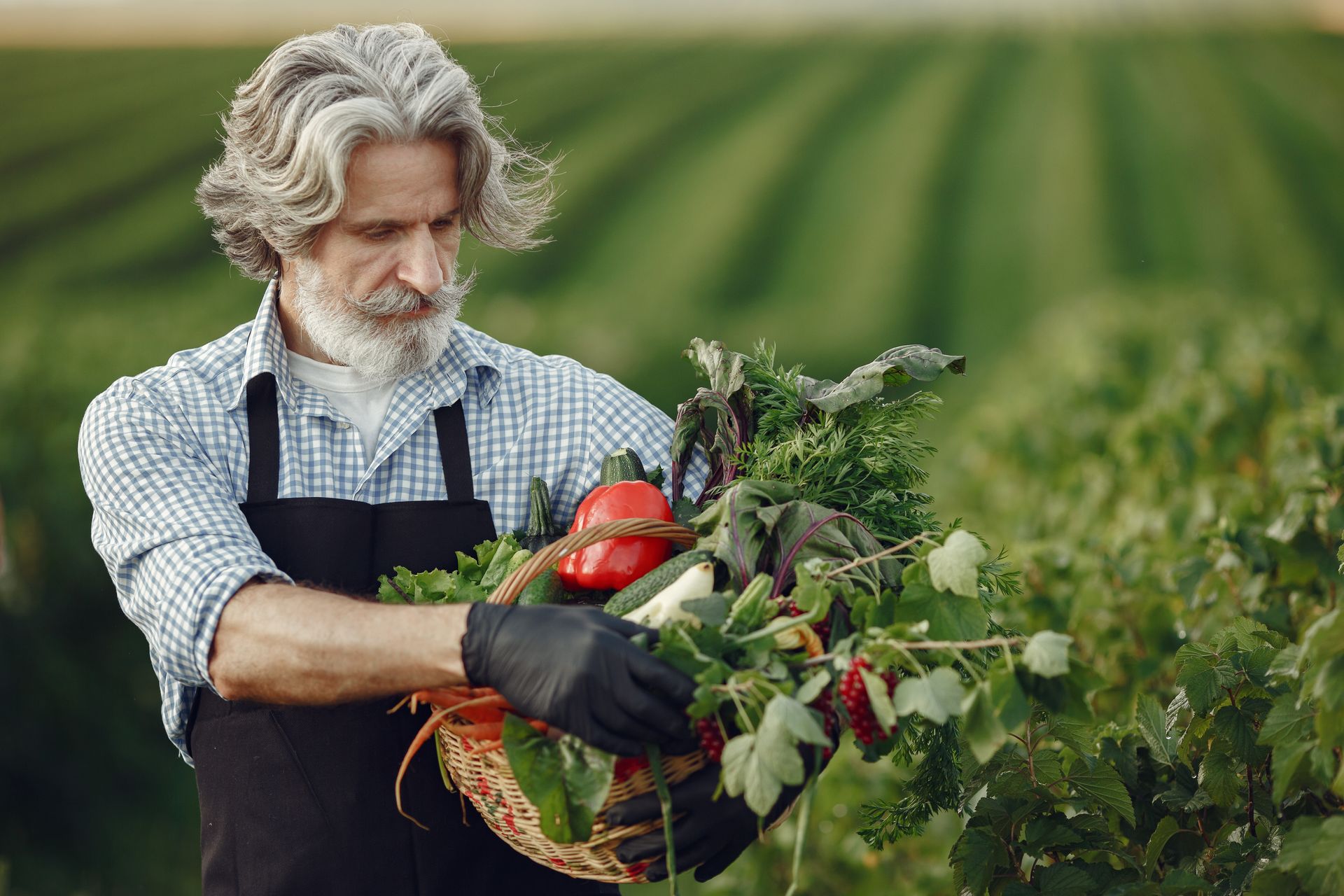
Farm produce does not have to be sold only as fresh fruits, vegetables, grains, or animal products. Farmers and food businesses can transform raw agricultural products into value-added foods that are easier to store, transport, market, and enjoy.
Processing farm produce can also create additional income opportunities for farmers. Instead of selling a crop only during harvest season, producers can turn surplus products into items with a longer shelf life.
Understanding the popular products made from farm produce can help farmers discover new business opportunities and help consumers appreciate how agricultural products reach the market in different forms.
Fruit Jams and Preserves
Fruits can be turned into jams, jellies, preserves, and fruit spreads.
Common choices include strawberries, mangoes, peaches, berries, guavas, and other locally available fruits.
These products can help farmers make use of ripe fruit that might otherwise become difficult to sell as fresh produce.
However, safe food processing is essential. Producers should follow tested recipes, appropriate heating methods, clean packaging procedures, and proper storage practices.
Fresh and Processed Fruit Juices
Farm-grown fruits can also become juices and other beverages.
Mango, orange, pineapple, passion fruit, apple, and other fruits can provide raw materials for juice production.
Fresh juice may have a relatively short shelf life, while properly processed and packaged products can last longer.
Farmers interested in juice production should consider equipment, packaging, refrigeration, food-safety requirements, and local regulations before starting.
Tomato Sauces and Relishes
Tomatoes are highly versatile agricultural products. Farmers can sell them fresh or process them into sauces, purees, relishes, and other products.
Processing can provide an additional market for tomatoes that are suitable for food production but may not meet strict cosmetic standards for fresh retail.
Tomato-based products can become valuable additions to household kitchens and restaurants.
Pickled Vegetables
Pickling provides a traditional way to preserve many vegetables.
Cucumbers, onions, carrots, peppers, cabbage, and other suitable vegetables can be processed into pickles using appropriate methods.
Pickled products can offer strong flavors and longer storage potential compared with fresh vegetables.
Nevertheless, food safety is extremely important. Producers should use reliable preservation methods and tested procedures rather than guessing ingredient ratios or processing times.
Dried Fruits and Vegetables
Drying removes moisture from food, helping extend its storage life when done correctly.
Mangoes, bananas, apples, tomatoes, herbs, peppers, and other crops can be dried and packaged for later use.
Dried products can also be easier to transport because they weigh less and take up less space than fresh produce.
Producers need suitable drying equipment and hygienic handling practices to maintain product quality.
Flour and Grain Products
Farm-grown grains can be processed into flour, meal, flakes, and other food products.
Depending on the crop, farmers may produce maize meal, wheat flour, sorghum flour, millet products, or other grain-based foods.
Processing can create additional value while providing consumers with convenient ingredients for cooking and baking.
Proper drying, milling, packaging, and storage help protect grains from moisture, pests, and contamination.
Cooking Oils
Some farm crops can be processed into edible oils.
Oil-producing crops may include sunflower, sesame, groundnuts, soybeans, and other suitable crops.
Farmers can sell raw crops to processors or, where appropriate and legally permitted, explore small-scale processing.
Oil production requires appropriate equipment, quality control, storage, and food-safety management.
Dairy Products
Milk can become a wide range of value-added products.
Common examples include yogurt, cheese, butter, cream, and other dairy foods.
These products can create additional markets for dairy farmers while offering consumers greater variety.
However, dairy processing requires strict hygiene and temperature control. Producers must follow applicable food-safety regulations and use suitable processing equipment.
Baked Goods
Farm produce can become ingredients for breads, cakes, biscuits, pastries, and other baked products.
Wheat, maize, eggs, milk, butter, fruits, nuts, honey, and other agricultural products can contribute to baked goods.
Farmers can partner with local bakeries or develop their own value-added products where practical.
This approach can create additional opportunities while connecting farm production with local food businesses.
Honey and Bee Products
Beekeeping provides several products beyond raw honey.
Farmers and beekeepers may produce beeswax, candles, and other suitable products.
Honey can also become an ingredient in sauces, baked goods, beverages, and other foods.
Proper harvesting, filtering, packaging, and storage help maintain product quality.
Nut Butters
Groundnuts, peanuts, almonds, and other suitable nuts can be processed into spreads and nut butters.
These products can provide a convenient way for consumers to use farm-grown nuts.
Producers need appropriate grinding equipment and careful hygiene practices. They should also clearly communicate allergen information where required.

Fresh and Dried Herbs
Herbs can be sold fresh, dried, blended, or packaged as seasonings.
Basil, rosemary, thyme, mint, coriander, oregano, and other herbs can become valuable products for household and commercial kitchens.
Drying herbs properly can extend their shelf life while reducing storage and transportation challenges.
Animal Feed Products
Not all farm produce needs to become human food.
Certain crop residues, grains, and other agricultural materials can be processed into animal feed when they are suitable and safe for the intended livestock.
Feed products can create additional value from agricultural resources that might otherwise go to waste.
However, farmers should understand the nutritional requirements and safety considerations for each type of livestock.
Natural Farm-Based Products
Some agricultural materials can also support non-food products.
Crops such as cotton can become textiles, while plant oils can be used in soaps and other products. Agricultural fibers can also become baskets, mats, packaging materials, and other goods.
These opportunities depend heavily on local resources, skills, equipment, and markets.
Benefits of Value-Added Farm Products
Processing agricultural products can provide several potential advantages.
First, it can extend the useful life of perishable crops. Second, it can create products with higher selling value than raw produce. Third, it can reduce losses when farmers have surplus harvests.
Furthermore, value-added products can help farmers build recognizable brands and develop stronger relationships with customers.
However, processing also introduces additional costs and responsibilities. Equipment, packaging, labor, energy, food safety, licensing, and marketing must all be considered.
How Farmers Can Get Started
Farmers interested in value-added products should begin by identifying crops that are abundant or frequently wasted.
Next, research local customer demand. A product is only valuable if customers are willing to buy it.
Start with a manageable product and test the market before investing heavily in equipment.
In addition, learn the food-safety, labeling, packaging, and business requirements that apply in your area.
Final Thoughts
The range of popular products made from farm produce extends far beyond fresh fruits and vegetables. Farmers can create jams, juices, sauces, dried foods, pickles, flour, oils, dairy products, baked goods, herbal products, and many other value-added items.
Processing can help reduce waste, extend shelf life, diversify farm income, and create new market opportunities. However, successful value addition requires careful planning, quality control, food-safe processing, and an understanding of customer demand.
For farmers looking to grow their businesses, turning agricultural produce into useful finished products can be an effective way to add value from farm to market.