






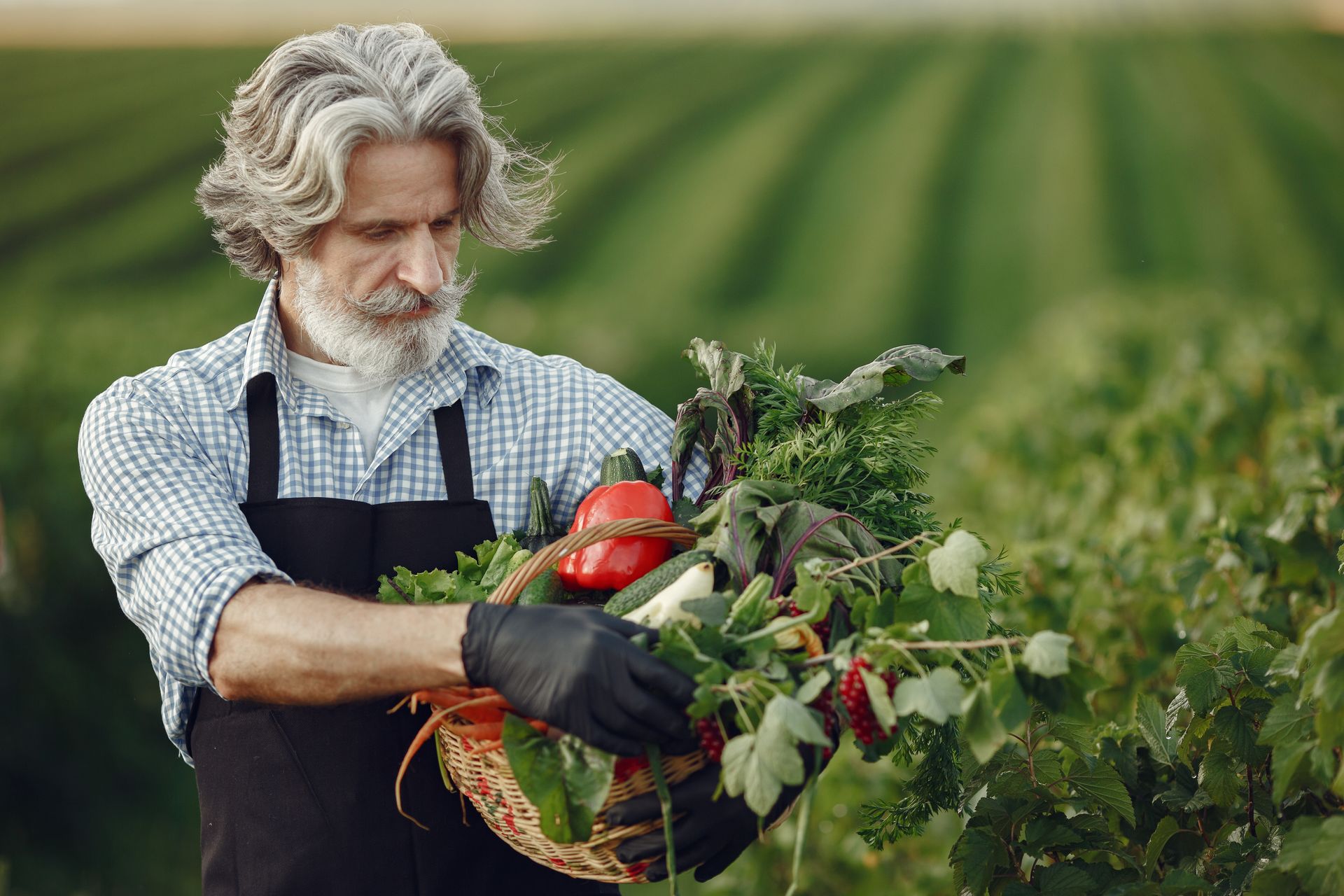
Harvesting is only the beginning of getting fresh food to consumers. Fruits and vegetables can lose quality quickly if they are handled poorly after leaving the field. Heat, moisture, rough handling, pests, and poor storage can all cause damage. In this article, we discuss how farmers maintain produce quality after harvesting through careful handling, cleaning, sorting, cooling, packaging, storage, and transportation. These simple steps can help farmers reduce waste, protect their products, and deliver fresher produce to customers.
Harvest Produce At The Right Time
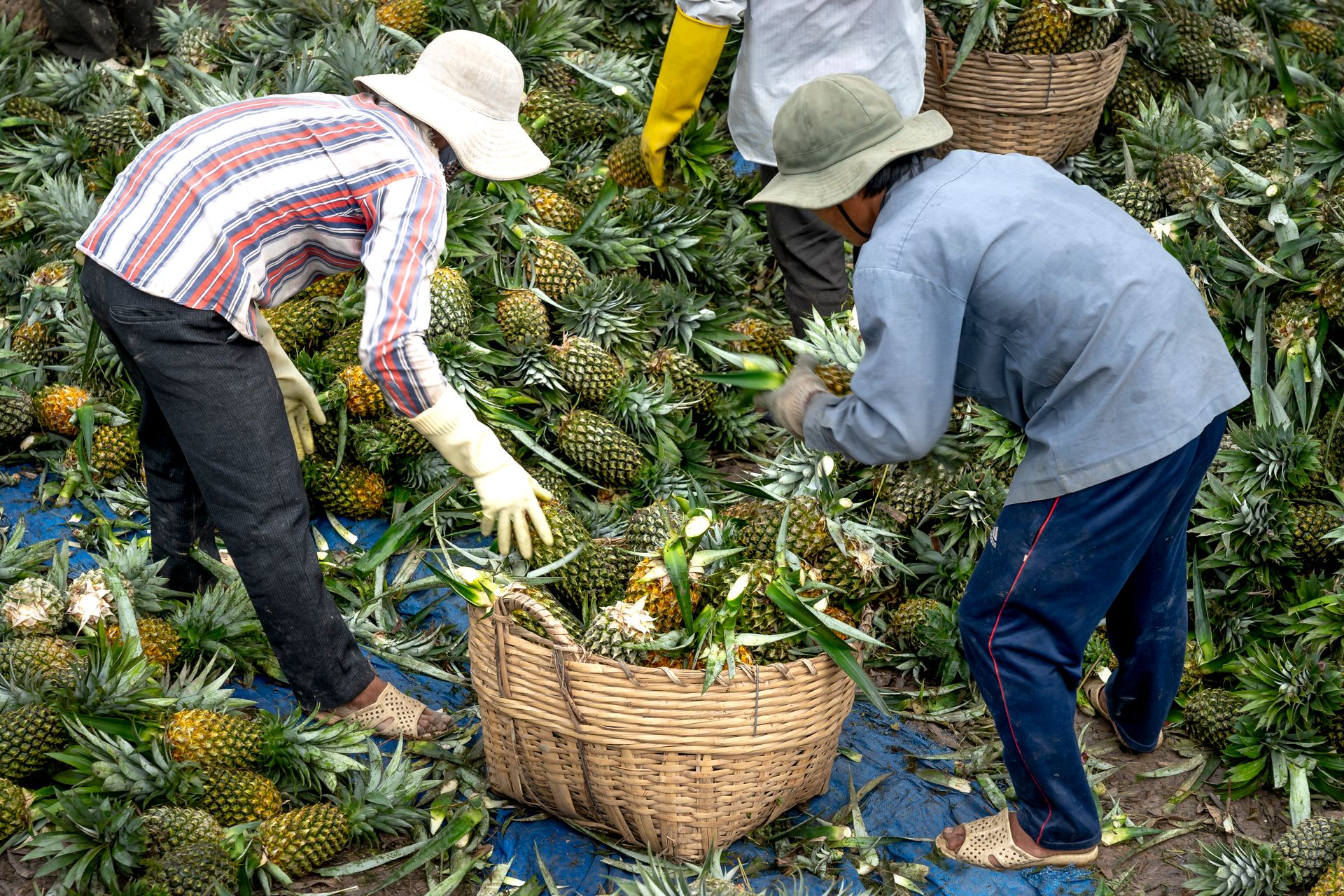
The first step in maintaining quality is choosing the right time to harvest. Farmers need to consider the type of crop, its maturity, weather conditions, and the needs of their customers. Some fruits and vegetables should be harvested when they are fully mature, while others may be picked slightly earlier if they need to travel before reaching consumers. Harvesting at the right stage can improve flavor, texture, appearance, and storage life.
Handle Produce Carefully
Fresh produce can be damaged easily after harvesting. Dropping, throwing, squeezing, or stacking products too heavily can cause bruises and cuts. These small injuries can become larger problems during storage and transportation. Farmers should handle produce gently and use suitable containers that protect products from pressure and impact. Workers should also avoid filling containers beyond their safe capacity.
Sort And Grade Products
Sorting helps farmers separate healthy produce from damaged or poor-quality items. Farmers can remove fruits and vegetables that have serious bruises, cuts, mold, or signs of decay. Grading can then group products according to size, appearance, maturity, or quality. This process helps farmers provide customers with more consistent products. It can also prevent damaged produce from affecting healthy items during storage.
Remove Damaged Produce Quickly
Damaged products should be separated as soon as possible. A spoiled fruit or vegetable can affect nearby products, especially when they are packed closely together. Regular inspection allows farmers to identify problems early. Produce that is still safe and suitable for another purpose may sometimes be processed or sold through an appropriate channel, while spoiled food should be discarded safely.
Keep Produce Clean
Clean handling areas and equipment can help protect produce quality. Farmers should keep harvesting containers, work surfaces, storage areas, and transport equipment clean and suitable for handling food. Whether produce should be washed immediately depends on the type of product and the intended market. In some cases, washing can increase moisture and shorten storage life if the produce is not dried properly. Farmers should use suitable methods for each crop.
Control Temperature
Temperature has a major effect on the quality and storage life of many fruits and vegetables. Heat can speed up ripening, moisture loss, and spoilage. Where suitable facilities are available, farmers can cool produce soon after harvesting. The appropriate temperature depends on the crop because some products can suffer damage when stored too cold. Farmers should learn the storage requirements of each type of produce rather than using the same temperature for everything.
Manage Moisture And Airflow
Moisture needs careful management after harvest. Too much moisture can encourage mold and decay, while excessive dryness can cause produce to lose water and become less appealing. Good airflow can help control moisture and heat around stored products. Farmers should avoid overcrowding containers and storage areas. Suitable ventilation can help maintain quality while reducing the conditions that encourage spoilage.
Use Suitable Packaging
Packaging should protect produce without creating unnecessary problems. Farmers may use crates, boxes, baskets, mesh bags, or other suitable containers depending on the crop. Delicate products may need cushioning, while some vegetables require airflow. Packaging should be strong enough for transportation and clean enough for food handling. Good packaging can also make products easier to stack, transport, display, and sell.
Store Produce Properly
Storage conditions can determine how long produce remains fresh. Farmers should keep products in clean areas with suitable temperature, humidity, ventilation, and protection from pests. Different crops have different storage needs, so products may need to be stored separately. Farmers should also inspect stored produce regularly and remove damaged items before they affect other products.
Transport Produce Carefully
Transportation can create many opportunities for damage. Farmers should use suitable vehicles or containers and avoid excessive stacking. Produce should be protected from extreme heat, rain, dust, and rough movement. Delivery schedules should also be planned carefully, especially for highly perishable products. Getting produce to customers quickly can help maintain freshness and reduce losses.
Keep Good Records
Records can help farmers identify where quality problems occur. Farmers can record harvest dates, storage conditions, quantities, transportation times, and customer feedback. If a particular crop regularly spoils during storage, these records may help identify the cause. Good records can also help farmers plan future harvests and improve their handling methods.
Train Farm Workers
Everyone who handles produce should understand basic quality practices. Workers should know how to harvest without causing damage, use containers correctly, identify spoiled products, and keep work areas clean. Simple training can prevent mistakes and reduce unnecessary losses. Farmers can also review their handling process regularly and make improvements when problems are identified.
Conclusion
Learning how farmers maintain produce quality after harvesting shows how much care is needed before fresh food reaches consumers. Farmers can protect quality by harvesting at the right time, handling products gently, sorting carefully, managing temperature and moisture, using suitable packaging, and maintaining clean storage areas. Careful transportation and regular inspections are also important. By following these practices, farmers can reduce waste, extend the useful life of their produce, and provide customers with fresher, higher-quality food.
