Raising chickens at home can be a rewarding way to produce fresh eggs while developing practical homesteading skills. Chickens can fit well into many small-scale setups, but they still require consistent care, suitable housing, nutritious feed, clean water, and protection from predators.
Before bringing chickens home, take time to understand their needs and check the rules that apply to keeping poultry in your area.
Learning about raising chickens for fresh eggs at home can help you create a healthier environment for your birds and establish a manageable routine.
Check Local Requirements
Start by checking local rules before purchasing chickens.
Some areas regulate the number of birds you can keep, where poultry housing can be placed, or whether roosters are permitted.
You may also need to follow requirements related to sanitation, waste management, animal welfare, or neighborhood restrictions.
Understanding these rules first can prevent problems later.
Choose Suitable Chickens
Choose chickens based on your goals, climate, available space, and experience.
If your primary goal is egg production, consider breeds or strains known for reliable laying performance under your local conditions.
Ask a reputable breeder or poultry supplier about the birds’ age, health, vaccination history where applicable, and expected characteristics.
Young hens do not necessarily begin laying immediately, so plan for the period before egg production starts.
Build a Secure Chicken Coop
A suitable coop protects chickens from weather, predators, and other hazards.
Provide enough space for the number of birds you keep, along with adequate ventilation and protection from excessive heat, cold, rain, and wind.
The coop should also have secure doors and openings that help prevent predators from entering.
Keep the housing dry and clean. Damp, dirty conditions can contribute to health problems and unpleasant odors.
Provide Nesting Areas
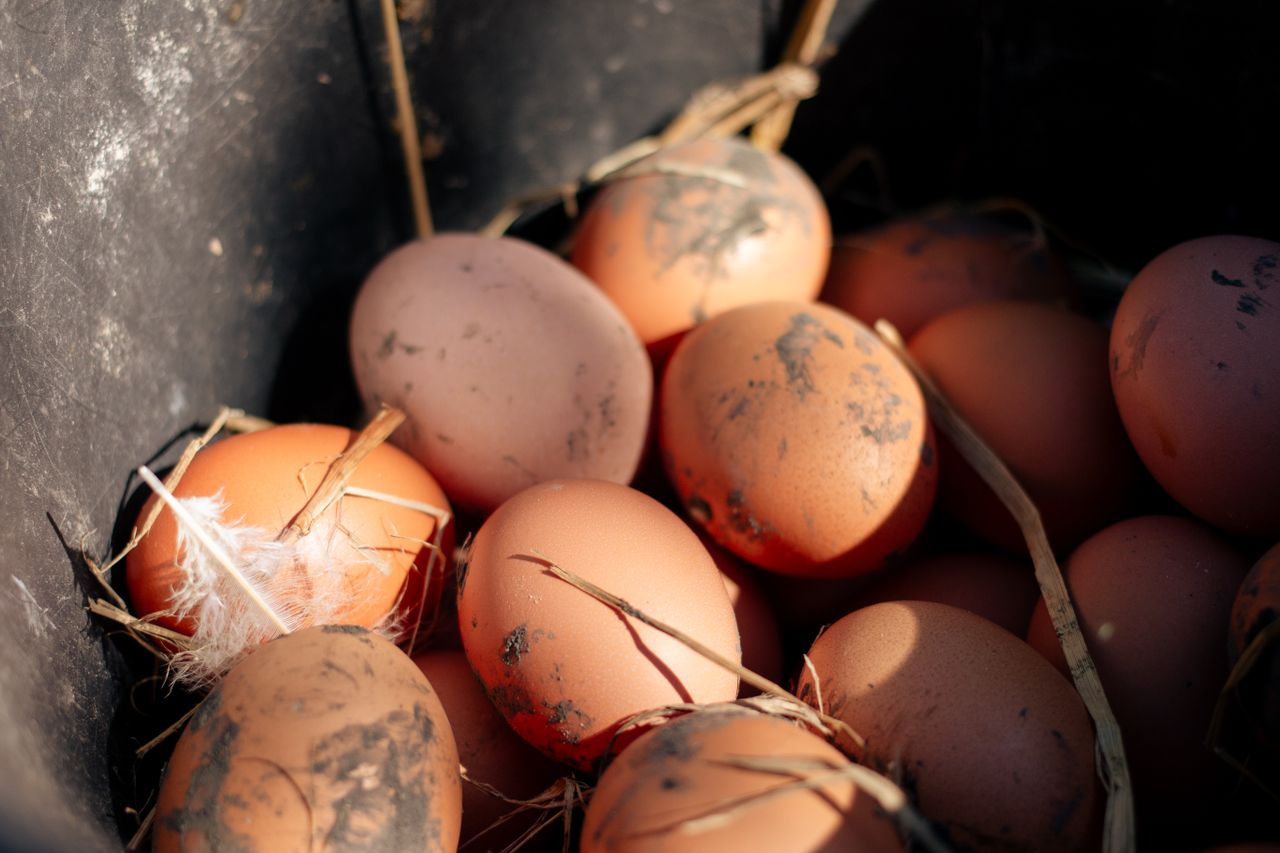
Hens need suitable nesting areas where they can lay eggs comfortably.
Provide clean, dry nesting material and enough nesting space for your flock.
Position nesting boxes in a sheltered area of the coop.
Check them regularly and replace dirty or wet bedding when necessary.
Collect eggs frequently to keep them clean and reduce the chance of damage.
Give Chickens Appropriate Feed
Good nutrition supports healthy birds and consistent egg production.
Provide a balanced poultry feed appropriate for the birds’ age and production stage.
Laying hens have particular nutritional requirements, including adequate calcium for eggshell development.
Do not rely on kitchen scraps as the main source of nutrition.
Treats can supplement a balanced diet in moderation, but they should not replace appropriate poultry feed.
Keep Fresh Water Available
Clean water is essential for chickens.
Provide fresh water every day and check drinkers regularly to make sure they remain clean and functional.
Chickens can consume significant amounts of water, particularly during hot weather.
Position drinkers where birds can access them easily while reducing the risk of contamination from bedding, soil, or droppings.
During periods of extreme heat, pay particular attention to water availability.
Protect Chickens From Predators
Predators can pose a serious threat to backyard poultry.
Secure the coop and outdoor areas with appropriate fencing and protected openings.
Inspect the enclosure regularly for holes or weak points.
Predators may dig, climb, or squeeze through surprisingly small openings, so secure construction matters.
Bring chickens into a protected coop at night when appropriate for your setup.
Provide Suitable Outdoor Space
If you allow chickens to spend time outdoors, provide a secure area where they can move, forage, dust-bathe, and explore.
The space should offer protection from predators and suitable shelter from harsh weather.
Rotate outdoor areas when practical to reduce excessive wear on the ground.
Avoid overcrowding because too many birds in a small area can quickly create sanitation and environmental problems.
Maintain Cleanliness
Regular cleaning helps create a healthier environment.
Remove accumulated droppings and replace contaminated bedding as needed.
Clean feeders and water containers regularly.
Do not allow waste to build up excessively in the coop.
You can manage chicken manure through appropriate composting methods, but allow it to decompose properly before using it around food crops.
Learn to Recognize Healthy Chickens
Spend time observing your birds every day.
Healthy chickens generally remain active, eat and drink normally, and show typical behavior for their environment.
Changes in appetite, movement, breathing, droppings, feather condition, or behavior may indicate a problem.
Early observation can help you identify issues before they become more serious.
If you notice concerning symptoms, seek advice from a qualified veterinarian or poultry-health professional.
Manage Heat Stress
Hot weather can be particularly challenging for chickens.
Provide shade, good ventilation, and reliable access to clean water.
Avoid overcrowding and monitor birds during periods of extreme heat.
Signs of heat stress can include unusual panting, reduced activity, and changes in behavior.
Take appropriate steps to keep the flock cool and seek professional advice if birds show severe or persistent symptoms.
Collect and Handle Eggs Carefully
Collect eggs regularly and handle them gently.
Check each egg for cracks or significant contamination.
Follow local food-safety guidance regarding washing, refrigeration, and storage because recommended egg-handling practices vary between regions.
Store eggs appropriately and use them within the recommended period.
If an egg is cracked or visibly contaminated beyond what can be safely handled under your local guidance, discard it rather than taking unnecessary risks.
Keep Track of Egg Production
Recording egg production can help you understand your flock.
Keep a simple record of how many eggs you collect each day or week.
A decline in production can occur naturally as hens age, but sudden changes may also relate to nutrition, stress, weather, illness, lighting, or other factors.
Records can help you identify patterns and decide whether you need to investigate a change.
Understand That Egg Production Changes
Hens do not necessarily produce the same number of eggs throughout their lives.
Production can vary with age, breed, nutrition, health, environmental conditions, and seasonal factors.
Some hens may lay less frequently during certain periods.
Therefore, avoid expecting a constant supply of eggs every day.
Plan your flock size around your household needs while allowing for natural changes in production.
Start With a Manageable Flock
Beginners should avoid keeping more chickens than they can comfortably manage.
A small flock can provide enough eggs for many households while allowing you to learn the basics of poultry care.
Once you understand feeding, cleaning, health monitoring, predator protection, and egg handling, you can decide whether expanding makes sense.
Remember that every additional bird increases your responsibilities and resource requirements.
Final Thoughts
Raising chickens for fresh eggs at home can be a rewarding addition to a small homestead or backyard food system. However, successful poultry keeping requires more than simply providing a coop.
Choose suitable birds, build secure housing, provide balanced feed and clean water, protect the flock from predators, and maintain good sanitation.
Observe your chickens regularly and learn to recognize changes in their health or behavior. Handle eggs carefully and follow local food-safety guidance.
Most importantly, start with a manageable flock and develop your poultry-care routine gradually. With consistent attention and responsible management, chickens can become a productive and enjoyable part of your home food system.