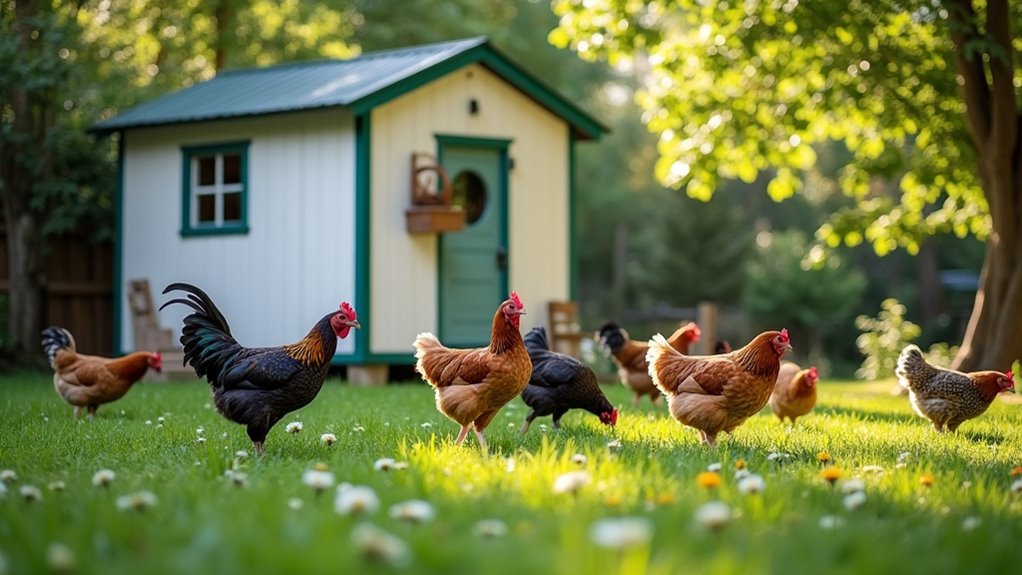
Small homestead chickens can provide fresh eggs, meat, manure, and a rewarding connection to food production. However, keeping a flock successfully requires more than simply providing feed and shelter. Chickens need clean housing, adequate space, balanced nutrition, protection from predators, and regular observation. Fortunately, even a small homestead can support a healthy flock when owners establish simple routines and plan carefully.
Choose Chickens That Suit Your Goals
Before purchasing birds, decide what you want your flock to provide. Some breeds are better suited to egg production, while others are raised primarily for meat. Dual-purpose breeds can provide both eggs and meat, making them useful for households seeking flexibility.
Consider your climate, available space, feed costs, and experience level. Starting with a manageable number of birds allows you to learn flock management without becoming overwhelmed.
Plan the Flock Size
Avoid keeping more chickens than your housing and budget can comfortably support. A larger flock requires more feed, water, bedding, cleaning, and daily attention.
Start small and expand gradually after you understand the workload. This approach also gives you time to improve your housing and management practices before increasing the number of birds.
Build Safe and Comfortable Housing
Good housing protects chickens from rain, extreme temperatures, predators, and disease. The coop should provide enough room for birds to move comfortably while offering secure areas for sleeping and laying eggs.
Ensure the structure has good ventilation without exposing birds to constant drafts. Keep the floor dry and use clean bedding that can absorb moisture.
The coop should also have secure doors, strong fencing, and openings small enough to prevent predators from entering.
Provide a Balanced Diet
Nutrition directly affects growth, egg production, and overall health. Chickens need a balanced diet containing appropriate levels of protein, energy, vitamins, and minerals.
Provide feed suitable for the birds’ age and purpose. Growing chicks have different nutritional needs from mature laying hens, so avoid treating all birds as though they require the same ration.
Clean drinking water should always be available. Check water containers frequently because chickens can quickly contaminate them with dirt, feathers, and droppings.
Maintain Good Hygiene
Cleanliness is an important part of small homestead chickens management. Dirty, damp housing can create conditions that encourage parasites, bacteria, and other health problems.
Remove wet bedding and accumulated waste regularly. Clean feeders and waterers frequently, and avoid allowing feed to remain scattered around the coop.
Keep new birds separate from the existing flock for an appropriate observation period. This can help reduce the risk of introducing health problems into an established flock.
Protect the Flock From Predators
Predators can cause serious losses, particularly on small homesteads. Depending on your location, chickens may face threats from dogs, cats, snakes, birds of prey, or other animals.
Inspect fencing regularly for holes and weak points. Secure the coop before nightfall and use strong materials around vulnerable areas.
Do not assume that a fence is secure simply because chickens cannot escape through it. Predators may dig underneath or find gaps that are difficult to notice without regular inspection.
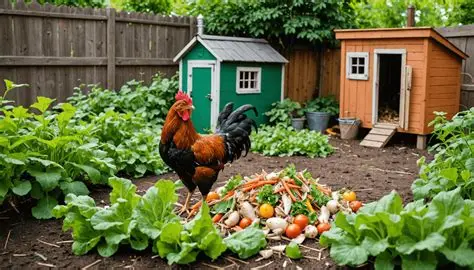
Monitor Chicken Health
Daily observation can help you notice problems early. Healthy chickens generally remain active, eat normally, drink regularly, and interact with the flock.
Watch for unusual behavior, reduced appetite, breathing difficulties, changes in droppings, injuries, or sudden changes in egg production.
If a bird appears seriously ill, separate it from the flock when appropriate and seek advice from a qualified animal-health professional. Early attention can help prevent a problem from spreading.
Manage Eggs Properly
If your main goal involves egg production, provide clean nesting areas where hens can lay safely. Collect eggs regularly to reduce breakage and contamination.
Handle eggs gently and keep them clean and properly stored according to local food-safety guidance.
Keep track of egg production as well. A noticeable decline can sometimes indicate changes in nutrition, age, stress, weather, or flock health.
Use Chicken Manure Wisely
Chicken manure can provide valuable nutrients for gardens and fields. However, fresh manure can be too strong for direct application around many growing plants.
Composting manure with suitable organic materials allows it to break down before garden use. Properly managed compost can improve soil organic matter and contribute nutrients to future crops.
This creates a useful cycle in which the flock supports other parts of the homestead.
Establish a Daily Routine
Successful small homestead chickens care depends heavily on consistency. Create a simple morning and evening routine that includes checking birds, providing feed and water, inspecting the housing, and collecting eggs.
Regular routines make it easier to notice changes. For example, a chicken that normally rushes toward feed but suddenly remains isolated may need closer observation.
Keep basic records of flock numbers, egg production, feed purchases, health issues, and other important events. These records can help you identify patterns and manage expenses.
Keep Learning and Adjusting
Raising chickens is a gradual learning process. Your first flock may teach you lessons about housing, feeding, predator protection, and daily workload that you could not learn from a guide alone.
As you gain experience, make improvements based on what works on your homestead. Adjust housing, feeding routines, fencing, and flock size as necessary.
Ultimately, small homestead chickens can become a valuable part of a self-sufficient household when managed responsibly. Provide secure housing, nutritious feed, clean water, good hygiene, and regular observation. With these fundamentals in place, a small flock can supply useful food while contributing manure and valuable experience to the wider homestead.