Reduce chemical inputs by building healthier soil, preventing pest problems, improving crop diversity, and using farm resources more efficiently. Farmers often rely on fertilizers, herbicides, fungicides, and pesticides to protect crops and maintain productivity. However, excessive or poorly targeted applications can increase production costs and create unnecessary environmental pressure.
Reducing chemical use does not mean abandoning crop protection or nutrient management. Instead, farmers can adopt strategies that use agricultural inputs more precisely while allowing natural processes to contribute to farm productivity.
Start With Healthy Soil
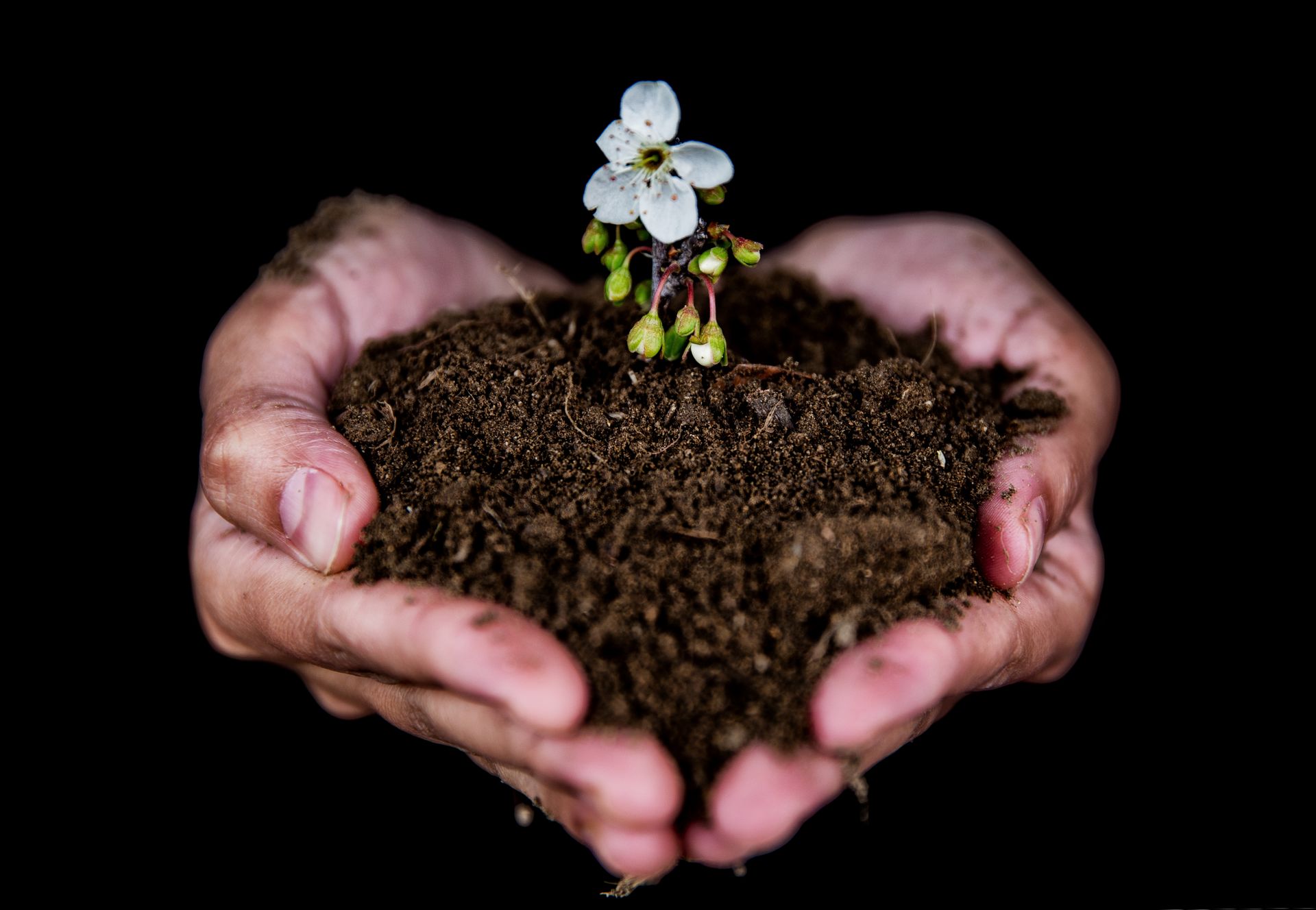
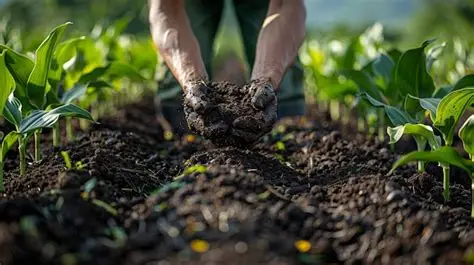
Healthy soil can support stronger plants and improve their ability to withstand environmental stress. Therefore, improving soil quality should form an important part of any strategy to reduce chemical inputs.
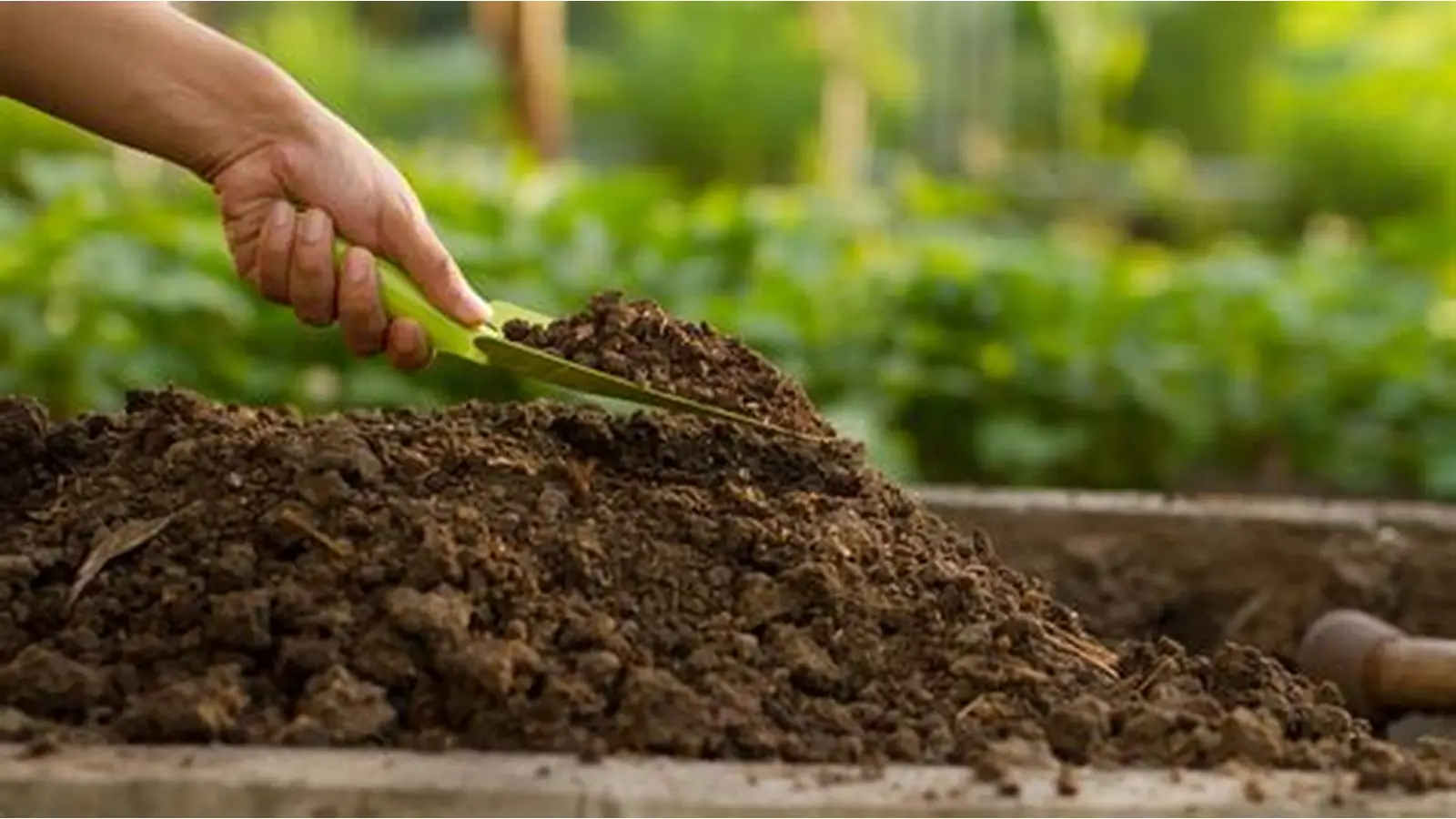
Farmers can add mature compost, suitable manure, crop residues, and other organic materials to improve soil structure and nutrient cycling.
Test Soil Before Applying Fertilizer
Do not apply fertilizer based solely on assumptions. Soil testing can identify nutrient deficiencies and help farmers determine which amendments the soil actually needs.
This approach can prevent unnecessary applications and reduce the risk of nutrient buildup. It can also help farmers spend money more efficiently by targeting genuine deficiencies.
Practice Crop Rotation
Planting the same crop repeatedly can encourage specific pests and diseases while placing repeated demands on particular soil nutrients.
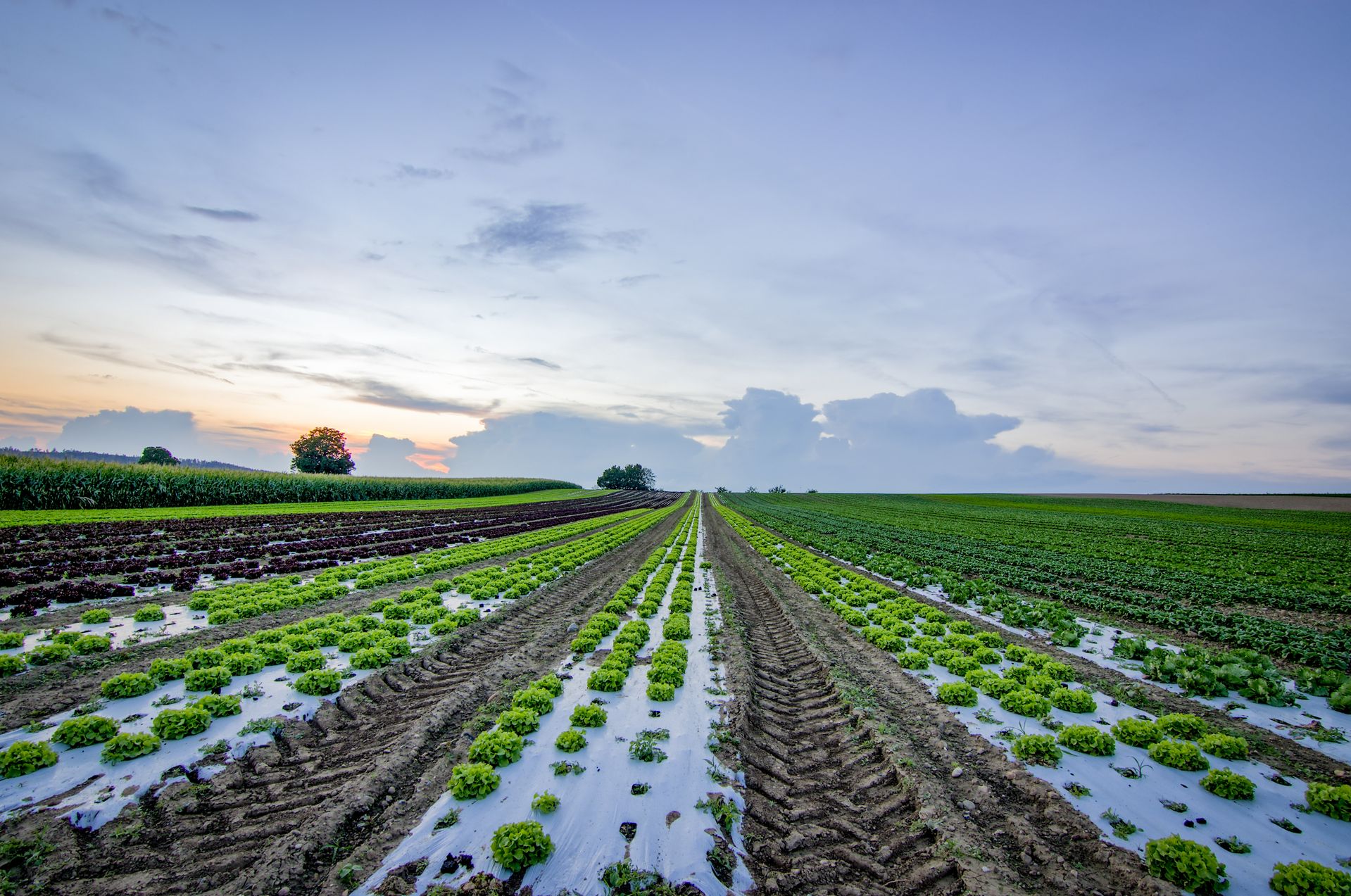
Crop rotation interrupts these cycles by changing the crops grown in a particular field. Include different plant families and, where appropriate, legumes that can contribute to nitrogen management.
A useful rotation might include:
-
Legumes
-
Grains
-
Root crops
-
Leafy vegetables
-
Cover crops
Rotation does not eliminate pests completely, but it can make conditions less favorable for some recurring problems.
Use Integrated Pest Management
Integrated pest management, or IPM, combines multiple approaches to control pests while minimizing unnecessary pesticide use.
Farmers should first monitor fields and identify the actual pest before deciding whether intervention is necessary. Not every insect causes enough damage to justify treatment.
Encourage Natural Pest Control
Beneficial insects, birds, and other organisms can help control certain agricultural pests. Farmers can encourage these natural predators by maintaining suitable habitats and reducing unnecessary broad-spectrum pesticide applications.
Other options include physical barriers, traps, resistant crop varieties, sanitation, and carefully timed treatments.
When chemical control becomes necessary, farmers can choose an appropriate product and apply it according to the label rather than treating an entire field automatically.
Improve Weed Management
Weeds compete with crops for water, nutrients, sunlight, and space. However, farmers can manage weeds through a combination of preventive and mechanical methods.
Mulching can suppress weed emergence and conserve soil moisture. Cover crops can also occupy growing space that weeds might otherwise colonize.
Farmers can further use timely cultivation or hand weeding where practical. Removing weeds before they produce seeds can reduce future weed pressure.
Use Cover Crops
Cover crops provide several benefits while reducing reliance on certain chemical inputs. They can protect soil from erosion, suppress weeds, improve organic matter, and support beneficial soil organisms.
Choose cover crops according to the local climate, soil type, and production schedule. Farmers should also manage them carefully to prevent competition with subsequent crops.
When properly integrated into a rotation, cover crops can become an important part of a broader strategy to reduce chemical inputs.
Improve Water Management
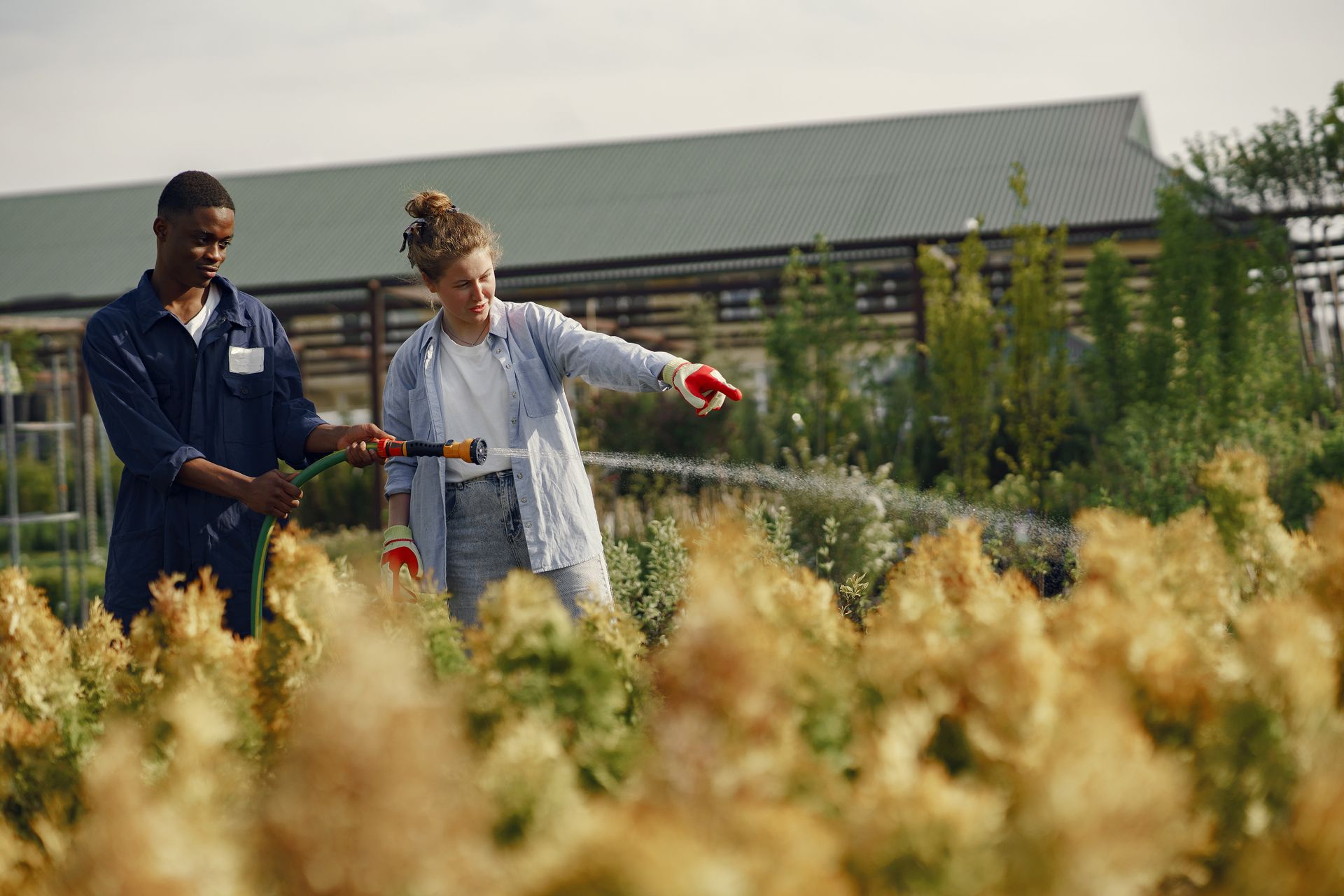
Efficient irrigation can improve crop health while reducing unnecessary resource use. Overwatering can encourage certain diseases and leach nutrients from the soil.
Use appropriate irrigation methods and monitor soil moisture before watering. Drip irrigation can deliver water closer to plant roots, while mulch can reduce evaporation.
Furthermore, watering at appropriate times can help maintain healthier growing conditions and reduce avoidable plant stress.
Choose Resistant Crop Varieties
Crop varieties with resistance or tolerance to common diseases and pests can reduce the need for chemical interventions.
Before purchasing seeds, research which problems commonly affect the crop in your area. Then select varieties with characteristics suited to local growing conditions.
However, resistance does not provide complete protection. Farmers should still combine resistant varieties with crop rotation, sanitation, monitoring, and other preventive measures.
Improve Farm Hygiene
Good sanitation can prevent many agricultural problems from spreading. Remove severely diseased plant material and dispose of it appropriately rather than leaving it in production areas.
Clean tools and equipment when moving between fields with known disease problems. Also, control volunteer plants and weeds that may harbor pests or pathogens.
These simple practices can reduce the pressure that leads farmers to rely on chemical treatments.
Monitor Crops Regularly
Frequent field inspections allow farmers to detect problems while they remain manageable. Walk through fields and look for unusual leaf damage, discoloration, wilting, insect activity, or signs of disease.
Keep simple records of what you observe. Over time, these records can help identify recurring problems and determine when they usually appear.
Better monitoring supports better decisions. Instead of applying chemicals on a fixed schedule, farmers can respond to actual field conditions.
Combine Strategies Instead of Relying on One Solution
Farmers can reduce chemical inputs most effectively when they combine several practices. Healthy soil, crop rotation, resistant varieties, biological control, efficient irrigation, and careful monitoring can reinforce one another.
For example, a farmer might rotate crops, plant a suitable cover crop, use compost, monitor pest populations, and introduce biological controls before considering a pesticide application.
This integrated approach focuses on prevention rather than repeated treatment.
Build a Practical Long-Term Plan
Reducing chemical use should not compromise crop health or farm profitability. Farmers should evaluate each change carefully and measure its results.
Start with manageable adjustments, such as soil testing or improved field monitoring. Then introduce additional practices as the farm gains experience.
Ultimately, reduce chemical inputs by making prevention and precision central parts of farm management. Farmers can protect crops while lowering unnecessary applications through healthier soils, greater crop diversity, better monitoring, and responsible pest management.
A thoughtful approach can help farms reduce costs, protect natural resources, and maintain productive fields. With consistent observation and gradual improvements, farmers can reduce chemical inputs without sacrificing the quality or reliability of their harvests.