Regenerative farming practices focus on improving the health of agricultural ecosystems while producing food and supporting farm livelihoods. Instead of treating soil, water, plants, and animals as separate resources, regenerative agriculture considers how these elements interact. Farmers can use methods such as cover cropping, crop rotation, reduced soil disturbance, composting, and managed grazing to strengthen natural processes. Although approaches differ between farms, the central goal remains clear: produce food while improving the condition of the land over time.
What Is Regenerative Agriculture?
Regenerative agriculture is an approach to farming that emphasizes restoring and strengthening soil health, biodiversity, water cycles, and ecosystem function.
Unlike a single farming technique, it represents a collection of practices that farmers can adapt to their local conditions. What works on a dry farm may differ from what works on a humid farm or livestock operation.
Farmers therefore need to evaluate their soil, climate, crops, livestock, and available resources before choosing specific methods.
Focus on Soil Health
Healthy soil forms the foundation of regenerative agriculture. Soil supports plant roots, stores water, cycles nutrients, and provides habitat for countless organisms.
Farmers can protect soil by minimizing unnecessary disturbance and keeping it covered whenever possible.
Use Cover Crops
Cover crops protect bare soil between main production periods. Their roots can contribute organic matter and help reduce erosion, while their vegetation protects the surface from wind and rain.
Suitable cover crops vary according to climate, soil, and farming goals. Farmers should choose species that fit their local conditions rather than adopting a single recommendation universally.
Rotate Crops
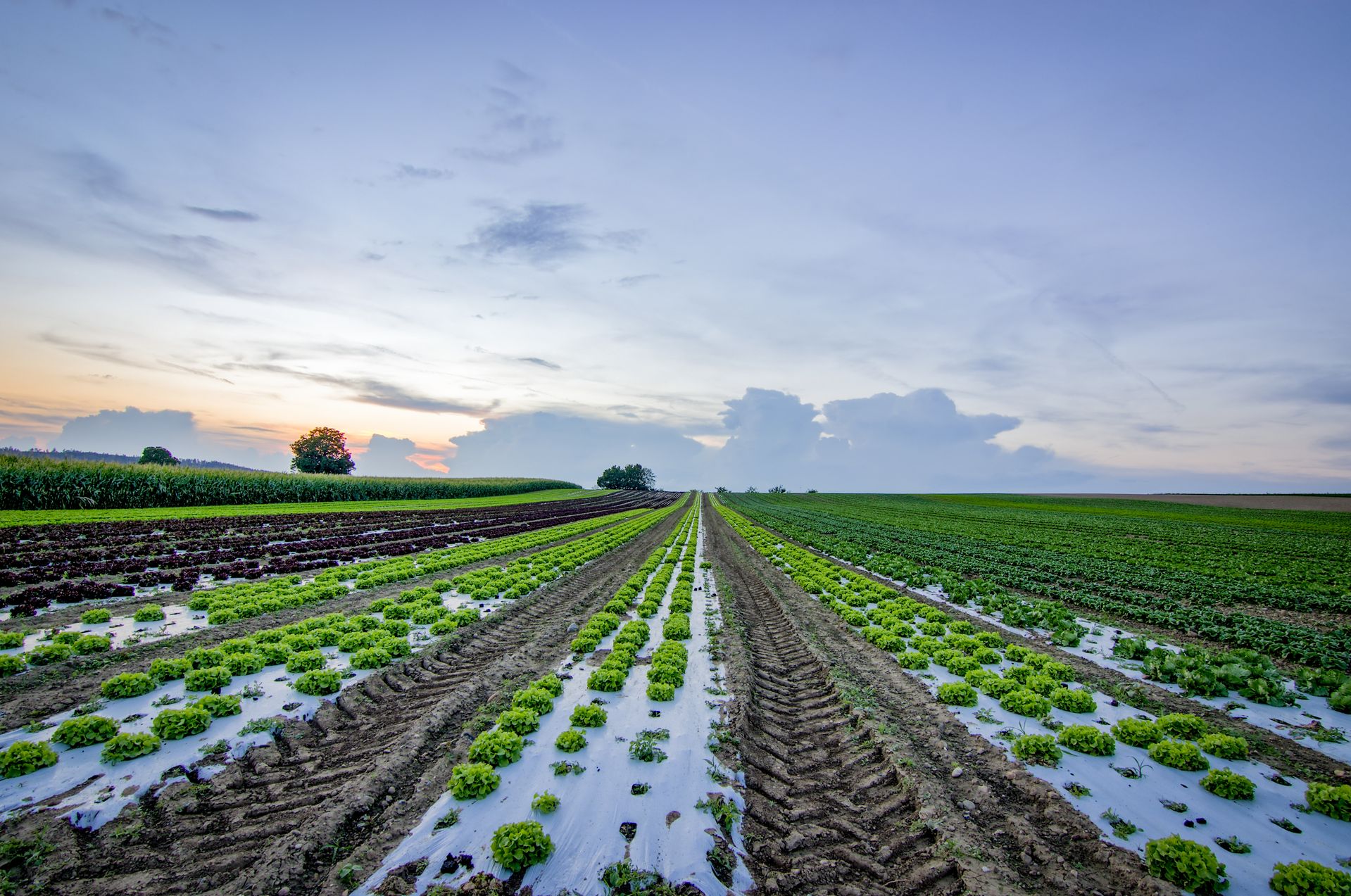
Crop rotation represents another important element of regenerative farming practices. Planting different crops in succession can diversify root systems, disrupt some pest and disease cycles, and support more balanced nutrient management.
For example, farmers may rotate crops from different plant families or include legumes in a rotation.
A thoughtful rotation can also spread production risks because farmers do not depend entirely on one crop.
Reduce Soil Disturbance
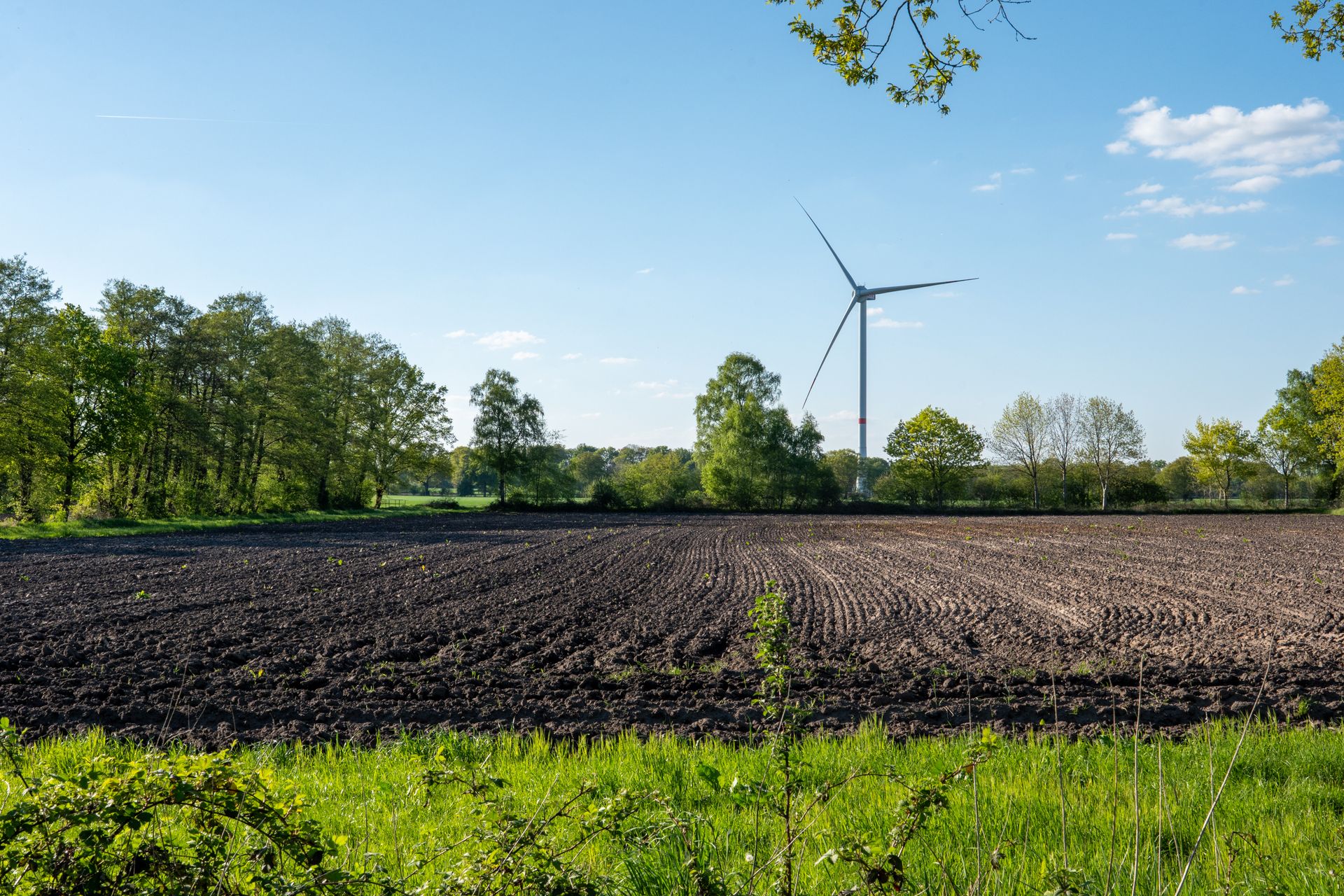
Frequent or intensive soil disturbance can affect soil structure and expose organic matter to faster decomposition. Regenerative systems often reduce tillage where practical.
Reduced tillage does not mean that every farm must completely eliminate cultivation. Instead, farmers should evaluate whether each tillage operation serves a necessary purpose.
The appropriate approach depends on soil type, weeds, equipment, climate, and production system.

Improve Water Management
Healthy soil can contribute to better water infiltration and storage. When farmers reduce erosion and maintain soil cover, more rainfall can remain available within the soil rather than quickly running off the field.
Other useful practices include:
-
Maintaining vegetation on vulnerable areas
-
Using appropriate mulch
-
Improving soil organic matter
-
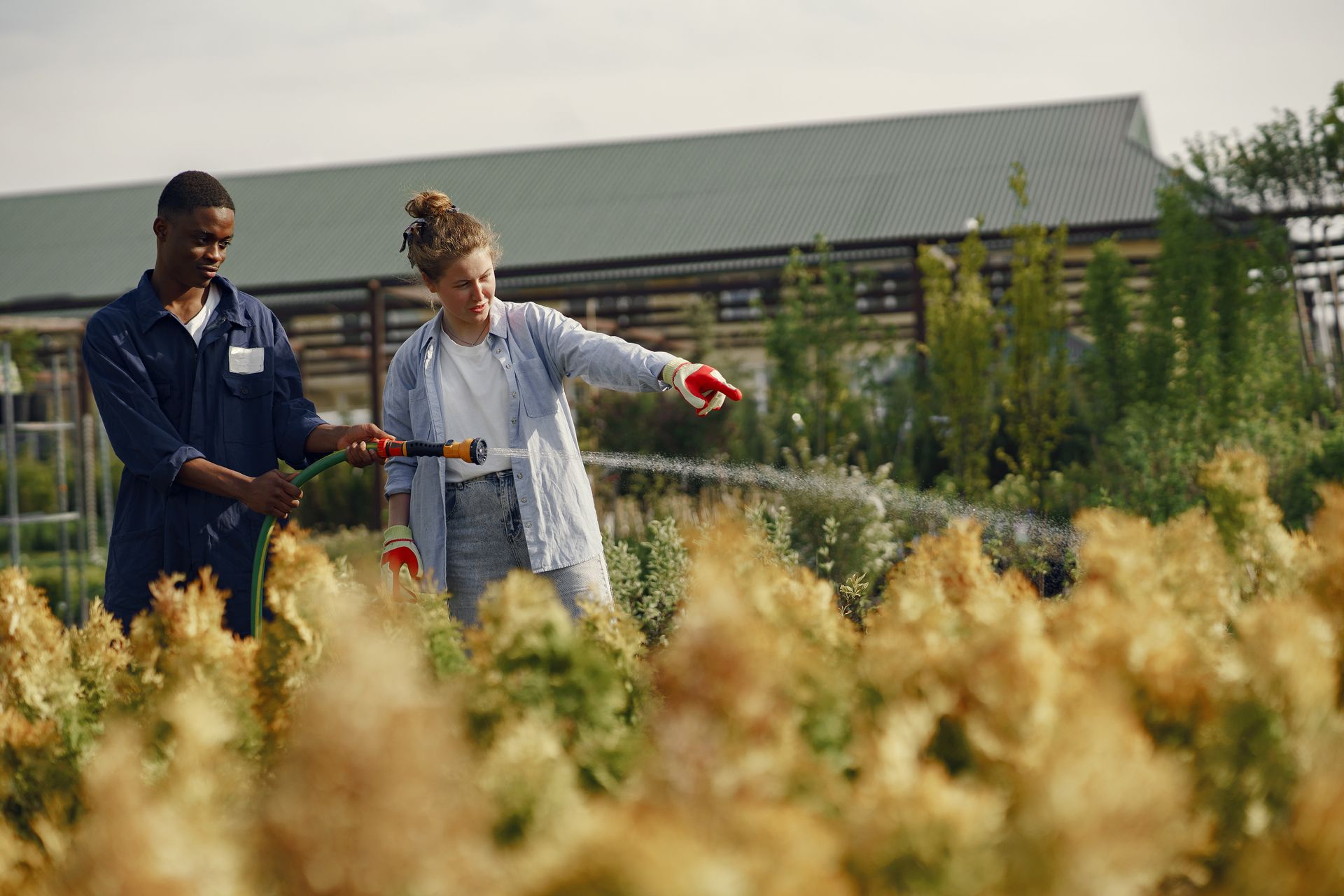
Managing irrigation carefully
-
Protecting waterways
-
Reducing unnecessary runoff
These measures can strengthen the farm’s ability to cope with both heavy rainfall and periods of limited moisture.
Encourage Biodiversity
Biodiversity can make agricultural ecosystems more resilient. Instead of creating fields that support only one type of plant, farmers can incorporate greater biological diversity where practical.
Flowering plants, hedgerows, trees, cover crops, and diverse rotations can provide habitat and food for beneficial organisms.
Support Beneficial Insects
Not every insect threatens crops. Many insects prey on agricultural pests or contribute to pollination.
Reducing unnecessary pesticide use and maintaining suitable habitat can help beneficial species remain part of the farm ecosystem. Farmers should still monitor pest populations and intervene when necessary to protect yields.
Integrate Livestock Carefully
Livestock can contribute to regenerative systems when farmers manage grazing appropriately. Animals can return nutrients to the land through manure while grazing can influence vegetation growth.
However, poorly managed grazing can damage vegetation, compact soil, and increase erosion. Therefore, farmers need to control stocking rates, grazing duration, and recovery periods according to land conditions.
Managed grazing should improve the land rather than continually pressure it.
Use Compost and Organic Matter
Compost can help farmers recycle suitable organic materials and return organic matter to agricultural soils. Crop residues, properly managed manure, and other appropriate materials can contribute to a composting system.
Farmers should use mature compost and apply it according to soil and crop requirements.
Combining compost with cover crops and crop rotation can create multiple pathways for improving soil quality.
Reduce Dependence on External Inputs
Regenerative farming practices can help farmers make better use of resources already available on the farm. Recycling crop residues, integrating livestock, producing compost, and improving soil health can reduce reliance on certain external inputs.
However, regenerative agriculture does not require farmers to reject all fertilizers, pesticides, or other agricultural inputs. Instead, farmers can use inputs strategically when they provide a clear benefit.
The goal is to create a productive system that relies more effectively on natural processes without compromising crop quality or farm profitability.
Measure Progress
Regenerative agriculture requires patience because improvements in soil and ecosystem function may take several seasons to become clear.
Farmers can track progress by monitoring:
-
Soil organic matter
-
Erosion levels
-
Water infiltration
-
Crop yields
-
Input costs
-
Biodiversity
-
Soil moisture
-
Livestock performance
These measurements can reveal which practices produce useful results and which require adjustment.
Build a Resilient Farm
Ultimately, regenerative farming practices aim to create agricultural systems that become healthier and more resilient over time. Farmers can work toward this goal by protecting soil, diversifying crops, improving water management, supporting biodiversity, and managing livestock responsibly.
Regenerative agriculture does not offer a single formula that works everywhere. Instead, it encourages farmers to observe their land, understand natural processes, test suitable practices, and adapt based on results.
When applied thoughtfully, regenerative farming practices can help farmers improve soil health while maintaining productive agricultural businesses. The most effective approach is one that balances environmental improvement with realistic farm needs, economic sustainability, and reliable food production.