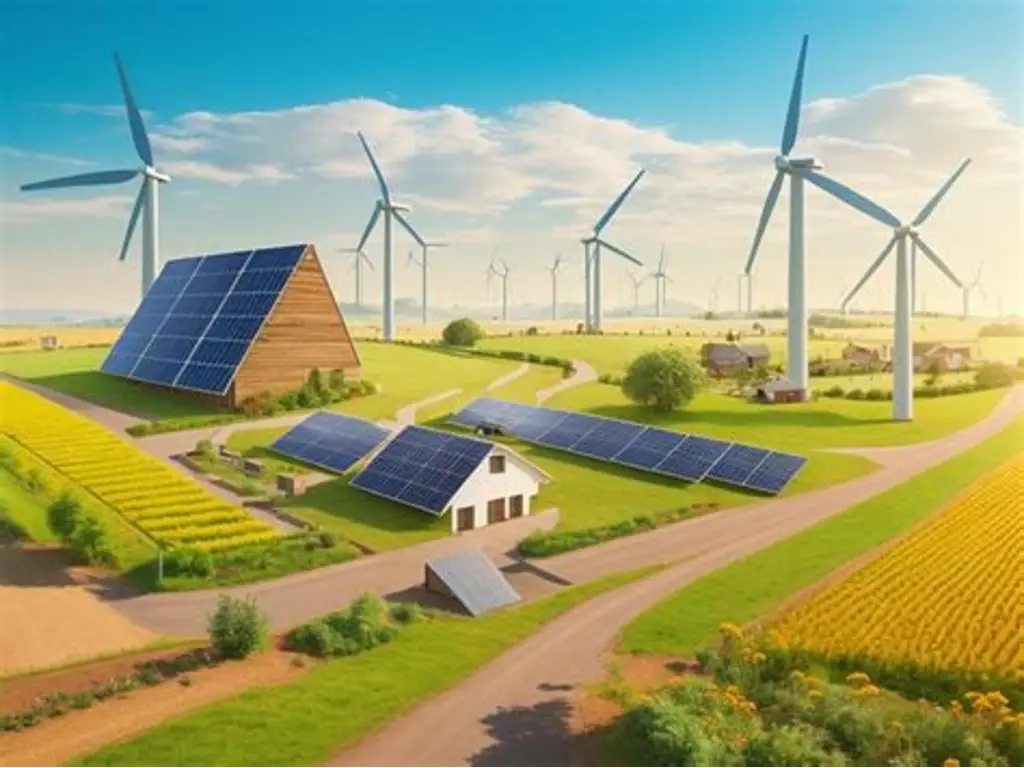
Renewable energy farms can reduce dependence on conventional power sources while providing practical solutions for irrigation, lighting, cooling, and other agricultural needs. As energy costs rise and farmers seek greater resilience, renewable technologies offer opportunities to produce useful power directly on the farm. The best option depends on location, available resources, energy requirements, and budget. By starting with realistic goals and choosing suitable systems, farmers can gradually improve their energy independence.
Start With Solar Power
Solar energy is one of the most accessible options for many farms. Solar panels can convert sunlight into electricity for pumps, lights, refrigeration, electric fencing, communication equipment, and other farm operations.
Farmers should first determine how much electricity they actually use. This helps prevent purchasing a system that is either too small to meet demand or unnecessarily expensive.
Solar systems can be especially useful in remote areas where extending a conventional power network would be difficult or costly.
Consider Solar Water Pumping
Water pumping can consume significant amounts of energy, particularly on farms that depend on irrigation. Solar-powered pumps can use daytime sunlight to move water from suitable sources to storage tanks or irrigation systems.
A properly designed system should account for water requirements, pumping distance, elevation, and seasonal sunlight availability. Farmers should also plan for periods of low sunlight and ensure that water storage or another suitable backup arrangement can meet essential needs.
Explore Biogas
Livestock operations can produce organic waste that may become a useful energy resource. Biogas systems use controlled digestion of suitable organic materials to produce a gas that can be used for cooking, heating, or certain energy applications.
A well-managed system can also produce nutrient-rich digestate that may have agricultural value when handled and applied appropriately.
However, biogas systems require consistent feedstock, suitable construction, regular maintenance, and careful management. Farmers should understand the system’s requirements before investing.
Consider Small Wind Systems
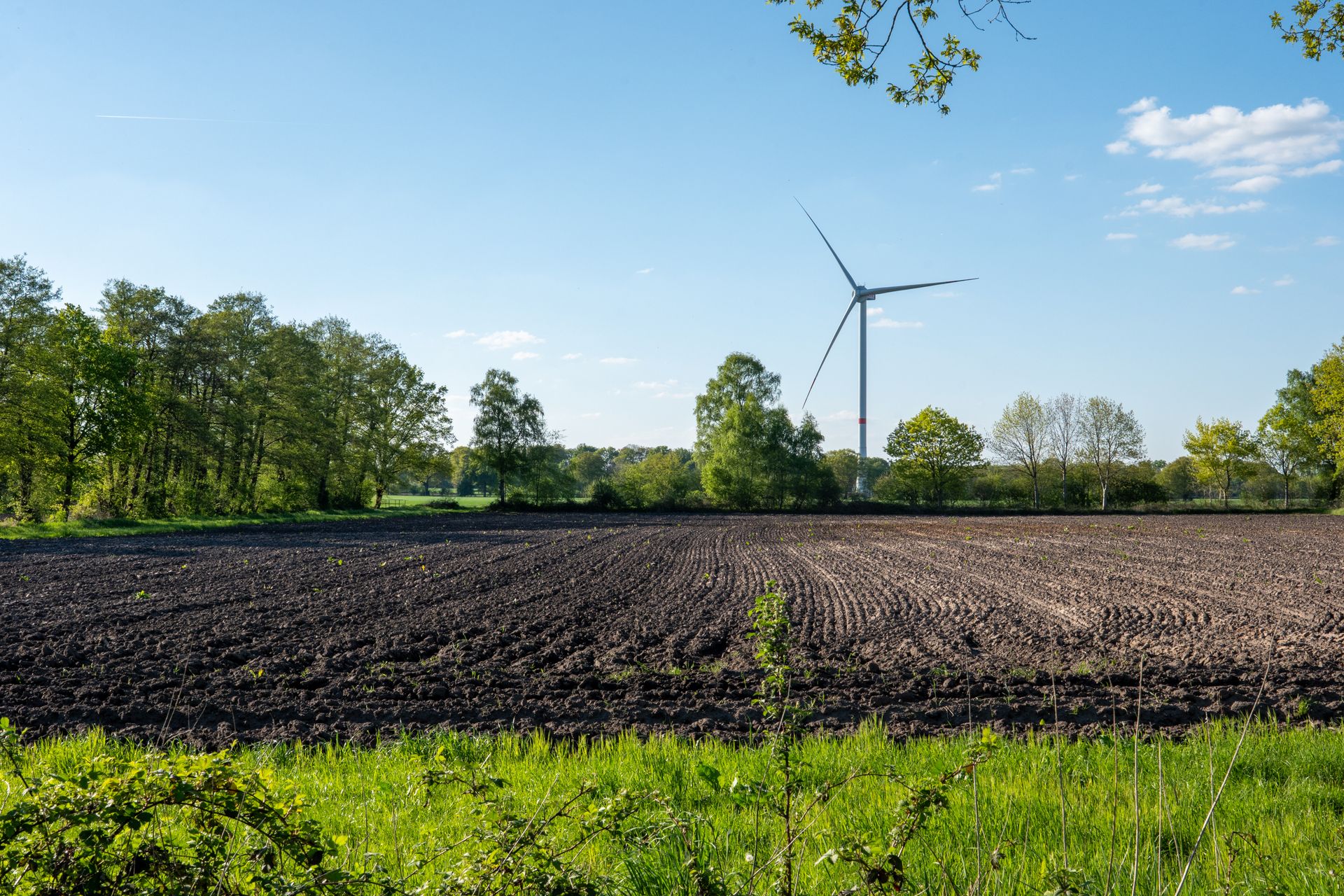
Farms in consistently windy locations may benefit from small wind turbines. These systems convert wind movement into electricity and can complement solar power in some situations.
Before installing a turbine, assess local wind conditions rather than relying on occasional strong winds. Turbine performance depends on factors such as average wind speed, tower height, surrounding obstacles, and equipment design.
For many farms, wind power makes the most sense when reliable wind resources already exist and the system can be properly maintained.
Use Micro-Hydropower Where Appropriate
Farms with a suitable flowing water source may have another renewable option. Micro-hydropower systems generate electricity from moving water.
Unlike solar and wind systems, a suitable water source can potentially provide continuous power when water flow remains reliable. However, the system requires appropriate elevation differences, sufficient flow, suitable equipment, and compliance with local environmental or water regulations.
Because site conditions strongly influence performance, professional assessment can be valuable before installation.
Turn Farm Waste Into Energy
Agricultural operations can produce many forms of organic waste. Some materials may be suitable for energy production through technologies such as anaerobic digestion or appropriately designed biomass systems.
Nevertheless, farmers should avoid burning waste indiscriminately. Smoke, emissions, fire risks, and poor combustion can create environmental and health problems.
Instead, evaluate whether waste has a more useful purpose, such as composting, animal bedding, soil improvement, or controlled energy production.
Improve Energy Efficiency First
Before investing in renewable energy farms, examine how much energy the farm currently wastes. Improving efficiency can reduce the size and cost of a renewable system.
Replace inefficient lighting where practical, maintain pumps and motors, repair leaks, improve insulation around suitable buildings, and switch off equipment when it is not required.
Efficient irrigation systems can also reduce the energy needed to move water. Similarly, well-maintained refrigeration equipment can consume less electricity and protect stored produce more effectively.
Identify Your Biggest Energy Users
Create a simple list of major energy-consuming activities. These might include:
-
Irrigation pumps
-
Refrigeration
-
Grain processing
-
Milking equipment
-
Water heating
-
Farm lighting
-
Electric fencing
-
Machinery charging
Once you know where energy goes, you can decide which loads are most suitable for renewable power.
Combine Different Energy Sources
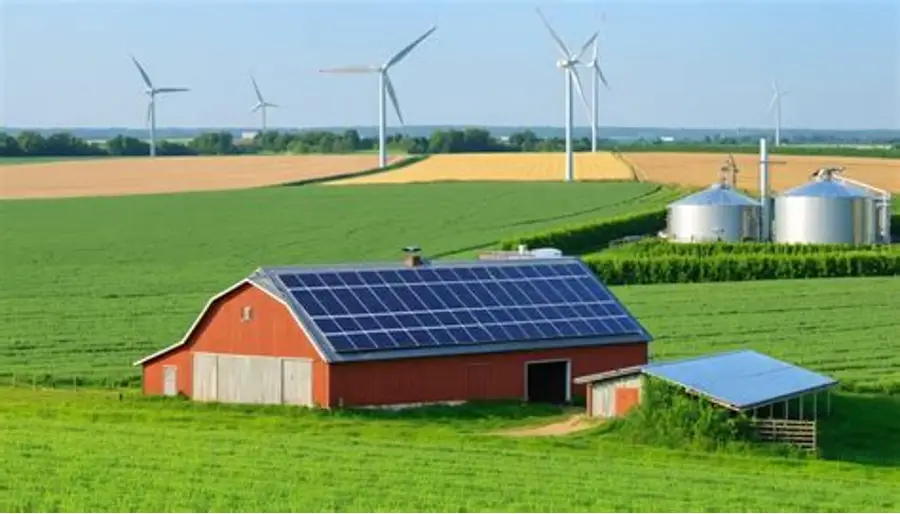
No single renewable technology works perfectly for every farm. In some locations, combining technologies can provide greater reliability.
For example, solar panels may produce substantial power during sunny periods, while a suitable wind system could contribute energy when wind conditions are favorable. Battery storage can also help shift electricity from production periods to times of higher demand.
However, combining technologies increases system complexity and cost. Therefore, start with the simplest system that meets your essential requirements.
Plan for Storage and Backup
Renewable generation can fluctuate. Solar power depends on sunlight, while wind power depends on wind conditions. Consequently, farmers need to consider how essential equipment will operate when renewable generation falls.
Battery storage can provide electricity when generation is low, although batteries have costs, maintenance requirements, and limited lifespans.
For critical operations, farmers may also need an appropriate backup power source. The goal is to create a system that remains dependable without becoming unnecessarily complicated.
Calculate the Long-Term Costs
Renewable energy farms require an initial investment, so farmers should consider the complete financial picture rather than focusing only on equipment prices.
Calculate installation, maintenance, replacement, storage, wiring, and other costs. Then compare these expenses with expected savings or income over the system’s useful life.
Local incentives, financing programs, electricity prices, and equipment availability can significantly affect the final calculation. Professional advice can help when the system is large or technically complex.
Choose the Right Energy Strategy
Renewable energy can provide farms with greater flexibility and resilience, but successful projects begin with careful planning. Assess your energy needs, available natural resources, budget, maintenance capacity, and local regulations before selecting a technology.
For a small operation, a modest solar system may provide an excellent starting point. A livestock farm may find biogas more attractive, while farms with strong water resources may consider micro-hydropower.
Ultimately, renewable energy farms work best when technology matches the farm’s actual needs. Start by reducing energy waste, identify your most important power requirements, and then select a practical renewable system. With careful planning and regular maintenance, renewable energy can help farms reduce operating costs, strengthen energy security, and build more sustainable agricultural operations.