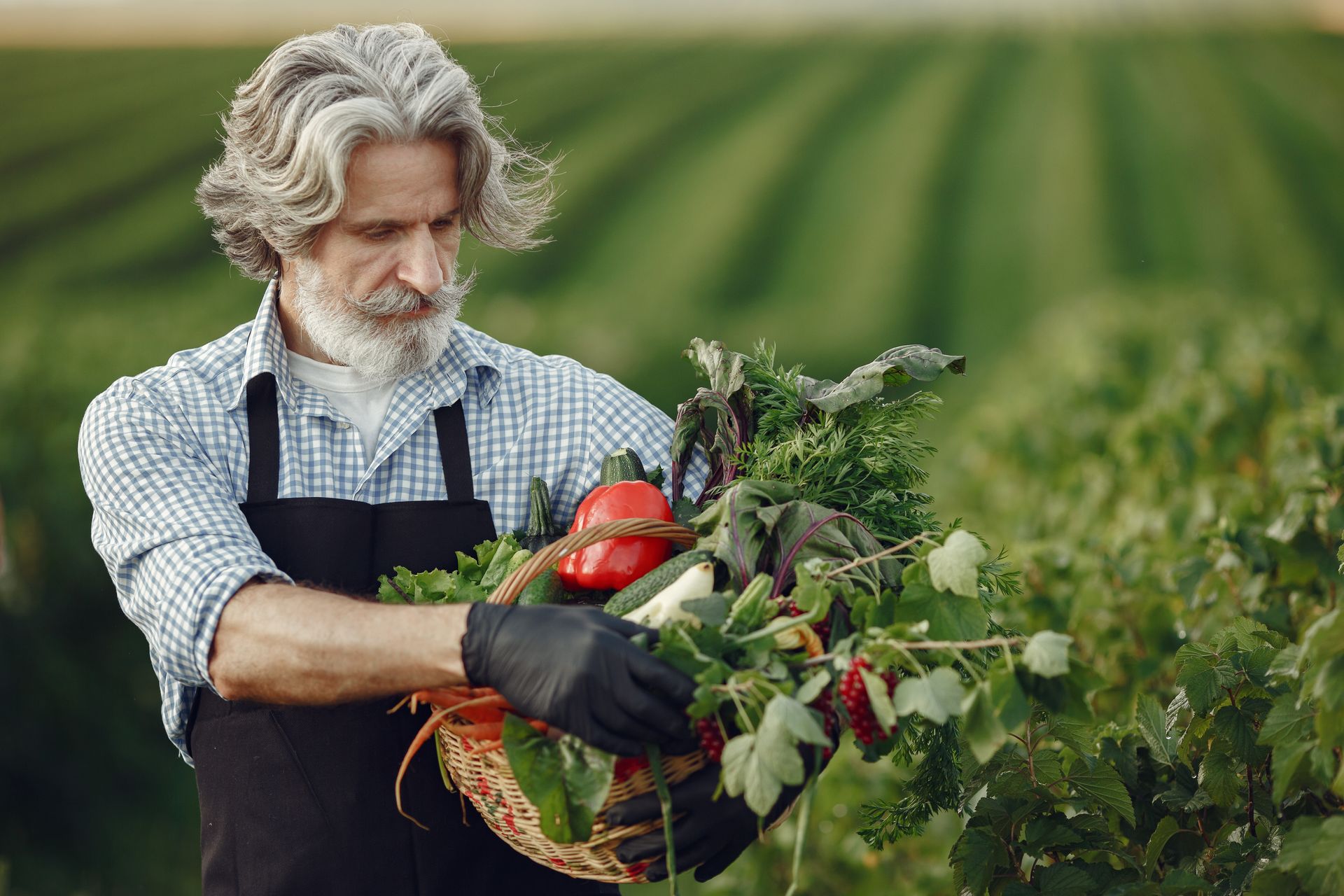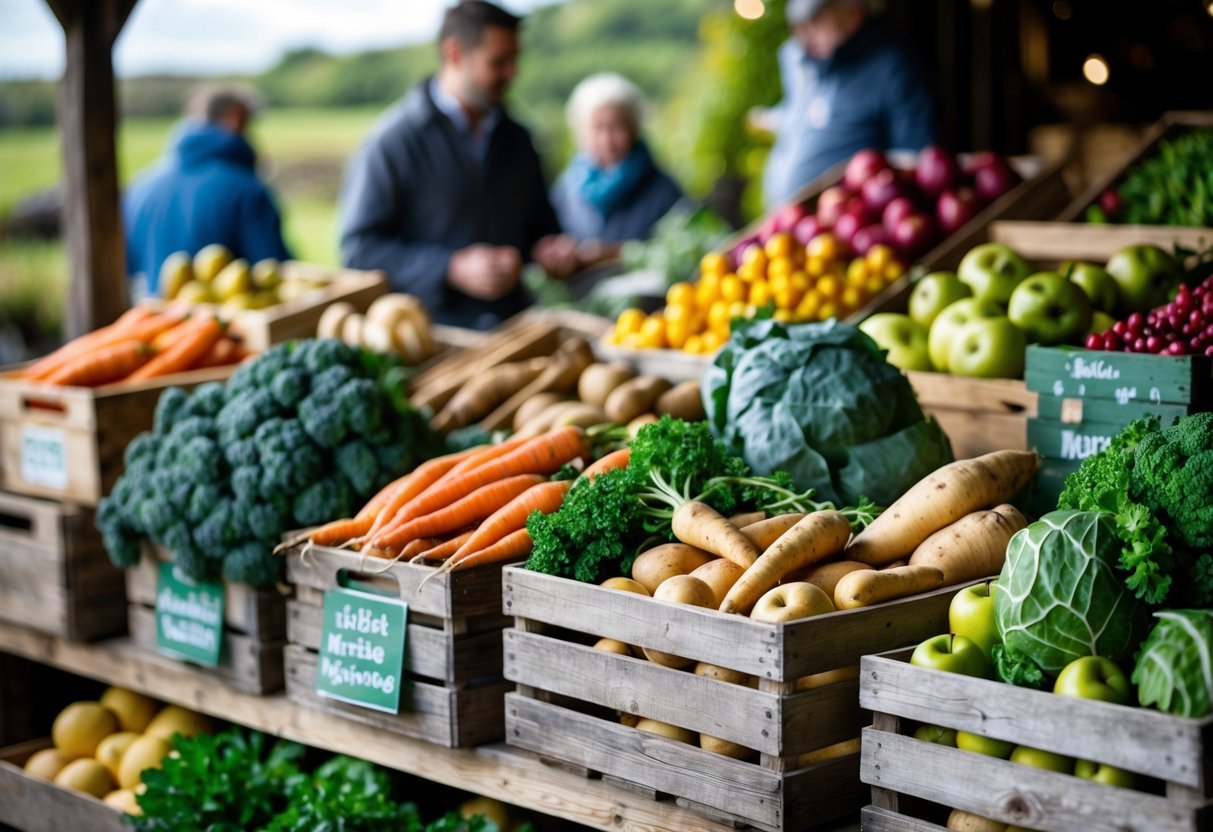
Local seasonal produce offers shoppers a simple way to enjoy fresher food while supporting nearby farmers. When fruits and vegetables grow during their natural harvest periods, they often travel shorter distances before reaching consumers. As a result, shoppers can enjoy better freshness while contributing to the local agricultural economy.
Buying seasonal food also encourages people to explore different ingredients throughout the year. Instead of choosing the same products every season, consumers can adapt their meals to what farmers grow successfully at different times.
Why Buy Seasonal Produce Locally?
Buying produce from nearby farms creates a direct connection between consumers and agricultural producers. Farmers can sell their harvest closer to where they grow it, while shoppers can discover foods that reflect the region’s climate and growing conditions.
Fresher Food
Locally harvested fruits and vegetables can reach consumers quickly. Because farmers do not always need to transport their produce across long distances, the food may spend less time in storage and transit.
Freshness can affect texture, aroma, and flavor. For example, freshly harvested tomatoes can taste significantly different from tomatoes that have spent an extended period in transportation.
Fruits Worth Buying in Season
Seasonal fruits often provide excellent flavor when purchased close to harvest. Depending on the local climate and time of year, shoppers may find a variety of options at farm stands and local markets.
Consider buying:
-
Fresh berries
-
Mangoes
-
Watermelons
-
Peaches
-
Apples
-
Citrus fruits
-
Avocados
-
Pineapples
Before purchasing, ask local farmers which fruits are currently at their peak. Harvest timing can vary depending on weather and growing conditions.
Vegetables That Shine When Fresh
Vegetables can also benefit from short transportation times. Leafy greens, root vegetables, tomatoes, peppers, and other fresh crops often taste best when farmers harvest them close to the day of sale.
Great Choices for Local Markets
Look for vegetables such as:
-
Spinach and other leafy greens
-
Carrots
-
Tomatoes
-
Sweet peppers
-
Green beans
-
Cabbage
-
Pumpkins
-
Sweet potatoes
Buying local seasonal produce allows you to experiment with vegetables that may not always appear in supermarkets. You can ask vendors for preparation ideas and discover new ways to use familiar ingredients.
Seasonal Produce Can Offer Better Value
Price depends on many factors, including weather, supply, transportation, and production costs. However, seasonal crops may offer better value when farmers have abundant harvests.
When supply increases, local markets may have larger quantities available. Shoppers can take advantage of this abundance by purchasing fresh ingredients for immediate meals or preserving them for later use.
Furthermore, buying directly from farmers can sometimes reduce costs associated with multiple stages of distribution. However, consumers should compare prices rather than assume that every local product costs less.
Support Farmers in Your Community
Purchasing local seasonal produce helps create demand for crops grown by nearby farmers. Consistent demand can give small producers a stronger incentive to continue farming and diversify what they grow.
The money you spend can also circulate within the local economy. Farmers may use their earnings to purchase supplies, hire workers, repair equipment, or invest in future production.
This cycle can strengthen agricultural communities and encourage the development of local food businesses.
Reduce Unnecessary Food Miles
Transporting food over long distances requires fuel, refrigeration, packaging, and other resources. Buying locally can reduce some of the transportation involved between farms and consumers.
However, transportation represents only one part of a food product’s environmental impact. Farming practices, storage, packaging, and production methods also matter.
Therefore, shoppers should view local purchasing as one useful choice rather than a complete solution to environmental challenges.
Ask Farmers the Right Questions
A conversation with a local farmer can help you make better purchasing decisions. Farmers know when their crops reach peak quality and can often explain how they grew them.
Ask questions such as:
-
When was this harvested?
-
How should I store it?
-
How long will it remain fresh?
-
What is coming into season next?
-
How do you recommend preparing it?
-
Can I buy larger quantities for preserving?
These questions can help you select better produce while learning more about local agriculture.
Make the Most of Your Purchases
Buying seasonal food works best when you plan your meals around what is available. Instead of creating a rigid shopping list, visit a local market and see which products look freshest.
For example, you can build a meal around freshly harvested vegetables, combine ripe fruit with breakfast foods, or preserve excess produce through drying, freezing, pickling, or other suitable methods.
Proper storage also reduces waste. Keep delicate fruits and vegetables in appropriate conditions and use highly perishable items first.
Build a Seasonal Shopping Habit
Choosing local seasonal produce does not mean buying every item from a local farm. Start with a few products that grow successfully in your region and gradually expand your choices.
Over time, you will learn when particular fruits and vegetables become available. You may also discover favorite farmers, markets, and varieties that consistently deliver good quality.
Most importantly, local seasonal produce can make everyday meals fresher and more interesting. Seasonal shopping encourages consumers to appreciate natural harvest cycles while giving farmers an opportunity to connect directly with their communities.
Whether you shop at a farmers’ market, farm stand, cooperative, or through direct farm sales, choosing local seasonal produce can benefit both your kitchen and the agricultural community around you. With a little planning, seasonal buying can become an enjoyable and practical part of your regular shopping routine.