





You do not need a large piece of land to enjoy the benefits of simple homesteading ideas. Small changes at home can create a stronger connection with nature, encourage sustainability, and bring some of the values of farm living into everyday routines.
Homesteading is often associated with farms, gardens, and self-sufficient lifestyles. However, many homesteading practices can be adapted for apartments, suburban homes, or smaller spaces.
At Stoney Creek Farm, the principles behind homesteading focus on responsibility, resourcefulness, and appreciation for the natural world. These ideas can inspire anyone who wants to live more intentionally.
Simple homesteading ideas are not about perfection. They are about learning practical skills, reducing waste, and creating a closer relationship with the food and resources around us.
Simple Homesteading Ideas Start With a Home Garden
Growing your own food is one of the easiest ways to experience a connection with farming. A small garden can provide fresh ingredients while helping you understand the effort behind every harvest.
You do not need a large backyard to begin. Containers, raised beds, balconies, and small outdoor spaces can all support productive gardens.
Begin with simple crops that are easy to manage, such as:
- Herbs like basil, parsley, and mint
- Leafy greens
- Tomatoes
- Peppers
- Seasonal vegetables
Moreover, starting small helps build confidence. Many new gardeners make the mistake of planting too much too quickly.
Instead, focus on learning the basics. Understand sunlight requirements, watering needs, and soil quality before expanding.
These simple homesteading ideas create valuable habits. They encourage patience because plants require consistent care and attention.
Additionally, gardening provides a deeper appreciation for seasonal changes. Watching seeds develop into healthy plants creates a rewarding connection with nature.
Creating a Productive Garden With Sustainable Methods
A successful home garden depends on healthy growing conditions. Sustainable methods can help improve soil quality while reducing unnecessary waste.
One important step is understanding the role of soil. Healthy soil provides nutrients, supports plant growth, and helps retain moisture.
Simple ways to improve your garden include:
- Adding compost to enrich soil
- Using natural mulch
- Collecting rainwater when possible
- Planting suitable seasonal crops
- Encouraging beneficial insects
Furthermore, sustainable gardening creates a smaller environmental footprint. Instead of relying only on outside resources, you can reuse materials and work with natural processes.
At Stoney Creek Farm, responsible land care is an important part of farming practices. The same principles can apply to home gardens.
Simple homesteading ideas encourage people to think differently about resources. Scraps, leaves, and natural materials can often become useful parts of a growing system.
Over time, even a small garden can become a productive and rewarding space.
Preserving Seasonal Produce for Year-Round Enjoyment
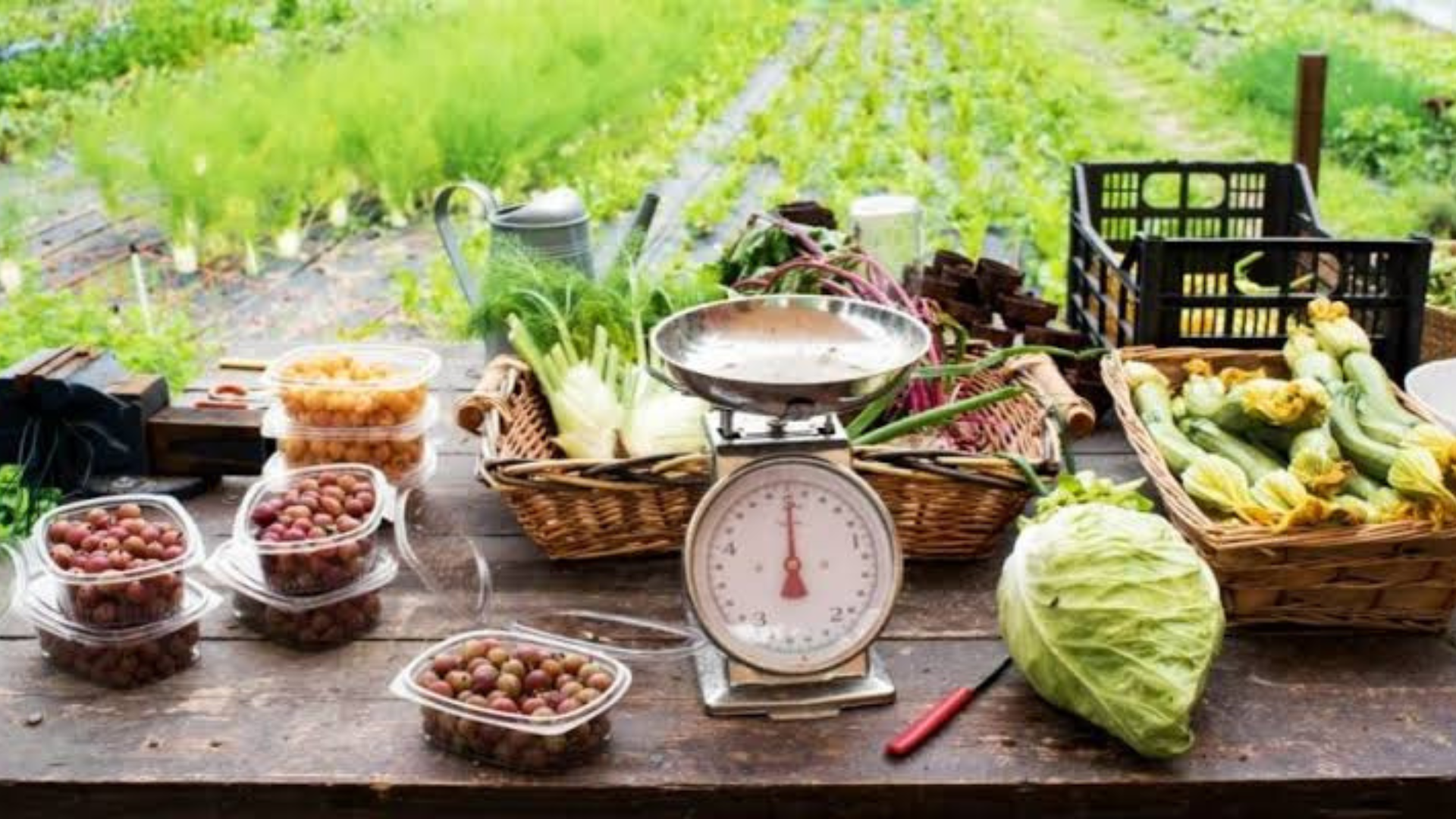
One of the most valuable homesteading skills is preserving food. Traditional preservation methods help extend the usefulness of seasonal harvests.
When gardens produce more than you can immediately use, preservation provides practical solutions.
Popular preservation methods include:
- Freezing fresh produce
- Drying herbs and fruits
- Making jams and sauces
- Pickling vegetables
- Storing root crops properly
However, successful preservation requires preparation. Clean equipment, careful storage, and proper techniques help maintain quality.
Preserving food also reduces waste. Instead of throwing away extra produce, you can save it for future meals.
These simple homesteading ideas connect closely with farming traditions. Farmers have always needed ways to protect seasonal abundance and prepare for changing conditions.
Moreover, preserved foods create convenience. A jar of homemade sauce or dried herbs can bring the taste of summer into colder months.
This practice helps households become more mindful about food and consumption.
Cooking With Fresh Ingredients From Local Sources
Cooking is another way to bring the farm lifestyle into daily routines. Fresh ingredients can transform ordinary meals into meaningful experiences.
When people cook with seasonal produce, they often develop a stronger appreciation for natural flavors.
Fresh cooking can involve:
- Planning meals around available ingredients
- Using local produce
- Trying new recipes
- Preparing food from scratch
- Reducing reliance on heavily processed options
Furthermore, cooking with fresh ingredients creates a stronger connection between the kitchen and the land.
A meal becomes more than something prepared quickly. It becomes a reflection of the work, seasons, and people behind the ingredients.
At Stoney Creek Farm, the journey from field to table highlights the importance of knowing where food comes from.
Simple homesteading ideas bring this same awareness into the home. They encourage people to slow down and value the process of creating meals.
Composting Basics for a More Sustainable Home
Composting is one of the simplest ways to reduce household waste. It transforms organic materials into valuable nutrients for gardens and plants.
Many kitchen scraps that are normally thrown away can become useful compost ingredients.
Compost-friendly materials include:
- Fruit and vegetable scraps
- Coffee grounds
- Eggshells
- Grass clippings
- Dry leaves
However, successful composting requires balance. A healthy compost pile needs a combination of different materials, air, and moisture.
Moreover, composting supports healthier gardens. Finished compost improves soil structure and helps plants grow stronger.
These simple homesteading ideas demonstrate how small actions can create meaningful results.
You do not need advanced equipment to start. A basic compost container or designated area can be enough for beginners.
Over time, composting can become a natural part of household routines.
Sustainable Household Habits Inspired by Farm Living
Homesteading is not only about growing food. It is also about making thoughtful choices throughout daily life.
Small household habits can support sustainability and reduce unnecessary consumption.
Examples include:
- Repairing items instead of replacing them
- Reusing containers and materials
- Conserving water
- Reducing energy waste
- Choosing durable products
Additionally, sustainable habits encourage greater awareness. People begin to notice how resources are used and where improvements can be made.
Farm life often depends on careful resource management. Farmers understand that waste can affect both productivity and the environment.
Simple homesteading ideas bring this mindset into everyday homes.
By making intentional choices, households can create more efficient and responsible lifestyles.
Building a Stronger Connection With Nature
Modern life can sometimes create distance between people and the natural world. Homesteading practices help rebuild that connection.
Spending time outdoors, growing plants, and observing seasonal changes can improve appreciation for nature.
Activities that encourage connection include:
- Maintaining a garden
- Walking through natural areas
- Learning about local plants
- Watching wildlife
- Spending time outdoors
Moreover, these experiences provide valuable lessons. Nature teaches patience, balance, and the importance of consistency.
At Stoney Creek Farm, farming depends on understanding natural cycles. Home gardeners and sustainability enthusiasts can learn from the same principles.
Simple homesteading ideas help people recognize that they are part of a larger ecosystem.
This awareness can influence better decisions about food, resources, and the environment.
Creating a More Self-Reliant Lifestyle
Self-reliance does not mean doing everything alone. Instead, it means developing useful skills and becoming more aware of everyday choices.
Homesteading encourages people to learn practical abilities that create independence.
These skills may include:
- Growing vegetables
- Cooking from basic ingredients
- Preserving food
- Repairing household items
- Managing resources wisely
Furthermore, learning these skills can be enjoyable. Each new ability creates confidence and a sense of achievement.
Simple homesteading ideas provide opportunities for continuous improvement.
You can start with one small project and gradually develop new habits over time.
The goal is not to create a perfect lifestyle. It is to build a more thoughtful relationship with the world around you.
How Families Can Enjoy Homesteading Together
Homesteading activities can bring people together. Gardening, cooking, and preserving food create opportunities for shared experiences.
Families can learn valuable lessons while working on simple projects.
Ideas for family involvement include:
- Planting a vegetable garden
- Making homemade recipes
- Creating compost systems
- Preserving seasonal foods
- Exploring nature together
Moreover, these activities teach important values. Children can learn about patience, responsibility, and where food comes from.
The lessons gained from homesteading extend beyond the activity itself.
They create memories while encouraging healthier and more sustainable habits.
Bringing Stoney Creek Farm Inspiration Into Everyday Life
The ideas behind homesteading are accessible to everyone. You do not need a farm to appreciate fresh food, sustainable habits, and a closer connection with nature.
Simple homesteading ideas encourage people to slow down, learn new skills, and become more aware of their surroundings.
From growing a small garden to reducing household waste, every action contributes to a more thoughtful lifestyle.
At Stoney Creek Farm, the values of care, sustainability, and connection inspire a way of living that respects both people and the environment.
Homesteading is not about returning to the past. It is about using practical knowledge to create a more balanced future.
By embracing small changes, anyone can bring elements of farm living into their everyday routine.