Climate-smart farming helps farmers respond to changing weather while maintaining productive and resilient agricultural systems. Unpredictable rainfall, rising temperatures, droughts, floods, and shifting growing seasons can create serious challenges for crop production. However, farmers can reduce many risks through better soil management, efficient water use, suitable crop selection, and careful planning. These approaches can also improve resource efficiency and support long-term farm productivity.
What Is Climate-Smart Farming?
Climate-smart farming combines agricultural practices that help farms adapt to changing conditions while improving productivity and, where possible, reducing environmental impacts.
The approach does not depend on one particular technique. Instead, farmers choose practices that suit their crops, soil, climate, available resources, and financial situation.
A successful system may include improved seeds, conservation agriculture, water harvesting, crop diversification, agroforestry, and better use of weather information.
Protect Soil With Conservation Practices
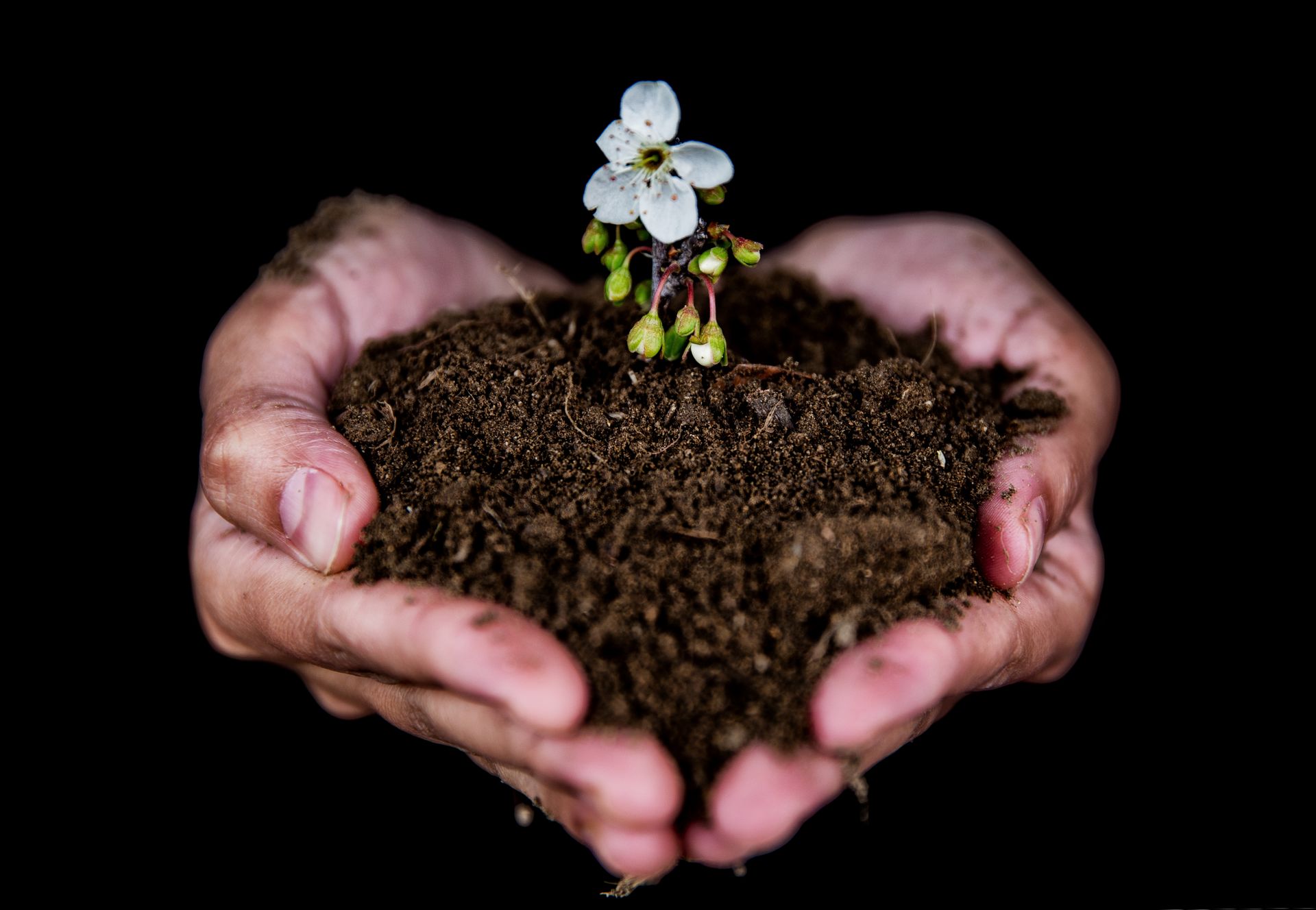
Healthy soil provides a strong foundation for resilient farming. Soil with good structure can absorb and retain water more effectively while reducing erosion during heavy rainfall.
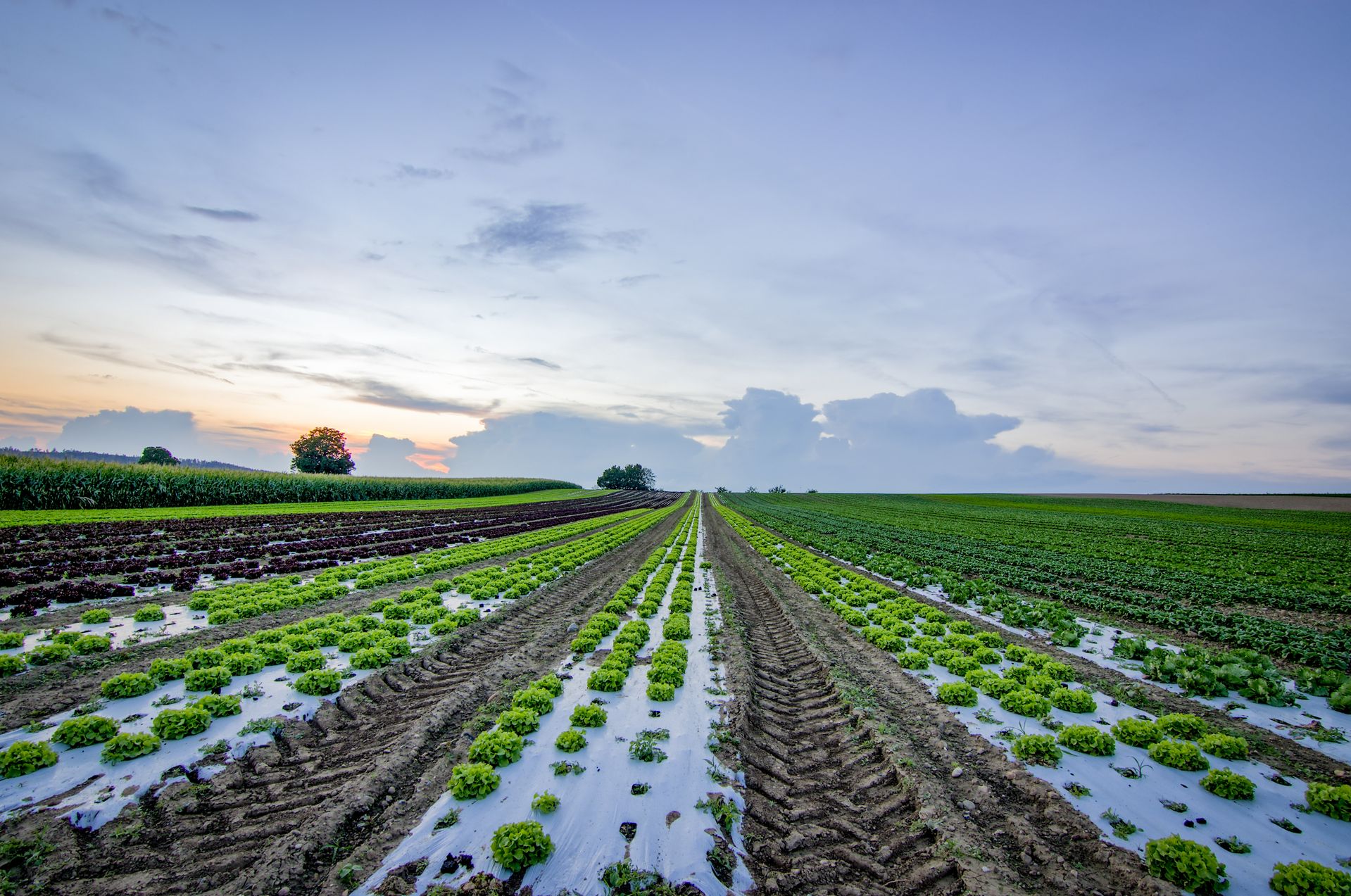
Farmers can protect their soil by maintaining plant cover, using crop residues, reducing unnecessary tillage, and growing cover crops during periods when fields would otherwise remain bare.
Reduce Soil Disturbance
Repeated intensive tillage can disrupt soil structure and increase erosion. Reduced-tillage approaches leave more soil undisturbed and can help preserve organic matter.
However, farmers should choose tillage methods according to their specific soil and weed-management needs. What works on one farm may require adjustment on another.
Improve Water Management
Water availability can become increasingly difficult to predict. Efficient water management therefore forms an important part of climate smart farming.
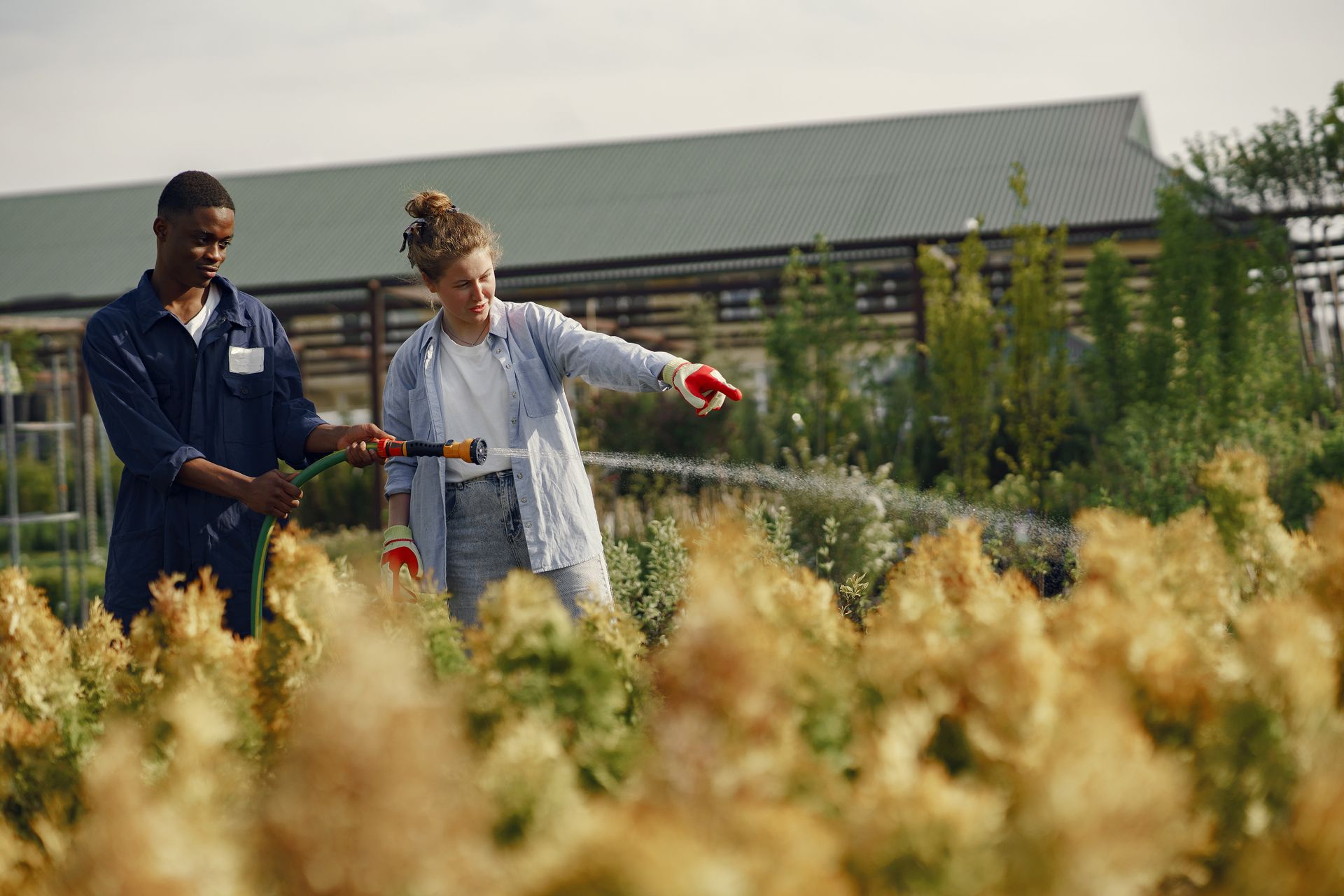
Farmers can improve water use by repairing leaks, improving irrigation efficiency, collecting rainwater where appropriate, and maintaining soil conditions that encourage infiltration.
Mulching can also reduce evaporation from the soil surface. Meanwhile, planting crops according to expected rainfall patterns can help farmers make better use of available moisture.
Prepare for Drought
Drought preparation should begin before water shortages become severe. Farmers can select drought-tolerant varieties, maintain soil cover, improve water storage, and establish planting schedules that match expected rainfall.
Having alternative plans can make it easier to respond when seasonal conditions change.
Choose Suitable Crops and Varieties
Crop selection can strongly influence a farm’s ability to withstand environmental stress. Farmers should choose varieties that suit local temperatures, rainfall patterns, soil conditions, and common pest pressures.
Early-maturing varieties may help farmers manage shorter growing seasons, while drought-tolerant varieties can provide useful options in areas where rainfall is unreliable.
Farmers can also diversify crops to spread risk. If one crop performs poorly because of extreme weather, another may still provide food or income.
Use Weather Information
Weather forecasts can support better agricultural decisions. Farmers can use available information to determine when to plant, irrigate, apply inputs, or harvest.
Short-term forecasts can help with immediate field activities, while seasonal information may influence crop selection and production planning.
Nevertheless, farmers should combine forecasts with field observations. Local soil moisture, crop development, and recent weather conditions remain important when making decisions.
Incorporate Cover Crops
Cover crops protect soil between major growing seasons. Their roots help hold soil together, while their above-ground growth reduces exposure to wind and rainfall.
Depending on the species selected, cover crops can also contribute organic matter, support soil organisms, suppress weeds, and influence nutrient cycling.
These climate smart farming practices can strengthen soil resilience while providing additional benefits to the wider farming system.
Diversify Farm Production
Diversification reduces dependence on a single crop or production activity. Farmers may grow several crops with different maturity periods or combine crop production with suitable livestock activities.
Different enterprises may respond differently to drought, excessive rainfall, pests, and market changes. Consequently, diversification can provide a valuable layer of protection.
However, farmers should avoid adding enterprises without considering available labor, capital, land, water, and management skills.
Use Agroforestry Where Appropriate
Agroforestry combines trees with crops, livestock, or both. Properly selected trees can provide shade, reduce wind exposure, protect soil, and contribute organic material.
Trees may also provide fruit, fodder, fuel, timber, or other products. However, farmers need to select species carefully because trees can compete with crops for water, nutrients, and sunlight.
A well-designed system considers spacing, root behavior, local climate, and the needs of the main crops.
Manage Nutrients Efficiently
Efficient nutrient management helps farmers avoid unnecessary costs and reduce nutrient losses. Soil testing can provide useful information about existing nutrient conditions.
Farmers can then apply fertilizers or organic amendments according to crop requirements rather than relying on a fixed application rate.
Legumes and crop residues can also contribute to nutrient cycling. Combining these approaches can improve resource efficiency while supporting crop development.

Protect Farms From Extreme Weather
Farmers can take practical steps to reduce exposure to extreme conditions. Windbreaks can reduce wind damage, drainage systems can help manage excess water, and soil cover can reduce erosion.
Where appropriate, farmers can also establish raised beds, contour structures, terraces, or other conservation measures suited to local terrain.
These strategies should be designed according to local risks rather than applied automatically. Effective climate smart farming begins with understanding the specific challenges facing each farm.
Keep Records and Adapt
Climate-smart farming requires continuous learning. Farmers should record planting dates, rainfall, yields, pest problems, input use, and other important observations.
These records can reveal which practices perform well under changing conditions. Farmers can then adjust crop varieties, planting schedules, irrigation methods, and soil-management strategies.
Flexibility is particularly important because climate conditions can vary from one season to another.
Conclusion
Climate-smart agriculture gives farmers practical tools for managing environmental uncertainty while maintaining productive farms. Soil conservation, efficient water use, suitable crop varieties, diversification, agroforestry, weather information, and careful nutrient management can all contribute to stronger agricultural systems.
Ultimately, climate smart farming is about making informed decisions that prepare farms for both current and future conditions. By combining appropriate techniques and adapting them to local needs, farmers can protect valuable resources while building greater resilience and long-term productivity.