Small homestead living offers an opportunity to grow food, raise animals, develop practical skills, and become more connected to the land. However, successful homesteading does not happen overnight. It requires thoughtful planning, realistic goals, and a willingness to learn. Whether you want to grow vegetables, keep chickens, or eventually produce much of your own food, starting with manageable projects can help you build confidence without becoming overwhelmed.
Start With a Clear Plan
Before buying equipment or animals, decide what you want your homestead to accomplish. Some people focus on food production, while others want a combination of gardening, livestock, preservation, and self-sufficiency.
Write down your main goals and divide them into short-term and long-term priorities. For example, your first year might focus on establishing a vegetable garden and keeping a small flock of chickens. Later, you could add fruit trees, larger livestock, or food-processing projects.
A clear plan also helps you avoid spending money on equipment or projects you do not immediately need.
Choose Land Carefully
Land forms the foundation of a successful homestead. If you are purchasing property, evaluate more than the size of the plot.
Consider:
-
Soil quality and drainage
-
Reliable water availability
-
Sunlight exposure
-
Access to roads and markets
-
Existing buildings and fencing
-
Local climate
-
Security and accessibility
-
Applicable zoning and agricultural regulations
Water deserves particular attention. A property may appear ideal, but limited water can make gardening and livestock production difficult. Check the reliability and quality of available water before committing to major projects.
Begin With a Productive Garden
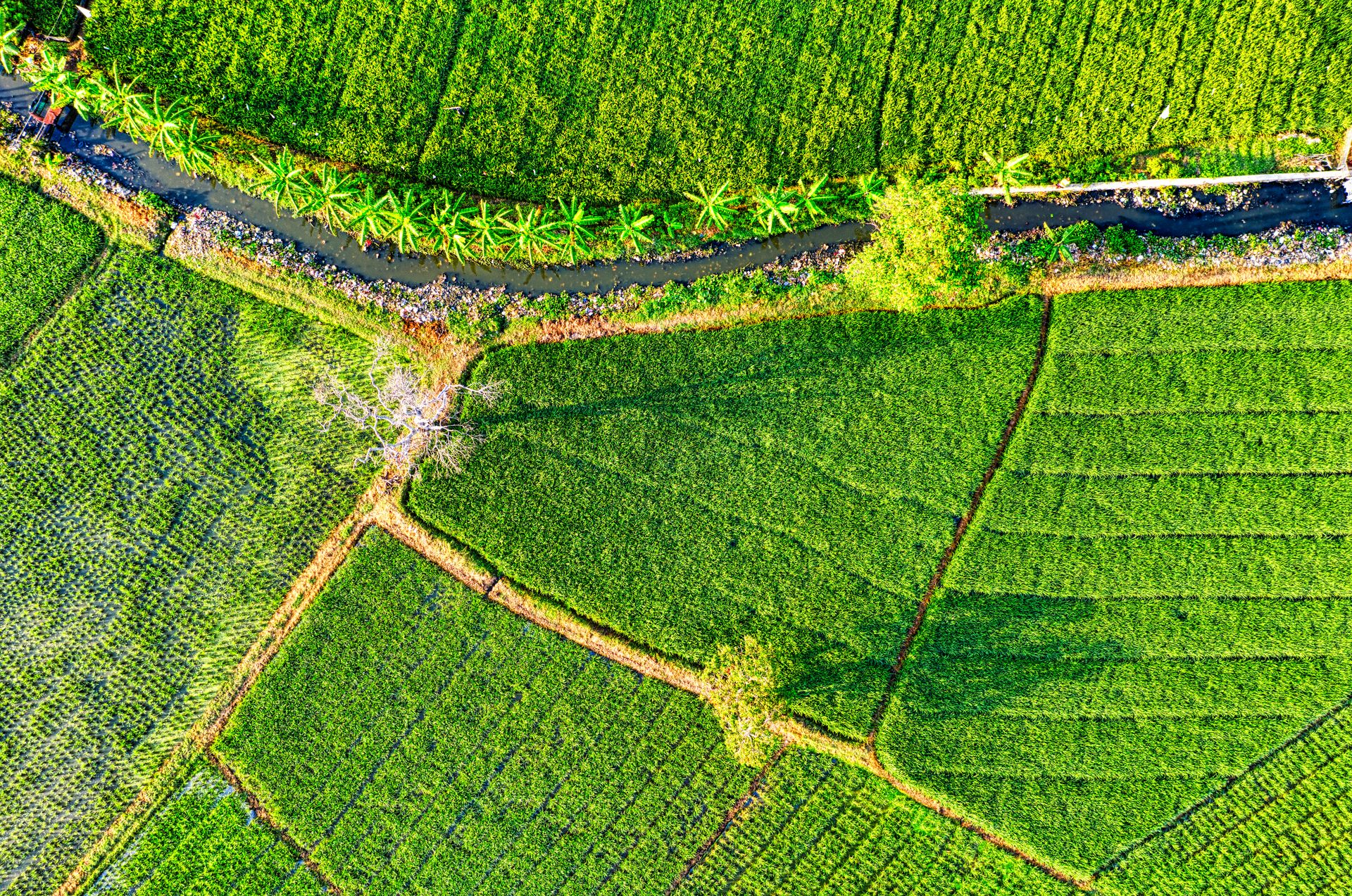
A vegetable garden is often a practical starting point because it can provide food without requiring the infrastructure associated with larger livestock.
Choose crops that suit your local growing conditions and begin with a manageable number of varieties. Leafy greens, herbs, beans, onions, tomatoes, and other locally suitable vegetables can provide useful experience with planting, watering, pest management, and harvesting.
Prepare the Soil
Healthy soil supports productive gardens. Test the soil where possible and improve it according to its condition. Compost and other suitable organic materials can help improve soil structure and fertility.
Avoid trying to transform the entire property at once. Start with a small growing area, learn what works, and expand gradually.
Add Livestock Carefully
Animals can provide eggs, meat, milk, manure, and other benefits, but they also create daily responsibilities.
Chickens are often easier for beginners than larger livestock because they require less space and infrastructure. Before buying animals, prepare secure housing, fencing, feeding equipment, water systems, and appropriate storage for feed.
Remember that livestock cannot simply be left unattended when you travel or become busy. Their care should fit realistically into your daily routine.
Build Essential Infrastructure
A successful small homestead needs practical infrastructure, but you do not need to build everything immediately.
Prioritize projects that directly support food production and safety. Depending on your goals, these may include:
-
Secure fencing
-
Animal shelters
-
Garden beds
-
Water storage
-
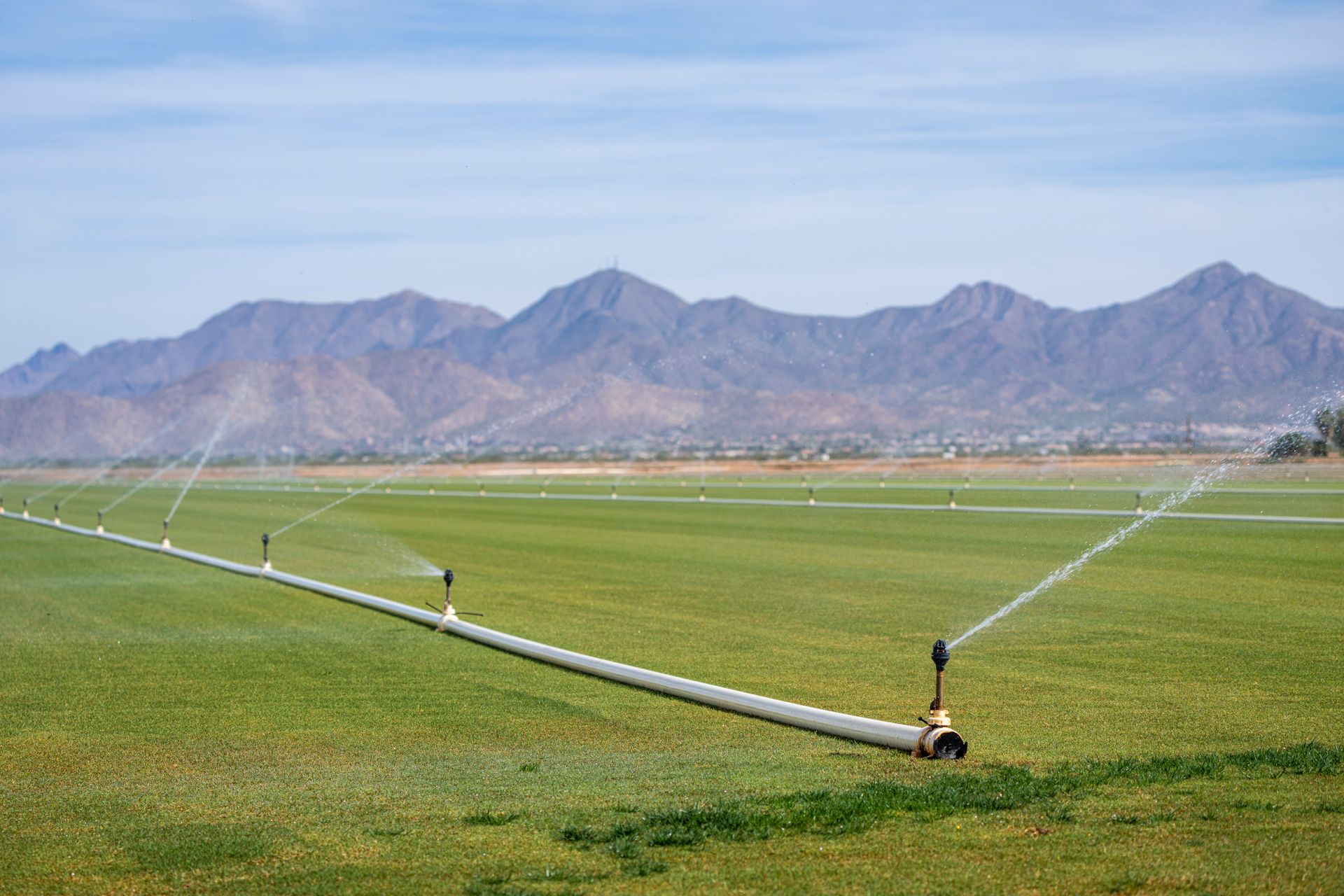
Irrigation equipment
-
Tool storage
-
Composting areas
-
Food storage space
Complete essential infrastructure before adding more ambitious projects. For example, build a reliable chicken coop before purchasing chickens.

Learn to Manage Water
Water management becomes increasingly important as the homestead grows. Establish efficient ways to supply gardens, animals, and household needs.
Collecting rainwater may provide a useful supplementary source where permitted and appropriate. Mulching garden beds can reduce evaporation, while drip irrigation can deliver water close to plant roots.
Monitor water use regularly. Identifying leaks and unnecessary consumption early can save both resources and money.
Create a Realistic Budget
Homesteading can become expensive when beginners purchase equipment before understanding what they actually need. Create a basic budget covering land improvements, seeds, tools, fencing, animal housing, feed, water systems, and maintenance.
Separate essential expenses from optional upgrades. A basic hand tool may perform the same job as an expensive machine during the early stages.
Keep records of what you spend. These records can help you identify which activities provide genuine value and where you can reduce costs.
Preserve What You Produce
Growing food is only part of homesteading. Learning to preserve surplus produce can extend the benefits of your harvest.
Depending on the product and applicable food-safety guidance, preservation methods may include drying, freezing, fermenting, or approved canning techniques. Start with simple methods and learn proper safety procedures before attempting more advanced preservation.
Storage also matters. Keep harvested foods in conditions appropriate for their type to reduce spoilage.
Develop Skills Gradually
A small homestead involves many different skills. You may need to learn gardening, animal care, basic repairs, food preservation, composting, irrigation, and seasonal planning.
Do not expect to master everything immediately. Choose one or two skills at a time and practice them consistently. Books, agricultural extension resources, experienced farmers, and local training programs can provide useful guidance.
Keeping notes about planting dates, yields, animal performance, weather, and problems can also accelerate learning.
Start Small and Expand
One of the biggest mistakes new homesteaders make is attempting too much at once. A large garden, multiple animal species, extensive food preservation, and major construction projects can quickly become overwhelming.
Instead, start with a few achievable goals. Once those systems work reliably, expand.
For example, establish a garden first, then add chickens, followed by fruit trees or another enterprise. This gradual approach allows you to identify problems before they become expensive.
Build a Sustainable Routine
A successful small homestead depends on consistent routines rather than occasional bursts of effort. Create daily, weekly, and seasonal task lists for watering, feeding animals, harvesting, maintenance, and planning.
Review your progress at the end of each season. Identify what worked, what failed, and what you would change next time.
Ultimately, starting a homestead is a gradual process. You do not need to become completely self-sufficient in the first year. By choosing suitable land, starting manageable projects, controlling expenses, learning useful skills, and expanding at a sensible pace, you can create a productive and sustainable homestead that grows with your experience.