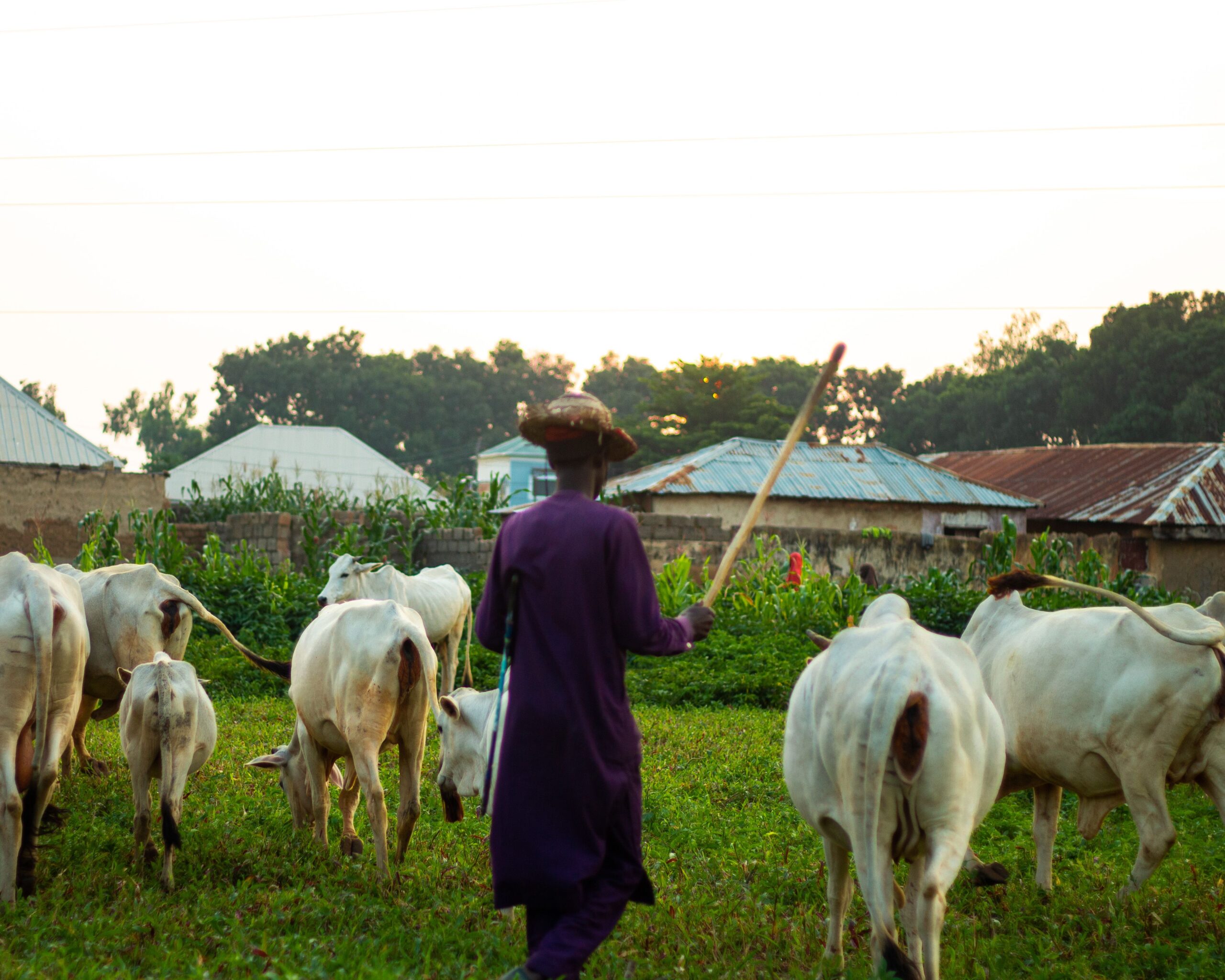
Farming is more than planting crops and waiting for harvest. Many farmers start with limited land, basic tools, and small budgets, then slowly build businesses through careful planning and hard work. Stories from farmers growing successful businesses can show that progress often comes from making small improvements, understanding customers, controlling costs, and learning from mistakes. While every farm is different, successful farmers often share a willingness to adapt and try better ways of working.

Starting Small And Growing Slowly
Many successful farm businesses begin on a small scale. Instead of investing heavily at the beginning, farmers may start with one crop or a small number of animals.
This approach allows them to learn without taking on too much financial risk. After gaining experience and finding reliable customers, they can gradually increase production.
For example, a farmer may begin by growing vegetables on a small plot. After learning which crops sell well, the farmer can expand the area and add more varieties.
Learning Before Expanding
Growth should not happen simply because more land is available. Farmers need to understand their costs, labor needs, water supply, and market demand first.
A small farm that makes a steady profit can provide a stronger foundation for future expansion.
Finding A Profitable Market
Some farmers become successful by focusing on what customers actually want. Instead of growing whatever is easiest, they research local demand before planting.
They may discover that restaurants need fresh herbs, local shops want consistent vegetables, or households prefer specific types of produce.
Farmers who understand their customers can plan production around real opportunities.
Useful questions include:
-
What products are people buying?
-
When is demand highest?
-
What quality do buyers expect?
-
How much can customers afford?
-
Can I supply products consistently?
Adding Value To Farm Products
Selling raw products is not the only way to earn farm income. Some farmers increase their earnings by processing or packaging what they produce.
A farmer growing tomatoes, for example, might sell fresh tomatoes while using suitable surplus produce for sauces or other products where local rules and facilities allow.
Other farmers may clean, sort, package, or brand their products to make them more attractive to buyers.
Value-added products can create additional income streams when managed carefully.
Using Records To Make Better Decisions
Successful farmers often know where their money is going. They keep records of seeds, fertilizer, labor, transport, equipment, sales, and other expenses.
These records help them identify profitable activities and reduce unnecessary spending.
For example, if one crop produces a good harvest but requires very high production costs, its final profit may be lower than expected. Accurate records can reveal this difference.
Learning From Difficult Seasons
Not every successful farmer has a perfect record. Poor weather, pests, low prices, and equipment problems can affect any farm.
What matters is how farmers respond to these setbacks. A difficult season can reveal weaknesses in a farm business.
A farmer may respond by improving irrigation, changing crop varieties, finding new buyers, or reducing unnecessary expenses.
Adapting To Changing Conditions
Markets and weather do not stay the same. Farmers who remain flexible can respond when conditions change.
They may grow different crops, adjust planting dates, improve storage, or explore new ways to sell their products.
Being willing to change does not mean abandoning every method that works. It means being prepared to improve when there is a good reason.
Building Strong Customer Relationships
Reliable customers can be valuable for a growing farm business. Farmers who provide consistent quality and communicate clearly can build trust over time.
A customer who knows that a farmer delivers fresh produce on time may continue buying from that farm.
Good relationships can also lead to referrals and new business opportunities.
Using Technology Wisely
Technology can help farmers manage growing businesses. Simple tools such as mobile phones, digital records, weather services, and online marketing can save time and improve communication.
However, farmers do not need expensive technology to succeed. The best tools are those that solve real problems and provide enough value to justify their cost.
Learning From Other Farmers
Successful farmers often continue learning. They may attend training programs, join farmer groups, visit other farms, or speak with agricultural advisers.
Learning from other farmers can provide practical ideas that are easier to apply than information found only in books.
Farmers can also learn from their own records and experiences. Each season provides information that can guide future decisions.
Conclusion
Stories from farmers growing successful businesses show that farm success rarely happens overnight. Many farmers begin with limited resources and grow gradually through careful planning, market research, cost control, customer relationships, and continuous learning. They also understand that setbacks are part of farming and use difficult experiences to improve. Whether a farmer grows crops, raises animals, or sells processed products, a clear business plan and willingness to adapt can create a stronger path toward long-term success.