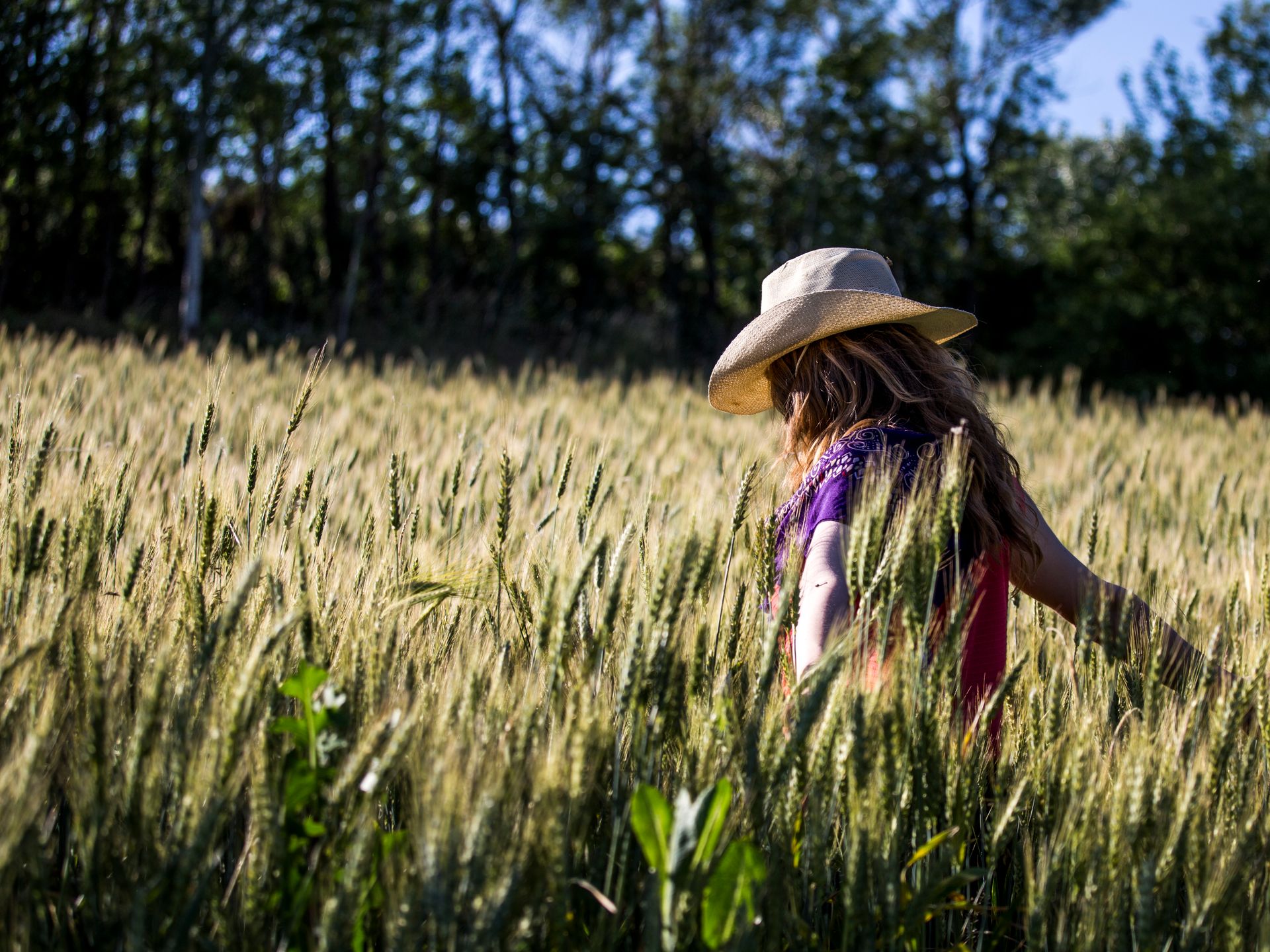
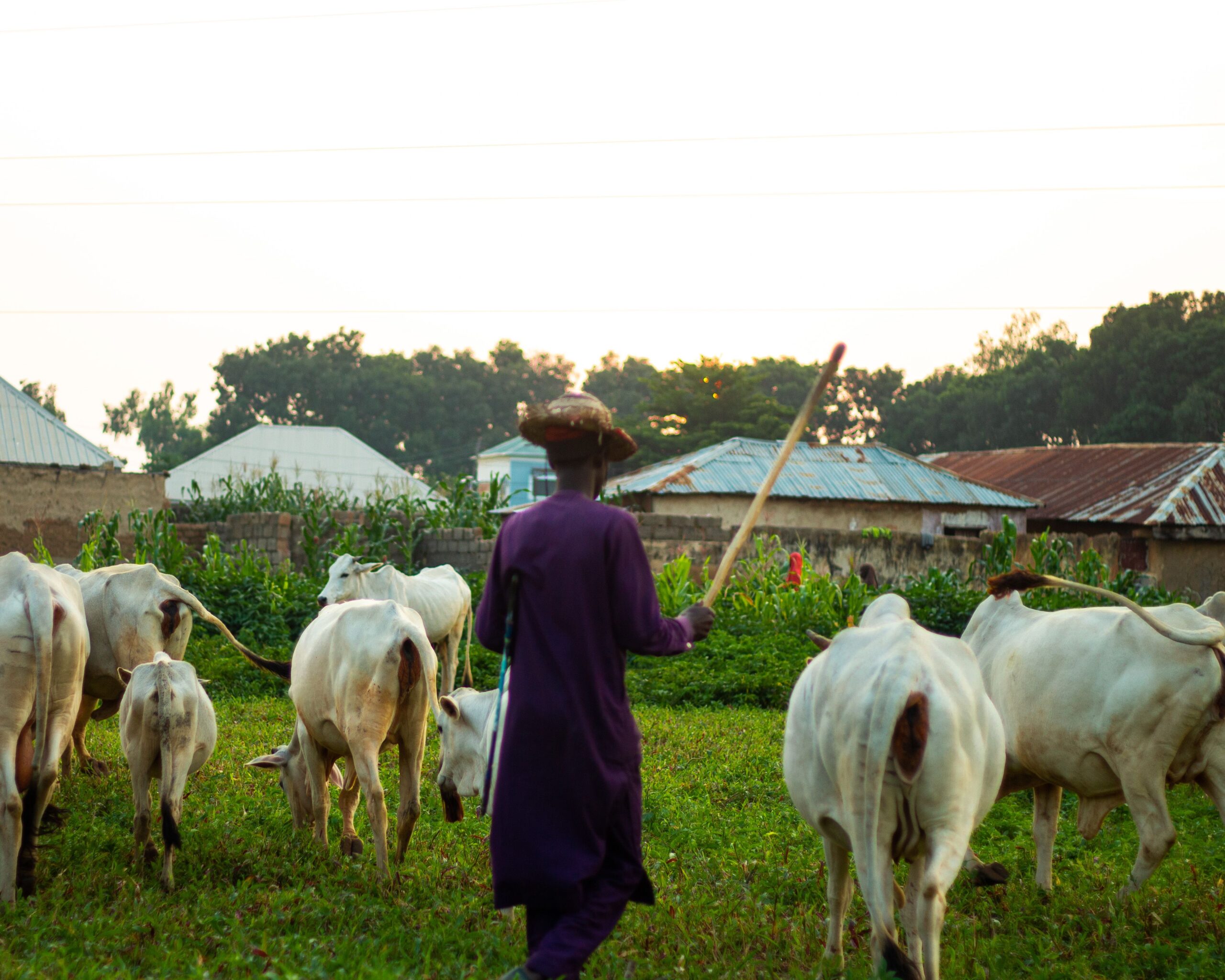
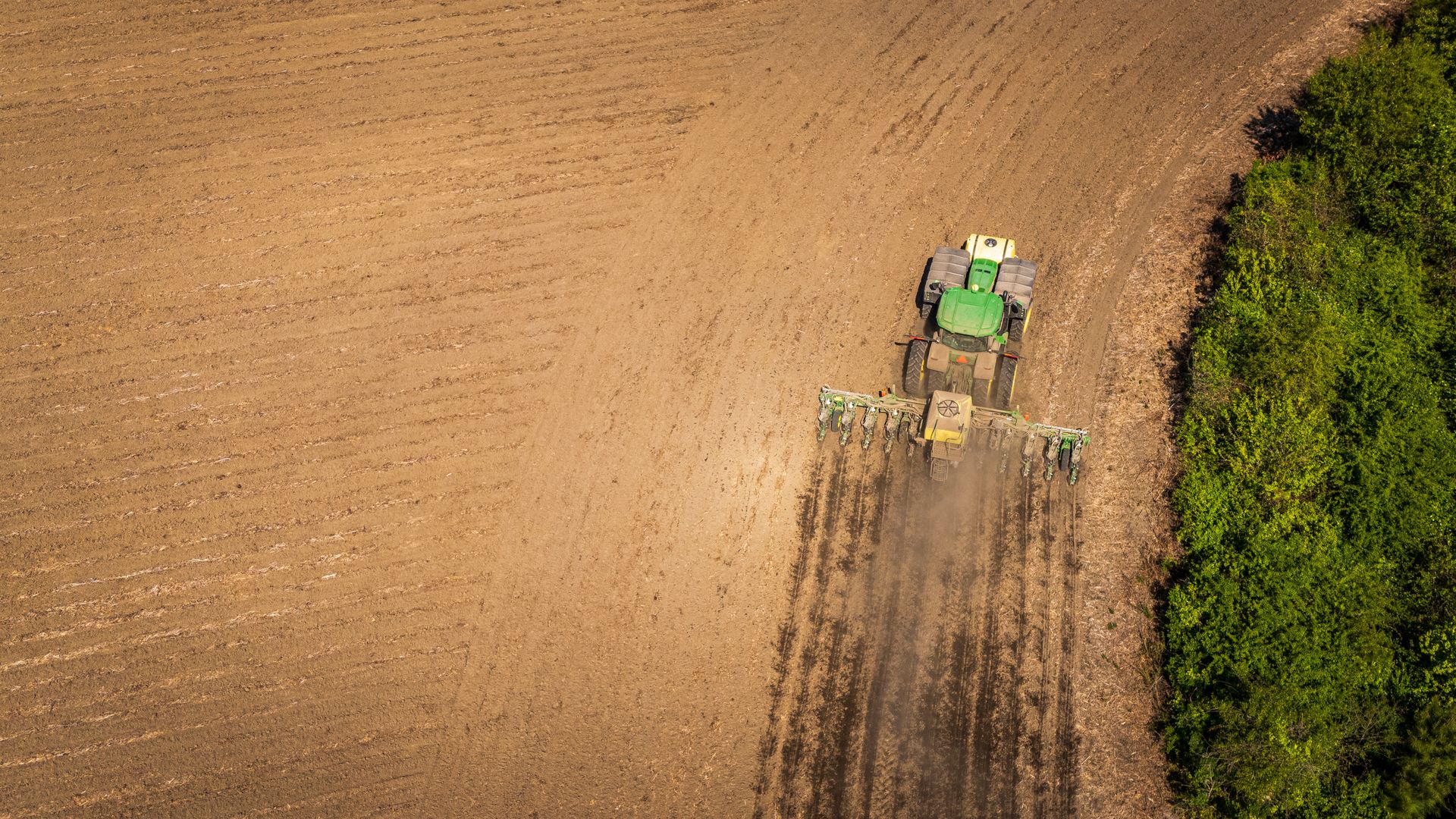
Family farm stories often begin with a simple piece of land and grow into something much larger than a source of income. Across generations, families have planted crops, raised livestock, repaired fences, survived difficult seasons, and passed valuable knowledge from one generation to the next. Each farm carries its own history, shaped by the people who worked the soil and the challenges they overcame. Although farming methods continue to change, the connection between family, land, and tradition remains remarkably strong.
Where Farming Traditions Begin
Many generational farms start with a parent or grandparent who decides to build a life around agriculture. At first, the farm may consist of only a few fields, some livestock, or a modest collection of tools. Over time, however, steady work can transform a small operation into a thriving family business.
Older generations often teach younger family members through practical experience. Children may learn how to plant seeds, feed animals, recognize changing weather, or operate machinery by watching their parents.
These lessons rarely come from textbooks alone. Instead, family members demonstrate techniques during everyday work. As a result, farming knowledge becomes part of the family’s identity.
Lessons Beyond the Field
The most meaningful family farm stories often involve lessons that extend beyond agriculture. Young farmers learn patience when crops take longer to mature than expected. They develop responsibility by caring for animals every day. They also learn perseverance when drought, pests, disease, or poor market conditions threaten the farm.
These experiences can shape how future generations approach both farming and life.
Adapting Without Losing Tradition
Generational farms must balance tradition with change. A method that worked decades ago may no longer provide the best results today. Therefore, younger farmers often introduce new equipment, improved crop varieties, digital record keeping, efficient irrigation, or modern marketing strategies.
However, adopting new ideas does not mean abandoning old values.
An older farmer might understand the land’s seasonal patterns through decades of observation, while a younger farmer might bring new technical knowledge to the operation. When these perspectives come together, the farm can benefit from both experience and innovation.
A Family Farm Through Difficult Times
Every agricultural family eventually faces difficult seasons. Drought can reduce yields, heavy rain can damage fields, and disease can threaten livestock. Meanwhile, rising input costs and changing market prices can create additional pressure.
In these moments, family cooperation becomes especially important. Relatives may work longer hours, repair equipment themselves, reduce unnecessary expenses, or find new markets for their products.
Many family farm stories are therefore stories of resilience. They show how families respond when circumstances become difficult rather than simply celebrating successful harvests.
Recovering From Setbacks
Consider a farm that experiences a poor growing season. Instead of giving up, the family might analyze what happened, improve water management, change planting dates, or select crops better suited to local conditions.
The following season may bring better results. More importantly, the family gains knowledge that can help protect the farm in the future.
This cycle of challenge, adaptation, and recovery helps explain why some family farms survive for generations.
The Changing Role of Younger Generations
Young people can play an important role in determining whether a family farm continues into the future. Some choose to remain on the farm full-time, while others combine agricultural work with careers in education, technology, business, or other fields.
Those who return to farming may bring fresh ideas with them. They might explore direct-to-consumer sales, agricultural tourism, value-added products, conservation practices, or online marketing.
At the same time, they often preserve traditions that matter to their families. An old planting ritual, a particular livestock breed, or a trusted farming technique can remain meaningful even as the operation modernizes.
Preserving Memories and Knowledge
A farm’s history can easily disappear if families do not record it. Photographs, journals, production records, family interviews, and old maps can preserve important memories.
Older relatives can also share stories about how the farm looked decades ago, which crops performed well, and how previous generations handled difficult conditions.
These memories add depth to family farm stories because they connect present-day farmers with the people who worked the same land before them.
Families can preserve their history by:
-
Recording interviews with older relatives
-
Photographing historic buildings and equipment
-
Keeping copies of old farm records
-
Documenting traditional farming practices
-
Creating family timelines
-
Saving stories about memorable harvests and difficult seasons
Such records can become valuable resources for future generations.
What Generational Farms Teach Us
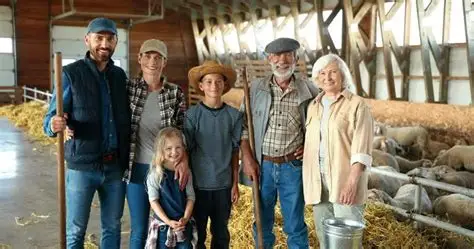
Generational farming demonstrates that success rarely happens overnight. A productive farm usually reflects years of accumulated knowledge, careful decisions, hard work, and adaptation.
The land itself also becomes a teacher. Farmers learn which areas drain quickly, where crops perform best, and how local weather patterns influence production. Over time, these observations become practical knowledge that can benefit the next generation.
Furthermore, family farming demonstrates the value of cooperation. Each generation contributes something different, whether it involves physical labor, business management, technical skills, or traditional knowledge.
Building the Next Chapter
Today, generational farms face a changing agricultural landscape. Climate pressures, labor shortages, technology, market competition, and rising costs can all influence their future. Nevertheless, many families continue to find creative ways to keep their farms productive.
The strongest family farm stories do not simply describe the past. They show how families carry important values forward while remaining willing to change.
A farm may look different from the way it did fifty years ago. Its machinery may be more advanced, its markets may have expanded, and its production methods may have evolved. Yet the commitment behind the work can remain the same.
Ultimately, generational farms represent more than land and buildings. They are living records of family effort, agricultural knowledge, setbacks, celebrations, and hope for the future. By sharing these stories, families preserve their heritage while inspiring the next generation to understand where their farming journey began.