Small farms can play an important role in producing food while protecting valuable natural resources. However, limited land, labor, water, and capital can make farm management challenging. Fortunately, sustainable farming does not always require expensive technology or large-scale infrastructure.
Small farmers can introduce practical methods that improve soil health, conserve water, reduce waste, support biodiversity, and make better use of available resources.
The best sustainable farming ideas for small farms focus on affordable practices that fit the farm’s size, climate, crops, and available labor.
Start With Healthy Soil
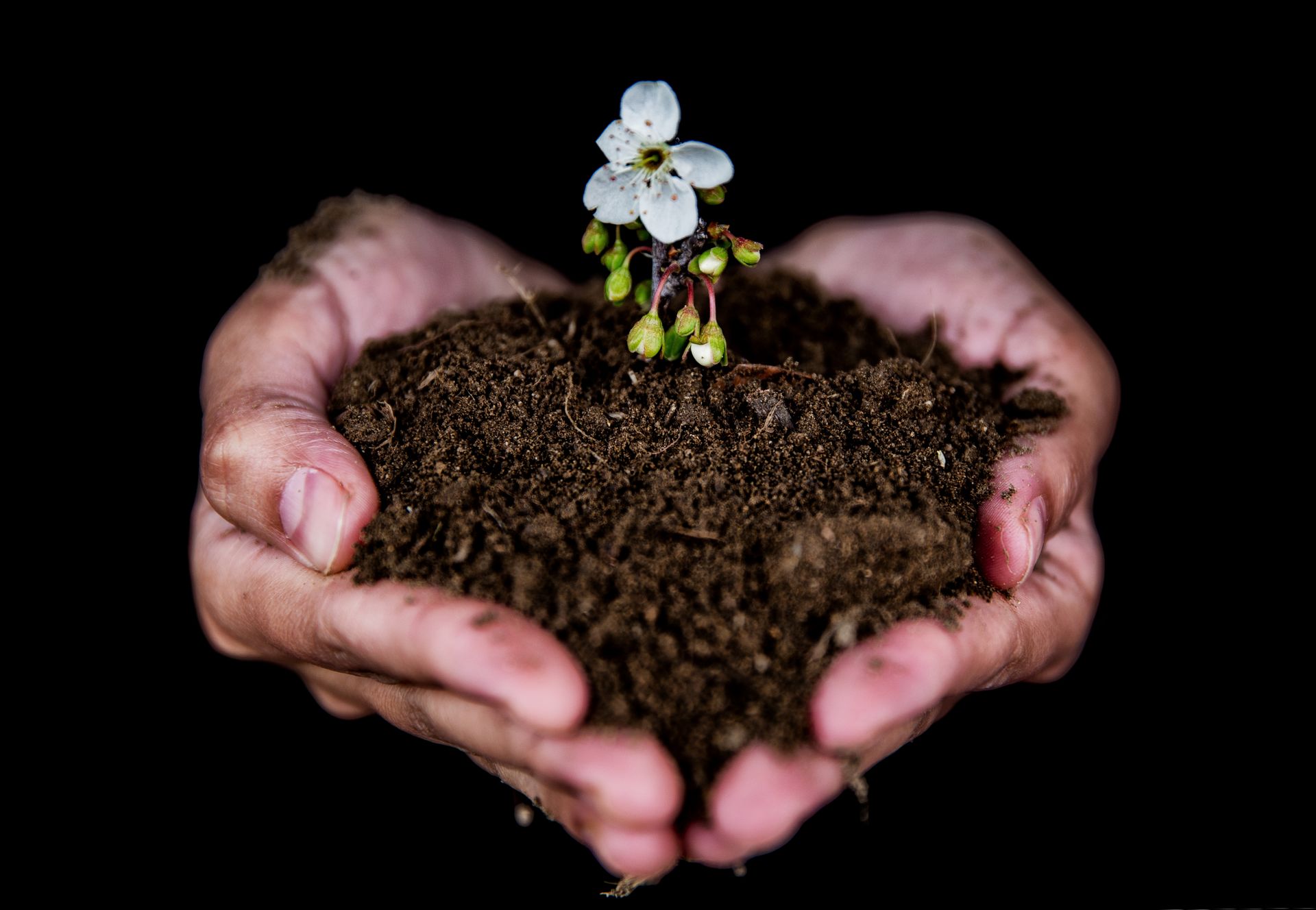
Healthy soil should form the foundation of a sustainable small farm.
Test your soil when possible to understand its pH and nutrient status. Then use the results to guide soil-management decisions.
Add suitable organic matter through mature compost, crop residues, or other appropriate materials.
Healthy soil can support strong root development, improve water management, and contribute to long-term productivity.
Avoid adding fertilizers or amendments simply because they are labeled as natural. Use them according to actual crop and soil needs.
Practice Crop Rotation
Crop rotation is an affordable way to diversify production and support soil health.
Instead of planting the same crop in the same area repeatedly, rotate crops from different plant families.
A rotation can help interrupt some pest and disease cycles while varying nutrient demands.
Where suitable, include legumes because they can contribute nitrogen through relationships with soil bacteria.
Plan rotations around your climate, available growing season, market demand, and farm resources.
Grow Cover Crops
Cover crops can protect soil between main crop cycles.
Suitable grasses, legumes, and other plants can help reduce erosion, suppress weeds, and contribute organic matter.
Their roots can also support soil structure and biological activity.
However, cover crops require careful management. Select species that fit your rainfall, soil, crop rotation, and available time.
In dry regions, consider water availability carefully because cover crops also consume moisture.
Conserve Water
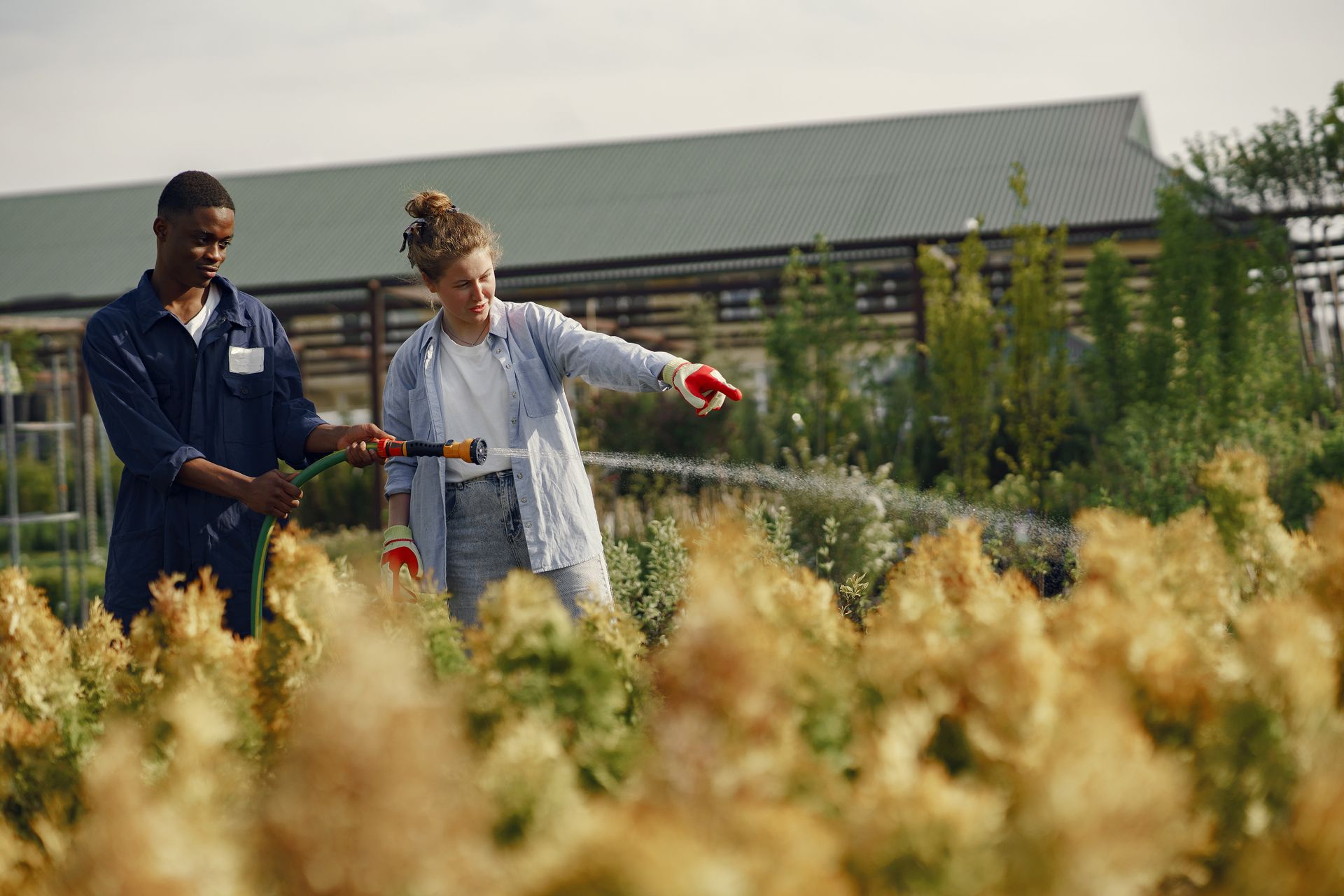
Small farms can benefit significantly from efficient water management.
Check irrigation systems regularly for leaks and damaged components.
Water crops according to their needs, soil moisture, rainfall, and weather conditions rather than following a fixed schedule.
Mulching can reduce evaporation and help maintain moisture near plant roots.
Where practical and legally permitted, rainwater collection and storage can provide an additional source for suitable uses.
Use Efficient Irrigation
Choose irrigation methods according to your crops and farm layout.
Drip irrigation can deliver water near plant roots and may reduce losses in suitable systems.
Simple improvements can also make a difference. Repair leaking hoses, adjust sprinklers, and avoid watering areas where crops do not grow.
Before investing in expensive irrigation equipment, identify where your current system loses the most water.
Compost Farm and Household Organic Waste
Composting can turn suitable organic waste into a useful resource.
Small farms can compost crop residues, leaves, grass clippings, and appropriate animal manure.
Maintain suitable moisture and airflow while the materials decompose.
Allow the compost to mature before applying it to crops.
This approach can reduce waste while returning organic matter and nutrients to the soil.
Reduce Farm Waste
Waste reduction can improve both sustainability and profitability.
Plan crop production according to expected demand, storage capacity, and available labor.
Handle harvested produce carefully to reduce bruising and spoilage.
Store crops under appropriate conditions and use older products first.
Crop residues may also have useful applications as mulch, compost material, livestock feed, or bedding, depending on the material and farming system.
Encourage Biodiversity
Biodiversity can support a healthier farm ecosystem.
Where practical, grow different crops and maintain suitable flowering plants, trees, hedgerows, or other habitat.
These areas can provide resources for pollinators and beneficial organisms.
Avoid removing every non-crop plant simply because it is not part of the main harvest.
At the same time, manage vegetation carefully so it does not create significant competition or pest problems.
Use Natural Pest Management
Small farms can reduce unnecessary pesticide use by focusing on prevention and monitoring.
Inspect crops regularly and identify pests correctly before taking action.
Use crop rotation, resistant varieties, physical barriers, sanitation, beneficial insects, and other appropriate methods.
If pesticides become necessary, choose targeted products and follow all label instructions and local requirements.
The goal is to manage economically important pests while protecting beneficial organisms.
Grow Multiple Crops
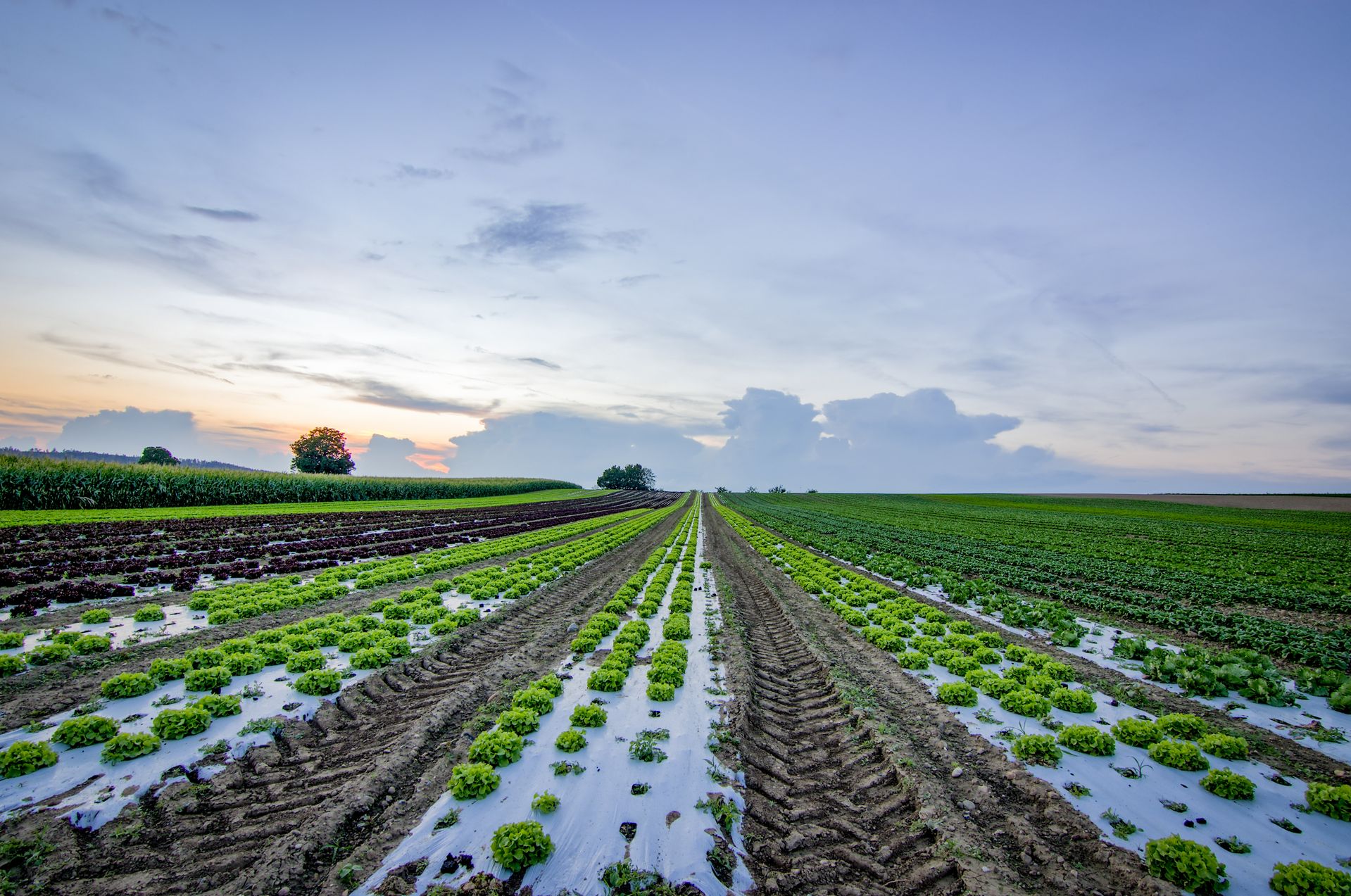
Diversifying crops can reduce dependence on a single harvest.
Different crops can mature at different times, provide varied food products, and respond differently to weather or pest problems.
For small commercial farms, diversification can also provide multiple potential sources of income.
However, do not grow more crops than you can manage effectively.
Choose varieties that fit your market, climate, soil, and available labor.
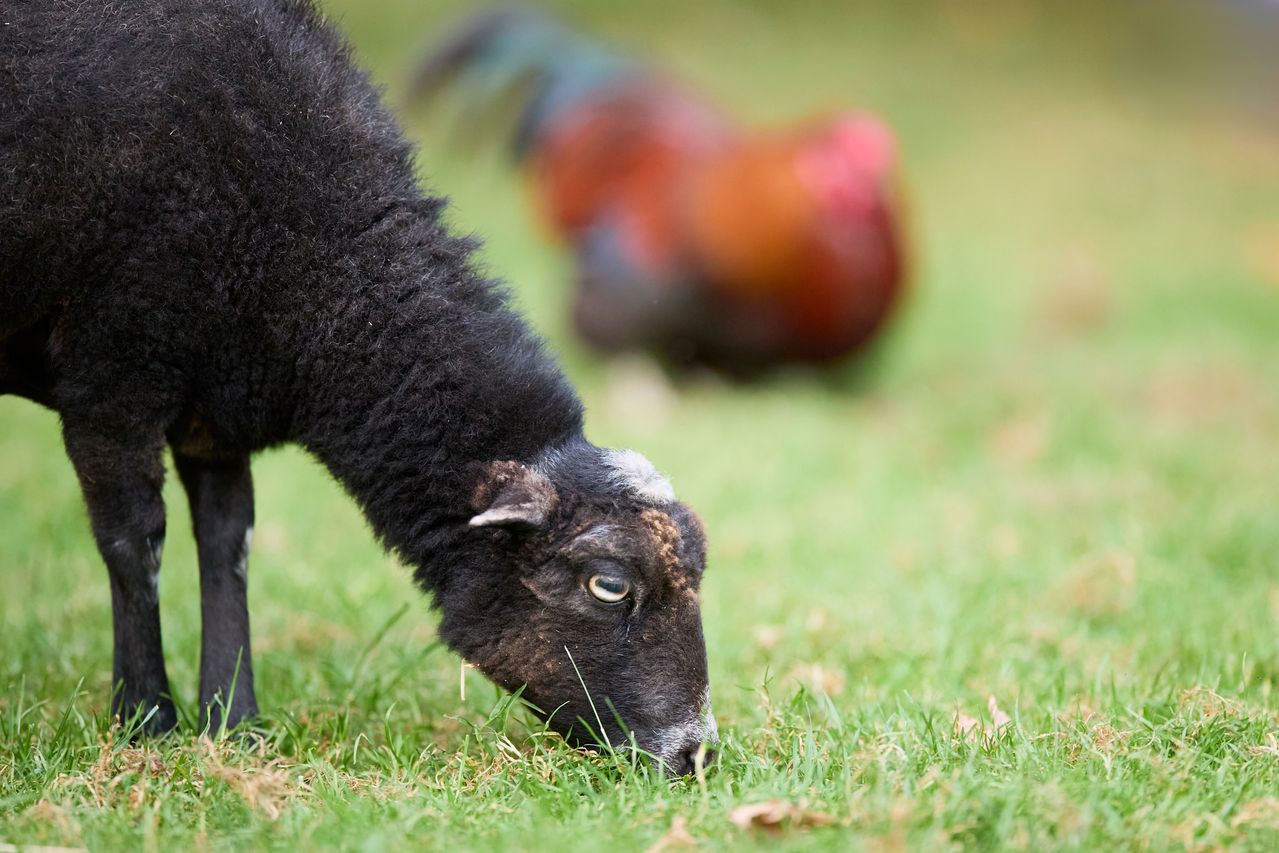
Integrate Suitable Livestock
If your land and resources allow, livestock can become part of an integrated farm system.
Chickens, goats, sheep, cattle, or other animals may provide food, income, manure, or other useful resources depending on the operation.
However, livestock require consistent care, adequate feed, clean water, suitable housing, and appropriate veterinary attention.
Avoid adding animals simply because they seem sustainable. First calculate their feed, labor, housing, and healthcare requirements.
Maintain Farm Equipment
Small farms often depend heavily on a limited number of tools and machines.
Keep equipment clean, properly stored, and maintained.
Repair minor problems before they become major failures.
Sharpen appropriate cutting tools, inspect irrigation components, and follow maintenance recommendations for machinery.
Extending equipment life can reduce replacement costs and unnecessary waste.
Use Renewable Energy Where Practical
Renewable energy can support certain small-farm activities.
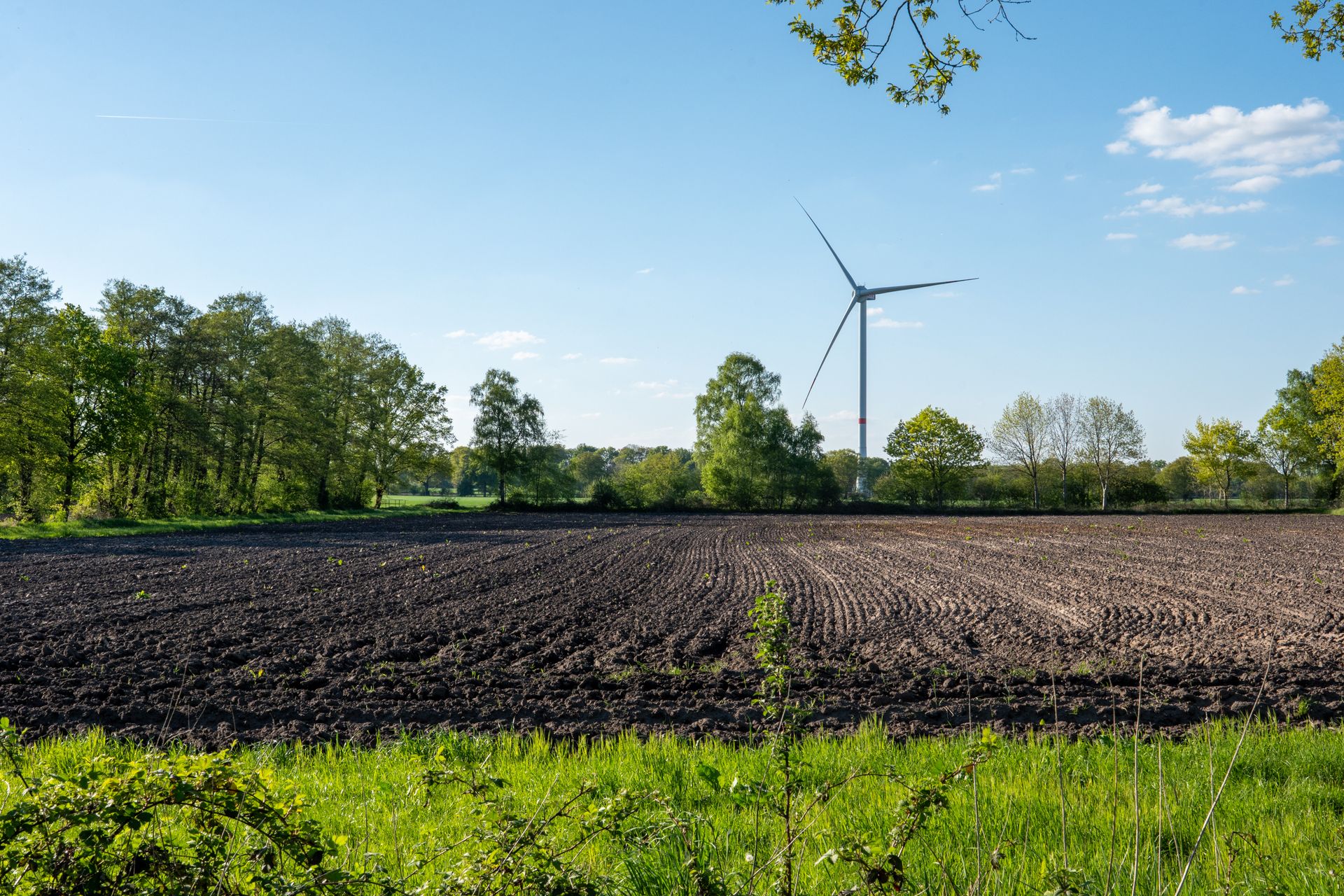
For example, solar power may be suitable for some lighting, water pumping, fencing, refrigeration, or other electrical applications.
Before purchasing a system, calculate your actual energy needs and compare installation and maintenance costs.
In some cases, simple energy-saving measures may provide better value than installing new equipment.
Save and Select Seeds
Seed saving can be useful for some open-pollinated crops when local conditions and crop characteristics make it practical.
Choose healthy plants with desirable traits and learn how to collect, dry, label, and store seeds properly.
Not every crop or hybrid variety is suitable for reliable seed saving.
Purchase quality seed when necessary, particularly for crops where saved seed may not reproduce the desired characteristics.
Keep Good Farm Records
Records help small farmers make better decisions.
Track planting dates, crop varieties, harvest quantities, input costs, irrigation, pest problems, and sales.
Review these records after each season.
You may discover that certain crops consistently provide better returns or that specific practices reduce input use.
Good records turn experience into useful information for future planning.
Start Small and Improve Gradually
Sustainable farming does not require changing your entire operation immediately.
Choose one or two practices that address your biggest challenges.
For example, start with composting if organic waste is a problem or improve irrigation if water is limited.
Measure the results before expanding.
Gradual changes reduce financial risk and make new practices easier to manage.
Final Thoughts
The best sustainable farming ideas for small farms are practical, affordable, and suited to local conditions.
Crop rotation, cover crops, composting, water conservation, biodiversity, natural pest management, crop diversification, and efficient resource use can all contribute to a healthier and more resilient farm.
Start by identifying the resources you already have and the biggest challenges affecting your operation. Then introduce improvements gradually and track the results.
With careful planning and consistent management, even a small farm can become more productive while protecting soil, water, biodiversity, and other resources for the future.